Navigating the acp facade cladding pricelist for Accurate Project Budgeting
Securing an accurate budget for architectural exterior fit-outs often feels like hitting a moving target. Developers and architects frequently struggle with hidden costs, unpredictable material estimates, and generic quotes that fail to account for complex architectural designs. When project margins are tight, estimating errors in exterior paneling can severely derail your financial planning and construction timeline.
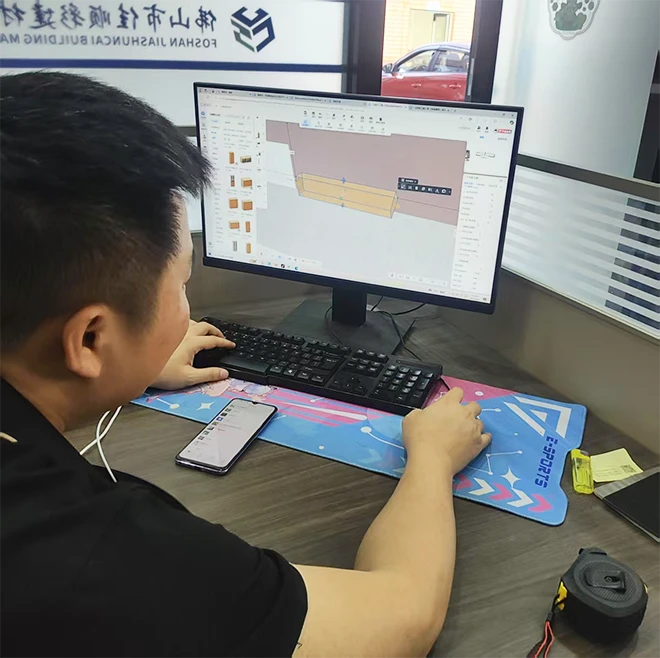
Since 2003, our specialized manufacturing approach has directly addressed this industry-wide pain point. Rather than providing generic estimates, our in-house technical office utilizes advanced CAD layout studies to optimize panel usage. By mapping out precise dimensions and mitigating waste, we transform a standard evaluation into a highly accurate blueprint. This methodology ensures that every figure in your project's assessment is calculated with precision, protecting your bottom line from unexpected budget overruns while delivering high-end architectural aesthetics.
Engineering Standards Influencing the acp facade cladding pricelist
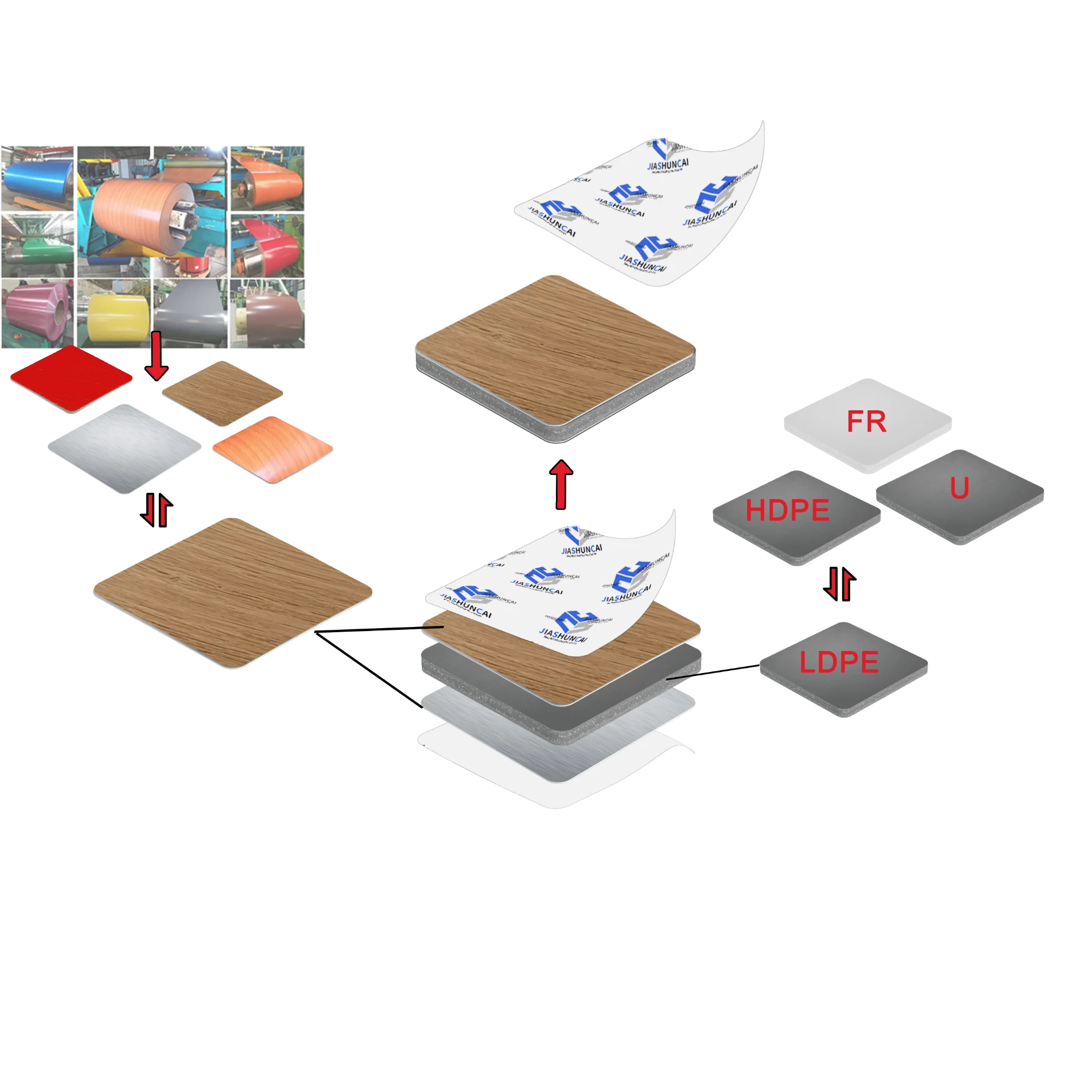
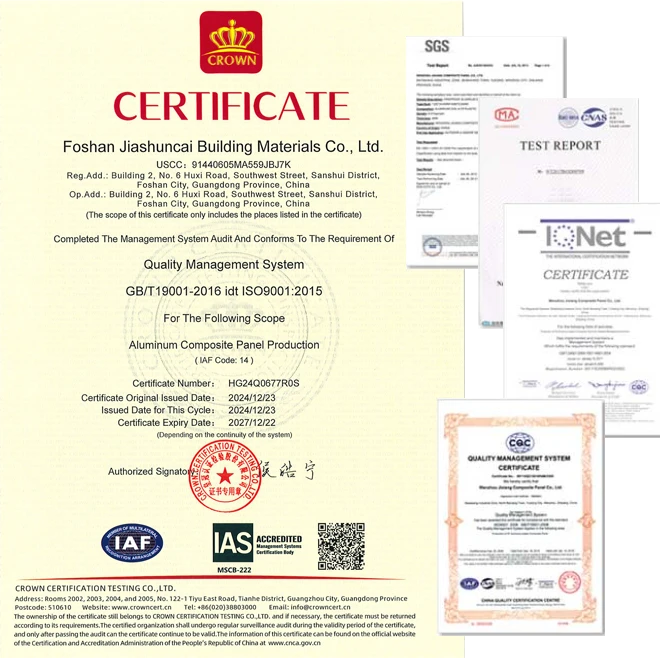
Understanding the core components behind exterior paneling costs requires a deep dive into material science and manufacturing capabilities. The variables that dictate project expenses are directly tied to the performance, safety ratings, and durability of the materials selected. By manufacturing in the core area of China's cross-border trade ports, we maintain stringent control over both quality and production efficiency.
Below is a breakdown of the specific engineering metrics that influence material valuation and how our standards provide a distinct competitive advantage for your building envelopes.
| Performance Metric |
Industry Significance |
Our Engineering Standard |
Advantage |
| Fire Safety Classification |
Crucial for high-rise building compliance and occupant safety. |
A2 and B1 Grade Fireproof Materials. |
Ensures global regulatory compliance without inflating premium insurance costs. |
| Surface Durability |
Determines the lifespan of the building's aesthetic under environmental stress. |
PVDF & PE Coating with High UV Resistance. |
Prevents fading and chalking, drastically reducing long-term maintenance expenditures. |
| Core Integrity |
Affects the ability to execute complex architectural geometries. |
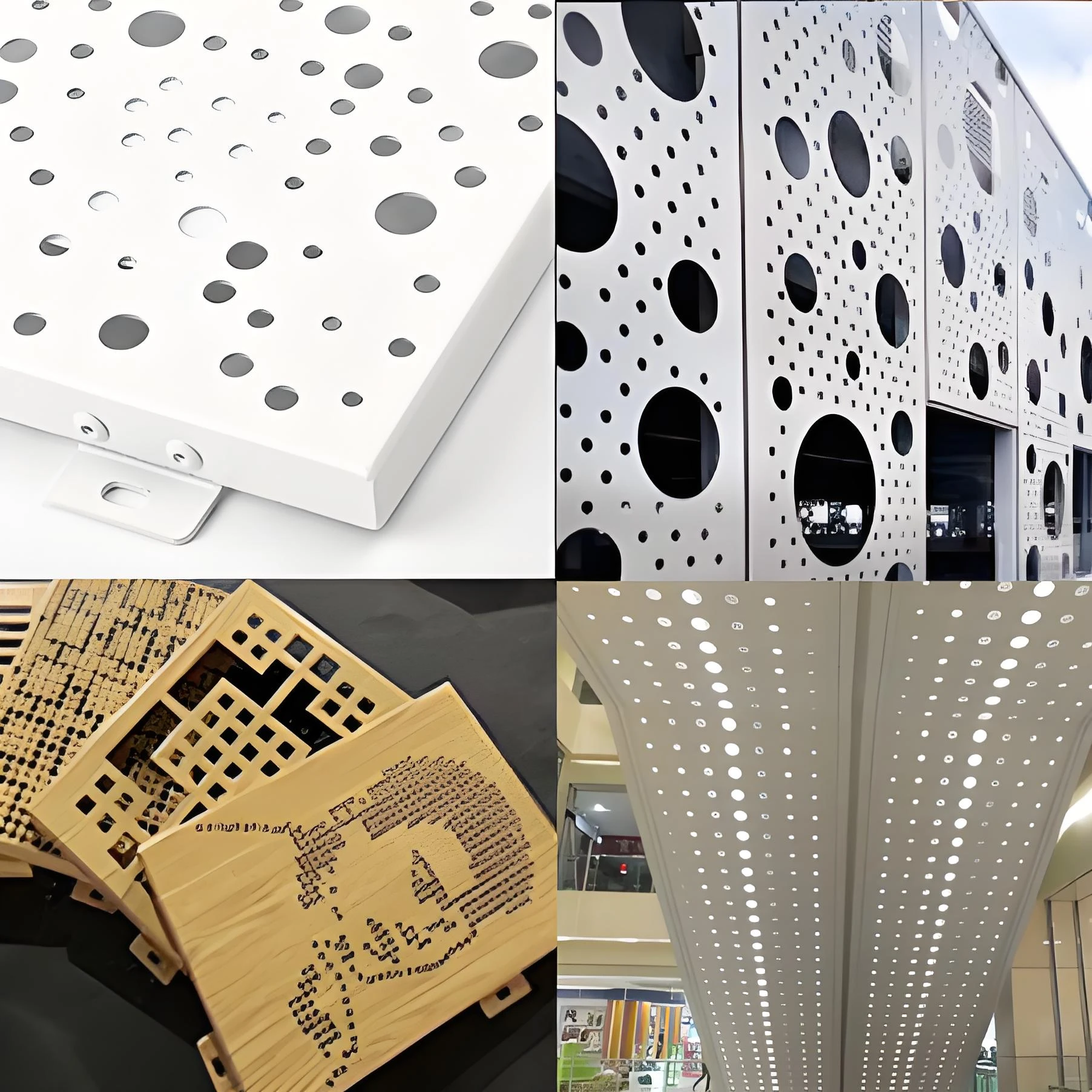
Unbreakable cores formulated for concave and convex bending. |
Eliminates structural cracking during installation, reducing material loss and re-ordering delays. |
| System Weight |
Heavier systems require more robust structural framing and higher labor input. |
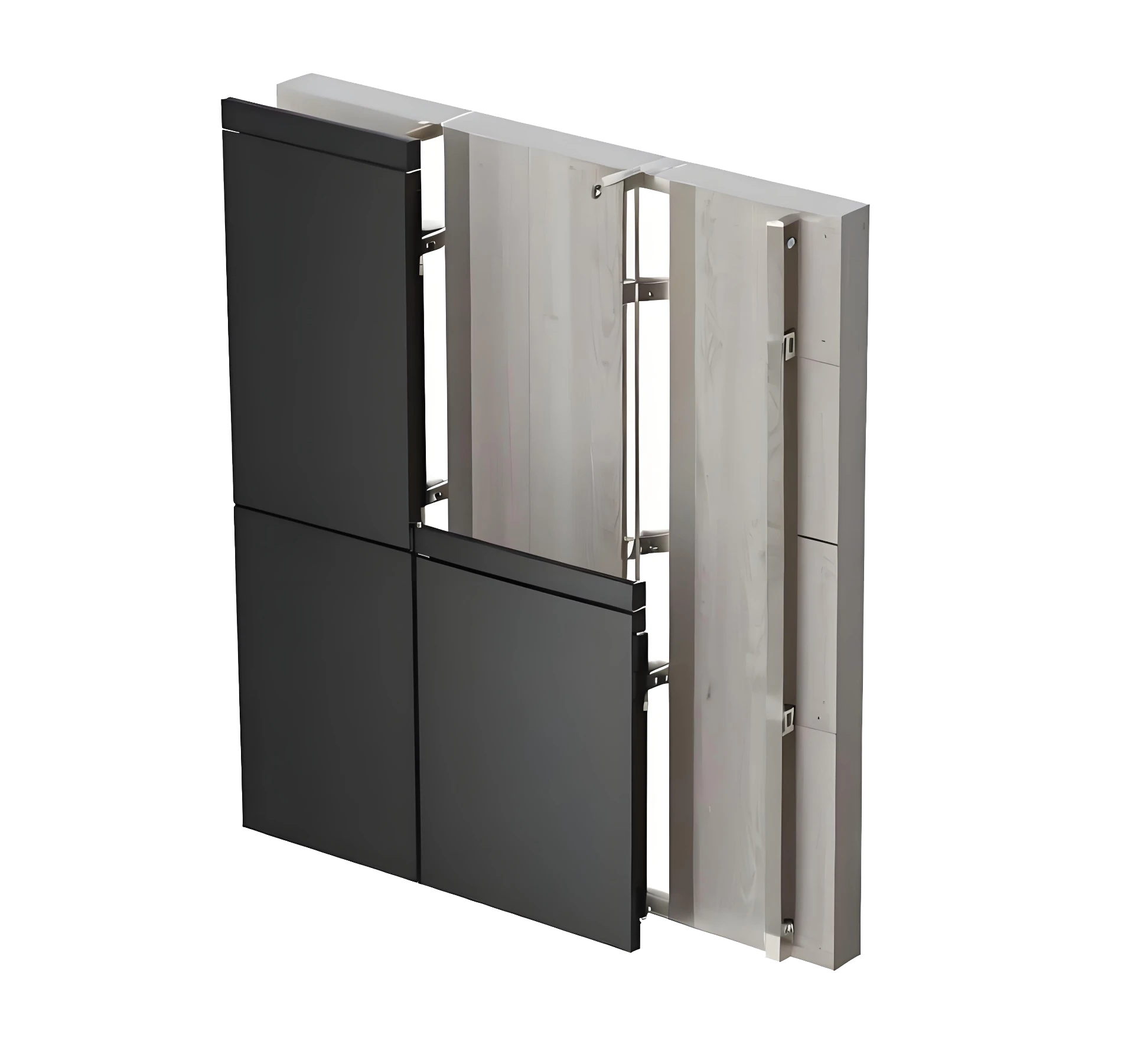
Lightweight assembly structures engineered for rapid deployment. |
Significantly accelerates installation timelines and lowers heavy machinery requirements. |
Maximizing ROI with a Transparent acp facade cladding pricelist
Strategic procurement is not merely about finding the lowest upfront material cost; it is about engineering long-term value. When analyzing your project expenditures, the true return on investment becomes visible when you factor in installation efficiency, material longevity, and waste reduction. A comprehensive, precise evaluation acts as a financial roadmap, transforming architectural visions into economically viable realities.
Because we operate as a globally recognized leader in certified assembly systems—facilitating seamless exports to markets like Nigeria and beyond—we focus heavily on reducing the total cost of ownership. Our lightweight structures directly reduce installation costs by minimizing labor hours and structural load requirements. Combined with CAD-optimized cutting layouts, we ensure that every square meter you purchase is utilized effectively, yielding a higher ROI across the lifecycle of the building.