since 2003 Professional Aluminum Composite Panel Manufacturer
en

Advanced alupanels Solutions for Rwanda's Urban Evolution

Engineering durable, high-performance architectural envelopes tailored for the unique climate and ambitious infrastructure goals of Rwanda.

Advanced alupanels Solutions for Rwanda's Urban Evolution

Providing Kigali and regional hubs with cutting-edge cladding systems that combine aesthetic versatility with structural resilience against tropical weather patterns.

Current State of Architectural Cladding in Rwanda

Analyzing the shift toward sustainable and durable metal facades in East Africa.

Rwanda, particularly the capital Kigali, is experiencing a construction boom characterized by a transition from traditional masonry to modern high-rise commercial structures. The adoption of acm panel systems has increased as developers seek materials that offer rapid installation and a clean, professional finish to match the "Green City" vision.

The local environment presents specific challenges; high humidity and intense UV exposure necessitate materials with superior coating stability. Many projects are now moving away from simple paint-on concrete toward metal panels that provide a moisture barrier and thermal insulation, reducing the energy load for interior cooling.

However, the market still faces a gap in specialized fabrication. While the demand for aluminum sheets is high, there is a growing need for integrated systems that provide long-term fire safety and wind resistance, pushing the industry toward certified international standards.
Evolution and Trajectory of Cladding Technology

From basic sheet metal to intelligent composite engineering.

Market Development History

In the early 2000s, the Rwandan market relied heavily on corrugated iron and basic plastered finishes. These materials offered limited aesthetic appeal and poor thermal performance, often deteriorating quickly under the equatorial sun.

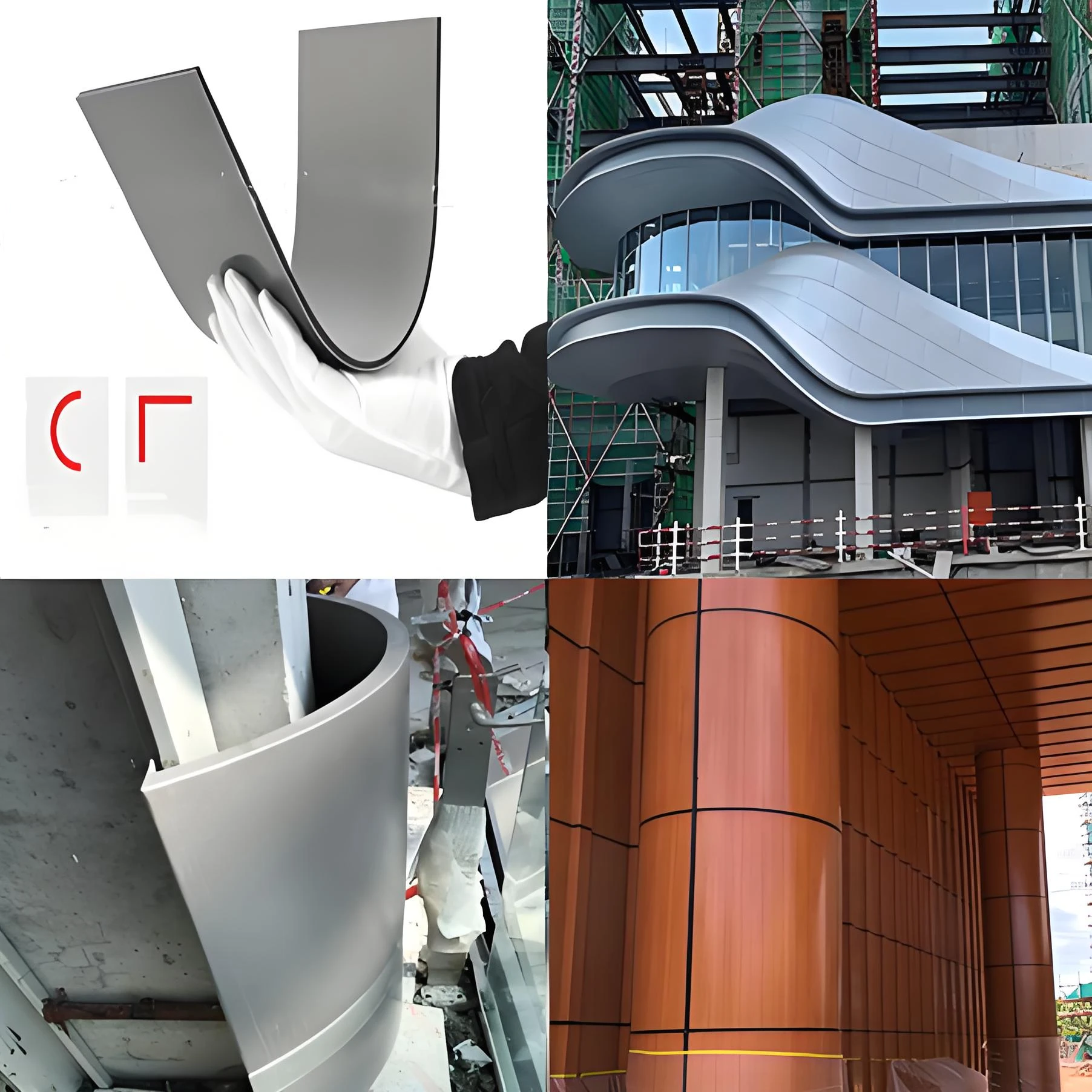
Between 2010 and 2020, the introduction of clad panels revolutionized the facade industry. This period saw a shift toward the use of composite materials that allowed for curved geometries and vibrant colors, aligning with the modernization of government buildings and corporate headquarters.

From 2021 onwards, the focus has shifted toward "Sustainability and Efficiency." The industry has moved into the era of high-grade PVDF coatings and fire-rated cores, ensuring that urban density does not compromise safety or environmental goals.

Future Development Trends

Integration of Smart Facades

We anticipate the integration of photovoltaic cells directly into cladding surfaces, allowing Rwandan buildings to generate their own power while maintaining a sleek metallic look.

Eco-Friendly Core Materials

A transition toward 100% recyclable mineral cores to replace traditional plastics, reducing the carbon footprint of the construction lifecycle in East Africa.

Digital Fabrication (BIM)

The move toward Building Information Modeling (BIM) for precision cutting of panels, minimizing material waste during the installation phase in Kigali's complex terrains.

Industry Trends and Future Outlook

Forecasting the next 5 years of architectural materials in Rwanda.

Ultra-Durable UV Coatings
Implementation of nano-ceramic coatings to prevent fading under Rwanda's high-altitude solar intensity.
Fire-Safe Core Standards
Transitioning all urban projects to Grade A2 non-combustible cores for enhanced public safety.
Modular Fast-Track Systems
Pre-engineered interlocking panels to accelerate construction timelines for rapid urban growth.
Circular Economy Recycling
Establishing local buy-back programs for scrap aluminum to promote a closed-loop construction cycle.

Industry Outlook

Based on Google search trends for "sustainable building materials in Africa," there is a significant uptick in queries regarding low-maintenance facades. This suggests that the Rwandan market is moving toward a "set-and-forget" philosophy, prioritizing long-term durability over initial low cost.

We expect the market for high-end composites to grow by 15% annually as Kigali transforms into a financial hub. The integration of thermal break technology will become a standard requirement to meet new green building certifications.

Localized Application Scenarios in Rwanda

Practical deployments of metal cladding across various Rwandan sectors.

1. Kigali Financial District Corporate Towers

Utilizing mirrored and brushed finishes to create iconic skylines that reflect the professional ambition of the capital's new business centers.

2. Tropical Healthcare Facilities

Implementing antimicrobial-coated panels for clinic exteriors, ensuring hygiene and easy maintenance in humid regional environments.

3. Modern Hospitality & Eco-Lodges

Using wood-grain textured aluminum to blend luxury resorts with Rwanda's natural landscapes without the rot risks of real timber.

4. Government Administrative Hubs

Applying large-scale flat panels for clean, authoritative aesthetics that communicate stability and modernity.

5. Urban Transit Stations & Airports

High-traffic areas utilizing impact-resistant cladding to withstand wear and tear while maintaining a futuristic appearance.

Brand Story

Global Development Journey of Foshan Jiashun Color Building Materials Co., Ltd.

Foundational Engineering

Started with a focus on high-precision aluminum extrusion, solving the core issue of material warping in extreme climates.

Coating Innovation

Developed proprietary PVDF layering techniques to ensure 20+ years of color retention in high-UV regions.

Global Expansion

Expanded logistics networks to reach emerging markets, bringing industrial-grade cladding to the African continent.

Certification Milestone

Achieved international fire-safety and ISO quality certifications, enabling partnership with Tier-1 global architects.

Sustainability Pivot

Launched a line of 100% recyclable composite panels to lead the industry toward a greener future.

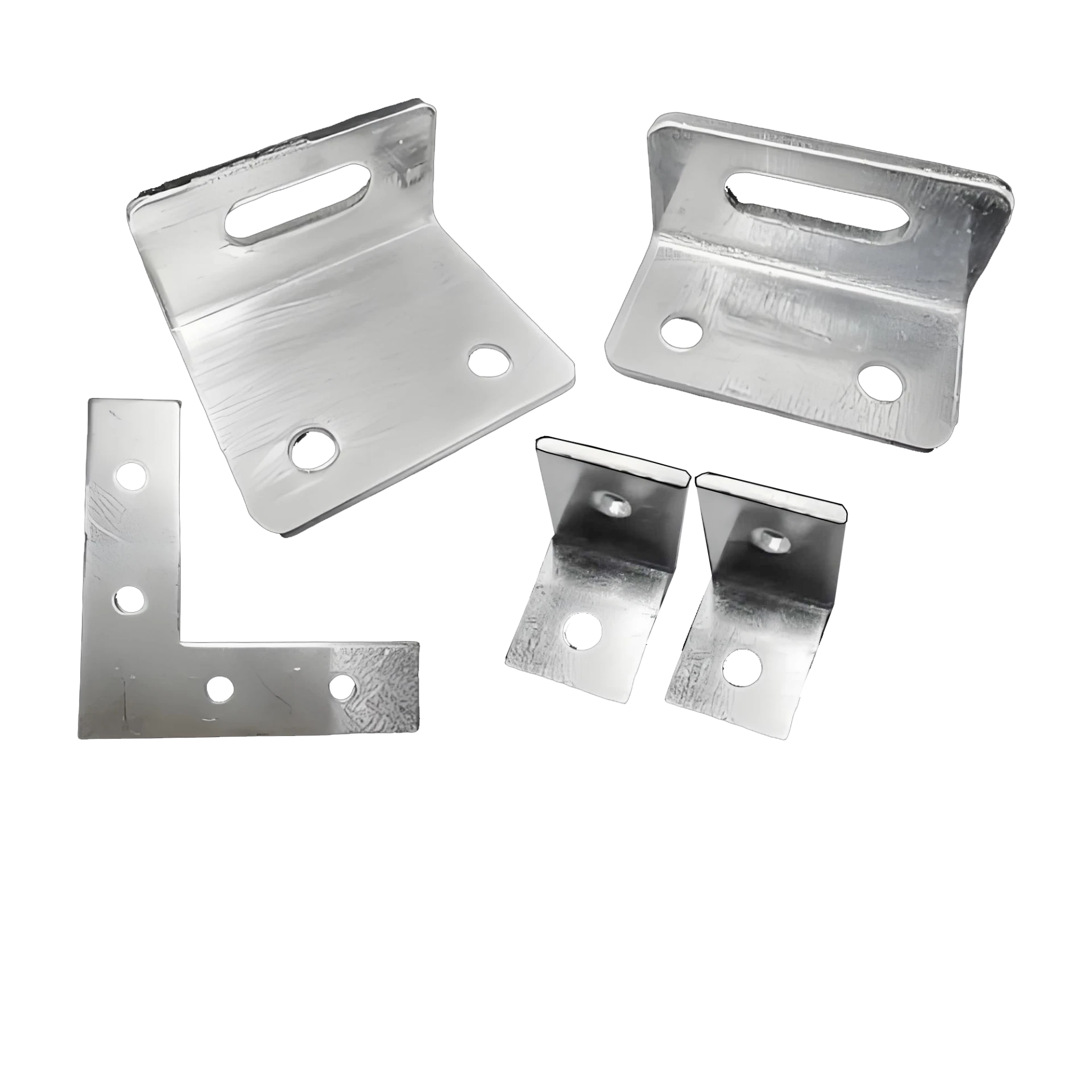
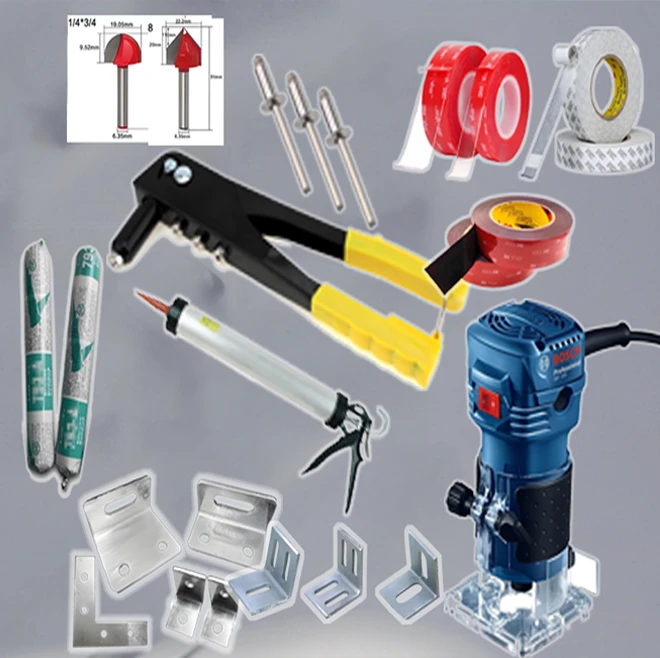
Comprehensive Cladding Portfolio for Rwanda

From heavy-duty industrial sheets to decorative architectural panels.

Common Inquiries for Rwanda's Building Sector

Expert answers to technical challenges in the local environment.

How do ACM panels perform in Rwanda's high-humidity climate?

Our panels feature a high-density moisture-resistant core and an advanced PVDF coating that prevents oxidation and peeling, making them ideal for the Rwandan highlands.

What is the best thickness for metal panels in commercial high-rises?

For high-rise structures in Kigali, we recommend a 4mm total thickness with a 0.5mm aluminum skin to ensure wind-load stability and structural rigidity.

Can alupanels be customized for specific architectural shapes?

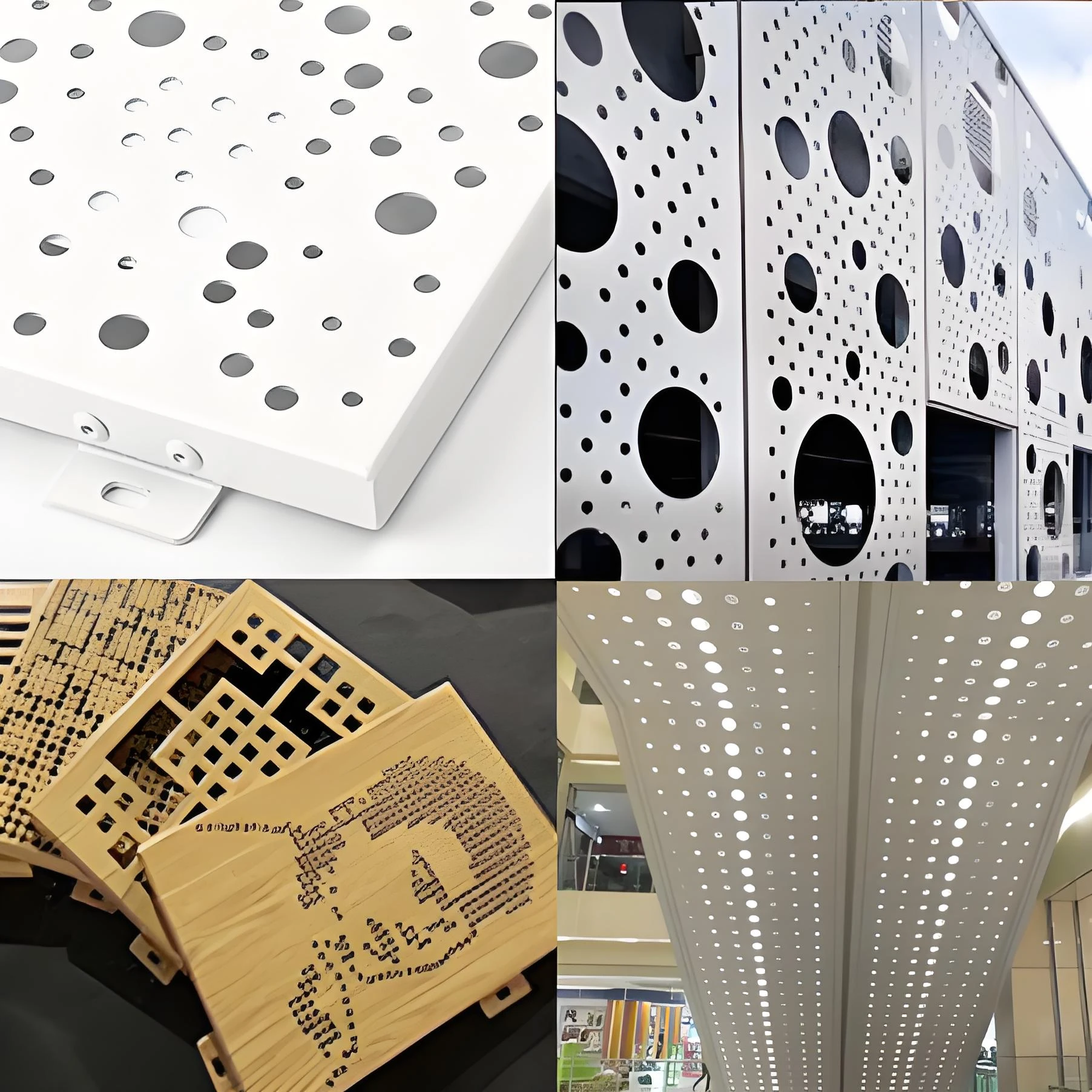
Yes, our materials are designed for precision routing and folding, allowing for seamless curves, 3D shapes, and intricate geometric patterns.

Are aluminum sheets more cost-effective than traditional painting?

While the initial cost is higher, the lifecycle cost is significantly lower due to the absence of repainting needs every 3-5 years.

What fire rating should I look for in clad panels for urban areas?

We strongly recommend B1 or A2 fire-rated cores for all multi-story buildings to comply with international safety standards and local urban regulations.

How long is the typical lead time for shipping to Rwanda?

Depending on the volume and customization, production typically takes 15-20 days, with shipping to regional ports followed by transit to Rwanda.

Get Expert Consultation for Your Project

Let our engineers help you choose the right cladding system for the specific climate and architectural needs of Rwanda.

Contact Us Now
3_1727076783288

Are you interested?
Get a free quote now!

r_wx.png
Wechat Code
r_tel.png
r_email.png
r_frame.png
r_up.png
f_frame.pngSend Inquiry f_btn2.pngE-mail f_btn3.pngWhatsapp Frame.pngFacebook f_btn4.png

If you are interested in our products, you can choose to leave your information here, and we will be in touch with you shortly.