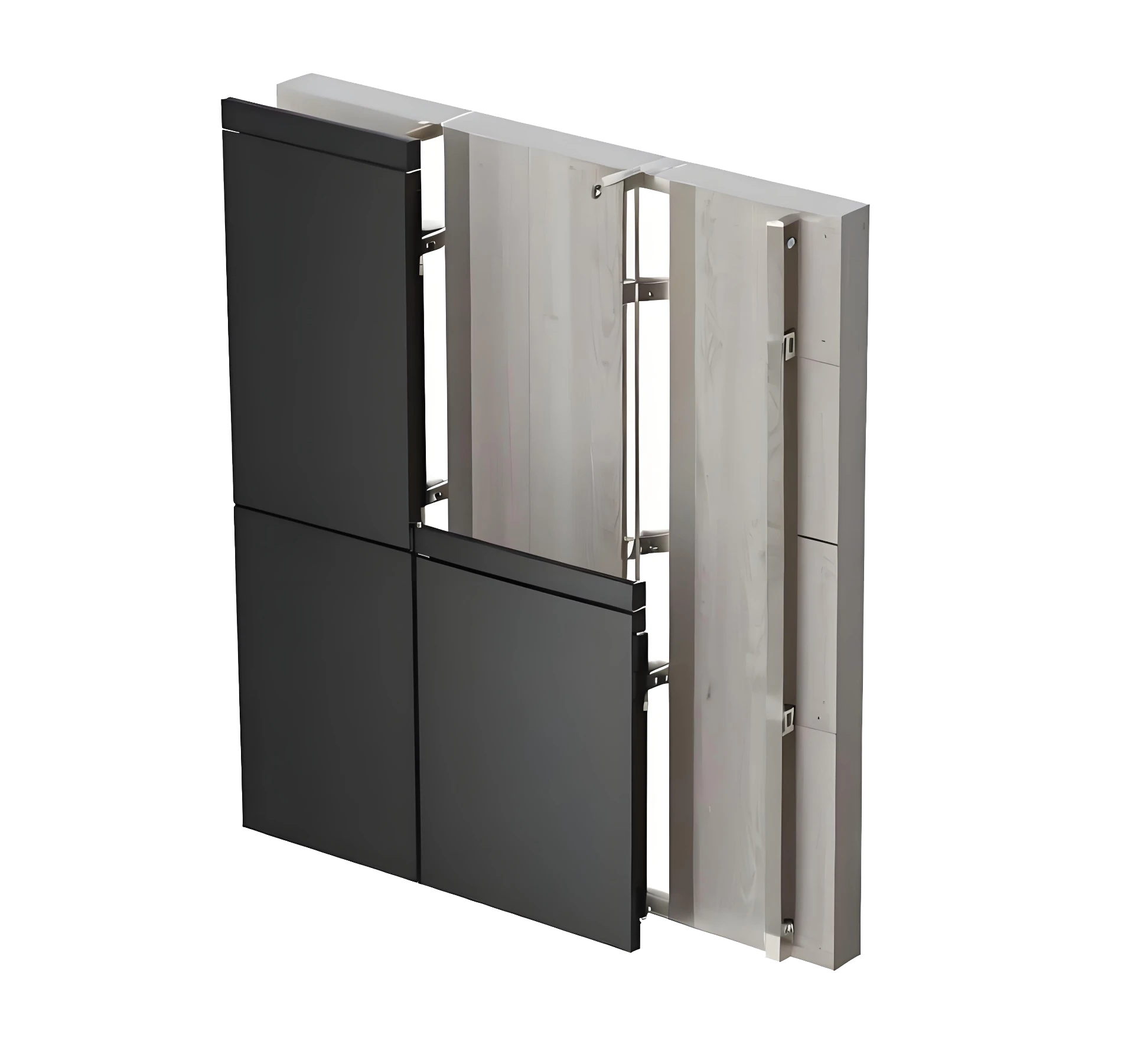

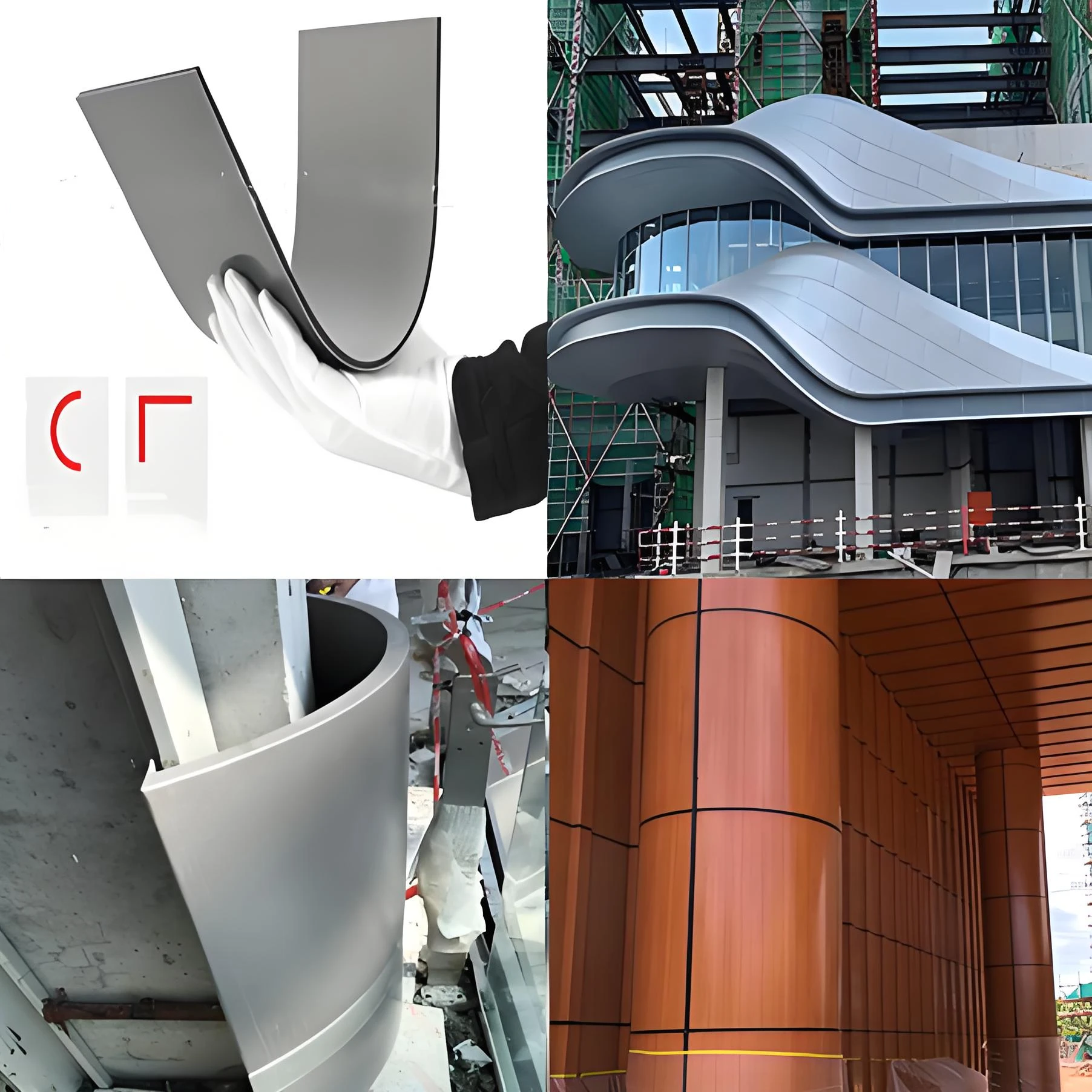
Yemen's architectural landscape is currently undergoing a transition where traditional stone and mud-brick structures are being augmented by modern materials. The demand for acm panel systems has surged due to the need for lightweight, fast-installing facades that can protect buildings from the harsh desert winds and sand abrasion prevalent in regions like Sana'a and Aden.
Climate resilience is the primary driver in the local market. The extreme thermal expansion caused by Yemen's diurnal temperature swings requires materials with low thermal conductivity. Consequently, high-grade aluminum sheets are increasingly specified to reduce energy consumption for cooling in commercial complexes.
Despite economic challenges, there is a visible shift toward standardized building codes. This has led to a rigorous selection process for clad panels, moving away from generic imports toward certified materials that offer fire-retardant properties and superior corrosion resistance against coastal humidity.