
since 2003 Professional Aluminum Composite Panel Manufacturer
en

High-Performance Alupanels Solutions for Libya's Modern Architecture

Advanced cladding systems engineered to withstand extreme Saharan climates and urban expansion in Libya.

High-Performance Alupanels Solutions for Libya's Modern Architecture

Integrating superior thermal insulation and structural durability to meet the demanding building standards of the Libyan construction sector.

The State of Cladding Manufacturing in Libya

Analyzing the intersection of desert environmental challenges and urban reconstruction.

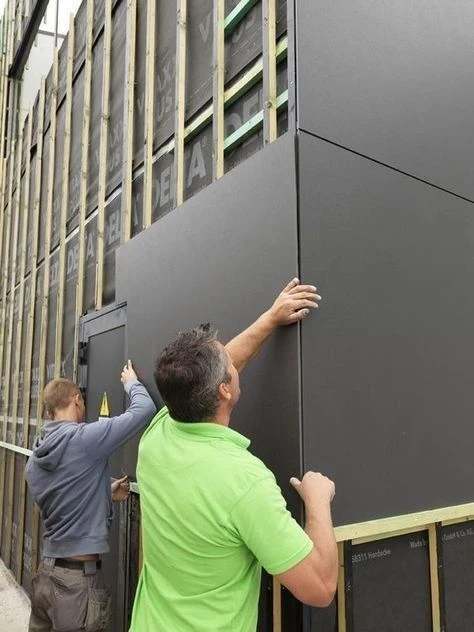
The construction landscape in Libya is currently defined by a critical need for durable materials that can resist high UV radiation and saline air from the Mediterranean coast. The adoption of acm panel systems has surged as the region shifts from traditional concrete facades to lightweight, energy-efficient envelopes.

Economic revitalization in cities like Tripoli and Benghazi has increased the demand for metal panels that offer both aesthetic flexibility and rapid installation. Local contractors are increasingly prioritizing materials that reduce thermal bridging to lower air conditioning costs during peak summer temperatures.

However, the industry faces challenges regarding the consistency of material quality. The shift toward certified clad panels indicates a growing market awareness of fire safety ratings and long-term warranty requirements for public infrastructure projects.
Evolution of Façade Technology in the Libyan Market

From basic metal sheets to intelligent composite systems.

Market Development History

In the late 20th century, the Libyan market relied heavily on basic aluminum sheets for industrial roofing and simple signage, with little focus on thermal performance or architectural versatility.

Between 2005 and 2015, the introduction of early composite technologies saw the rise of basic aluminum cladding. This period marked a transition where architects began implementing modular systems to speed up the reconstruction of commercial hubs.

From 2018 to the present, there has been a technological leap toward high-density mineral cores and PVDF coatings, ensuring that modern panels can withstand the abrasive sandstorms and extreme temperature fluctuations characteristic of the region.

Future Development Trends

Thermal Optimization

Integration of aerogel-infused cores to maximize R-values in extreme heat.

Sustainable Sourcing

A move toward recycled aluminum substrates to meet new green building certifications in North Africa.

Smart Façade Integration

Combination of composite panels with integrated BIPV (Building Integrated Photovoltaics) to harness Libya's immense solar potential.

Industry Trends and Future Outlook for Libya

Projecting the trajectory of architectural metal materials.

Climate-Resilient Coatings
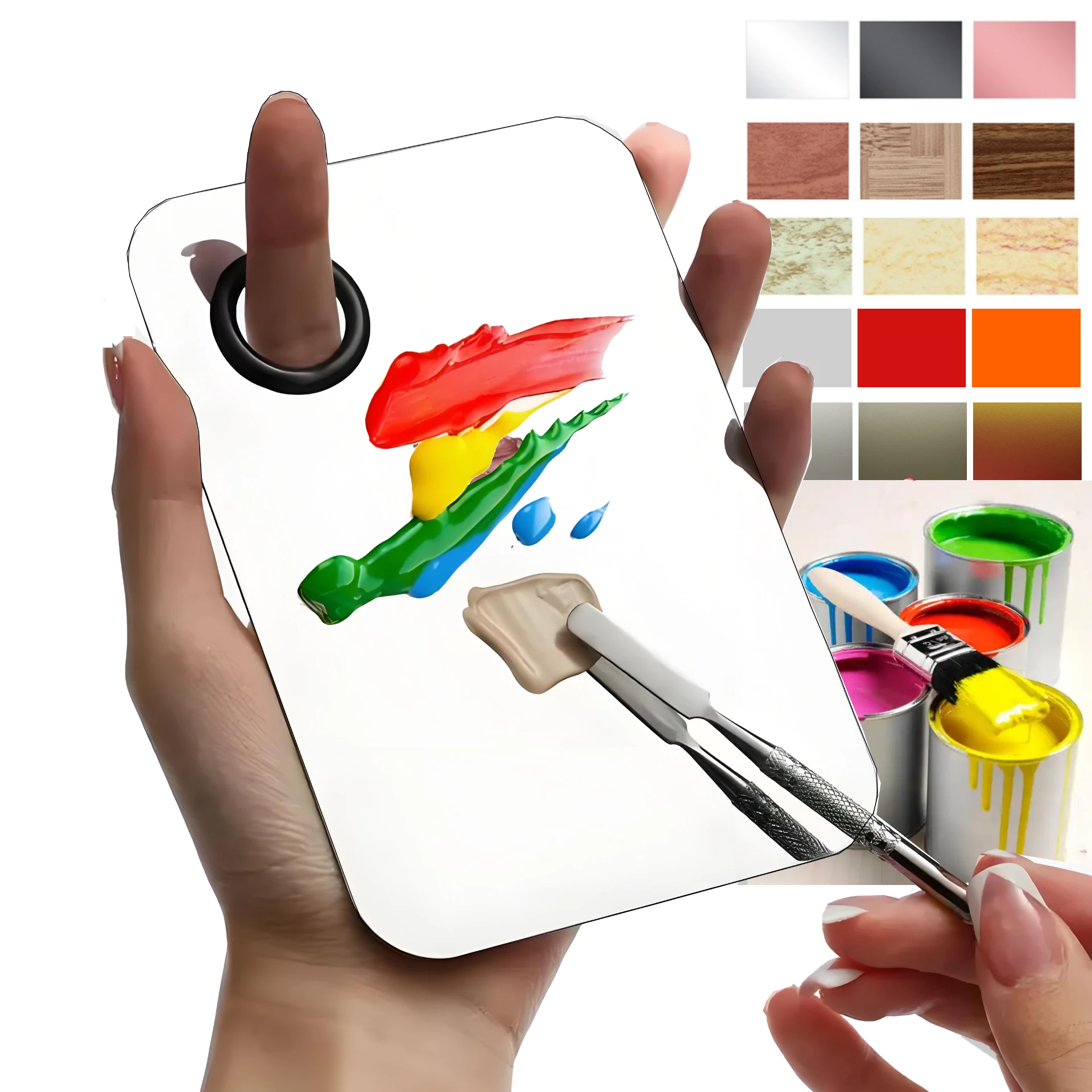
Increased demand for ultra-durable PVDF coatings that resist fading under intense Saharan UV exposure.
Fire-Rated Core Tech
Shift towards A2 non-combustible mineral cores to satisfy stricter safety codes in public buildings.
Modular Installation
Adoption of prefabricated panel systems to reduce onsite labor and construction time.
Aesthetic Diversification
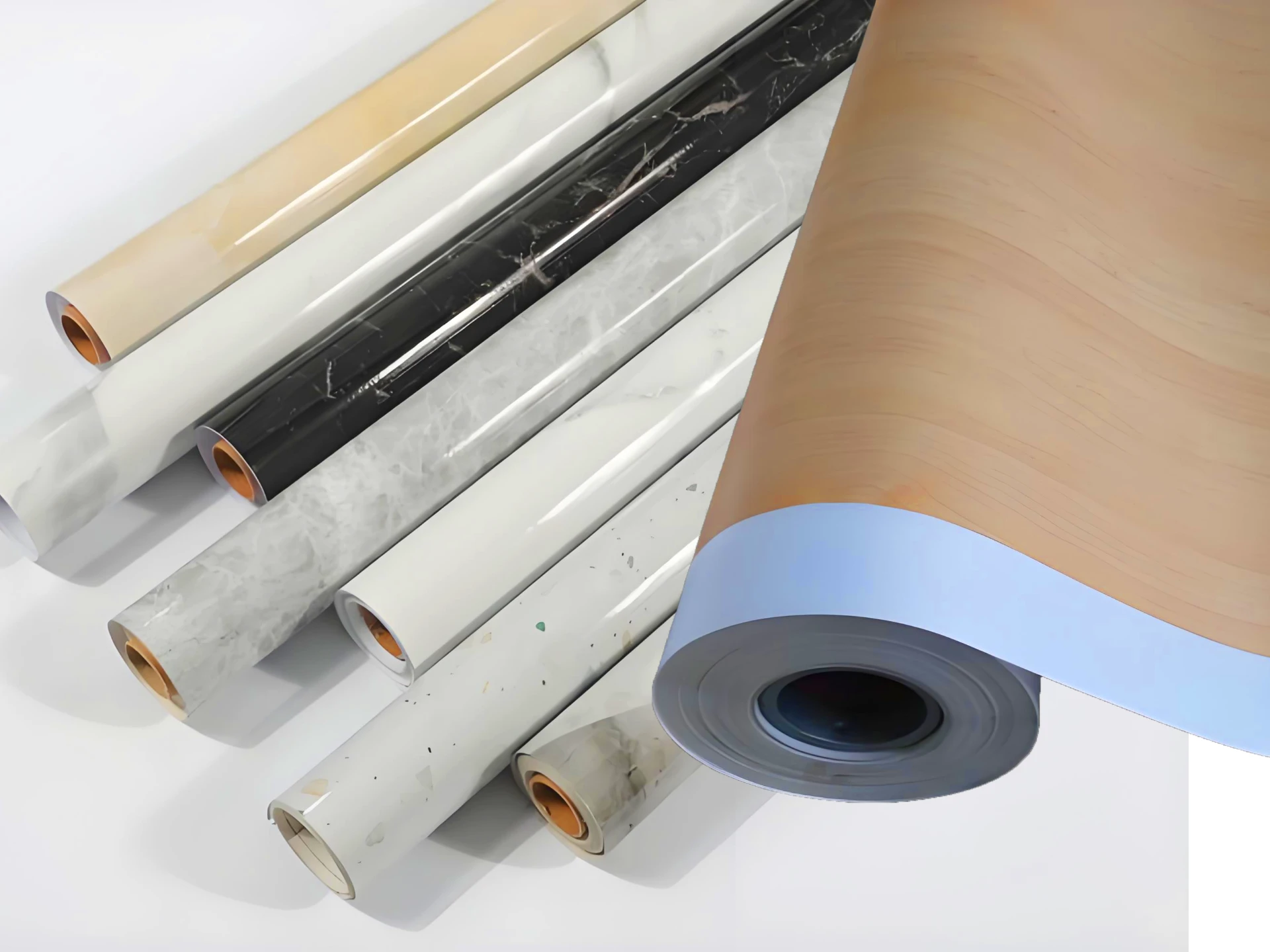
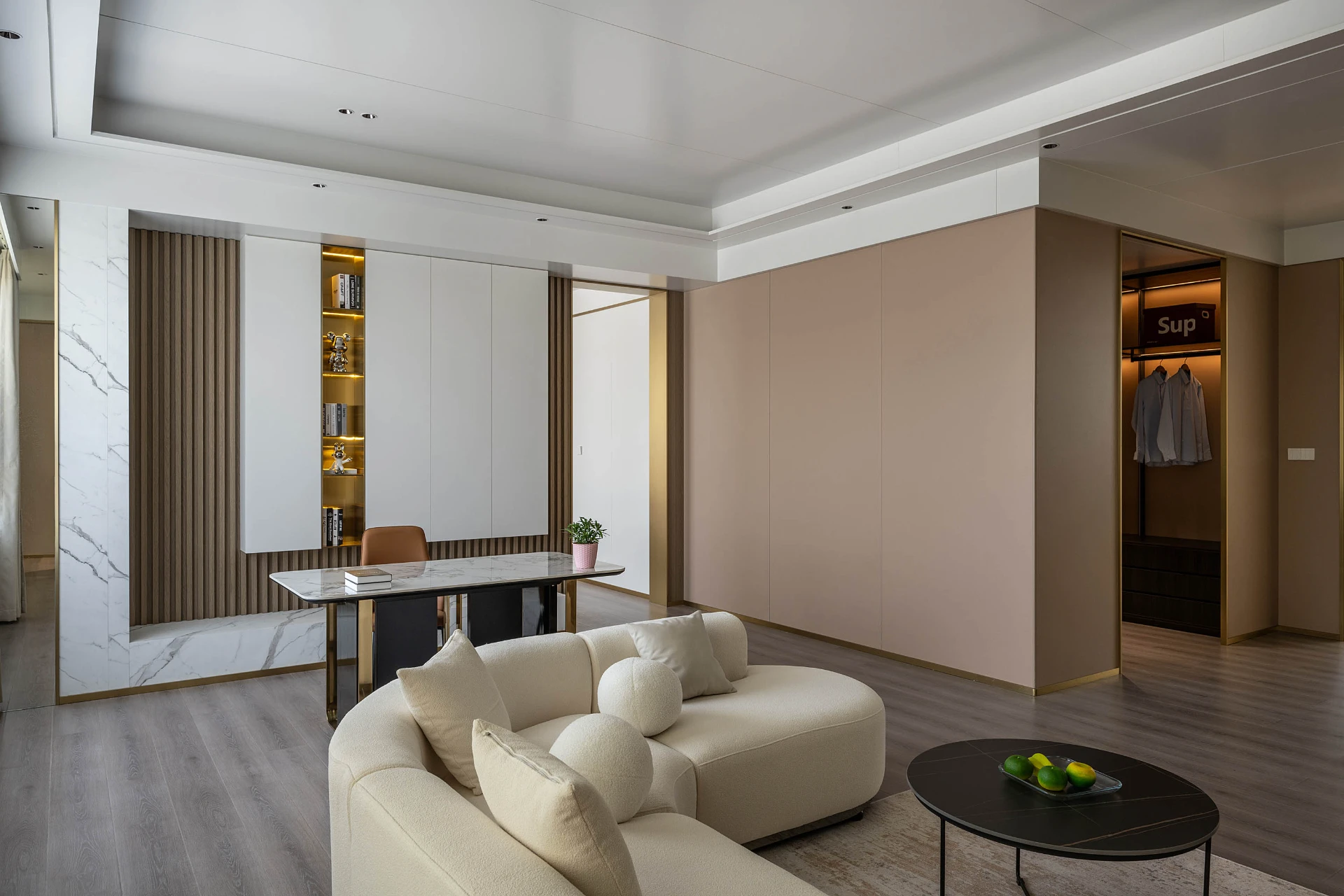
Growing preference for wood-grain and marble-effect composites for luxury retail interiors.

Industry Outlook

Based on Google search trends for "sustainable architecture Africa," there is a significant uptick in demand for low-carbon building materials. We expect Libya to lead the regional shift toward ventilated facade systems that naturally regulate indoor temperatures.

The next 3-5 years will likely see the integration of IoT sensors within cladding systems to monitor structural health and thermal leakage, particularly in large-scale government infrastructure projects.

Localized Application Scenarios in Libya

Tailored cladding solutions for diverse Libyan environments.

1. Tripoli Corporate Waterfronts

Utilization of high-gloss metallic finishes to create modern corporate identities while resisting the corrosive effects of sea salt spray.

2. Benghazi Commercial Hubs

Implementing fire-rated mineral cores for multi-story shopping complexes to ensure maximum safety and regulatory compliance.

3. Saharan Logistics Centers

Applying high-reflectivity white coatings to minimize heat absorption in warehouses located in deep desert regions.

4. Government Administrative Buildings

Using large-format panels to achieve a monolithic, prestigious appearance with minimal joint lines for architectural purity.

5. Urban Residential Renovations

Retrofitting older concrete apartments with lightweight cladding to improve thermal insulation and modernize facade aesthetics.

Brand Story

Global Development Journey of Foshan Jiashun Color Building Materials Co., Ltd.

Foundation and Precision

Established with a vision to solve the instability of cladding quality, we began by perfecting the bonding process of aluminum and core materials.

Technological Breakthroughs

We invested in advanced PVDF coating lines to solve the industry pain point of premature paint peeling in extreme climates.

Global Expansion

Expanding our footprint into North Africa, we tailored our products to meet the specific thermal and UV requirements of the Libyan market.

Quality Certification

Achieving international fire-safety and environmental certifications to provide peace of mind for global architects.

Future Vision

Continuing to innovate sustainable cladding solutions that harmonize architectural beauty with environmental responsibility.

Complete Cladding Portfolio for the Libyan Market

From industrial-grade sheets to luxury architectural panels.

Common Questions Regarding Cladding in Libya

Technical guidance for local developers and architects.

How do acm panel systems handle extreme heat in Libya?

Our panels use high-grade PVDF coatings that reflect infrared radiation and a core designed for thermal expansion, preventing warping in temperatures exceeding 45°C.

Are your metal panels resistant to coastal salt corrosion?

Yes, our aluminum alloys are treated with a specialized pretreatment layer that provides a superior barrier against saline air, ideal for Tripoli's coastline.

What is the fire rating of alupanels used in public buildings?

We offer A2-rated mineral core panels that meet international fire safety standards, ensuring minimal smoke emission and zero flame spread.

Can aluminum sheets be customized for specific architectural designs?

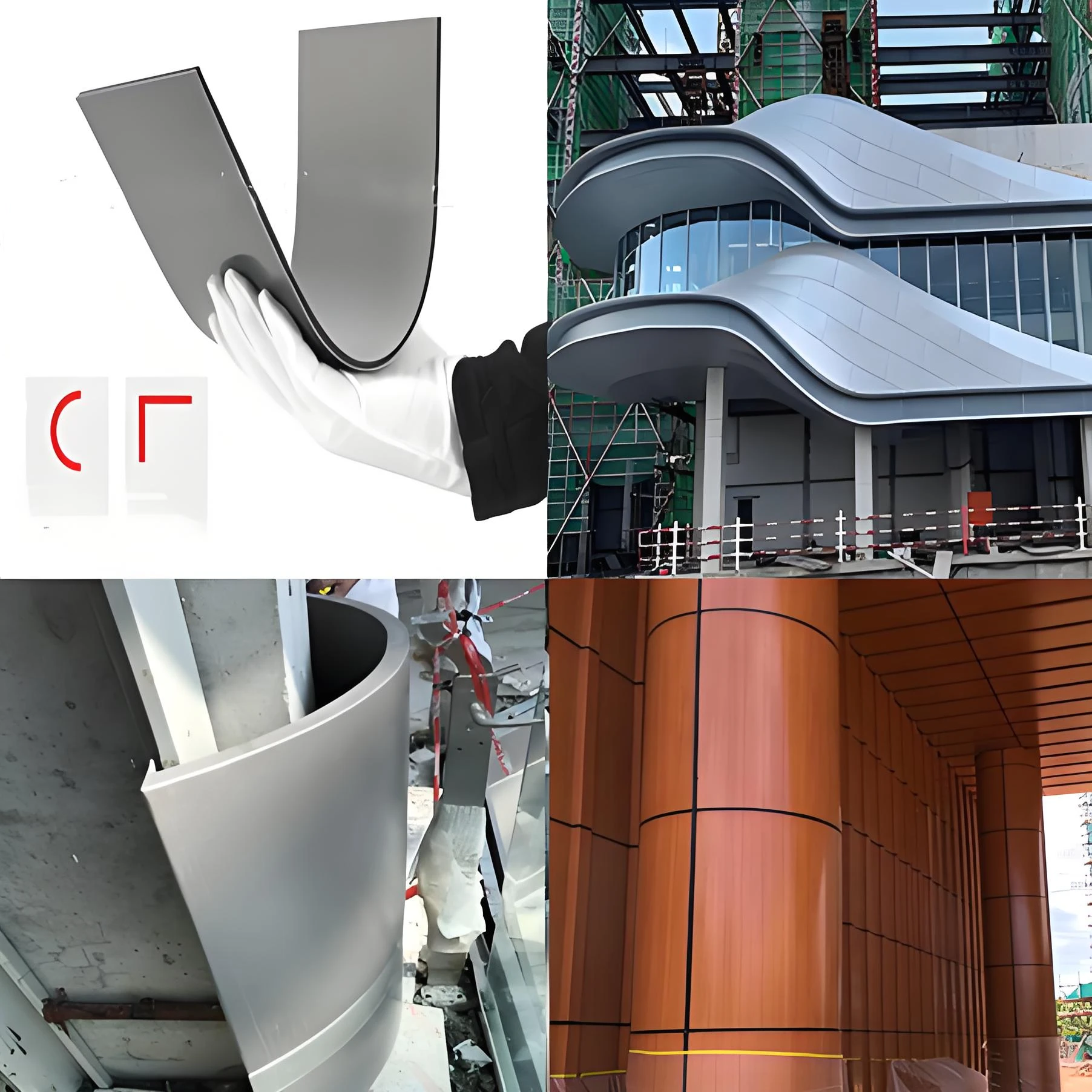
Absolutely. We provide precision CNC routing and folding services to create complex 3D geometries and custom patterns for unique Libyan landmarks.

What is the expected lifespan of clad panels in desert environments?

With our premium PVDF finish, the panels are designed to maintain color integrity and structural stability for 15 to 20 years without significant degradation.

How do I choose the right thickness for my project?

Thickness depends on the wind load and span. We generally recommend 4mm for standard facades and 6mm for high-wind areas or large-scale corporate structures.

Get Expert Cladding Advice

Contact our technical team today for customized facade solutions tailored for the environment of Libya.

Contact Us Now
3_1727076783288

Are you interested?
Get a free quote now!

r_wx.png
Wechat Code
r_tel.png
r_email.png
r_frame.png
r_up.png
f_frame.pngSend Inquiry f_btn2.pngE-mail f_btn3.pngWhatsapp Frame.pngFacebook f_btn4.png

If you are interested in our products, you can choose to leave your information here, and we will be in touch with you shortly.