
since 2003 Professional Aluminum Composite Panel Manufacturer
en

Premium Alupanels Solutions for Japan's Modern Architecture

Engineering high-performance facade systems tailored for Japan's seismic requirements and urban aesthetic standards.

Premium Alupanels Solutions for Japan's Modern Architecture

Providing cutting-edge architectural cladding that combines Japanese precision with world-class durability and sustainability.

Market Dynamics of Metal Cladding in Japan

Analyzing the intersection of seismic safety and aesthetic minimalism in the Japanese construction sector.

In Japan, the demand for acm panel systems is driven by a rigorous commitment to earthquake resilience and fire safety. The architectural landscape in cities like Tokyo and Osaka necessitates materials that are not only lightweight to reduce structural load during seismic events but also highly durable against coastal salt spray and humidity.

Current trends show a strong preference for matte finishes and neutral tones, reflecting the "Zen" minimalist philosophy. However, the industry is facing a transition as older concrete structures are being retrofitted with modern metal panels to improve thermal efficiency and urban visual harmony.

Moreover, the Japanese market is increasingly strict regarding VOC emissions and LEED certification, pushing manufacturers to innovate in the chemical composition of the cores used in clad panels to meet stringent environmental laws.
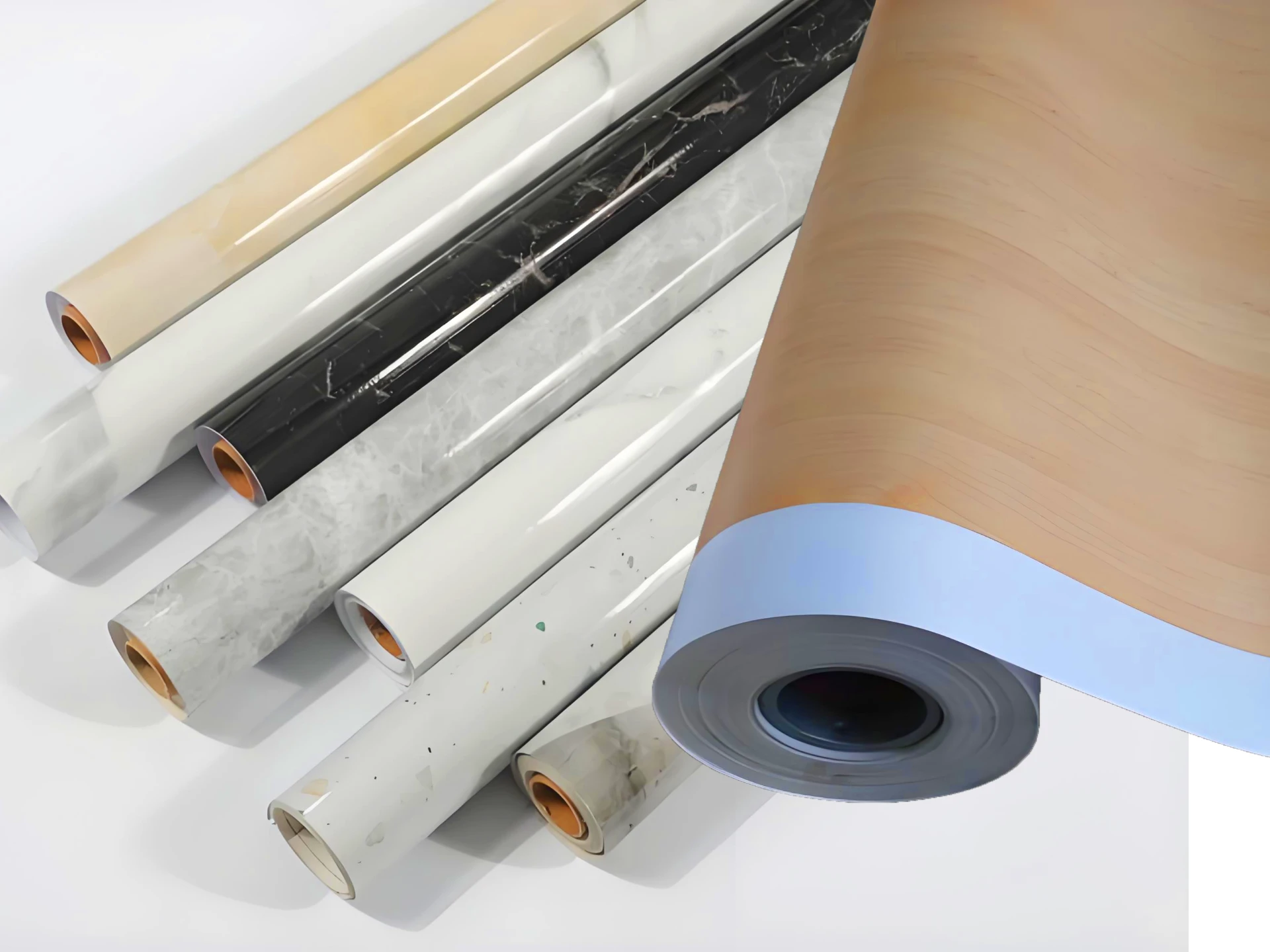
Evolution and Trajectory of Architectural Panels

From traditional heavy metals to advanced composite engineering.

Market Development History

During the 1980s and 1990s, the Japanese market relied heavily on solid aluminum sheets. While durable, these were heavy and limited in thermal performance, often requiring complex internal support structures.

Around 2005, the shift toward Aluminum Composite Materials (ACM) accelerated. The introduction of fire-rated mineral cores allowed for taller skyscrapers in dense urban areas, meeting the revised Fire Service Act of Japan.

By 2015, the focus shifted toward "Smart Facades." Integration of high-performance PVDF coatings became standard to combat the high UV exposure and acid rain found in industrial zones across Honshu.

Future Development Trends

Carbon-Neutral Material Integration

Integration of recycled aluminum and bio-based cores to align with Japan's 2050 carbon neutrality goal.

Seismic-Adaptive Mounting Systems

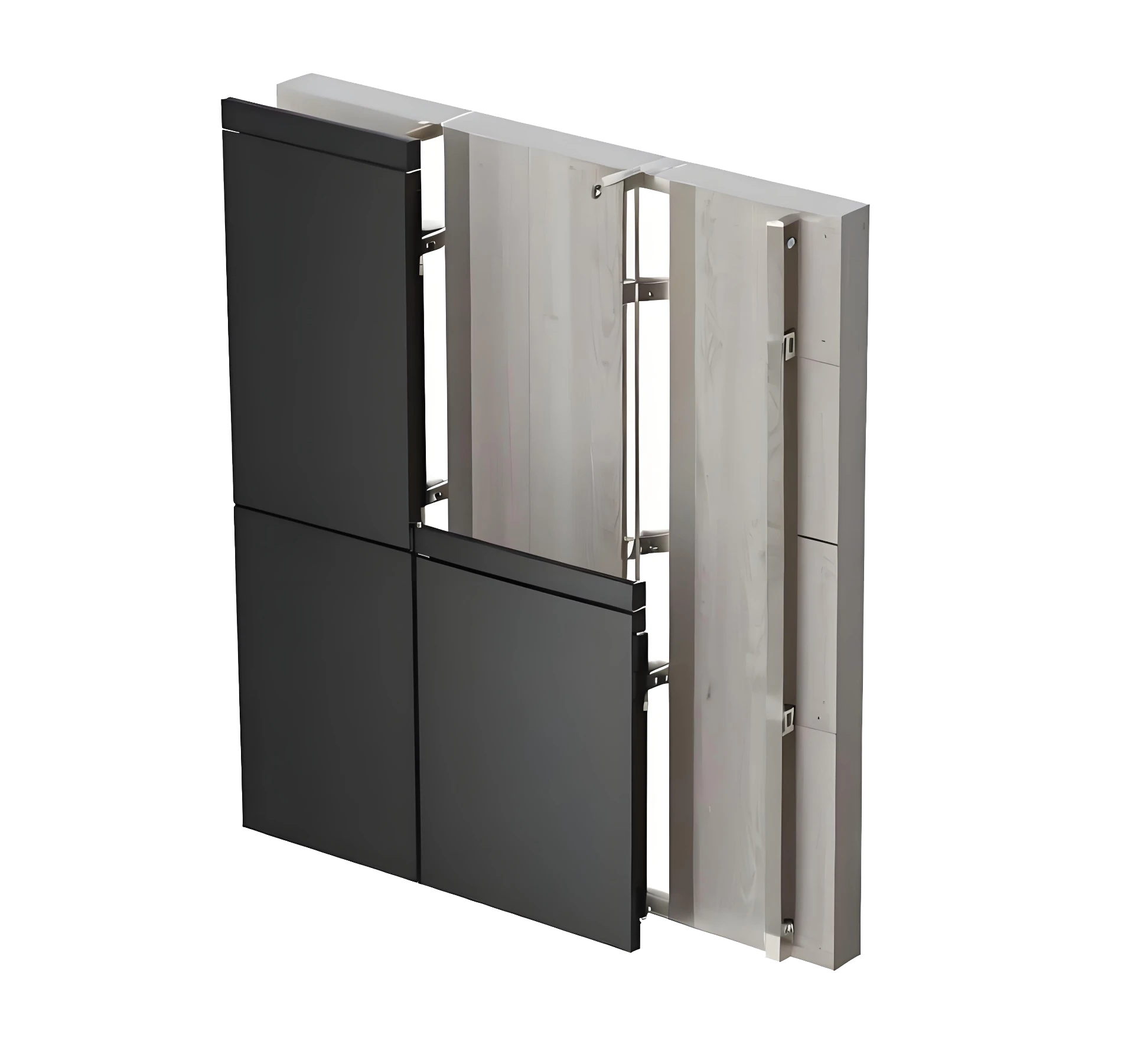
Development of floating clip systems that allow clad panels to shift slightly without buckling during tremors.

Self-Cleaning Nanotechnology

Implementation of photocatalytic coatings that use sunlight to break down pollutants, reducing maintenance costs for high-rise buildings.

Future Outlook for Building Envelopes

Strategizing for the next generation of non-metallic mineral and metal composites.

Zero-Emission Production
Adopting green smelting processes to reduce the embodied carbon of aluminum substrates.
BIM-Integrated Design
Full digital twin compatibility for precise prefabricated cutting and zero-waste installation.
Hyper-Insulated Cores
New mineral-based cores offering superior R-values to reduce HVAC energy in Japanese winters.
Adaptive Color Panels
Smart coatings that adjust thermal absorption based on ambient temperature.

Industry Outlook

Based on Google search trend data, there is a significant rise in queries regarding "sustainable facade materials" and "seismic cladding" within the Asia-Pacific region. This indicates that Japanese architects are moving away from purely aesthetic choices toward functional, life-cycle oriented solutions.

We expect the market to consolidate around manufacturers who can provide certified fire-proof and recyclable composite systems, as governmental regulations on building safety continue to tighten across all Japanese prefectures.

Localized Application Scenarios in Japan

Real-world deployments of high-performance metal cladding in diverse Japanese environments.

1. Tokyo High-Rise Corporate Facades

Utilizing high-grade ACM systems to create sleek, reflective surfaces that minimize urban heat island effects while adhering to strict fire safety codes for skyscrapers.

2. Kyoto Traditional-Modern Hybrid Renovations

Implementing matte-finished metal panels that mimic traditional textures, providing a seamless blend between ancient Machiya aesthetics and modern durability.

3. Hokkaido Cold-Climate Industrial Warehouses

Deploying thick-core insulated panels to ensure thermal retention and prevent condensation in extreme sub-zero temperatures.

4. Okinawa Coastal Resort Cladding

Using advanced marine-grade coatings on aluminum sheets to prevent corrosion from high salinity and intense tropical UV radiation.

5. Nagoya Transit Hub Infrastructure

Installing high-impact resistant panels in subway stations and airports to withstand heavy foot traffic and facilitate rapid maintenance.

Brand Story

Global Development Journey of Foshan Jashun Color Building Materials Co., Ltd.

Foundational Excellence

Established with a vision to solve the instability of early composite panels, focusing on superior bonding technology between aluminum and core materials.

Technological Breakthrough

Pioneered the use of high-density mineral cores to solve the critical pain point of fire propagation in high-rise building envelopes.

Global Market Expansion

Expanded operational reach into the Asia-Pacific market, adapting production lines to meet the precise quality standards of Japanese engineering.

Sustainability Pivot

Invested in closed-loop recycling systems to ensure that every panel produced contributes to a circular economy in construction.

Industry Leadership

Currently recognized as a premier provider of architectural solutions, solving complex cladding challenges for the world's most demanding urban environments.

Complete Architectural Product Portfolio for Japan

A comprehensive range of certified materials designed for the Japanese construction ecosystem.

Frequently Asked Questions - Japan Market

Expert answers to common technical queries regarding metal composite installations in Japan.

How do your ACM panels comply with Japanese fire safety regulations?

Our panels utilize an inorganic mineral-filled core that is specifically engineered to meet non-combustible and flame-retardant standards required by Japanese building codes.

Can these metal panels withstand high seismic activity?

Yes, our panels are lightweight and designed for use with flexible mounting systems, reducing the inertial force on the building structure during an earthquake.

What is the lifespan of aluminum sheets in coastal areas like Okinawa?

With our specialized PVDF and FEVE coatings, our panels are designed to resist salt spray and corrosion for 20+ years in extreme marine environments.

Are your alupanels compatible with BIM software for Japanese architects?

Absolutely. We provide detailed digital specifications and CAD/BIM compatible files to ensure precise integration into the architectural design phase.

How do you handle the thermal expansion of clad panels in varied climates?

We employ precise joint engineering and thermal expansion gaps based on the specific temperature gradients of the installation site, from Hokkaido to Kyushu.

What is the lead time for customized color panels for the Japan market?

Depending on the volume and color complexity, we typically offer a streamlined production cycle to meet the strict deadlines of Japanese construction schedules.

Request a Technical Consultation

Partner with the leading expert in high-performance architectural cladding for your next project in Japan.

Contact Us Now
3_1727076783288

Are you interested?
Get a free quote now!

r_wx.png
Wechat Code
r_tel.png
r_email.png
r_frame.png
r_up.png
f_frame.pngSend Inquiry f_btn2.pngE-mail f_btn3.pngWhatsapp Frame.pngFacebook f_btn4.png

If you are interested in our products, you can choose to leave your information here, and we will be in touch with you shortly.