
In Uruguay, the architectural sector is currently navigating a transition toward sustainable and low-maintenance materials. The high salinity and humidity levels of coastal cities like Montevideo and Punta del Este put immense pressure on traditional building envelopes, leading to an increased demand for high-grade metal panels that can resist oxidation and corrosive sea breezes.
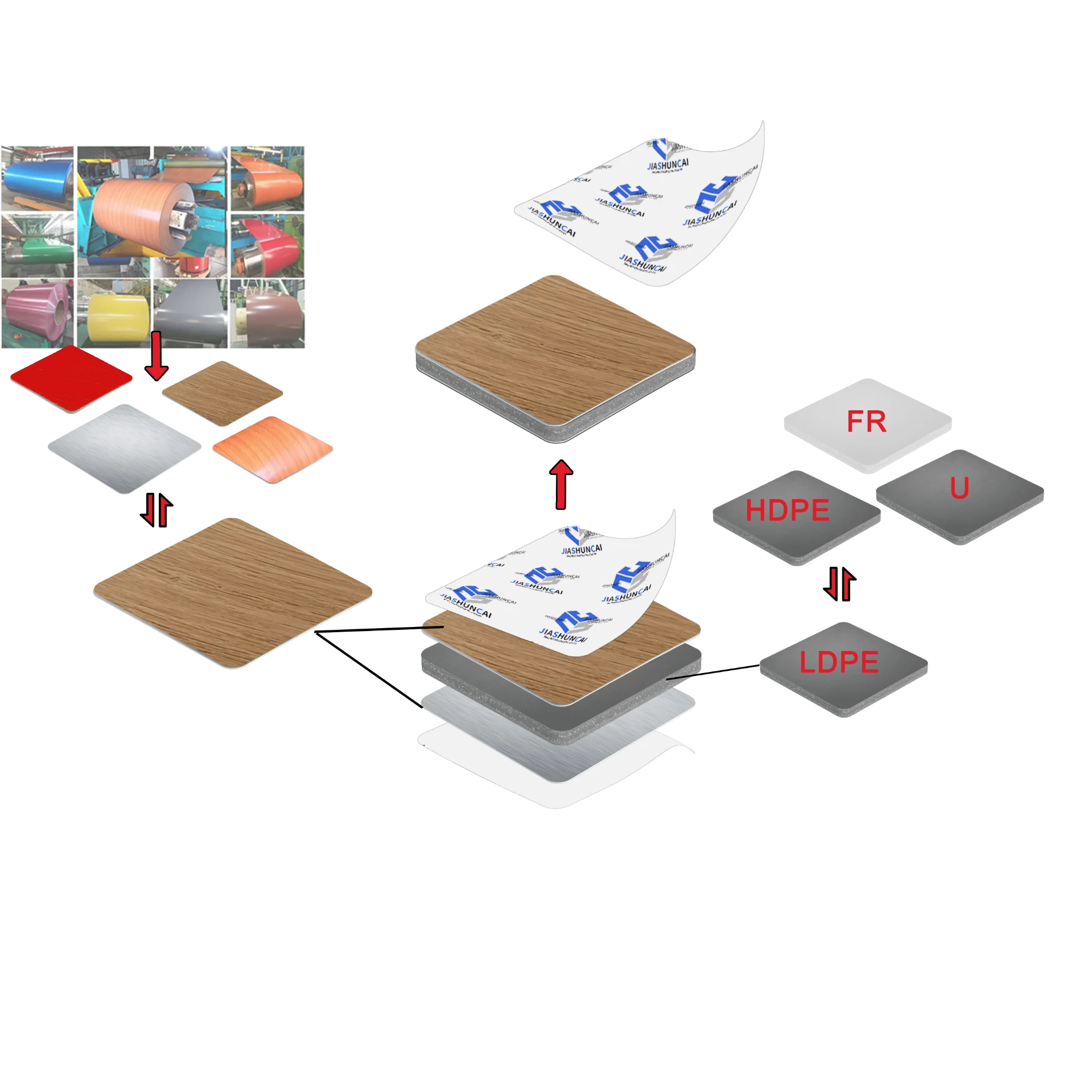
The local market is characterized by a growing preference for lightweight yet rigid materials. Traditional masonry is being replaced by clad panels to reduce the structural load of high-rise developments and to accelerate construction timelines in the rapidly expanding commercial districts.
Furthermore, the Uruguayan government's push for energy-efficient buildings has driven the adoption of composite materials. This shift emphasizes the need for panels that provide thermal insulation and reduce the carbon footprint of urban cooling systems during the humid summers.