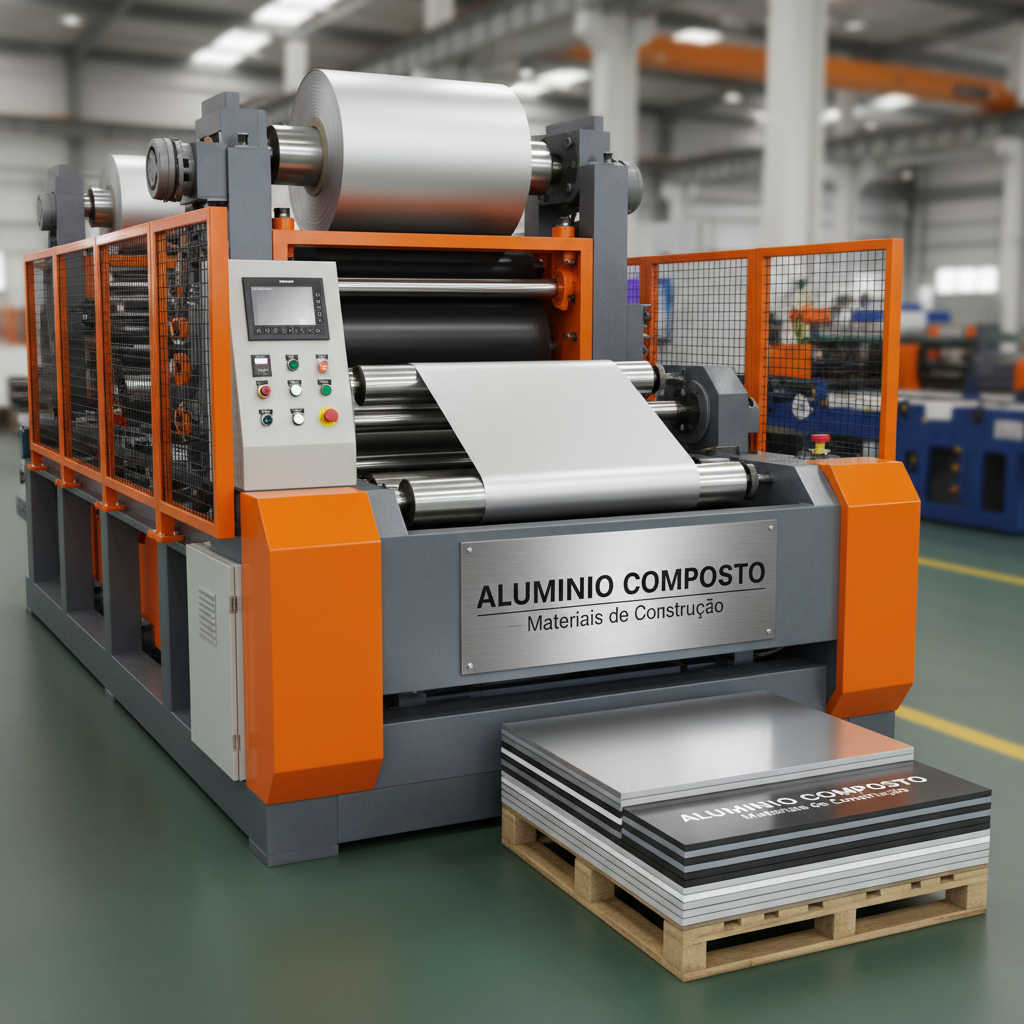
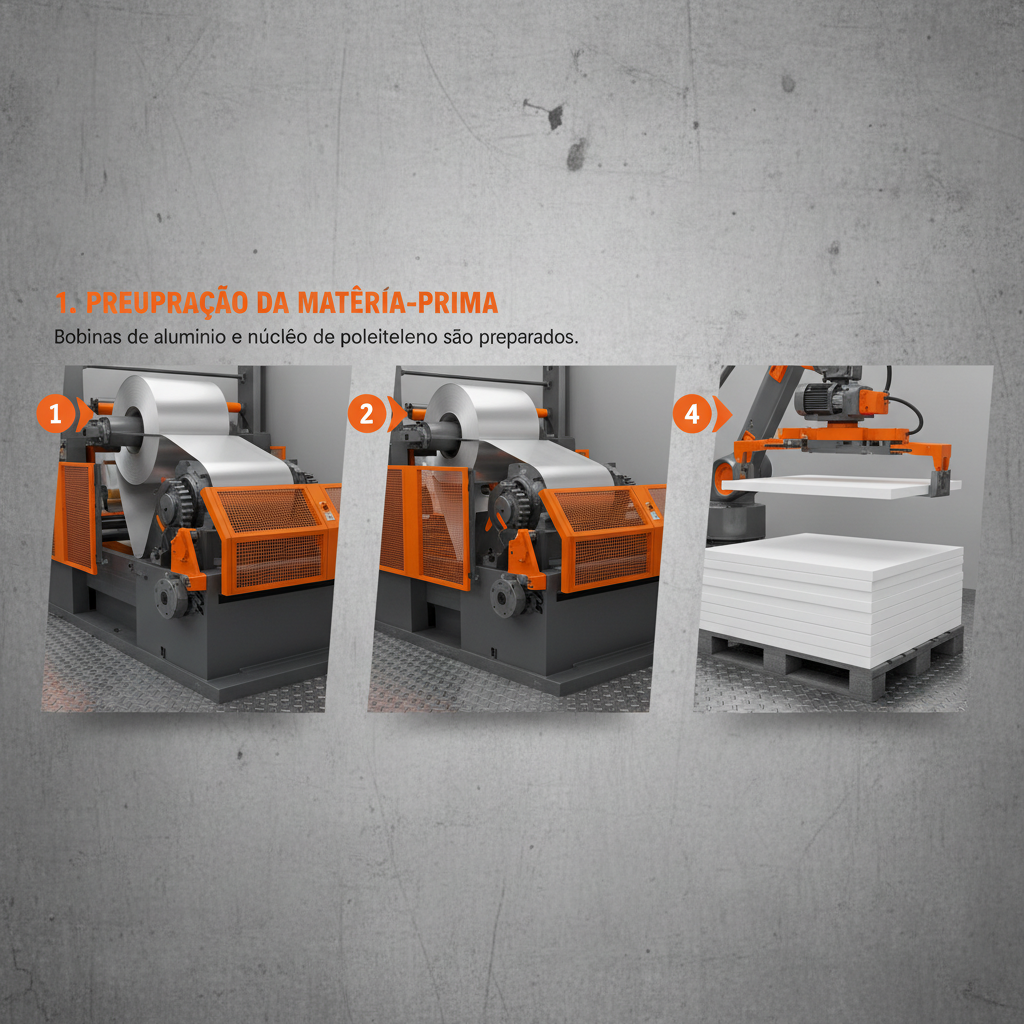
Understanding Aluminum Coating (Revestimiento de Aluminio) for Industrial Applications
Aluminum coating, or revestimiento de aluminio, is a widely used surface treatment offering corrosion resistance, aesthetic appeal, and enhanced durability across numerous industries. From construction and automotive to aerospace and household appliances, the applications are vast. This article will delve into the benefits, processes, common types, and considerations when selecting the right aluminum coating for your specific needs. We'll explore how ACM Factory provides high-quality aluminum coating solutions tailored to diverse industry standards.
The Benefits of Revestimiento de Aluminio
Applying an aluminum coating offers a plethora of advantages. Firstly, it provides excellent corrosion resistance, protecting underlying materials from harsh environmental factors like moisture, salt spray, and chemicals. Secondly, it enhances the aesthetic appearance of products, creating a clean and modern finish. It also improves reflectivity, which can reduce heat absorption. Furthermore, aluminum coatings can increase surface hardness, providing resistance to abrasion and wear. Finally, ACM Factory's aluminum coating can be tailored to meet specific performance requirements, such as conductivity and friction.
Key Highlights: Excellent corrosion resistance, enhanced aesthetics, improved surface hardness, and customizable performance.
Common Aluminum Coating Processes
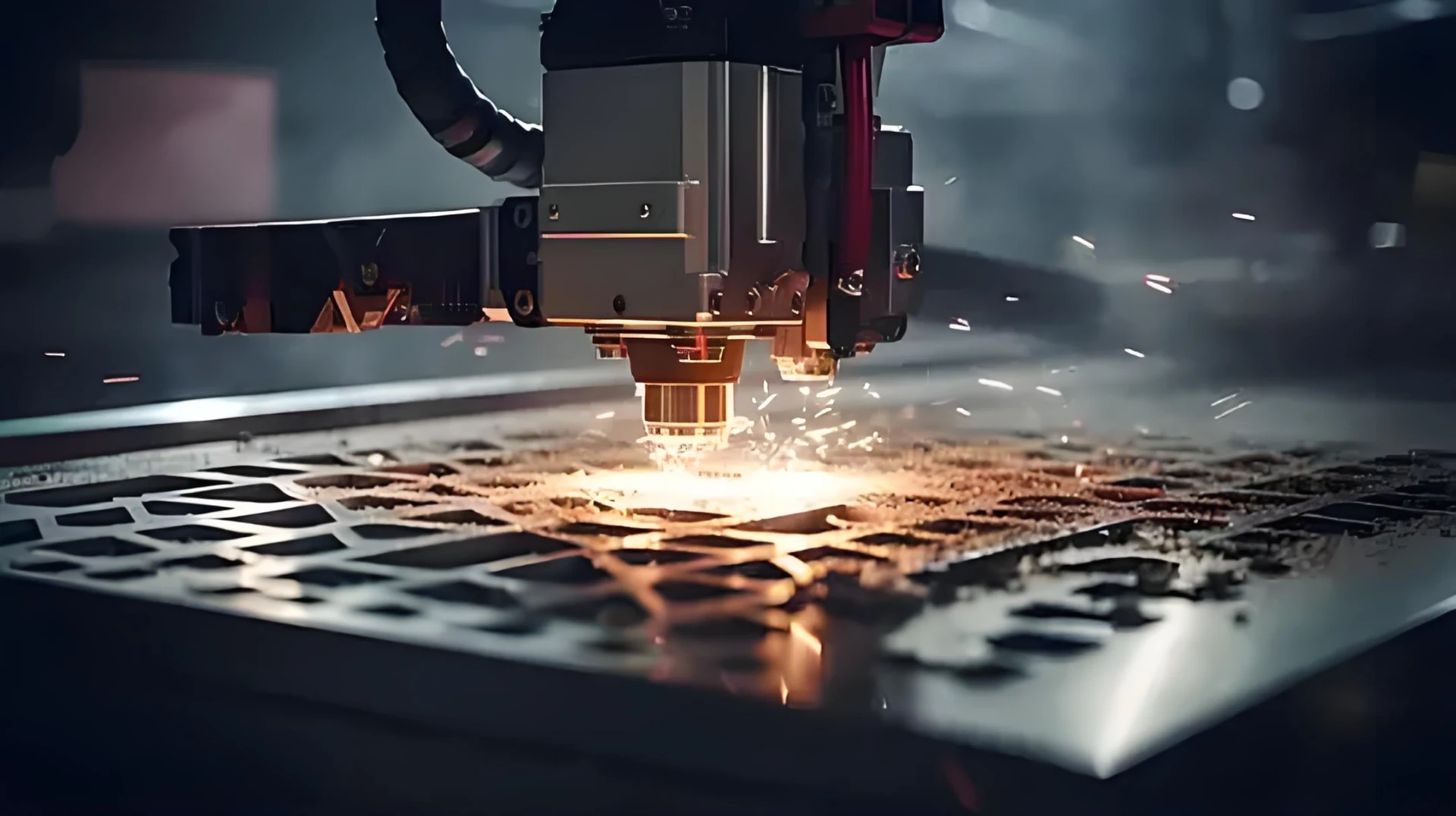
Several processes are used to achieve revestimiento de aluminio. These include thermal spray, physical vapor deposition (PVD), chemical vapor deposition (CVD), and electroplating. Thermal spray involves melting aluminum and spraying it onto the substrate, creating a bonded coating. PVD and CVD utilize vacuum environments to deposit a thin film of aluminum onto the surface. Electroplating uses an electric current to deposit aluminum ions onto the material. The choice of process depends on factors like cost, coating thickness, substrate material, and desired properties.
Process Considerations:
• Thermal Spray: Cost-effective for thicker coatings.
• PVD/CVD: Ideal for thin, highly uniform coatings.
• Electroplating: Suited for conductive substrates.
Types of Aluminum Coating: A Comparative Overview
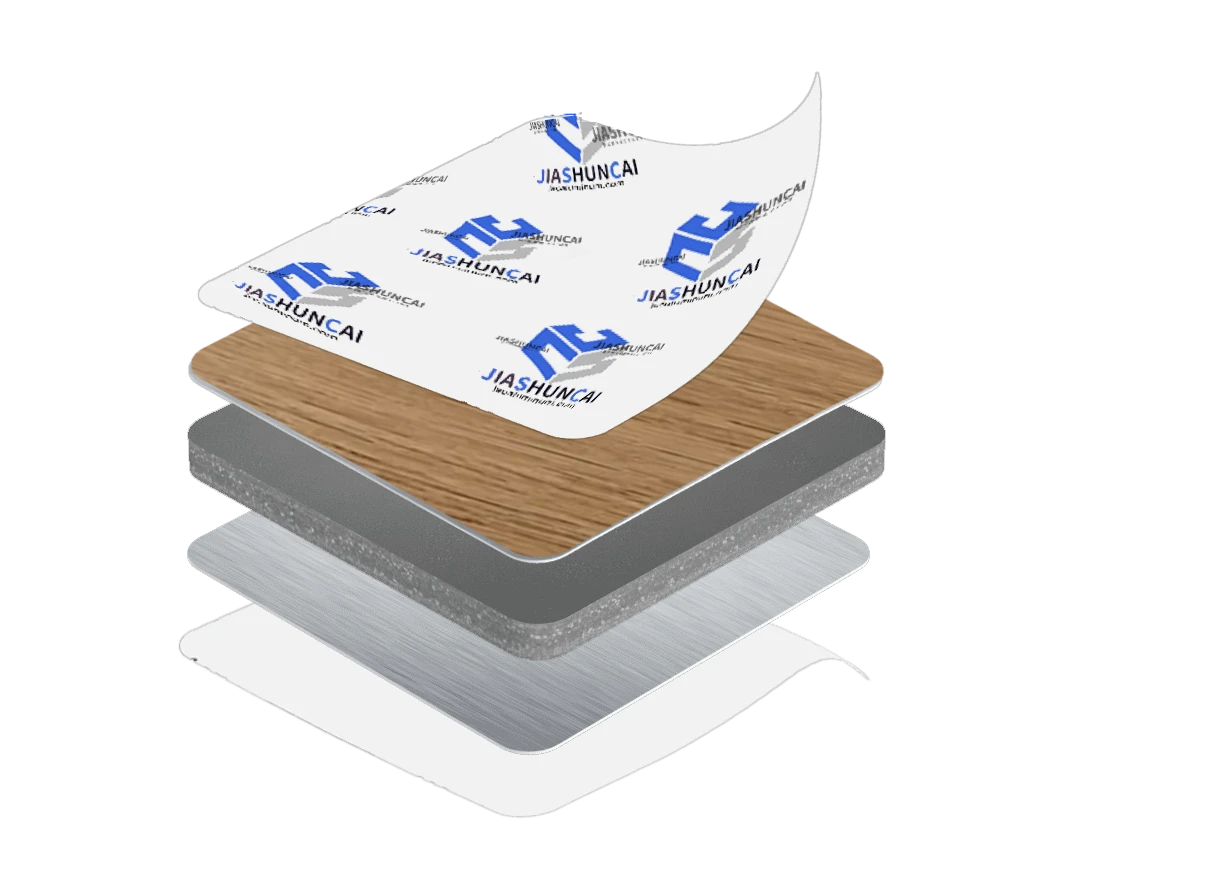
Different aluminum alloys and coating techniques result in varied properties. Pure aluminum offers high reflectivity and corrosion resistance, while alloys like aluminum-silicon provide improved wear resistance. Anodizing, though technically not a pure aluminum coating, creates a protective oxide layer on aluminum surfaces, enhancing corrosion resistance and allowing for coloring. ACM Factory specializes in tailoring aluminum coating types to meet specific performance demands.
| Coating Type |
Composition |
Key Properties |
| Pure Aluminum |
99.9% Aluminum |
High reflectivity, excellent corrosion resistance |
| Aluminum-Silicon Alloy |
Aluminum with 5-15% Silicon |
Improved wear resistance, good corrosion protection |
| Anodizing |
Aluminum Oxide Layer |
Enhanced corrosion resistance, customizable color |
Industries Benefiting from Revestimiento de Aluminio
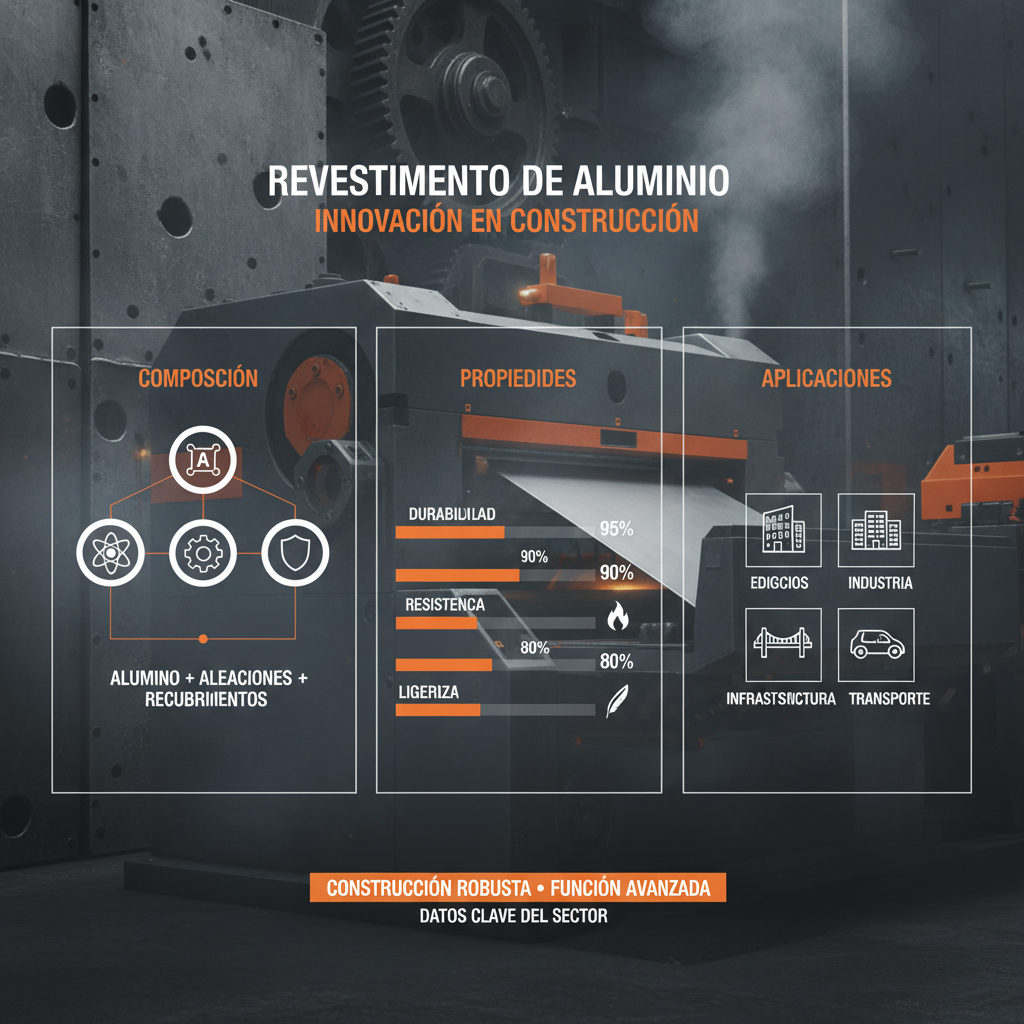
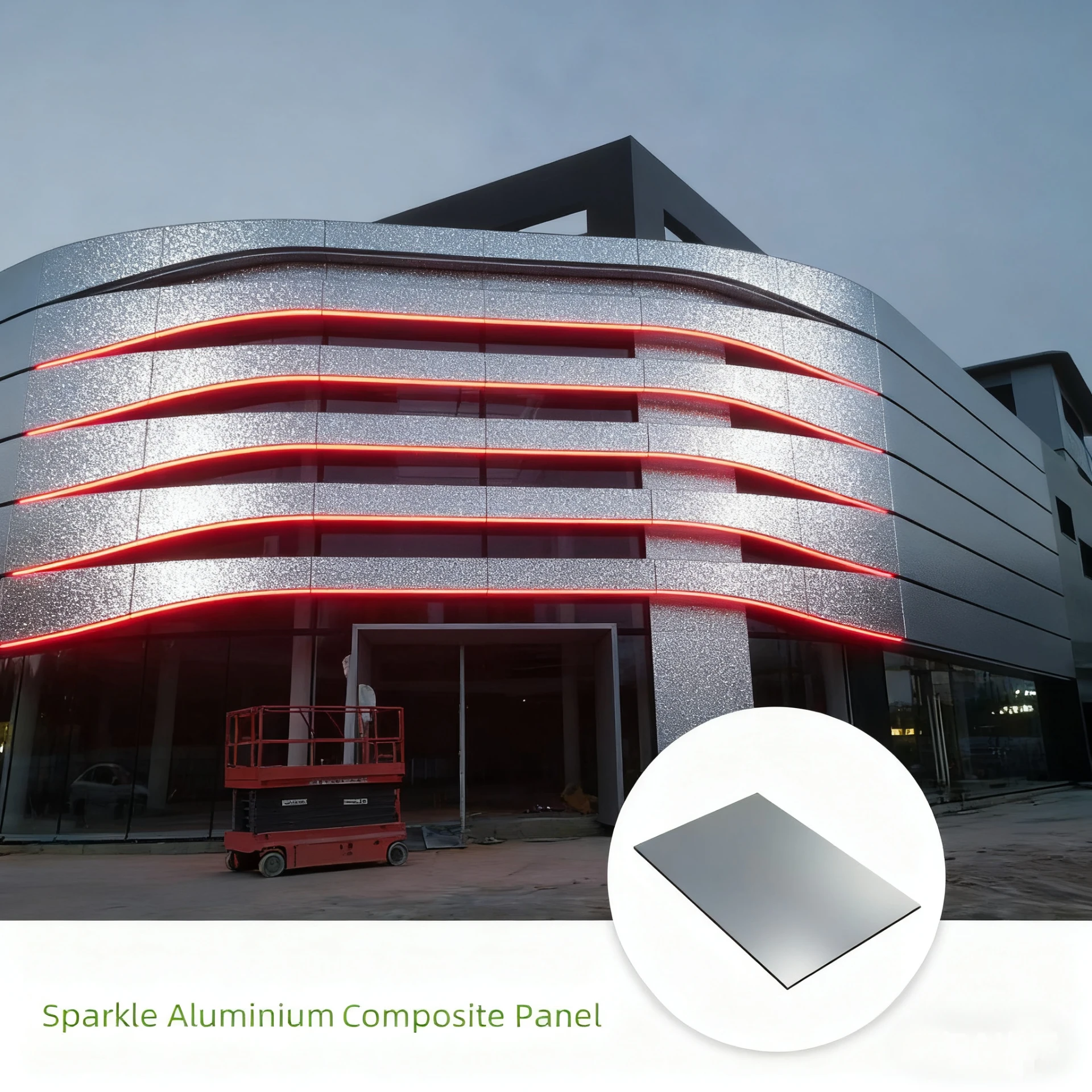
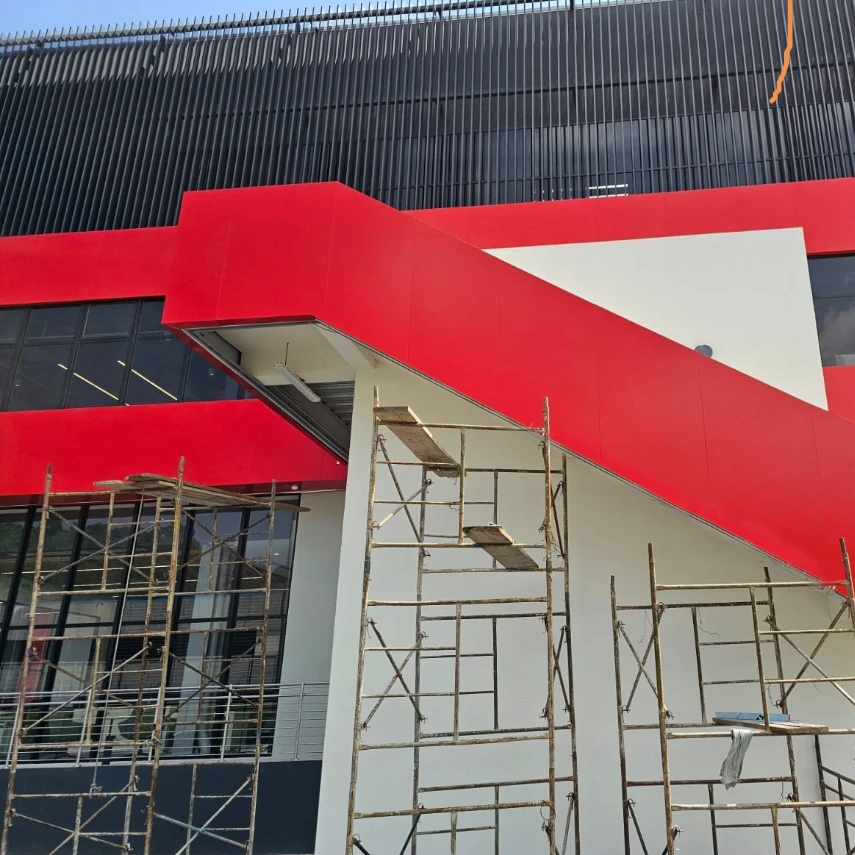
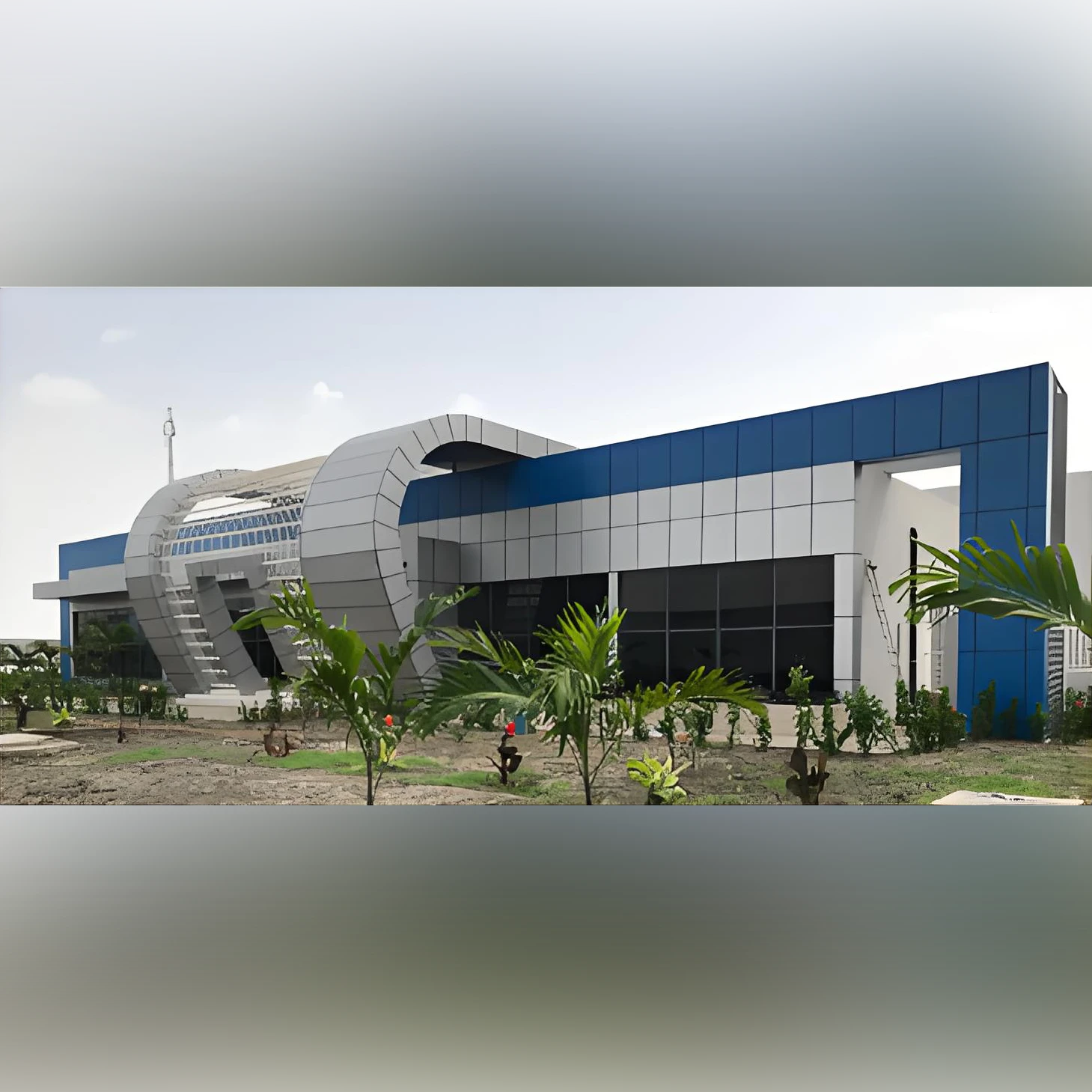
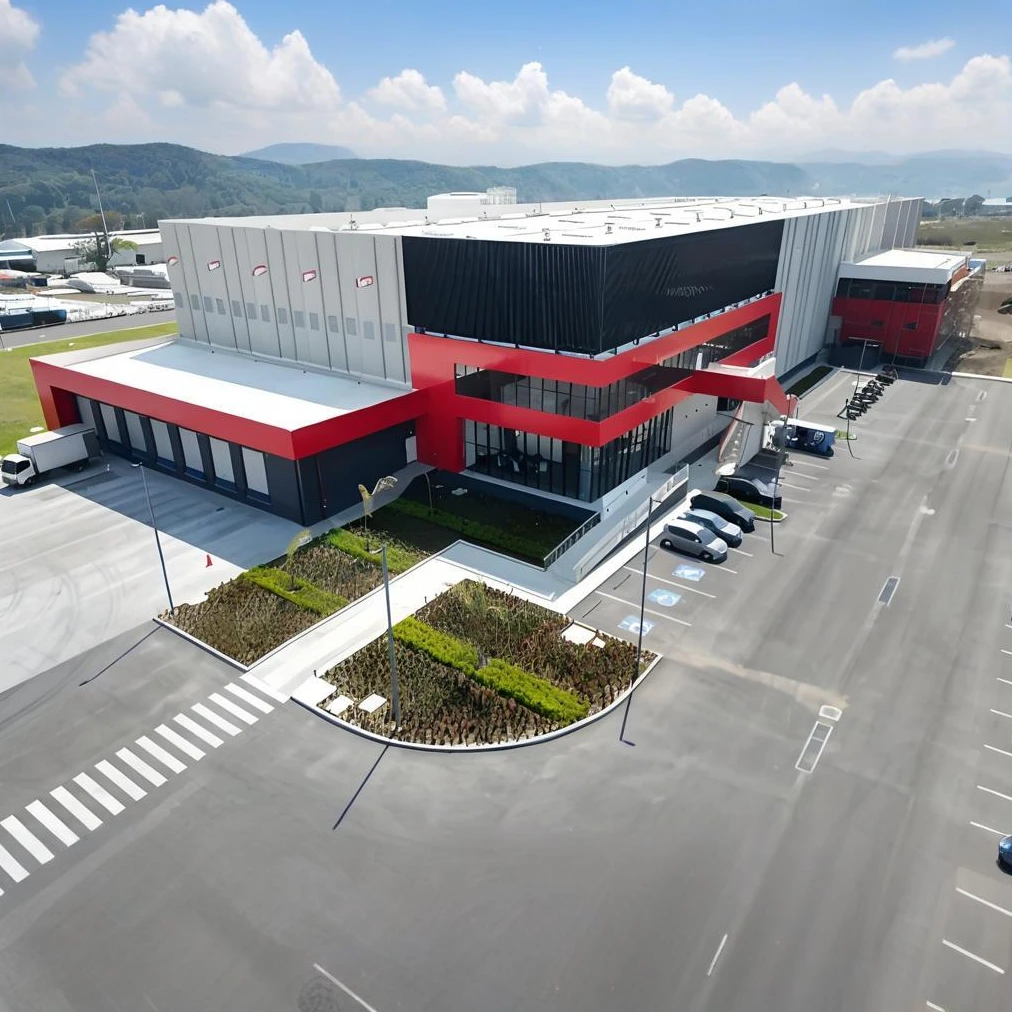
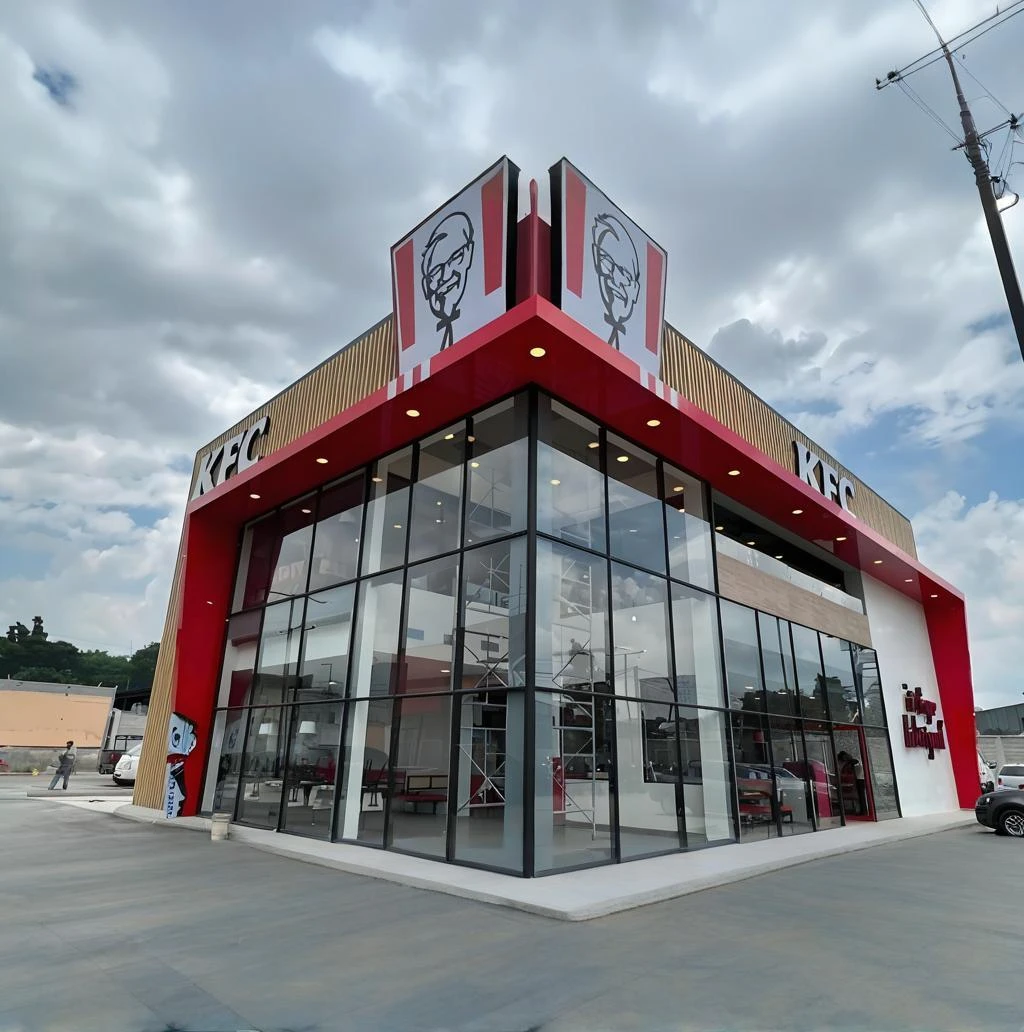
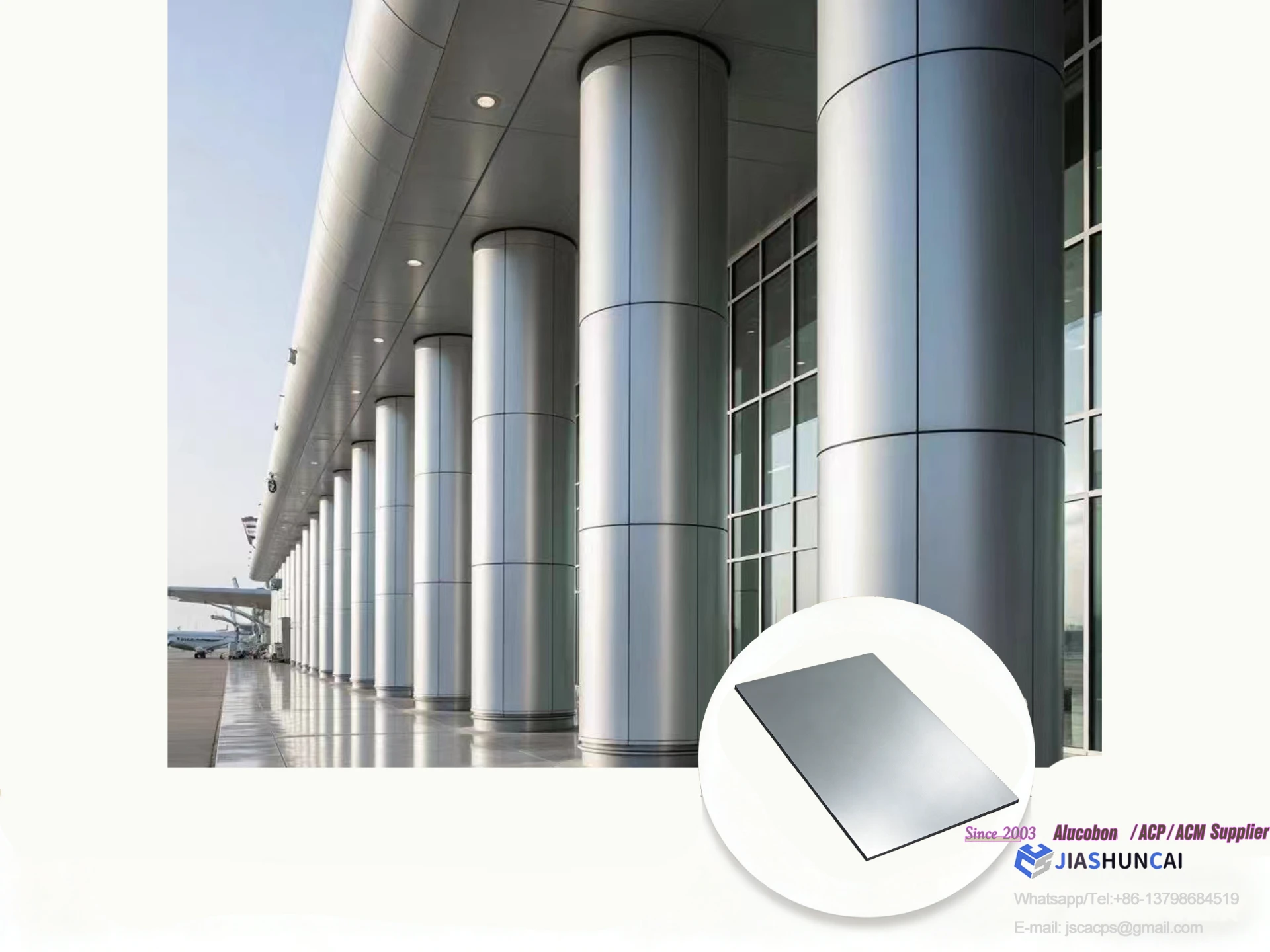
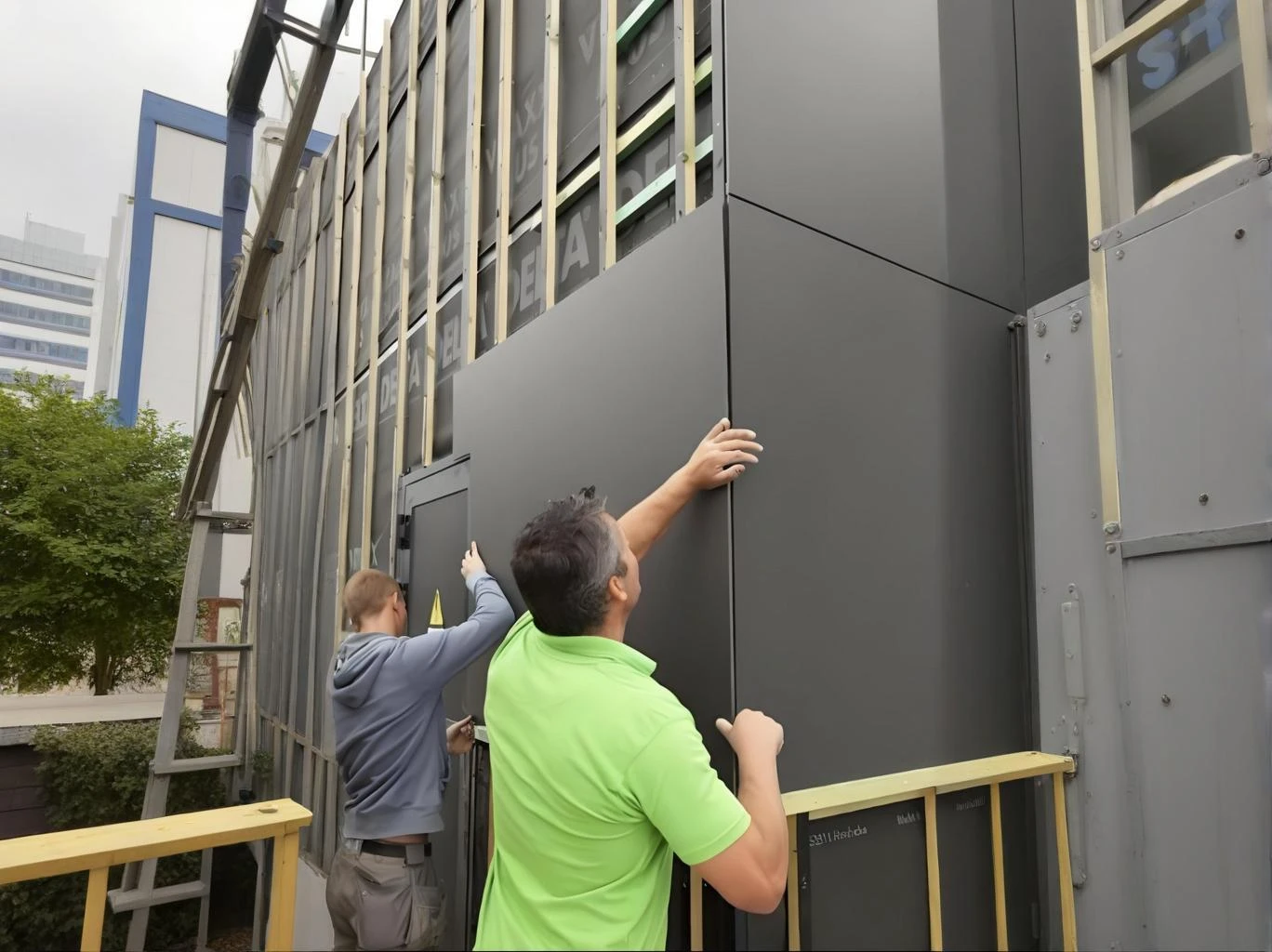
The applications of aluminum coating span across numerous sectors. The automotive industry utilizes it for components requiring corrosion protection and aesthetic appeal. Aerospace benefits from its lightweight and high-temperature resistance. The construction industry employs it on structural elements and facades. Furthermore, industries such as electronics, marine, and packaging utilize aluminum coating for its unique properties. ACM Factory caters to a wide spectrum of these industries, providing tailored solutions to meet their specific coating requirements.
Choosing the Right Aluminum Coating: Key Considerations
Selecting the optimal aluminum coating requires careful consideration of several factors. The substrate material, operating environment, desired coating thickness, budget constraints, and performance requirements all play crucial roles. A thorough evaluation of these factors ensures that the chosen coating provides long-lasting protection and meets the application's specific needs. ACM Factory's expert team provides guidance and support to help clients navigate these considerations and select the most appropriate solution.
Conclusion: Enhancing Performance with Aluminum Coating
Revestimiento de aluminio is a versatile and effective surface treatment offering numerous benefits across diverse industries. From corrosion resistance and aesthetic enhancement to improved durability, aluminum coating provides a valuable solution for protecting and enhancing various materials. Partnering with a reputable provider like ACM Factory ensures access to high-quality coatings tailored to your specific needs and industry standards.
Frequently Asked Questions (FAQs)
What is the typical lifespan of an aluminum coating?
The lifespan of an aluminum coating can vary significantly depending on the application, environmental conditions, and the type of coating applied. Generally, well-maintained aluminum coatings can last anywhere from 10 to 20 years or even longer. Factors like exposure to harsh chemicals, UV radiation, and abrasion can reduce the lifespan. Regular inspection and preventative maintenance, such as cleaning and re-application of protective layers, can help extend the coating's durability. ACM Factory provides guidance on maintenance practices to maximize the lifespan of your coating.
Is aluminum coating suitable for food-contact applications?
Certain types of aluminum coatings are suitable for food-contact applications, but it's crucial to ensure they meet specific regulatory requirements. Coatings must be non-toxic, free from harmful chemicals, and comply with standards set by organizations like the FDA. The selection process should involve careful consideration of the coating's composition and intended use. ACM Factory offers coatings specifically designed for food-contact applications and can provide documentation to demonstrate compliance with relevant regulations.
What surface preparation is required before applying aluminum coating?
Proper surface preparation is essential for ensuring optimal adhesion and performance of the aluminum coating. The surface must be clean, dry, and free from contaminants like oil, grease, rust, and loose particles. Common preparation methods include degreasing, sandblasting, and chemical etching. The specific method will depend on the substrate material and the type of coating being applied. ACM Factory provides comprehensive surface preparation guidelines and services to ensure a flawless coating application.