since 2003
Professional Aluminum Composite Panel Manufacturer
since 2003
Professional Aluminum Composite Panel Manufacturer
en

High Quality 4mm Aluminium Composite Panel Price and Guide
When specifying materials for high-end architectural facades, engineers often balance structural rigidity with cost-efficiency. The 4mm thickness is a standard benchmark for cladding systems, providing the necessary stiffness to prevent oil-canning while remaining lightweight enough to reduce the load on the primary support structure. Understanding the factors that influence the 4mm aluminium composite panel price is critical for procurement managers who need to maintain budget integrity without compromising on fire safety or durability. Whether used for corporate headquarters or industrial complexes, these panels offer a seamless finish and exceptional weather resistance.
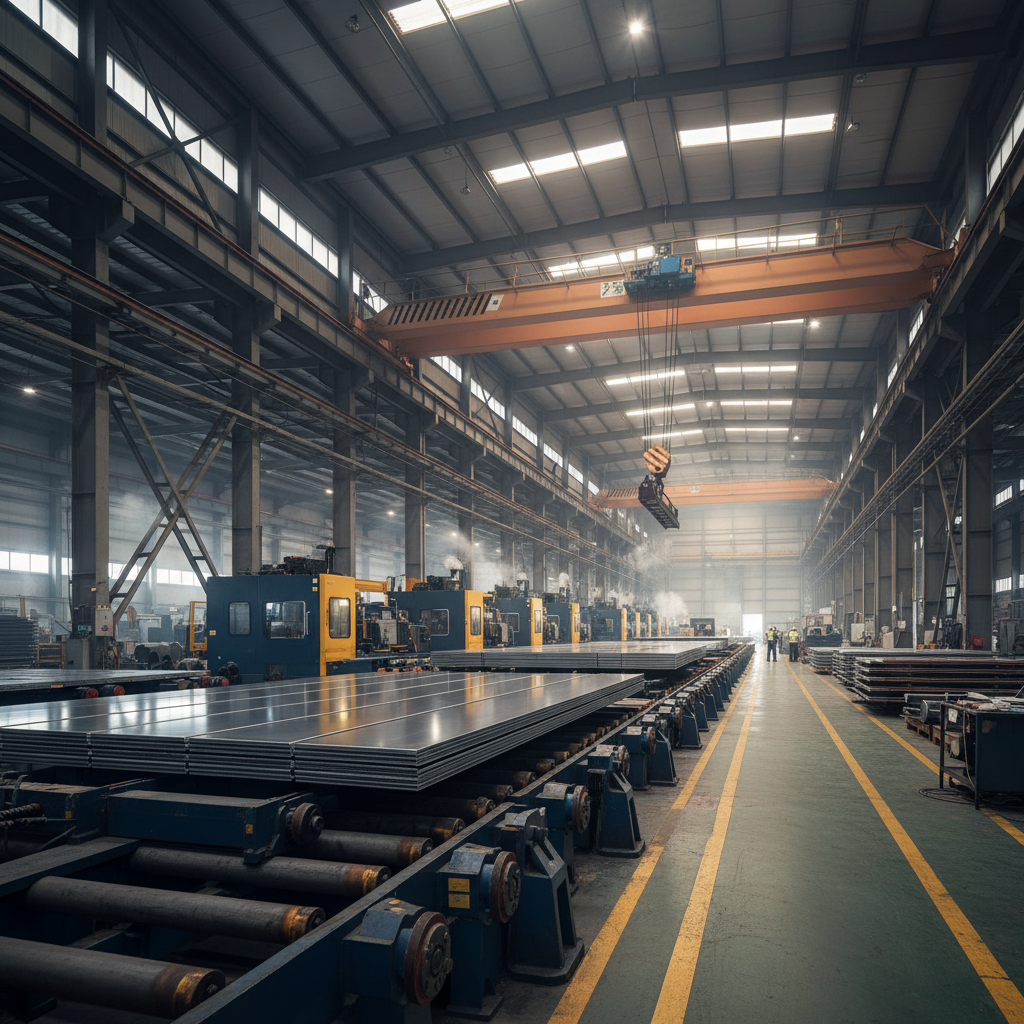
At Jiashuncai, we integrate advanced automatic spray lines and precision lamination to ensure that every square meter of material meets international standards. By controlling the cooling rate and using high-grade PE or FR core materials, we provide a solution that addresses the common challenges of thermal expansion and surface oxidation. This technical approach ensures that the investment in facade materials translates into long-term operational savings and architectural longevity.

Engineering the Core: Manufacturing Process and Quality Control
The reliability of a composite panel depends entirely on the bonding strength between the aluminum skins and the inner core. Our production process begins with strict raw material inspection, where aluminum coils and PE particles are tested for purity and thickness consistency. To ensure maximum coating adhesion, the aluminum sheets undergo a rigorous cleaning treatment to remove surface oils and oxidation, preventing future peeling or blistering in harsh environments.
The coating process is handled by an automatic spray line that applies a precise sequence of primer, topcoat, and clear coat. This multi-layer system provides a barrier against UV radiation and atmospheric pollutants. The lamination process then bonds these sheets with the core material under high temperature and pressure. Following this, we employ a controlled cooling and shaping phase, which is essential for maintaining the flatness of the panels and avoiding warping during installation.
- Automatic Spraying: Ensures uniform thickness of the protective clear coat.
- Precision Lamination: High-pressure bonding for superior delamination resistance.
- Controlled Cooling: Eliminates internal stress to ensure perfect surface flatness.
- Custom Cutting: Tailored to project specifications to minimize on-site waste.

Application Frameworks for Architectural Cladding and Interior Design
Architects select 4mm composite materials primarily for their versatility in creating clean, geometric lines across large surface areas. In exterior wall engineering, these panels act as a rainscreen, protecting the building envelope while providing a high-impact visual identity. The structural integrity of the 4mm profile makes it ideal for curtain walls where wind load resistance is a priority. Because we offer complete construction solutions, we can assist in the design and material selection phase to ensure the chosen specification matches the project's wind and thermal requirements.
Beyond exteriors, the material is widely used in aluminum baffle ceilings and interior partitioning. Its ability to be fabricated into complex curves or sharp folds allows for creative architectural expressions. For projects ranging from 100m² to 100,000m², the focus shifts from simple material supply to comprehensive engineering, including fabrication and on-site management. This ensures that the installation is synchronized with the project schedule and adheres to strict quality control standards.
Critical Factors Influencing Procurement and Material Costing
For most buyers, the primary concern is the 4mm aluminium composite panel price, but this figure is influenced by several technical variables. The first is the core composition: standard PE cores are cost-effective for interiors, whereas A2 or B1 fire-rated cores are mandatory for public buildings to meet safety codes. The thickness of the aluminum skin (e.g., 0.3mm vs 0.5mm) also significantly impacts both the weight and the total cost of the material.
Another variable is the coating type. PVDF coatings are preferred for exterior use due to their extreme durability and color retention, while PE coatings are typically reserved for short-term or indoor applications. Procurement managers should also consider the cost of fabrication and shipping; sourcing from a manufacturer located in a trade port cluster, like our facility in Foshan, can reduce logistics expenses. By optimizing the cutting list and utilizing professional packaging to prevent scratches, overall project waste is minimized, leading to better budget efficiency.
Material Specification and Selection Matrix
| Core Material | Fire Rating | Primary Application | Durability Level |
|---|---|---|---|
| Standard PE Core | Non-FR | Interior signage / Partitioning | Medium |
| B1 Fire-Retardant | Class B1 | Commercial facades / Low-rise | High |
| A2 Non-Combustible | Class A2 | High-rise curtain walls / Airports | Very High |
| Mineral Filled Core | High FR | Public infrastructure / Hospitals | Very High |
| Custom Composite | Project-specific | Specialized engineering projects | Application-dependent |
Ensuring Compliance: Global Certifications and Safety Standards
In the construction industry, certification is not optional; it is a prerequisite for legal occupancy and insurance. Jiashuncai ensures that all materials comply with national and international standards. We hold A2 and B1 FR SGS Certificates, as well as INTERTEK Fireproof Certificates, which provide third-party verification of our panels' performance under extreme heat. For projects in the European Union, Australia, the United States, and Canada, our products meet the necessary ROHS and REACH standards, ensuring that no hazardous substances are released into the environment.
Our quality management is anchored by the ISO9001 Certification, which governs every stage from raw material intake to final packaging. By providing certificates of origin and quality inspection reports with every shipment, we facilitate a smooth customs process and provide the project engineer with the documentation needed for final building inspection. This commitment to transparency and standardization reduces the risk of project delays caused by material non-compliance.
Future Trends in Metal Cladding and Sustainable Construction
The trend in modern architecture is moving toward "intelligent facades" that combine aesthetic appeal with energy efficiency. We are seeing an increased demand for panels with higher thermal insulation properties and sustainable coatings that reduce the urban heat island effect. The integration of recycled aluminum into the production chain is also becoming a priority for LEED-certified projects. As a solution provider, we continue to research better ways to make our products more reliable and durable while reducing the environmental footprint of the manufacturing process.
Furthermore, the shift toward prefabricated modules is changing how these panels are delivered. Instead of shipping raw sheets, we are increasingly providing pre-fabricated components that are ready for rapid on-site installation. This reduces construction time and minimizes the margin for human error during the fabrication phase. By leveraging our 30,000m² factory and advanced production lines, we can scale our output to 500,000m² per month, ensuring that even the most ambitious global infrastructure projects have a stable supply of high-performance cladding.
Common Procurement and Technical Queries
How is the price of 4mm composite panels usually calculated?
Costing is typically determined by the aluminum skin thickness, the type of core (PE vs FR), the coating (PVDF vs PE), and the total order volume. Custom colors or specialized finishes may also incur additional charges.
What is the difference between B1 and A2 fire ratings?
B1 is flame-retardant, meaning it resists ignition and slows the spread of fire. A2 is non-combustible, offering much higher safety levels and is often required by law for high-rise buildings and public infrastructure.
Can these panels be used for interior ceilings?
Yes, they are excellent for baffle ceilings and interior wall cladding due to their flatness, ease of cleaning, and ability to be fabricated into various shapes.
How do I ensure the panels won't peel over time?
Peeling is usually caused by poor surface preparation. Ensure your supplier uses an automatic cleaning and priming process before the final topcoat is applied, as we do in our factory.
What are the shipping considerations for large-scale projects?
For large volumes, professional packaging is essential to prevent scratches. Sourcing from a manufacturer near major trade ports reduces transit time and logistics costs.
Do you provide installation support?
We provide complete solutions including design, material selection, and on-site management services, including scheduling and quality control for projects of all sizes.
Technical References and Industry Sources
- Aluminium Composite Panel - Technical Overview
- ISO 9001 Quality Management Standards
- SGS Certification and Material Testing
- Intertek Fire Safety Testing Protocols
Selecting the right facade material requires a balance of technical performance and commercial viability. By partnering with a manufacturer that controls the entire process—from raw material inspection to final fabrication—you ensure a durable, compliant, and aesthetically superior result for any architectural project.
Related Articles