Top Aluminum Composite Material Manufacturers Quality Guide
Top Aluminum Composite Material Manufacturers Quality Guide
0%
Table of Contents
Introduction
When sourcing exterior cladding for large-scale architectural projects, the criteria for evaluating aluminum composite material manufacturers often extend far beyond simple pricing. For architects and contractors, the priority is finding a partner capable of balancing structural rigidity with fire safety compliance and aesthetic longevity. The complexity of modern building codes means that the choice of a supplier directly impacts the legal approval and safety rating of the entire facade system.
This selection process is critical because the interplay between the aluminum skins and the core material determines how a building responds to environmental stress and thermal expansion. Whether utilizing PVDF coatings for extreme weather resistance or non-combustible A2 cores for high-rise safety, the technical precision of the manufacturing process—from raw material inspection to the final lamination—defines the material's lifecycle performance. Understanding these technical nuances allows buyers to mitigate risks associated with delamination or premature fading.
By analyzing the production standards and certification frameworks used by top-tier aluminum composite material manufacturers, this guide provides a professional framework for assessing quality. We will examine the engineering requirements of curtain wall systems and the specific production benchmarks that separate industrial-grade panels from standard commercial offerings, ensuring your project meets international safety and durability standards.
Technical Fundamentals of ACP Production
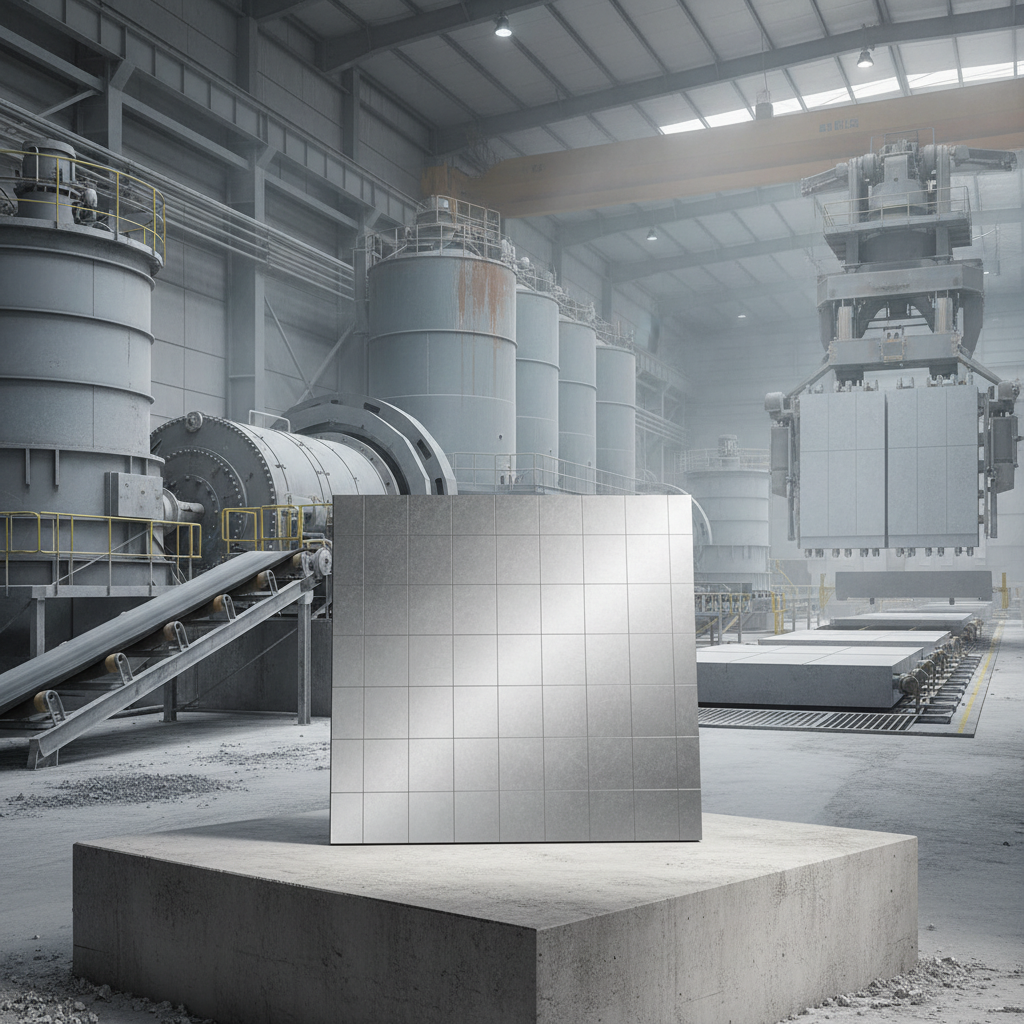
Aluminum Composite Panels (ACP) are engineered sandwiches consisting of two thin aluminum sheets bonded to a non-aluminum core. The structural integrity of the panel depends on the chemical bonding process during lamination, where high temperature and pressure ensure that the PE or mineral-filled core adheres perfectly to the aluminum skins without air pockets. This composite structure provides a high strength-to-weight ratio, making it ideal for curtain walls.
Professional production begins with strict raw material inspection of aluminum coils and PE particles, followed by a cleaning process to remove surface oils. The coating phase typically involves an automatic spray line applying a primer, topcoat, and clear coat. This sequential layering is essential for ensuring that the final finish, whether PVDF or PE, can withstand UV radiation and chemical pollutants over several decades.
Critical Benchmarks for Quality Assessment
Evaluating the reliability of a supplier requires a deep dive into their certification portfolio and production capacity. A facility covering 30,000m² with a capacity of 500,000m² per month suggests the ability to handle large-scale engineering projects without compromising lead times. More importantly, the presence of ISO9001 and ROHS certifications indicates a standardized approach to quality management and environmental safety.
The most critical quality indicator for modern ACP is fire safety certification. Panels holding A2 and B1 FR SGS certificates, alongside INTERTEK fireproof certifications, provide the necessary evidence that the material will not contribute to rapid flame spread, which is a non-negotiable requirement for high-rise exterior walls in EU, US, and Australian markets.
Beyond certifications, the physical precision of the product is paramount. Professional manufacturers utilize fully automatic production lines to ensure flatness and thickness consistency. When the cooling rate is strictly controlled during the shaping process, the resulting panels avoid warping, which significantly reduces the fabrication effort during the on-site installation phase.
Operational Value in Facade Engineering
The primary value of using high-grade composite panels lies in the reduction of total project lifecycle costs. By replacing heavy solid aluminum or stone cladding, ACP reduces the dead load on the building's structural frame. This allows for more lightweight supporting systems and faster assembly, which translates to lower labor costs and shorter construction timelines.
True operational value is realized when the material selection matches the specific environmental exposure; for instance, PVDF coatings are essential for high-UV coastal regions to prevent chalking, whereas PE coatings are highly cost-effective for interior signage and partitions.
Furthermore, the ability to provide a "whole solution"—including design, material selection, and technical consultancy—transforms a supplier into an engineering partner. This integrated approach prevents the common gap between material specifications and actual on-site execution, ensuring that fabrication tolerances are met and installation is seamless.
Comparative Analysis of Core Materials
Different core materials drastically change the panel's performance profile. PE cores are lightweight and flexible, making them ideal for curved shapes and interior work. In contrast, mineral-filled cores (FR) are designed to resist combustion, making them the standard for exterior facades. The "Unbreakable Core" and "Spherical Core" variants further enhance impact resistance and sound insulation.
The following data illustrates the relative performance metrics across common ACP variants. While PE panels excel in processability, FR and Non-combustible panels provide the safety margins required by international building codes for public infrastructure.
Core Performance Comparison Index
High-Performance Application Scenarios
In commercial architecture, ACP is predominantly used for facade cladding and curtain walls due to its ability to create clean, flat surfaces over vast areas. For instance, corporate headquarters often utilize an anodized ACP finish to achieve a sophisticated, metallic look that is more durable than traditional paint. The material's versatility allows it to be used for everything from complex spherical shapes to linear baffle ceilings.
In industrial settings, the focus shifts toward chemical resistance and durability. Aluminum facade panels are frequently deployed in laboratories and clean-room environments where hygiene and ease of maintenance are critical. The seamless integration of ACP with other metal systems allows for a cohesive architectural language across diverse project scales, from 100m² kiosks to 100,000m² industrial complexes.
Evolution of Fire Safety Standards
The industry has seen a decisive shift toward non-combustible materials following global safety audits. The transition from PE cores to B1 (Fire Retardant) and A2 (Non-combustible) cores represents a fundamental change in chemistry. These advanced cores use high concentrations of mineral hydroxides that release water vapor when heated, effectively extinguishing the flame and preventing the "chimney effect" in building cavities.
Compliance is no longer just about a label but about third-party verification. Certificates from SGS, INTERTEK, and reports from ILAC-MRA and CNAS ensure that the panels have undergone rigorous burn tests. For exporters, these certificates are the "passport" for entry into the EU and North American markets, where fire safety regulations are strictly enforced by local building authorities.
Looking forward, the integration of "Unbreakable Core" technology aims to solve the trade-off between fire resistance and mechanical toughness. By refining the composite matrix, manufacturers can now produce panels that are both safe from fire and resistant to physical impact, reducing the need for additional protective layers in high-traffic public areas.
Overcoming Integration Challenges in Construction
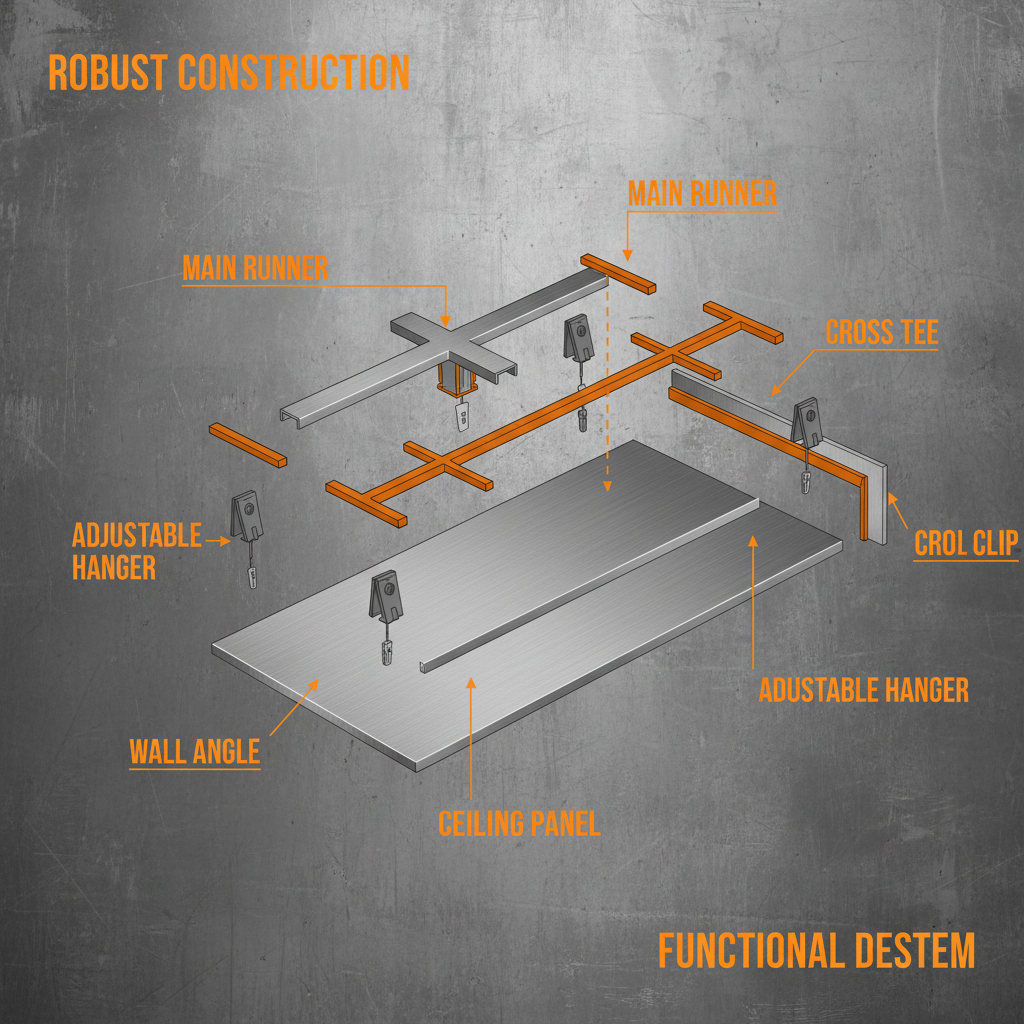
One of the primary challenges in ACP installation is managing thermal expansion. Because aluminum expands and contracts with temperature changes, the installation system must include flexible joints. A professional 15-step engineering process ensures that from the first design draft to the final on-site management, every detail—including shipping and supervision—is handled to prevent panel buckling.
Another common issue is the risk of surface scratches during transport and handling. This is mitigated by professional packaging and the use of protective films that remain on the panel until the project is completed. When combined with 24-hour technical support, these measures ensure that the final aesthetic result matches the architectural intent.
The selection of the right ACP grade depends on a balance of cost, safety, and environment. The table below summarizes the decision-making criteria for different project types, helping procurement managers choose the most appropriate specification based on the end-use case.
ACP Material Selection Matrix
Project Type
Recommended Core
Coating Type
Primary Driver
High-Rise Facade
A2 Non-combustible
PVDF
Fire Safety
Retail Storefront
B1 Fire Retardant
PVDF/PE
Aesthetics
Interior Partition
PE Core
PE / Polyester
Cost/Flexibility
Public Transport
FR / Unbreakable
PVDF
Impact Resistance
Ceiling Systems
PE / Mineral
Powder Coat
Weight/Acoustics
Coastal Infrastructure
FR Core
High-Grade PVDF
Corrosion Resistance
Frequently Asked Questions
What is the main difference between PE and FR composite panels?
The primary difference is the core composition and its reaction to fire. PE (Polyethylene) cores are highly flammable and are used mainly for interior applications or low-risk areas. FR (Fire Retardant) cores contain mineral fillers that inhibit flame spread and produce less smoke, making them suitable for exterior facades where building codes mandate fire safety compliance.
How do I verify if an ACP manufacturer is reliable?
Verify their certification portfolio, looking for ISO9001 for quality management and specific fire certificates like A2 or B1 from SGS or INTERTEK. Additionally, check their production capacity (e.g., factory size and monthly output) and whether they provide end-to-end engineering solutions, including design and installation supervision, rather than just selling raw materials.
Why is PVDF coating preferred for exterior walls?
PVDF (Polyvinylidene Fluoride) is preferred because of its exceptional resistance to UV radiation, chemical pollutants, and extreme temperature fluctuations. Unlike PE coatings, PVDF does not fade or chalk quickly, ensuring that the building's facade maintains its original color and gloss for 15-20 years, which significantly reduces maintenance costs.
Can ACP be used for curved architectural shapes?
Yes, ACP is highly suitable for curved shapes due to its flexibility and "easy to process" nature. Depending on the radius of the curve, panels can be cold-bent or routed and folded. PE-core panels generally offer more flexibility for tight curves, while FR panels are used for larger radii in facade applications.
What are the standard thickness options for facade panels?
The most common overall thickness for exterior cladding is 4mm, typically consisting of two 0.5mm aluminum skins and a 3mm core. However, options vary based on the project requirement; 3mm panels are often used for interior ceilings or signage, while thicker panels may be specified for areas requiring higher structural rigidity.
What is the average lifespan of an aluminum composite facade?
A high-quality ACP facade with PVDF coating typically lasts between 20 to 30 years. The lifespan depends heavily on the quality of the aluminum skins, the bond strength of the core, and the environmental conditions. Regular cleaning and proper installation of expansion joints are key to preventing premature wear or structural failure.
Conclusion
Selecting the right partner among aluminum composite material manufacturers requires a balanced evaluation of production precision, fire safety certification, and engineering support. By prioritizing A2/B1 fire-rated cores and PVDF finishes, architects can ensure that their designs are not only aesthetically striking but also fully compliant with international safety standards. The shift toward integrated solutions—where material supply is paired with technical consultancy—is the most effective way to mitigate construction risks.
Whether you are managing a boutique commercial space or a massive industrial complex, the durability of your facade depends on the quality of the lamination and the rigor of the inspection process. For those seeking professional-grade materials and comprehensive construction solutions, visiting the production facility and reviewing certified test reports is the best way to ensure project success. You can explore detailed technical specifications and project guides at www.acmfactory.com to find the ideal material match for your specific application.
Brian Thompson is a Senior Engineering Technician with 20 years of experience in the aluminum composite panel industry. He’s a core member of the team that continuously researches and implements advancements in our production processes. He was crucial in the importation of our fully automatic product line alignment and precision