Securing a precise budget for architectural cladding often begins with a fundamental question: what truly drives the aluminium panel price in today's volatile material market? While many procurement managers look for a flat rate per square meter, the actual cost is a composite of raw metal indices, coating chemistry, and fire-safety certifications.
The shift toward sustainable urban development has introduced new variables into the pricing equation. Environmental standards, such as E1 grade low-formaldehyde emissions and non-combustible core requirements, have transitioned from optional upgrades to mandatory specifications. This evolution means that the cheapest option often carries the highest risk in terms of regulatory compliance and long-term durability.
To make an informed procurement decision, it is essential to move beyond the surface-level quote and analyze the technical specifications that justify the cost. This guide examines the primary drivers of price fluctuations and provides a framework for evaluating value versus cost in high-performance cladding systems.
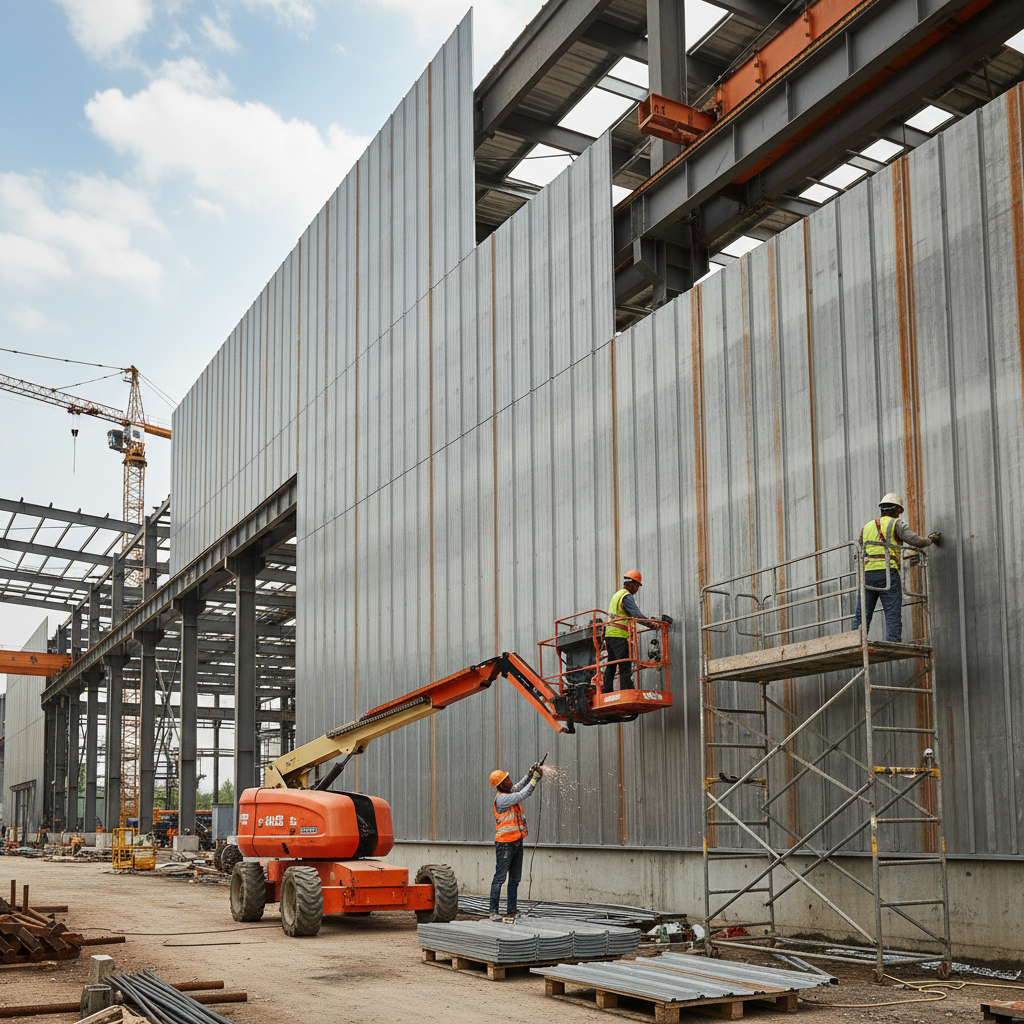
Precision-engineered aluminium composite panels designed for modern exterior facade systems.
◆ ◆ ◆
◆ ◆ ◆
Market Dynamics of Metal Cladding Costs

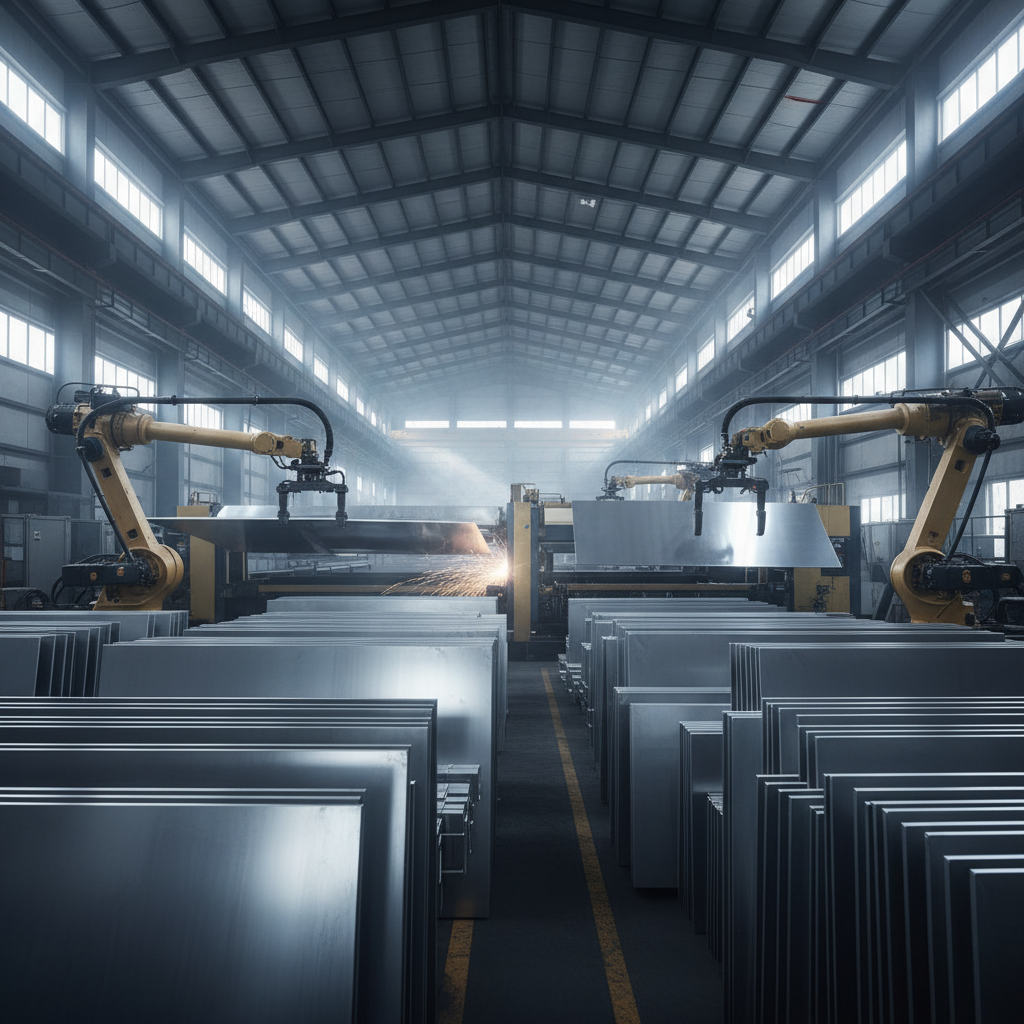
Advanced automated production lines ensuring consistency in panel thickness and coating.
The cost of aluminium panels is not static; it is heavily influenced by the LME (London Metal Exchange) aluminium indices. Because the skin of an ACP (Aluminium Composite Panel) is the primary cost driver, any volatility in raw aluminium bauxite or smelting energy costs reflects immediately in the wholesale price.
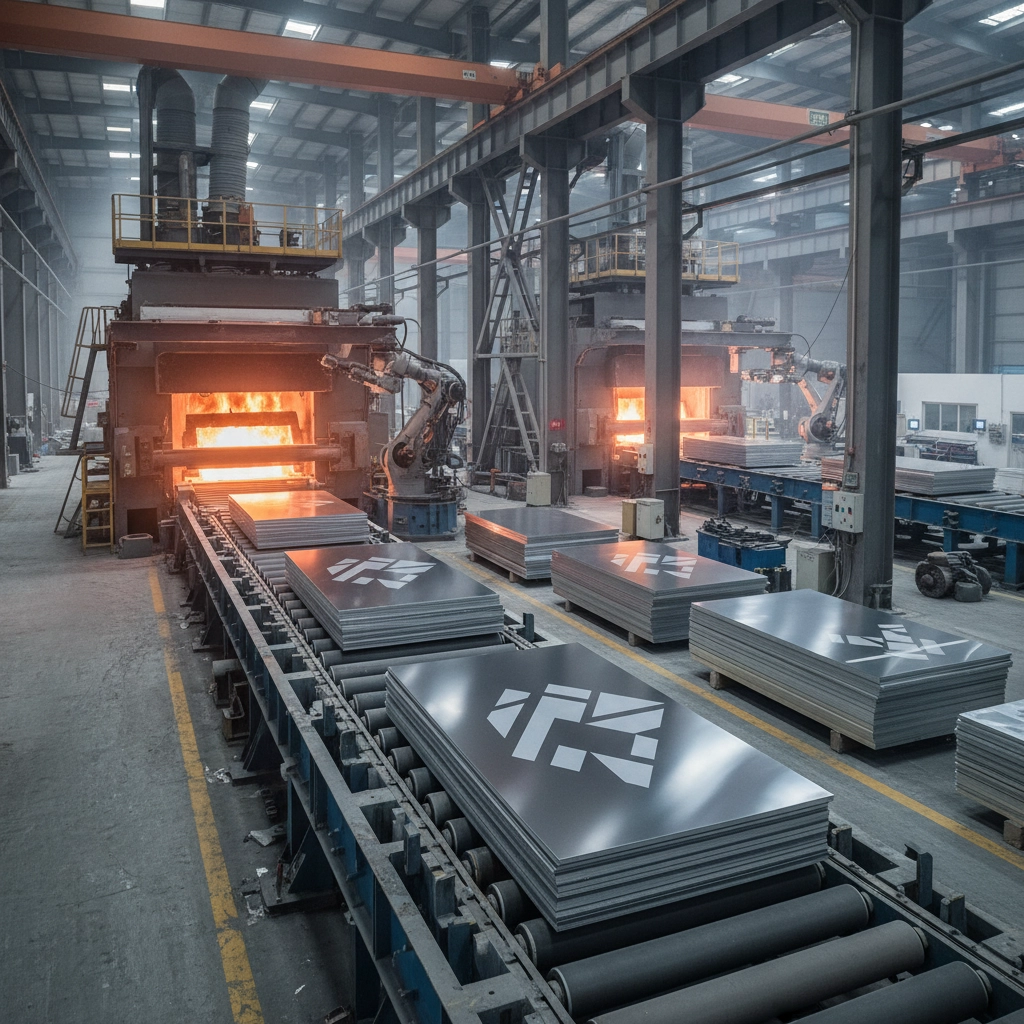
Beyond raw metals, the supply chain logistics and production capacity also play a role. Factories with integrated coil coating capabilities can typically offer more competitive pricing by reducing middle-man handling and optimizing the primer-to-topcoat process.
—
Technical Specification and Cost Correlation
Material thickness is the most direct correlate to price. A standard 4mm panel consists of two aluminium skins and a core. The gauge of the aluminium (e.g., 0.21mm vs 0.5mm) drastically changes the structural rigidity and the total material weight, thereby altering the cost per sheet.
Surface treatment is another critical factor. PE (Polyethylene) coatings are generally more economical and suited for interior signage or short-term use. However, PVDF (Polyvinylidene Fluoride) coatings, which are engineered for extreme UV stability and weather resistance, command a higher price due to the complex chemical composition and multi-stage curing process.
Customization also introduces cost variables. Panels requiring 3D folding, custom routing, or non-standard dimensions (up to 6000mm) require specialized handling and increased waste margins during production, which are factored into the final quote.
—
The Value of Environmental and Safety Certifications
In modern construction, the lowest nominal price can be a liability if the material fails to meet fire safety or toxicity codes. The transition from standard PE cores to B1 or A2 fire-rated cores represents a significant jump in both safety and cost.
True value in cladding is measured by the convergence of fire-retardancy (A2/B1 grades) and environmental health standards, such as the E1 grade which limits formaldehyde emissions to ≤ 1.5mg/L.
Companies like Jiashuncai Aluminum prioritize these certifications—including CE, ISO9001, and ROHS—to ensure that the panels are not only durable but safe for high-occupancy commercial structures. While these certified materials may have a higher initial price, they eliminate the risk of costly retrofits or legal non-compliance.
—
Comparing Core Material Performance Indices
The core material defines the panel's internal strength, fire behavior, and overall weight. Choosing between a standard polyethylene core and a mineral-filled fire-retardant core involves a trade-off between flexibility and safety.
To visualize how different specifications impact the overall value and performance index, we can look at the relative weighting of coating, core safety, and environmental certification.
Figure 2. Relative Performance Value Index by Panel Type
—
Practical Application and Installation Variables
The cost of the material is only one part of the total project expenditure. Installation complexity—such as the use of modular panel systems or intricate 3D bending—can significantly increase labor costs. For instance, a facade requiring a high degree of precision in routing and folding will require a more skilled workforce and a higher wastage allowance.
When evaluating a quote, buyers should consider whether the supplier provides technical consultancy. Professional engineering support for material selection and fabrication can reduce on-site errors, effectively lowering the total cost of ownership even if the per-square-meter price of the panel is slightly higher.
—
Future Trends in Sustainable Material Pricing
The industry is moving toward "circularity," where the recyclability of the aluminium skin and the non-toxicity of the core are becoming primary procurement drivers. This shift is leading to the rise of unbreakable core ACP and high-grade non-combustible options.
As environmental regulations tighten globally, materials that meet the strictest E1 and ROHS standards will likely see a price premium. However, this is offset by the increased lifespan and reduced maintenance costs associated with high-performance PVDF coatings that last 20+ years.
Digital fabrication and BIM (Building Information Modeling) are also optimizing how panels are ordered. By reducing scrap through precise 15-step engineering order processes, manufacturers can optimize material use, potentially stabilizing prices for large-scale architectural projects.
—
Decision Framework for Material Selection
Selecting the right panel requires balancing the immediate budget against the technical requirements of the site. A temporary commercial sign and a high-rise corporate headquarters have entirely different needs regarding fire safety, UV resistance, and structural load.
The most common error in procurement is selecting a panel based solely on the lowest price without verifying the peel strength, impact resistance, and actual aluminium skin thickness. These factors determine whether a panel will warp under thermal expansion or peel after a few years of exposure.
To simplify this, the following table provides a relative suitability framework based on common project scenarios.
Table 1. ACP Specification Suitability Matrix
| Project Scenario |
Recommended Coating |
Core Requirement |
Priority Factor |
| Interior Wall Panels |
PE Coating |
Standard PE |
Aesthetics / Cost |
| Commercial Signage |
PVDF/PE Mix |
Standard PE |
Easy Fabrication |
| Low-Rise Exterior |
PVDF Coating |
B1 Fire Rated |
UV Stability |
| High-Rise Facade |
Premium PVDF |
A2 Non-combustible |
Fire Safety / Code |
| Eco-Certified Build |
PVDF Coating |
E1 Non-toxic |
Air Quality / Health |
| Specialty 3D Design |
PVDF Coating |
Unbreakable Core |
Bending Radius |
◆ ◆ ◆
Questions & Answers
PE (Polyethylene) coatings are more affordable and primarily intended for interior applications or short-term outdoor use, as they are more susceptible to UV degradation. PVDF (Polyvinylidene Fluoride) coatings are more expensive due to their superior chemical resistance and UV stability, making them the industry standard for permanent exterior cladding with a lifespan typically exceeding 20 years.
Fire-rated cores (B1 or A2) use mineral-filled compositions that are more expensive to produce than standard polyethylene cores. However, these materials are essential for meeting strict building codes in commercial and high-rise structures to prevent the spread of fire. The cost increase is a necessary investment for safety compliance and insurance requirements.
Yes, achieving an E1 rating—which ensures formaldehyde emissions are ≤ 1.5mg/L—requires higher-quality resins and stricter quality control during the lamination process. While it adds a slight premium to the cost, it ensures the material is non-toxic and safe for indoor air quality, which is increasingly required for LEED or other green building certifications.
Standard sheets (1220mm x 2440mm) are optimized for factory production and shipping. Custom lengths up to 6000mm or bespoke widths increase material waste (offcuts) and require specialized packaging and handling to prevent scratches and bending during transit, all of which contribute to a higher per-unit price.
Yes, sourcing directly from an established manufacturer like Jiashuncai Aluminum removes distributor margins. For bulk orders, factory-direct pricing is usually based on the total square footage and the specific technical requirements (skin gauge, core type, and coating), allowing for significant cost optimization on large-scale engineering projects.
The "cheapest" panels often have thinner aluminium skins, poor peel strength, or non-compliant fire cores. This can lead to premature warping, coating failure (chalking), or failure to pass building inspections. The long-term costs of replacement and the risk of structural non-compliance far outweigh the initial savings.
◆ ◆ ◆
Final Thoughts
Ultimately, the aluminium panel price is a reflection of the engineering and safety standards embedded within the product. By analyzing the correlation between coating quality, core fire-ratings, and environmental certifications, procurement teams can shift their focus from "lowest cost" to "highest value."
Investing in certified, high-performance materials ensures that a building's facade remains aesthetically pleasing and structurally sound for decades, reducing the total cost of ownership and ensuring full compliance with global safety standards.