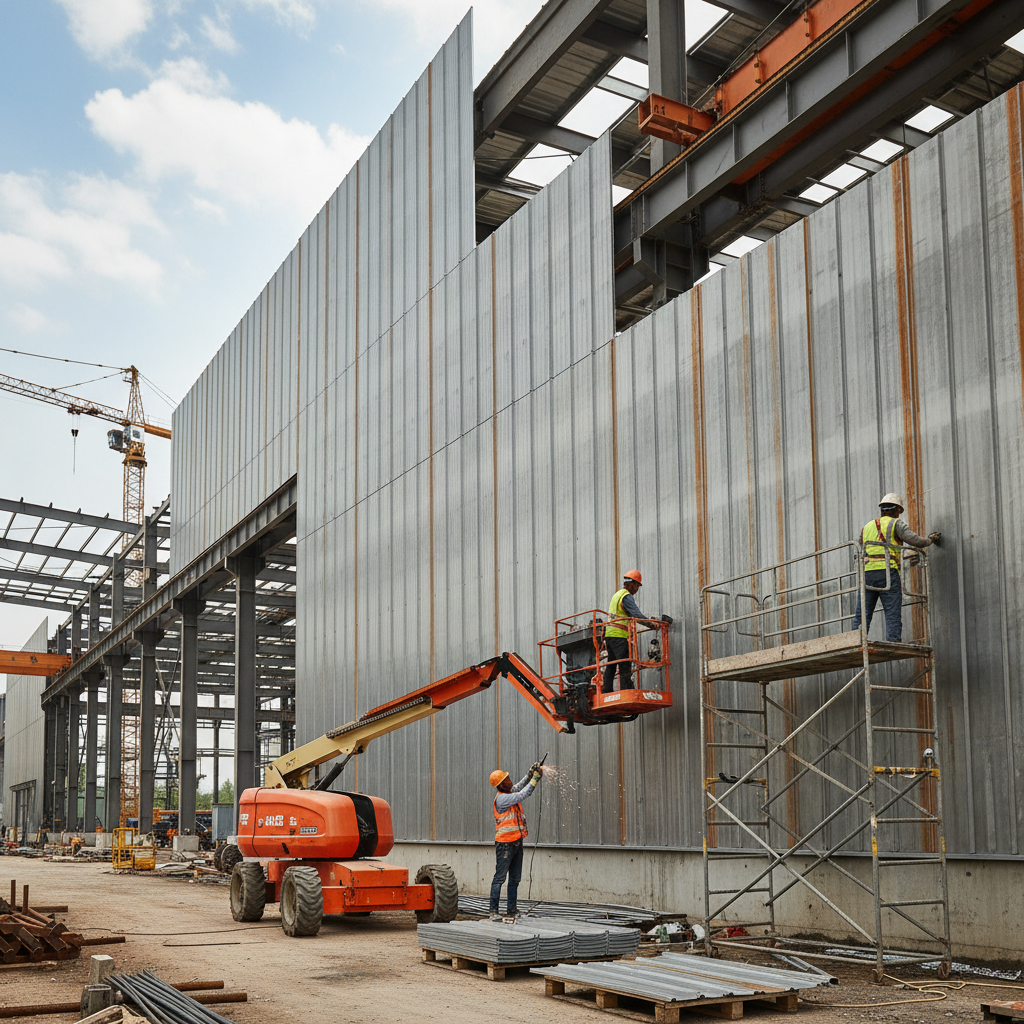
Aluminum cladding. It's more than just a pretty face on a building these days. I’ve spent the last fifteen years walking job sites, getting my hands dirty with the guys actually putting this stuff up, and I can tell you, it's fundamentally changed how we approach building envelopes. It’s moved beyond just aesthetics – though it does look sharp – to become a critical piece of performance, efficiency, and increasingly, sustainability. The global demand is booming, driven by urban growth and a need for faster, more reliable construction.
You see it everywhere now. From towering skyscrapers in Asia to retrofit projects bringing older buildings up to modern energy standards. According to the International Aluminium Institute, global aluminum demand is projected to hit 75 million tonnes by 2030, and a huge chunk of that growth is tied directly to construction applications like cladding. We’re dealing with a real need for materials that can perform in extreme climates, reduce building lifecycle costs, and speed up project timelines.
I've seen firsthand the headaches caused by using the wrong materials - delays, budget overruns, and a lot of frustrated crews. Aluminum cladding, when specified and installed correctly, solves a lot of those problems. It’s about getting it right from the start, understanding the nuances, and knowing what questions to ask. That’s what we’ll break down here.
The Rise of Aluminum Cladding
It wasn’t always the go-to. For years, concrete and brick ruled the roost. But labor costs started climbing, and projects demanded faster turnaround times. Aluminum cladding offered a solution, a lightweight material that could be fabricated offsite and quickly installed. I remember the early days, there was skepticism. "It doesn't feel as solid," guys would say. But the performance data quickly shut that down.
Now, you’re seeing increasingly sophisticated systems – rainscreen cladding, composite materials, even self-cleaning coatings. It’s not just about slapping sheets onto a wall anymore. It’s about creating a high-performance building envelope that reduces energy consumption, improves indoor air quality, and lasts for decades.
Defining Aluminum Cladding
Simply put, aluminum cladding is the application of aluminum panels over a building's exterior. It’s an outer skin, protecting the structure from the elements. But the devil's in the details. There are different types of systems: wet-sealed, rainscreen, and dry-joint. Each has its pros and cons, depending on the climate, building height, and budget.
Think of it like this: a good cladding system isn’t just waterproof, it’s breathable. It allows moisture to escape, preventing mold and rot. It’s also designed to withstand wind loads, seismic activity, and temperature fluctuations. That’s where understanding the engineering behind it is crucial.
It’s a direct response to the demands of modern construction. We need to build faster, more efficiently, and with a smaller environmental footprint. Aluminum cladding, when done right, ticks all those boxes.
Key Factors Driving Adoption
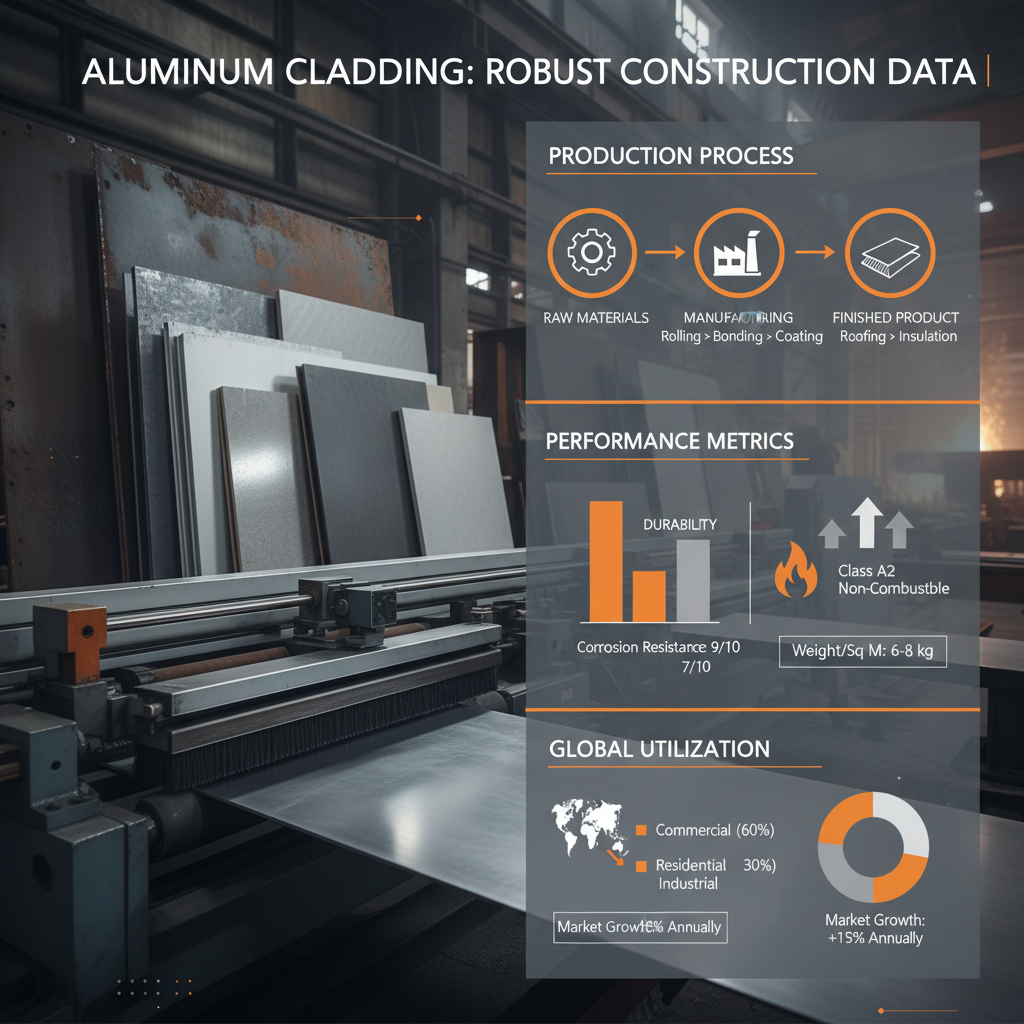
Durability is huge. Aluminum doesn't rust like steel, and it's incredibly resistant to corrosion. I’ve seen cladding installations that have held up beautifully for over 30 years, with minimal maintenance. That’s a big win for building owners, reducing lifecycle costs.
Weight is a game-changer. Aluminum is significantly lighter than concrete or brick, reducing the structural load on the building. This can translate into savings on foundation costs and allow for more design flexibility. It also makes installation faster and easier, minimizing disruption to surrounding areas.
Design flexibility is another major draw. Aluminum can be formed into a wide variety of shapes and finishes, allowing architects to create truly stunning designs. You can get it in almost any color, texture, or pattern imaginable. And with digital printing techniques, the possibilities are endless.
Global Applications and Use Cases
You’re seeing aluminum cladding used extensively in high-rise commercial buildings, particularly in urban centers. It’s perfect for curtain wall systems, providing a sleek, modern look. But it’s not just for skyscrapers. I’ve seen it used on everything from schools and hospitals to retail spaces and residential complexes.
In colder climates, the thermal performance of aluminum cladding is a major advantage. When combined with proper insulation, it can significantly reduce heating costs and improve energy efficiency. In warmer climates, reflective coatings can help reduce solar heat gain, keeping buildings cooler and lowering air conditioning bills.
I recently worked on a project in a coastal region prone to hurricanes. The aluminum cladding system we specified was designed to withstand extreme wind loads and impact from flying debris. It gave the building owner peace of mind knowing that their investment was protected.
Aluminum Cladding Performance Metrics
Advantages and Long-Term Value
The initial cost of aluminum cladding can be higher than some other materials, but the long-term benefits often outweigh the upfront investment. Lower maintenance costs, reduced energy consumption, and increased durability all contribute to a lower total cost of ownership.
From a sustainability perspective, aluminum is 100% recyclable, which means it can be reused again and again without losing its properties. That’s a huge plus for projects aiming for LEED certification or other green building standards. It’s about thinking long-term and minimizing your environmental impact.
Future Trends and Innovations
We're starting to see self-cleaning coatings becoming more popular. These coatings use nanotechnology to break down dirt and pollutants, reducing the need for frequent cleaning. I’ve seen them in action, and they really do work. They're a game-changer for buildings in heavily polluted areas.
Digital fabrication and 3D printing are also opening up new possibilities for aluminum cladding. We can now create complex geometries and custom designs with greater precision and efficiency. It’s a really exciting time to be in this industry.
And, of course, there’s a growing focus on integrating smart technologies into cladding systems – sensors that monitor temperature, humidity, and air quality, providing real-time data to building managers.
Challenges and Solutions
One of the biggest challenges is ensuring proper installation. If the cladding isn't installed correctly, it can lead to water infiltration and other problems. That’s why it’s so important to work with experienced contractors who understand the nuances of aluminum cladding systems.
Another challenge is dealing with thermal expansion and contraction. Aluminum expands and contracts with temperature changes, so the cladding system needs to be designed to accommodate this movement. This is where proper detailing and the use of appropriate expansion joints are critical.
I've also seen issues with counterfeit materials. It’s important to source your aluminum cladding from reputable suppliers who can guarantee the quality and authenticity of their products. Don’t just go with the cheapest option; you’ll end up paying for it in the long run.
Summary of Aluminum Cladding Challenges & Potential Solutions
| Challenge |
Impact on Project |
Potential Solution |
Cost of Implementation (1-10) |
| Improper Installation |
Water infiltration, reduced lifespan |
Utilize certified installers, detailed quality control |
7 |
| Thermal Expansion/Contraction |
Cladding deformation, system failure |
Proper detailing, expansion joints, flexible sealants |
6 |
| Counterfeit Materials |
Reduced performance, safety concerns |
Source from reputable suppliers, material testing |
8 |
| Corrosion in Coastal Areas |
Material degradation, aesthetic issues |
Marine-grade aluminum alloys, protective coatings |
5 |
| Design Compatibility Issues |
Aesthetic inconsistencies, installation complexities |
Early collaboration between architects and cladding specialists |
4 |
| Limited Availability of Skilled Labor |
Project delays, compromised quality |
Invest in training programs, offer competitive wages |
9 |
FAQS
Aluminum cladding offers a significant weight advantage, enabling faster installation and reducing structural load. It's also incredibly durable, corrosion-resistant, and offers far more design flexibility than traditional materials. From a lifecycle cost perspective, the reduced maintenance and energy efficiency gains often make it the more economical choice, even with a higher initial investment.
When properly designed and installed, aluminum cladding performs exceptionally well in extreme weather. We specify marine-grade alloys and robust attachment systems to withstand high wind loads and impact from debris. For snowy climates, the cladding’s smooth surface prevents snow buildup, minimizing stress on the structure. It's all about choosing the right system and ensuring a proper installation.
Absolutely. Aluminum is 100% recyclable, meaning it can be reused repeatedly without losing its properties. This reduces the demand for virgin aluminum production, which is an energy-intensive process. Plus, the energy efficiency benefits of aluminum cladding – reducing heating and cooling costs – contribute to a smaller carbon footprint over the building's lifecycle.
With proper maintenance, an aluminum cladding installation can easily last 50 years or more. The key is to protect the coating and address any minor damage promptly. I’ve seen installations that are 30+ years old and still look fantastic. Regular inspections and cleaning are essential for maximizing its lifespan.
The initial cost of aluminum cladding can be higher than some alternatives like vinyl siding, but it's often comparable to, or even lower than, materials like brick or stone. When you factor in the long-term benefits – reduced maintenance, energy efficiency, durability – aluminum cladding often proves to be the most cost-effective option over the building's lifespan.
Aluminum cladding is remarkably low-maintenance. Typically, annual washing to remove dirt and pollutants is sufficient. In coastal areas, more frequent cleaning may be necessary to remove salt spray. Periodic inspections for any signs of damage or corrosion are also recommended. It’s a lot less work than maintaining brick or wood cladding.
Conclusion
We’ve covered a lot of ground, but the bottom line is this: aluminum cladding is a high-performance, versatile, and sustainable building material that’s transforming the construction industry. It’s not just about aesthetics; it’s about creating buildings that are more durable, energy-efficient, and resilient. It's about choosing materials that make sense, both economically and environmentally.
If you’re considering aluminum cladding for your next project, do your research, work with experienced professionals, and don’t be afraid to ask questions. It’s an investment that will pay dividends for years to come. To learn more about our aluminum cladding solutions and how we can help you achieve your building goals, visit our website: www.acmfactory.com.