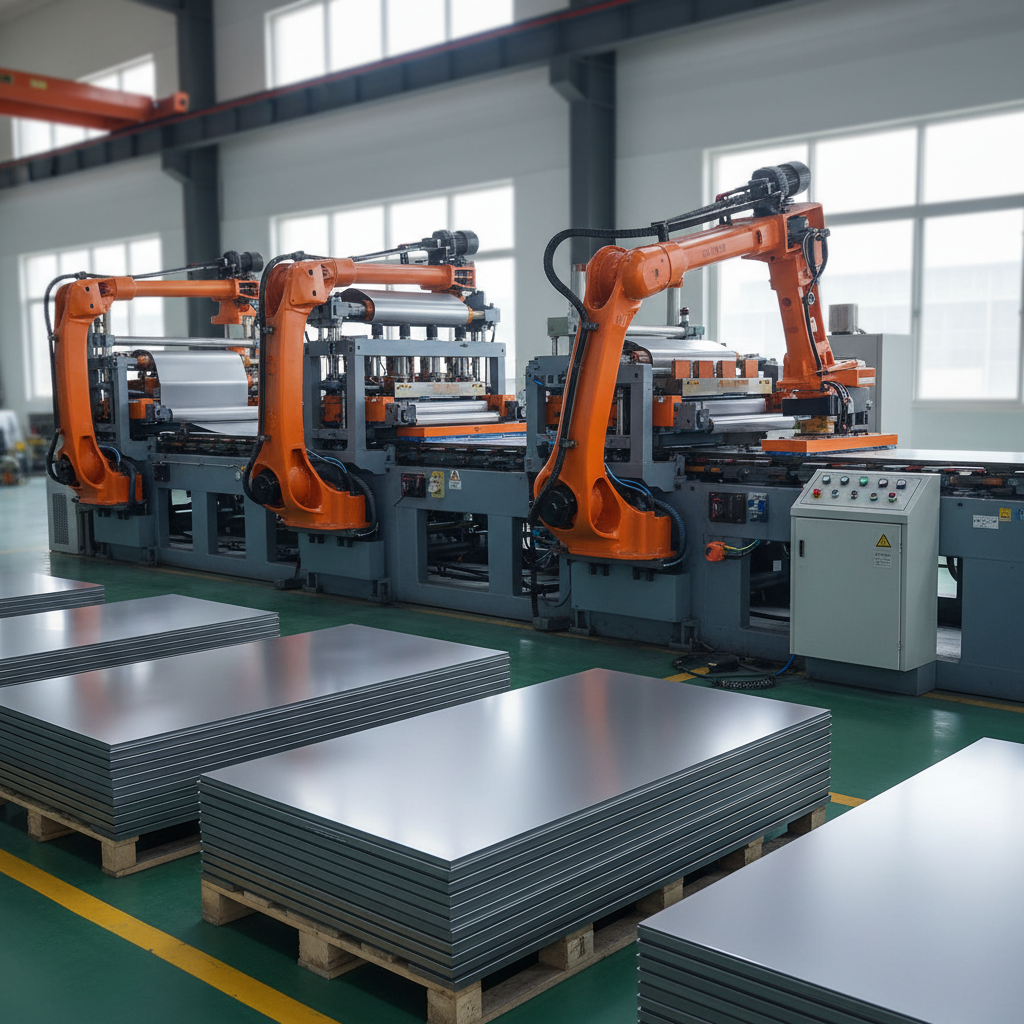
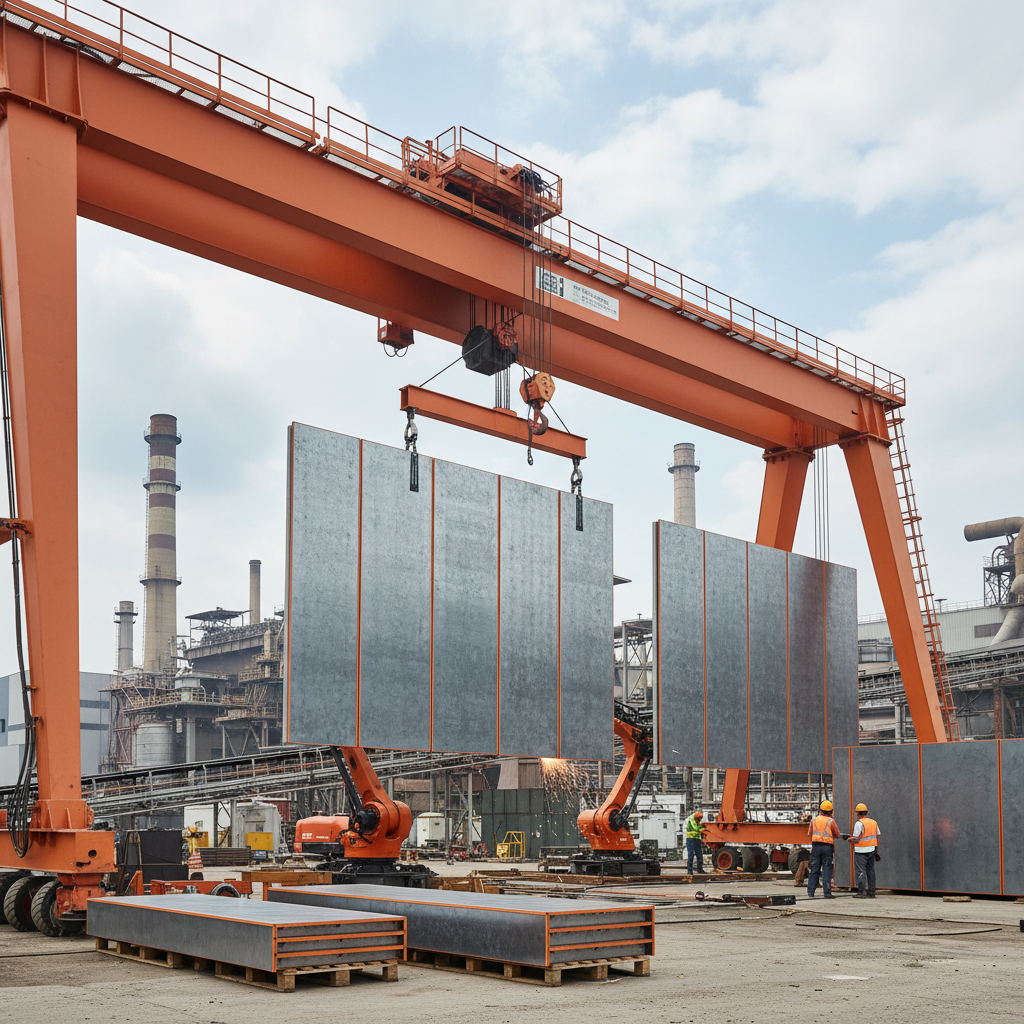
In the evolving landscape of modern architecture, acm (aluminum composite material) has emerged as a cornerstone for designers seeking a balance between aesthetic versatility and structural integrity. This engineered material, consisting of two thin aluminum sheets bonded to a non-aluminum core, provides a lightweight yet rigid solution that transcends the limitations of traditional solid metal panels or heavy masonry.
Globally, the demand for acm (aluminum composite material) is driven by the rapid urbanization of emerging economies and the stringent requirements for energy-efficient building envelopes in developed nations. Its ability to be fabricated into complex geometries allows architects to create iconic facades that were previously impossible or prohibitively expensive to execute, making it a preferred choice for commercial hubs and public infrastructure.
Understanding the technical nuances of acm (aluminum composite material)—from its fire-retardant core chemistries to its PVDF coating longevity—is essential for ensuring building safety and sustainability. By leveraging this material, the construction industry can reduce installation timelines and carbon footprints while achieving a high-end, professional finish that resists the wear and tear of harsh environmental conditions.
Global Relevance of acm (aluminum composite material)
The global construction market has seen a paradigm shift toward lightweighting, and acm (aluminum composite material) sits at the center of this transition. According to ISO standards for building materials, the industry is increasingly prioritizing materials that offer high strength-to-weight ratios to reduce the dead load on skyscraper foundations and seismic-prone structures.
In regions like Southeast Asia and the Middle East, the extreme climate demands materials that can withstand intense UV radiation and salinity. acm (aluminum composite material) addresses these challenges through advanced PVDF coatings, ensuring that building facades remain vibrant and corrosion-free for decades, thereby reducing the lifecycle cost of urban maintenance.
Defining the Composition of acm (aluminum composite material)
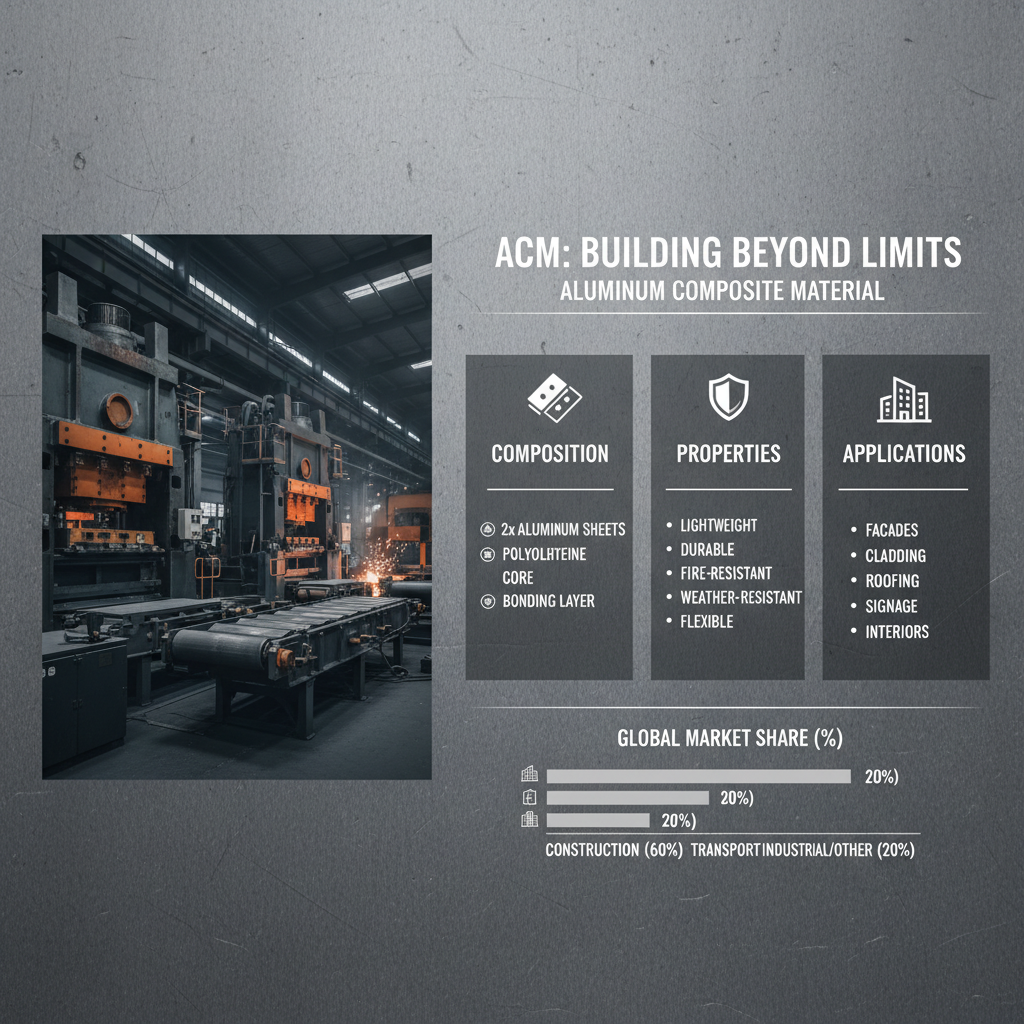
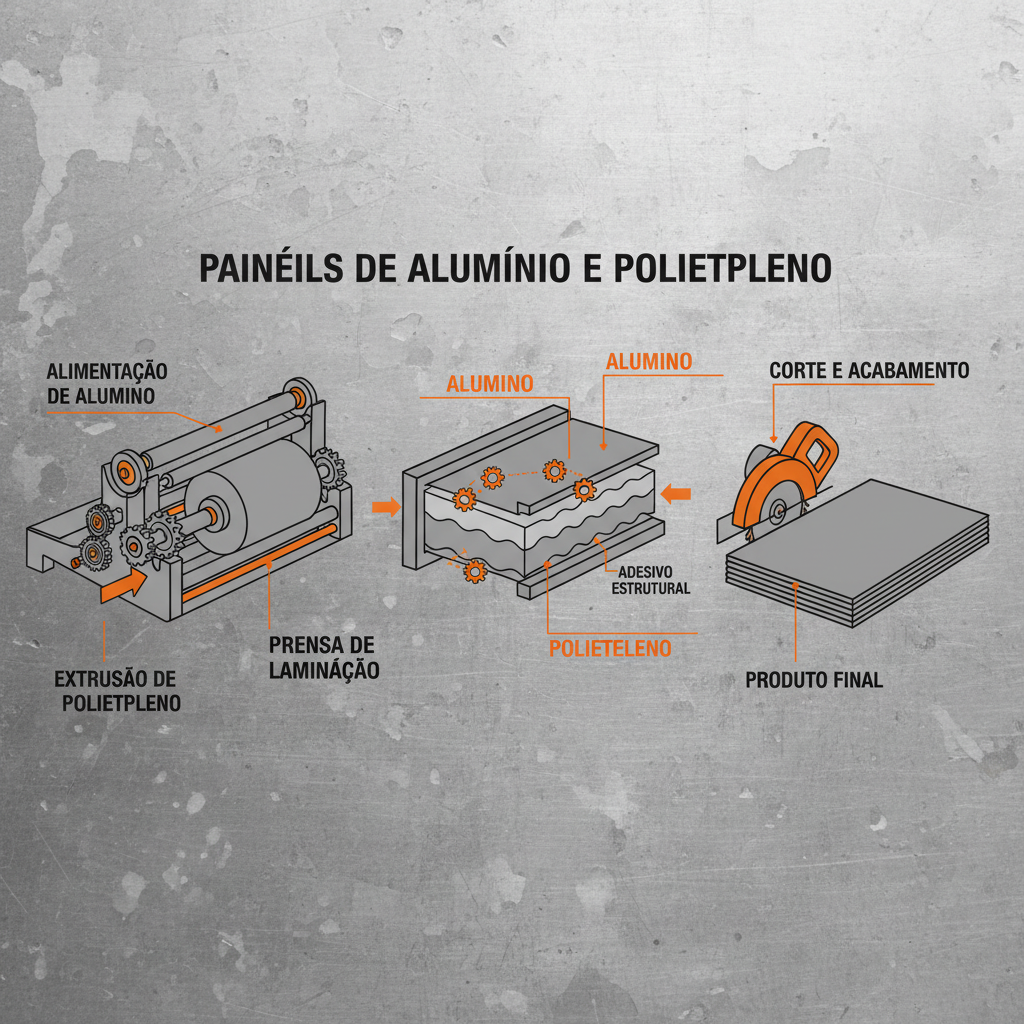
At its most basic level, acm (aluminum composite material) is a sandwich panel. It consists of two outer layers of high-grade aluminum alloy, which provide the primary structural face and aesthetic finish, bonded to a central core. This core can be made from polyethylene (PE) for general signage or mineral-filled fire-retardant (FR) materials for high-rise architectural cladding.
The synergy between these layers is what gives the material its unique properties. While the aluminum skins provide the weather resistance and rigidity, the core acts as a stabilizer and provides thermal insulation properties. This composite nature means the material does not warp as easily as solid aluminum sheets, allowing for much larger panel sizes without sacrificing flatness.
From a humanitarian and industrial perspective, the accessibility of acm (aluminum composite material) means it can be deployed quickly in modular housing or rapid-response infrastructure. Its ease of fabrication—capable of being routed, folded, and curved—makes it an indispensable tool for modern engineers who need to merge speed of construction with permanent quality.
Key Performance Factors of acm (aluminum composite material)
The durability of acm (aluminum composite material) is primarily defined by its surface treatment. High-performance PVDF (Polyvinylidene Fluoride) coatings are used to ensure that the material remains resistant to pollutants, acid rain, and fading, making it a logical choice for projects in heavily industrialized cities.
Scalability in design is another core factor. Because acm (aluminum composite material) is lightweight, it can be shipped in large quantities and installed with minimal heavy machinery, drastically reducing the logistical overhead for sprawling airport terminals or shopping malls.
Cost efficiency is realized not just in the material purchase, but in the installation phase. The ability to utilize standard routing tools to create "tray" panels allows for a snap-fit installation process, which reduces labor hours and minimizes waste compared to traditional stone or heavy metal cladding.
Global Applications and Use Cases for acm (aluminum composite material)
In real-world contexts, acm (aluminum composite material) is utilized across a vast array of sectors. In the corporate sector, it is the gold standard for corporate branding and exterior cladding, where a sleek, "hi-tech" appearance is required. In the transportation sector, it is frequently used for airport terminals and subway stations due to its cleanliness and ease of maintenance.
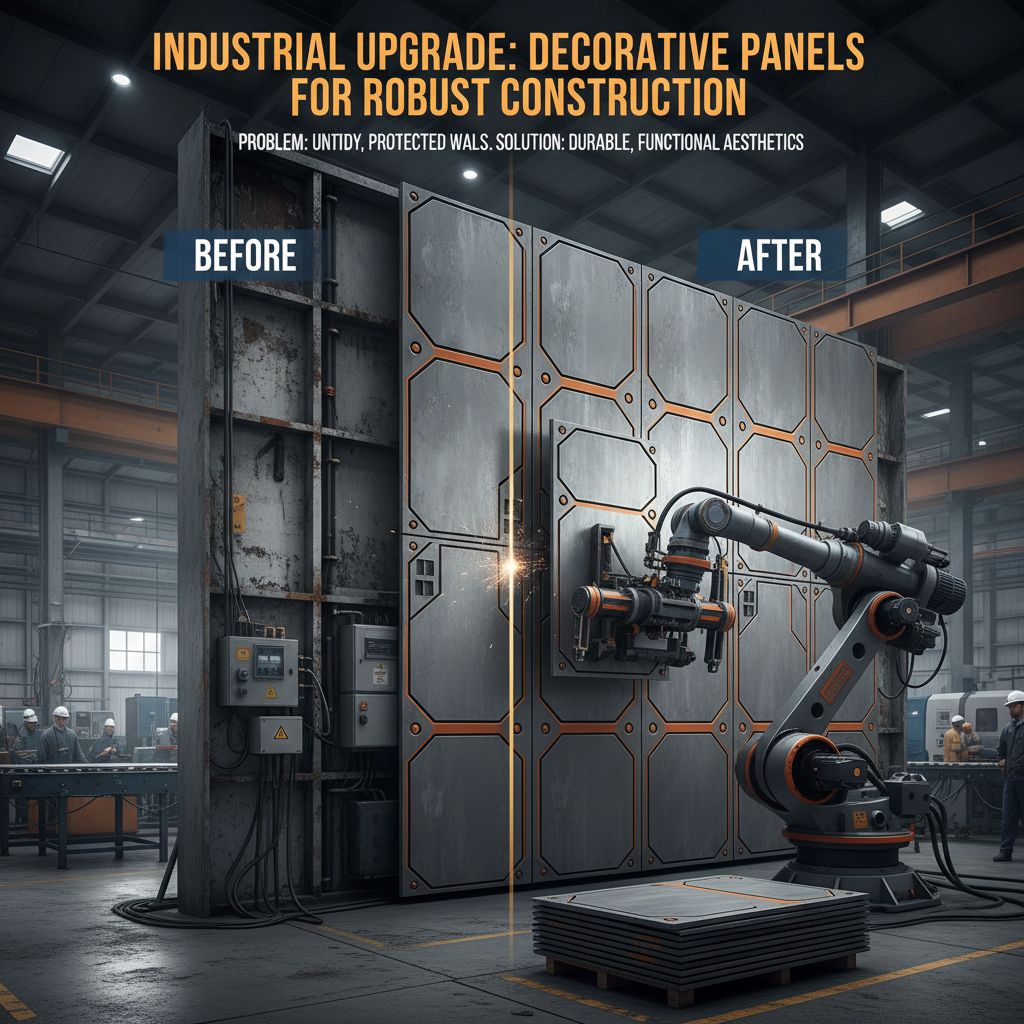
Beyond luxury builds, acm (aluminum composite material) plays a vital role in industrial zones. For instance, in remote mining facilities or oil refineries, the material is used for control room exteriors and modular office units because it can withstand corrosive environments while remaining easy to transport to off-grid locations.
Comparative Performance of acm (aluminum composite material) Core Types
Tangible Advantages and Long-Term Value
The long-term value of acm (aluminum composite material) lies in its exceptional reliability. Unlike wood, it does not rot; unlike steel, it does not rust; and unlike stone, it does not crack under thermal expansion. This inherent stability provides building owners with peace of mind, knowing that their investment is protected against the elements.
From a sustainability angle, acm (aluminum composite material) is highly recyclable. Aluminum is one of the most sustainable metals globally, and the ability to reclaim the skins at the end of a building's lifecycle aligns with the growing trend of circular economy in construction, adding an ethical dimension to its commercial appeal.
Future Trends and Innovations in acm (aluminum composite material)
The future of acm (aluminum composite material) is inextricably linked to "smart" architecture. We are seeing the integration of photovoltaic (PV) layers directly into the composite skins, turning entire building facades into energy-generating surfaces without sacrificing the aesthetic sleekness of the panels.
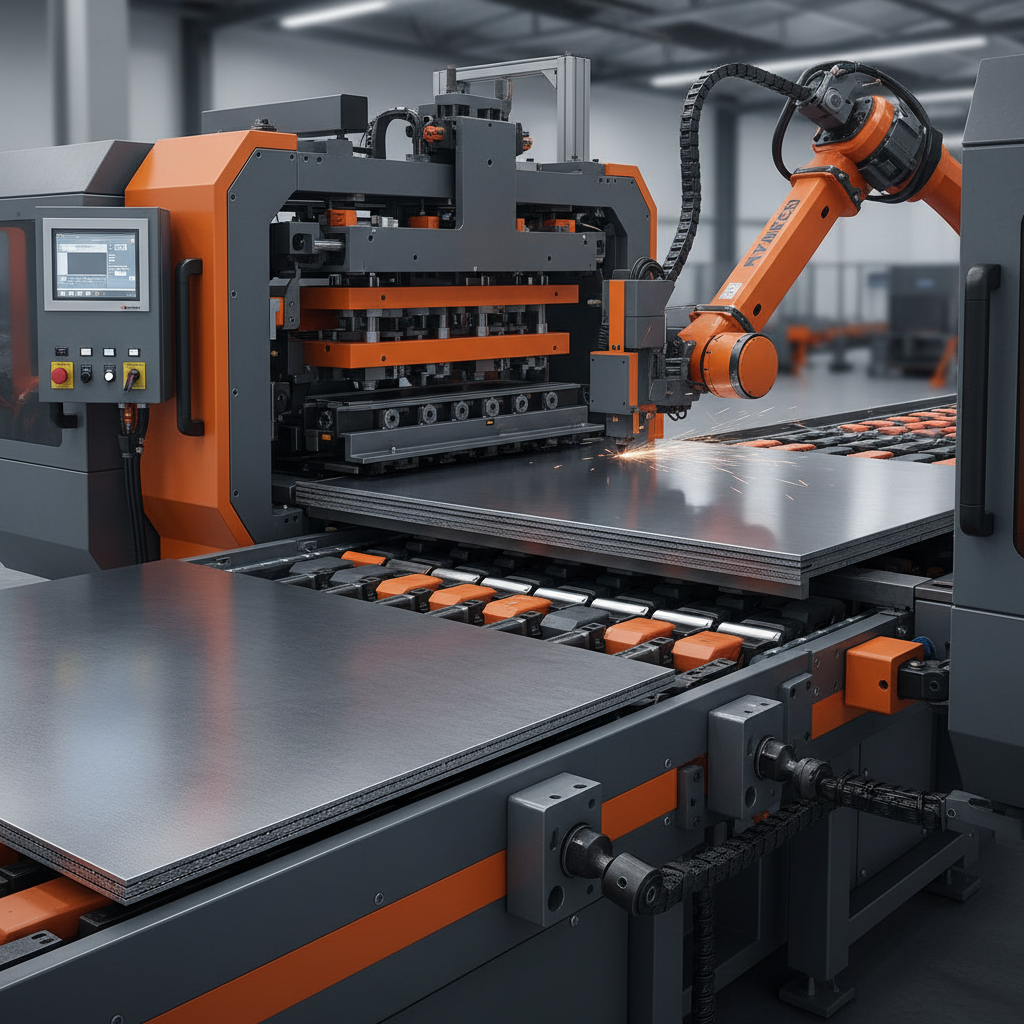
Digital transformation is also reshaping the manufacturing process. With the rise of BIM (Building Information Modeling), acm (aluminum composite material) panels can now be precision-cut using CNC automation directly from a digital blueprint, eliminating human error and reducing material waste to near zero.
Furthermore, there is a strong push toward "Ultra-Green" cores. Innovation is focusing on bio-based polymers and recycled mineral fillers to create an acm (aluminum composite material) that is not only fire-safe but carbon-neutral, ensuring the material meets the most stringent LEED and BREEAM certifications.
Overcoming Challenges in acm (aluminum composite material) Implementation
One of the primary challenges historically associated with acm (aluminum composite material) has been fire safety. Early PE-core panels were susceptible to flame spread. However, the industry has responded with the development of FR (Fire Retardant) and A2 (Non-combustible) cores, which use mineral hydroxides to suppress smoke and flame.
Another common limitation is the potential for "oil canning" or waviness if panels are installed too tightly. Expert installers now use advanced expansion joints and floating clip systems to allow the acm (aluminum composite material) to expand and contract naturally with temperature changes, ensuring a perfectly flat finish.
Lastly, the perceived "plastic" nature of some finishes is being overcome through the introduction of high-definition sublimated prints and anodized finishes. This allows acm (aluminum composite material) to mimic natural wood, marble, or brushed steel, bridging the gap between industrial efficiency and organic luxury.
Technical Comparison of acm (aluminum composite material) Specifications
|
Material Grade
|
Fire Rating (Standard)
|
Weight Density
|
Recommended Use
|
| PE Core ACM |
Class B/C |
Low |
Interior Signage |
| FR Core ACM |
Class B1 |
Medium |
Low-Rise Cladding |
| A2 Core ACM |
Class A2 (Non-combustible) |
High |
High-Rise Facades |
| Anodized ACM |
Variable |
Low |
Luxury Interiors |
| PVDF Coated ACM |
Variable |
Medium |
Exterior Weather-exposed |
| Unbreakable ACM |
Class B1 |
Medium |
High-Impact Areas |
FAQS
ACM offers a significantly higher strength-to-weight ratio and superior flatness. While solid aluminum can warp or "oil-can" when used in large sheets, the composite core of ACM provides structural rigidity that prevents buckling, making it more cost-effective and visually consistent for large facades.
Yes, provided that the correct core is used. For high-rise applications, it is critical to specify FR (Fire Retardant) or A2 (Non-combustible) cores. These materials are engineered to resist flame spread and meet strict international building codes, ensuring the safety of occupants and the structure.
When finished with a high-quality PVDF coating, ACM panels can maintain their color and gloss for 20 to 30 years, depending on the environment. PVDF is highly resistant to UV radiation and chemical pollutants, preventing the chalking or fading common in lower-grade paints.
Absolutely. The aluminum skins are 100% recyclable. While the core material varies, modern recycling processes can separate the aluminum from the polymer or mineral core, making ACM a sustainable choice for green building projects aiming for LEED certification.
PE (Polyethylene) cores are plastic-based and are primarily used for indoor signage or short-term installations because they are flammable. FR (Fire Retardant) cores contain mineral fillers that slow the spread of fire and are required for most architectural cladding projects.
ACM is typically installed using a "tray" system where the edges are routed and folded to create a rigid box. These trays are then fastened to a sub-frame (usually aluminum or galvanized steel) using rivets or screws, allowing for a clean, seamless exterior finish.
Conclusion
In summary, acm (aluminum composite material) represents the perfect intersection of industrial efficiency and architectural freedom. By combining the protective qualities of aluminum with the stability of a specialized core, it solves the critical challenges of weight, durability, and fire safety in modern construction. From corporate skyscrapers to modular industrial units, its versatility ensures it remains a primary choice for professionals worldwide.
As the industry moves toward smarter, greener cities, the continued evolution of acm (aluminum composite material)—incorporating energy-harvesting skins and carbon-neutral cores—will be pivotal. We encourage architects and developers to prioritize high-grade, certified materials to ensure long-term safety and aesthetic excellence. For more information and premium solutions, visit our website: www.acmfactory.com