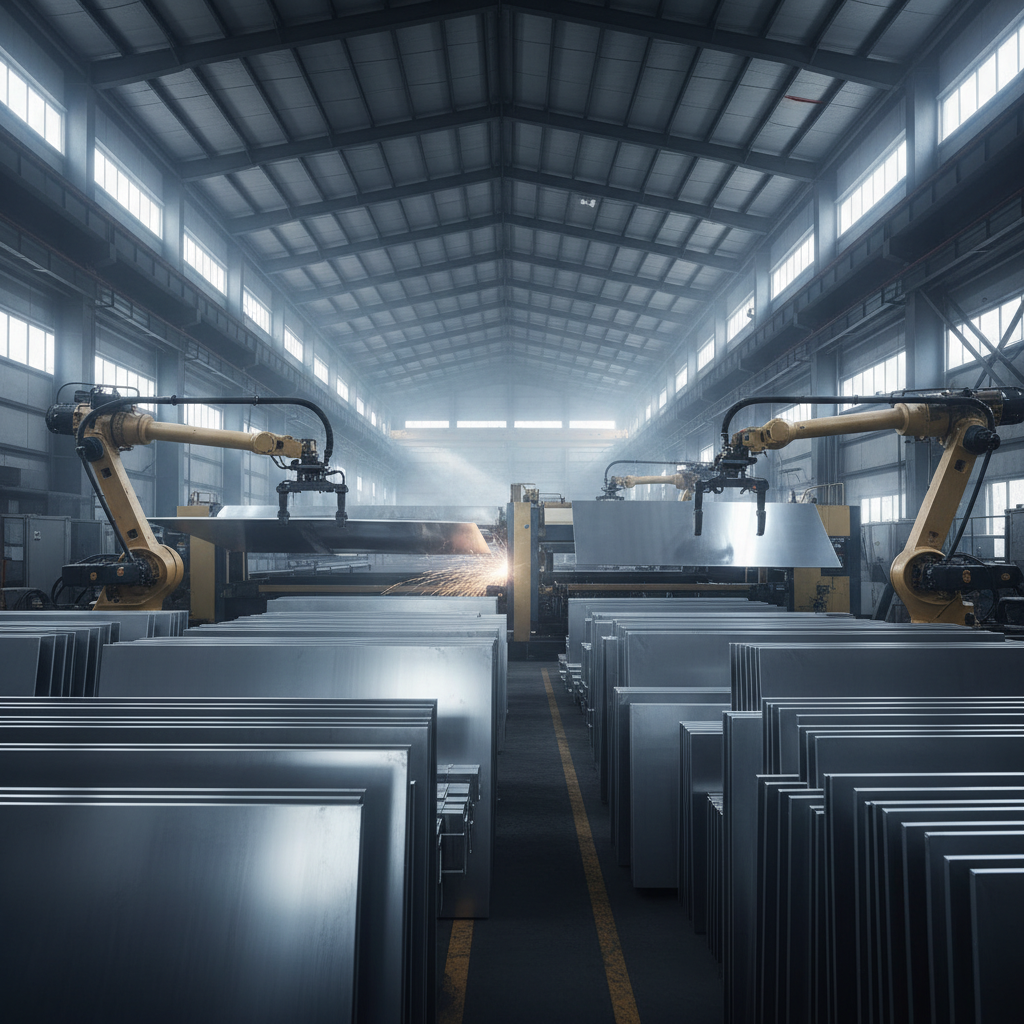
Look, I’ve spent the last fifteen years breathing dust on construction sites, wrestling with schedules, and frankly, getting to know materials better than most engineers. And let me tell you, when you’re facing a tight deadline, a tricky design, or just plain unpredictable weather, you need solutions that work. That's where painéis de alumínio e polietileno come in. They’re not just a trendy building material; they’re a lifesaver. It’s about getting the job done, done right, and getting it done on time. From sprawling commercial projects to quick-turnaround modular builds, these panels are changing the game, and I’ve seen it firsthand.
We're talking about a serious shift in how we approach construction. For years, we were limited by heavy, slow-to-install materials. Then came the pressure to build faster, lighter, and more sustainably. painéis de alumínio e polietileno fit that bill perfectly. They allow for design flexibility, faster installation, and a lighter overall load – crucial when you’re dealing with complex structures or challenging site conditions. It’s not just about efficiency; it’s about safety, too. Lighter materials mean easier handling, fewer risks, and a more manageable workload for the crews.
I’ve seen projects stalled because of material delays or installation headaches. The beauty of these panels is their relative ease of use and adaptability. They can be fabricated off-site, delivered ready to install, and integrated seamlessly into a wide range of designs. That means less wasted time, less wasted money, and fewer headaches for everyone involved. Frankly, as someone who’s spent years troubleshooting problems in the field, it’s refreshing to see a product that actually makes my job easier.
The Global Rise of painéis de alumínio e polietileno
You see painéis de alumínio e polietileno popping up everywhere, and for good reason. Globally, the demand for efficient and sustainable building materials is skyrocketing. According to a 2023 report by the World Bank, investment in infrastructure projects is projected to reach $6.3 trillion by 2030, with a significant portion dedicated to modernizing building techniques. That puts a lot of pressure on the industry to find solutions that can deliver speed, durability, and cost-effectiveness. These panels aren't just filling a niche; they're addressing a fundamental need in the global construction market.
It’s not just about big projects either. Consider the increasing need for rapid disaster relief housing and temporary structures. painéis de alumínio e polietileno offer a lightweight and quick-to-assemble solution for providing shelter in emergency situations. The versatility of these panels means they can be adapted to a wide range of climates and environments, making them a valuable asset in humanitarian efforts. And honestly, when you're dealing with people who've lost everything, speed and reliability are paramount.
Defining painéis de alumínio e polietileno: A Construction Staple
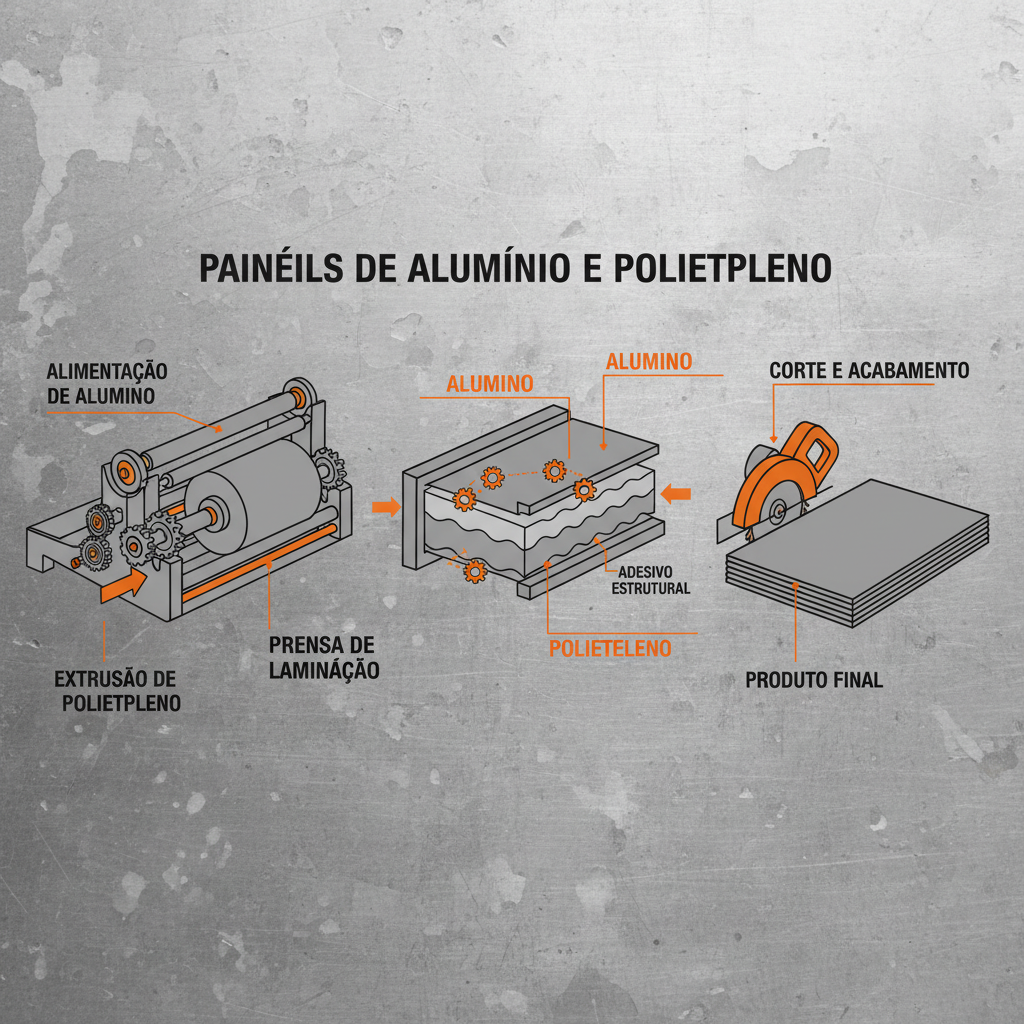
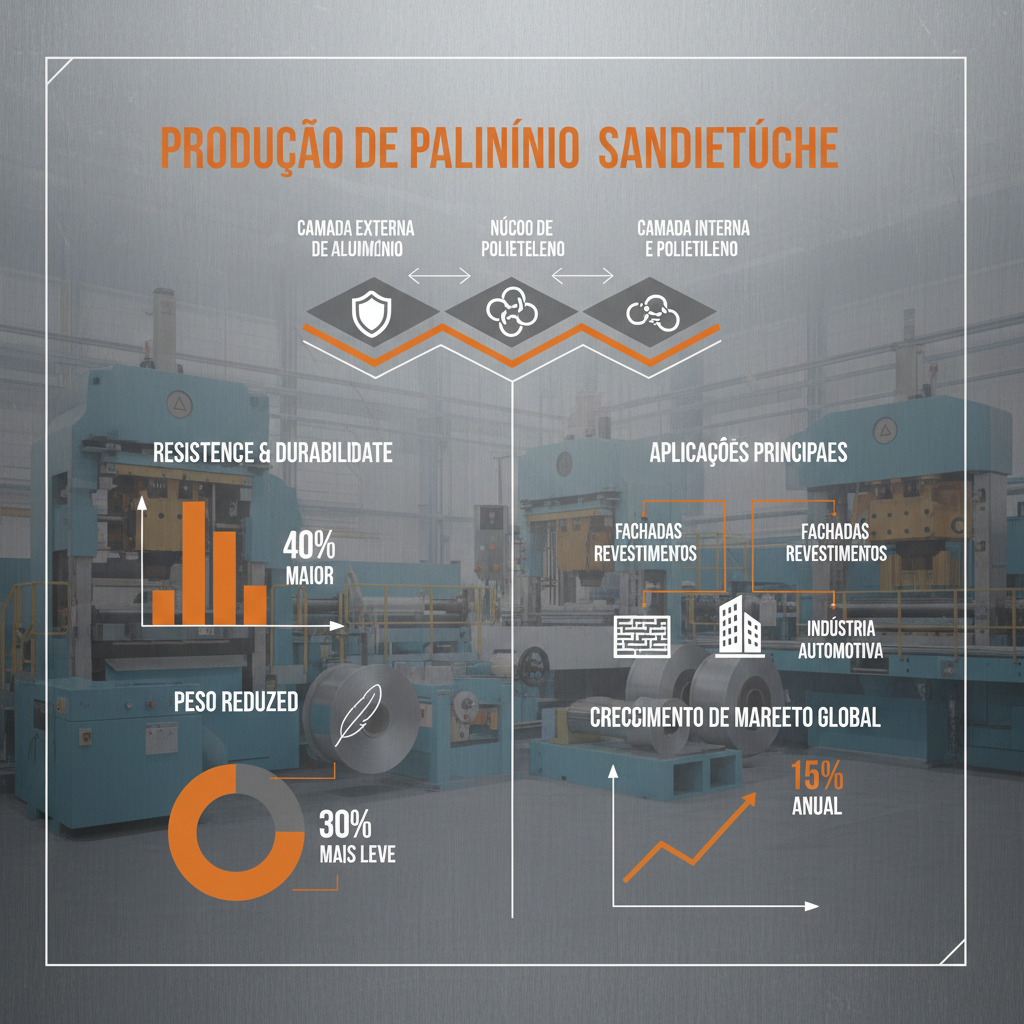
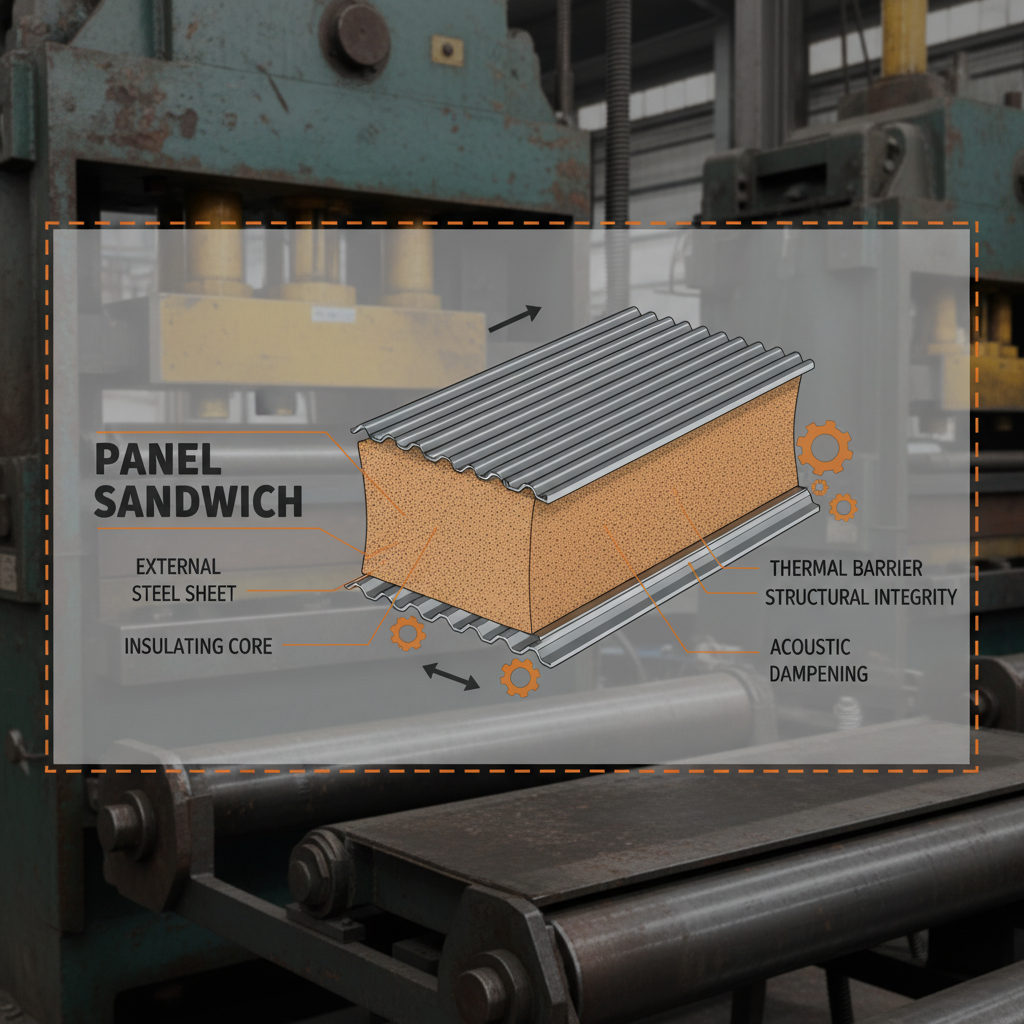
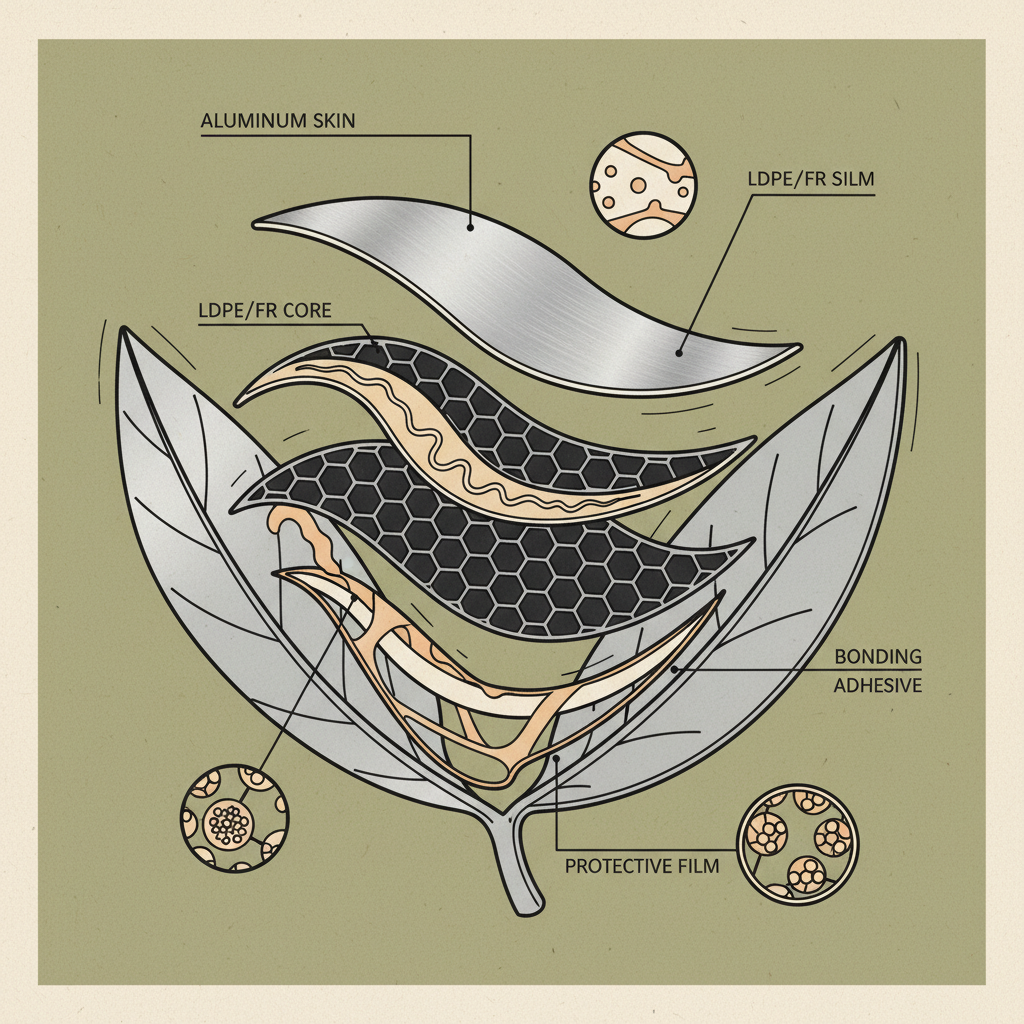
Simply put, painéis de alumínio e polietileno are composite panels consisting of a polyethylene core sandwiched between two aluminum sheets. It's a surprisingly simple concept, but the resulting material is incredibly strong, lightweight, and versatile. It’s not like working with solid metal or heavy concrete; it's more akin to working with a robust, engineered skin for a building.
This isn’t some brand-new invention; it’s been refined over decades. The original idea was to create a material that offered the aesthetic appeal of metal without the weight and cost. But it’s evolved into so much more. It's become a core component of modern architecture and construction, allowing for innovative designs and efficient building practices.
And it’s increasingly critical for tackling modern construction challenges. Think about the need for sustainable building materials; painéis de alumínio e polietileno can be manufactured using recycled materials, and their lightweight nature reduces transportation costs and overall energy consumption. It directly addresses concerns around resource efficiency and carbon footprint.
Core Components of painéis de alumínio e polietileno
Let’s break it down. The aluminum facing provides rigidity, weather resistance, and a smooth surface for painting or other finishes. You’ve got different aluminum alloys available, each offering varying degrees of strength and corrosion resistance, which is important depending on the environment. We typically spec out thicker aluminum for coastal projects or areas with harsh weather.
The polyethylene core is the real workhorse. It’s what gives the panel its lightweight nature and thermal insulation properties. The density of the core can be adjusted to meet specific requirements. Fire-retardant cores are now standard, and that's a non-negotiable on most projects. I've seen too many near misses to ever compromise on fire safety.
Finally, the adhesive bond between the aluminum and the core is critical. It has to withstand temperature fluctuations, wind loads, and years of exposure. Modern adhesives are incredibly strong and durable, but quality control during manufacturing is paramount. You don’t want delamination issues down the line. That’s where choosing a reputable supplier like painéis de alumínio e polietileno makes all the difference.
Practical Applications Across Industries
I’ve used painéis de alumínio e polietileno on everything from modern office buildings and retail facades to airport terminals and even gas station canopies. The versatility is remarkable. They can be easily formed into curves and complex shapes, allowing architects to realize their creative visions.
In the transportation sector, you’ll find them used for railway station cladding and airport structures. The lightweight nature is a huge advantage when you're dealing with existing infrastructure that can’t support heavy loads. And in the marine industry, they’re used for boat hulls and superstructures because of their corrosion resistance.
Application Suitability of painéis de alumínio e polietileno
Advantages and Long-Term Value Proposition
The biggest advantage, honestly, is the speed of installation. That translates directly into labor savings and reduced project timelines. You’re talking about significantly less time on-site, which means less disruption and lower overall costs. That’s a huge selling point for developers and clients.
Beyond the initial cost savings, you’ve got long-term benefits like low maintenance and durability. These panels resist corrosion, fading, and impact damage, which means minimal upkeep over the life of the building. And that’s not just good for the bottom line; it’s good for the environment, reducing the need for frequent replacements.
Global Applications & Use Cases
I recently worked on a project in Dubai, cladding a high-rise hotel with painéis de alumínio e polietileno. The extreme heat and humidity demanded a material that could withstand the elements, and these panels performed flawlessly. Similarly, in a cold climate project in Canada, the thermal insulation properties of the panels were key to reducing energy consumption and maintaining comfortable indoor temperatures.
You’ll also see them increasingly used in modular construction projects. The lightweight nature makes them ideal for prefabricated units that can be quickly assembled on-site. This is particularly valuable for affordable housing projects or temporary facilities, where speed and cost-effectiveness are critical.
Even NGOs are utilizing painéis de alumínio e polietileno for disaster relief shelters. The quick assembly and durability make them a far superior option to traditional tents or tarps, providing a more dignified and secure environment for those in need.
Future Trends & Innovation in painéis de alumínio e polietileno
We’re seeing a lot of innovation in the core materials. Companies are developing more sustainable and fire-resistant core options, utilizing recycled plastics and mineral-filled compounds. This is a big focus, driven by stricter building codes and a growing demand for eco-friendly materials.
Another trend is the integration of smart technologies. Some manufacturers are embedding sensors into the panels to monitor temperature, humidity, and structural integrity. This data can be used to optimize building performance and prevent potential problems.
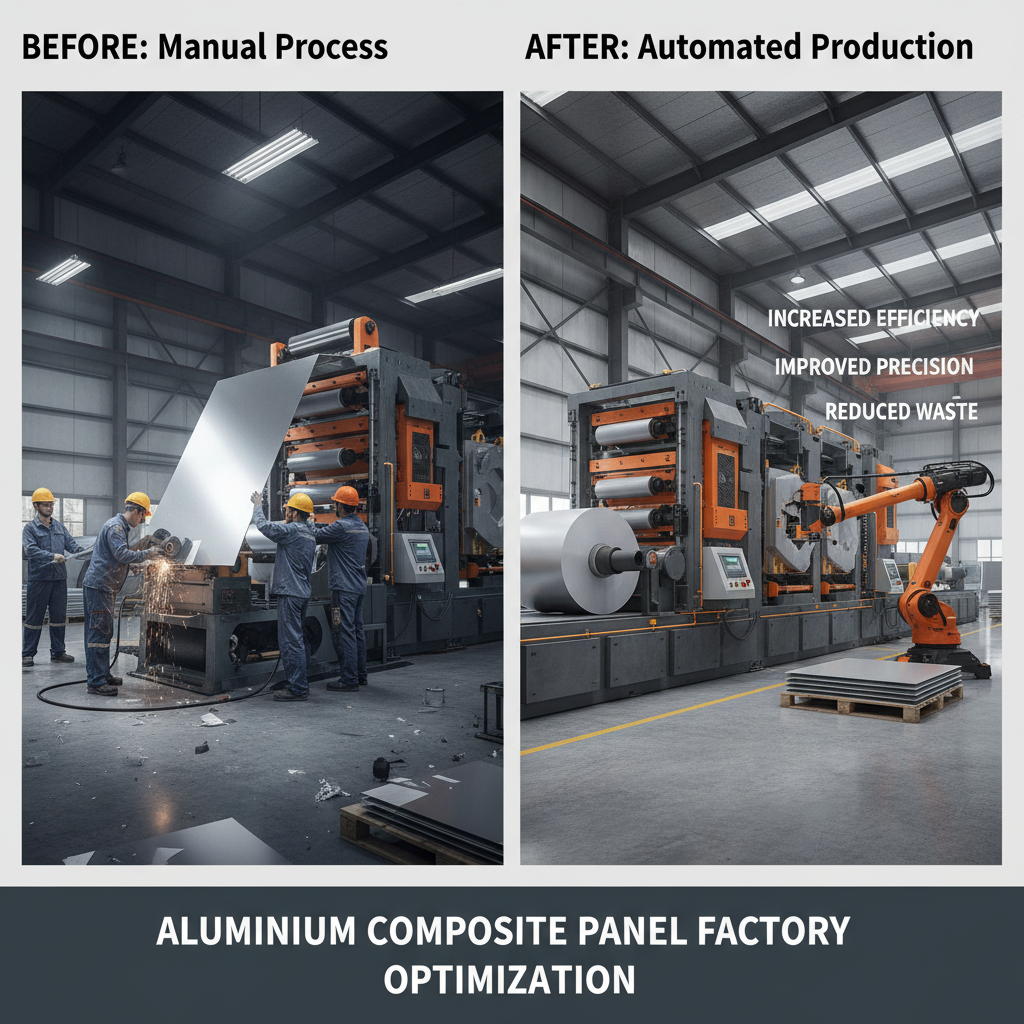
And finally, advancements in digital fabrication are allowing for even more complex and customized designs. CNC machining and robotic fabrication are making it possible to create intricate patterns and shapes with precision and efficiency. It's a pretty exciting time to be in this industry.
Core Component Analysis of painéis de alumínio e polietileno
| Component |
Material Composition |
Performance Metric |
Sustainability Rating (1-10) |
| Aluminum Facing |
Alloy 3003, Alloy 5005 |
Tensile Strength (MPa) |
7 |
| Polyethylene Core |
Low-Density Polyethylene (LDPE) |
Thermal Conductivity (W/mK) |
4 |
| Adhesive Bond |
Polyurethane Adhesive |
Shear Strength (kPa) |
6 |
| Protective Coating |
PVDF Resin |
UV Resistance (Years) |
8 |
| Fire Retardant Additive |
Magnesium Hydroxide |
Flame Spread Index |
9 |
| Panel Thickness |
3mm - 8mm |
Sound Insulation (dB) |
5 |
FAQS
Fire safety is paramount. Modern painéis de alumínio e polietileno often incorporate fire-retardant core materials like mineral-filled compounds. It's crucial to verify that the panels meet local building codes and have been tested and certified by accredited laboratories. The fire rating and flame spread index should always be considered during material selection. Remember, choosing a reputable supplier is key to ensuring compliance with safety standards.
painéis de alumínio e polietileno generally offer superior weather resistance compared to many traditional cladding materials. The aluminum facing provides excellent protection against corrosion, UV radiation, and moisture. The protective coatings, like PVDF resin, further enhance their durability. They’re less prone to cracking, fading, or warping over time, making them a long-lasting and low-maintenance solution.
With proper installation and maintenance, painéis de alumínio e polietileno installations can easily last 25-30 years, or even longer. The lifespan is influenced by factors like the climate, the quality of the materials, and the level of exposure to harsh conditions. Regular inspections and cleaning can help extend their service life.
The environmental impact can vary. Aluminum production is energy-intensive, but many manufacturers are utilizing recycled aluminum to reduce their carbon footprint. The polyethylene core can also be made from recycled materials. Their lightweight nature reduces transportation costs and energy consumption. Choosing a supplier committed to sustainable practices is crucial.
painéis de alumínio e polietileno are relatively low-maintenance. Periodic cleaning with mild soap and water is typically sufficient to remove dirt and grime. In coastal areas, more frequent cleaning may be required to prevent salt buildup. Regular inspections for any signs of damage or corrosion are also recommended.
The initial cost can be slightly higher than some traditional cladding options, but the long-term value proposition is often superior. The faster installation, lower maintenance requirements, and extended lifespan can result in significant cost savings over the life of the building. It's important to consider the total cost of ownership, not just the upfront price.
Conclusion
painéis de alumínio e polietileno aren't just another building material; they represent a fundamental shift in how we approach construction. They offer a unique combination of durability, versatility, and cost-effectiveness that addresses many of the challenges facing the industry today. From speeding up project timelines to reducing environmental impact, these panels are delivering real value for developers, contractors, and end-users alike. They’re not a quick fix; they’re a smart investment.
Looking ahead, continued innovation in materials science and fabrication techniques will further enhance the performance and sustainability of painéis de alumínio e polietileno. I predict we'll see even wider adoption of these panels in a variety of applications, from high-rise buildings to affordable housing. If you're serious about building efficiently, sustainably, and with long-term value in mind, explore the possibilities of these panels. Visit our website at www.acmfactory.com to learn more.