Look, after running around construction sites all year, you start to see patterns. Right now? Everyone’s chasing thinner, lighter, more sustainable stuff. Aluminum composite panels – ACM, as we call ‘em – are at the heart of it. It’s not a new thing, mind you, but the demand… it's just gone through the roof. Seems like every project wants a sleek, modern look, and ACM delivers. But, honestly, a lot of folks jump in without really understanding the details. You get what you pay for, always.
I’ve seen so many projects get bogged down because someone skimped on the core material. It’s not just about the aluminum facesheets, it’s what’s in between. Fire resistance, peel strength, weatherproofing… it all hinges on that core. And believe me, a failed peel test can shut down a whole build. It's a headache.
To be honest, the whole industry's shifting. Used to be, you'd just order a standard panel size and hope for the best. Now, everyone wants customization. Bespoke colors, different core thicknesses, specialized coatings… It's a bit of a pain for suppliers, but hey, that’s progress, right?
Industry Trends & Design Pitfalls
Have you noticed how everyone wants sharper edges these days? They're pushing the limits of what’s practical with ACM. Bending it too tightly, especially with a flimsy core, and you’ll get delamination. Strangelty, the designers don’t always get how the material behaves in the real world. They see it on a screen, it looks good, but they haven’t thought about wind load or thermal expansion.
The biggest trend, though, is sustainability. Clients are demanding eco-friendly options. Recycled cores, low-VOC coatings… it’s good, but it drives up the cost. It's a balancing act, always. And don't even get me started on the supply chain disruptions… that’s a whole other story.
Material Deep Dive: What's Inside
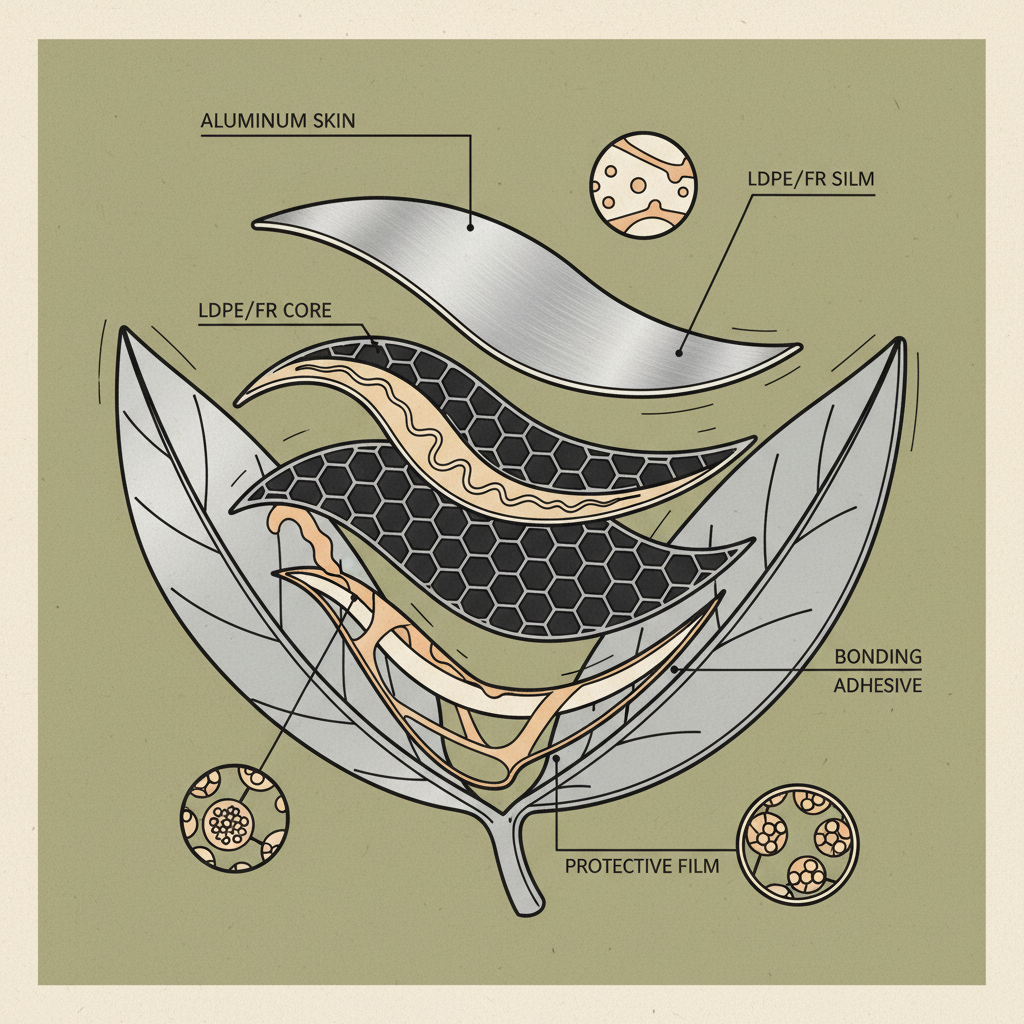
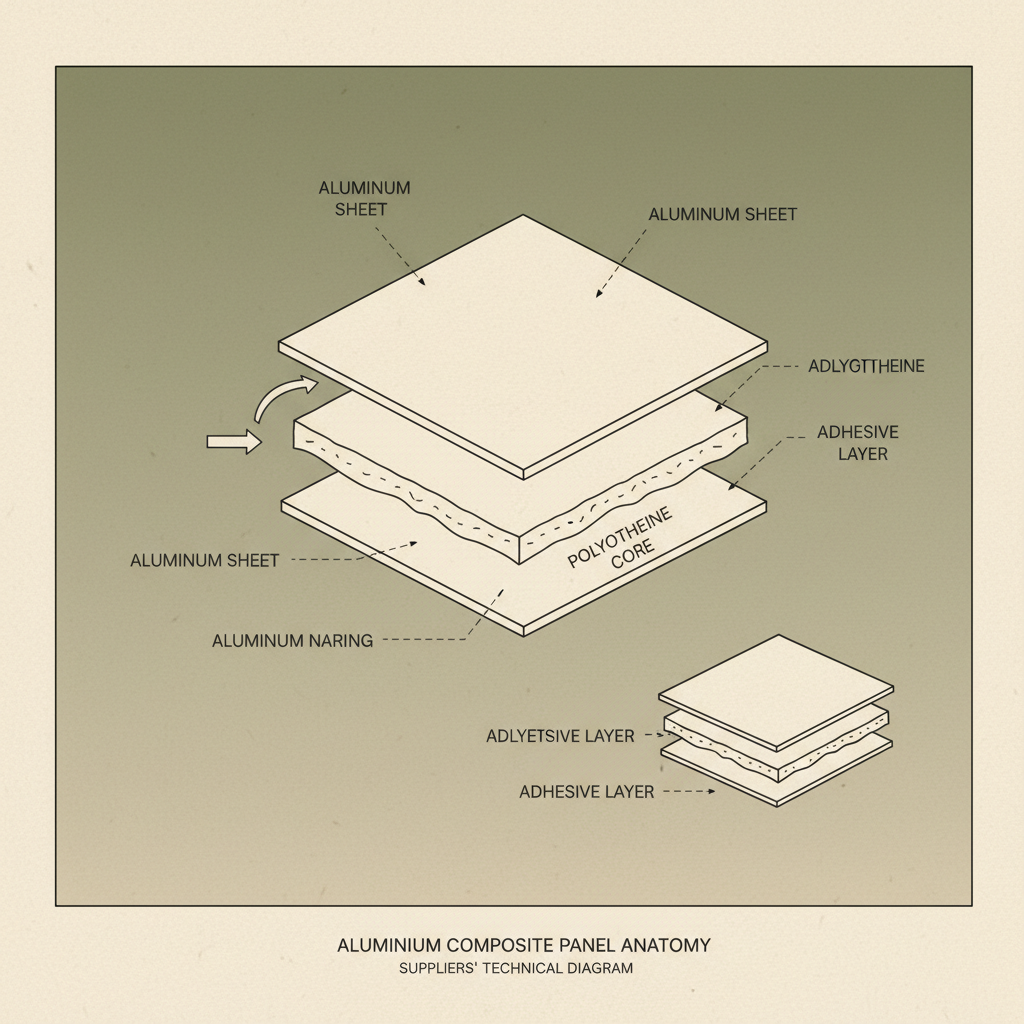
The aluminum itself is pretty standard – typically 3003 or 5052 alloy. It’s lightweight, corrosion-resistant, and easy to work with. But the feel… that’s what tells you something. Good aluminum feels substantial. Cheap aluminum feels… well, cheap. You can smell the difference sometimes, too, believe it or not.
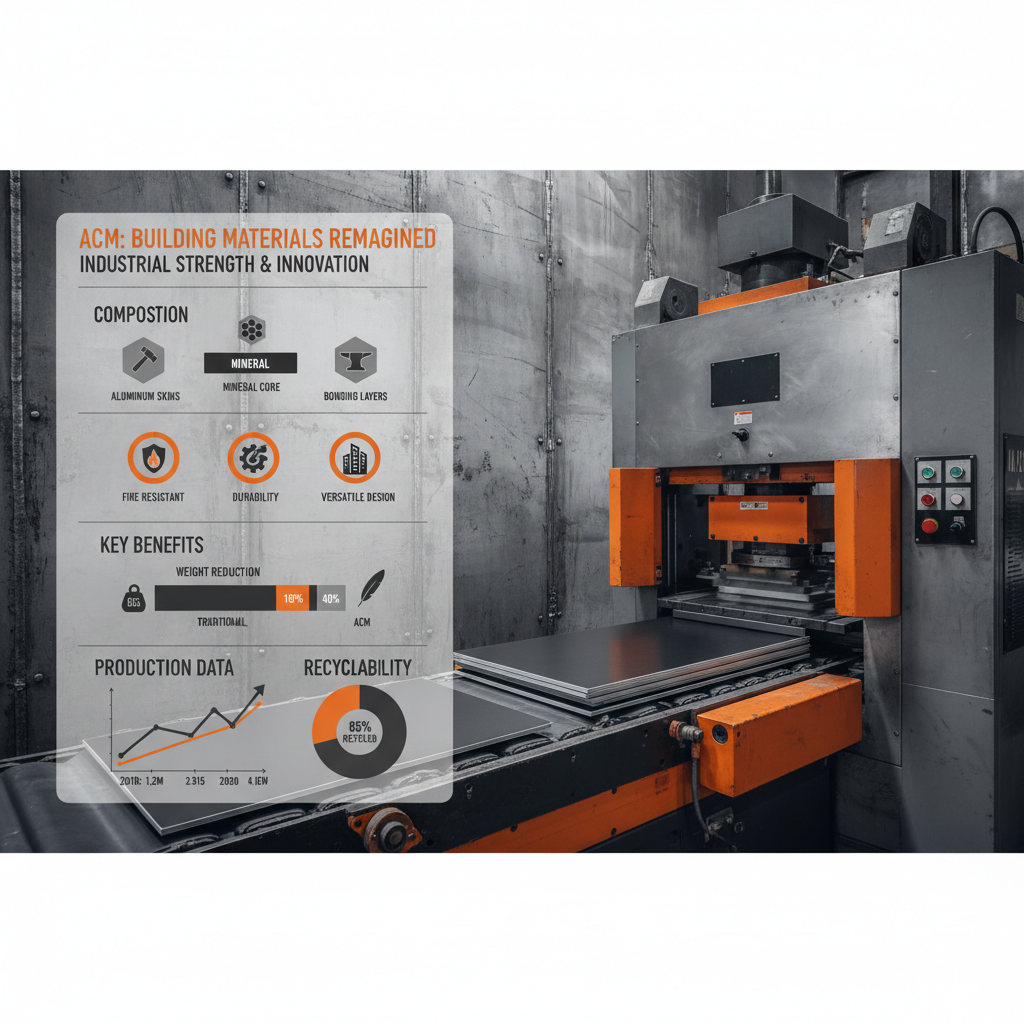
Then you’ve got the core. That’s where it gets interesting. Fire-retardant mineral-filled cores are the most common, but you also see polyethylene (PE), polypropylene (PP), and even honeycomb cores for specialized applications. PE is the cheapest, but it's flammable. PP is better, but still not ideal for high-rise buildings. Mineral cores are the safest, but they're heavier and more expensive.
I encountered this at a factory in Foshan last time; they were trying to pass off a low-density PE core as fire-rated. Luckily, the engineer on-site caught it during a spot check. Saved a lot of trouble, that did.
Real-World Testing & Performance
Lab tests are fine, but they don't tell the whole story. I've seen panels pass all the certifications and still fail spectacularly in the field. The real test is how it holds up to actual weather conditions – rain, wind, sun exposure. We've done tests where we leave panels exposed for a year, then check for discoloration, corrosion, and delamination.
Peel strength testing is crucial. We use a machine that basically tries to rip the aluminum facesheet off the core. It gives you a good indication of how well the materials are bonded together. Also, impact resistance. We drop weights on the panels to see how much damage they can withstand before failing. It's not pretty, but it's necessary.
Anyway, I think one of the biggest issues is proper installation. If it's not installed correctly, even the best ACM panel will fail. That means using the right fasteners, proper spacing, and ensuring a watertight seal. It's the little things, you know?
How Customers Actually Use ACM
Most clients think of ACM as just cladding – a skin for the building. And yeah, that’s the primary use. But it’s also used for signage, interior panels, even furniture. I've seen it used to create elaborate retail displays, and it looks fantastic.
What surprises me is how often people underestimate the maintenance requirements. ACM needs to be cleaned regularly to prevent dirt and grime from building up and causing discoloration. And depending on the coating, you might need to re-coat it every few years to maintain its appearance.
Advantages, Disadvantages & Customization
Okay, the advantages are pretty clear: lightweight, durable, versatile, relatively inexpensive. It's a fast way to get a modern look. But the disadvantages… well, it's not perfect. It can be dented, scratched, and, as we discussed, flammable if you choose the wrong core.
Customization? Absolutely. We’ve done everything from custom colors and textures to panels with integrated LED lighting. Last year, a hotel in Dubai wanted panels that mimicked the look of natural stone. It was a challenge, but we pulled it off. They even wanted different panel sizes for a specific artistic effect. It's doable, but it adds complexity and cost.
A Shenzhen Story: The Debacle
Last month, that small boss in Shenzhen who makes smart home devices – old Mr. Li, always full of ideas – insisted on changing the interface to on a new product line using ACM for the housing. He thought it looked “more modern”. The problem was, the standard ACM panels we supplied weren't designed for that kind of opening. He tried forcing it, and the panels cracked.
The result? A whole batch of damaged panels, a delayed product launch, and a very unhappy Mr. Li. He eventually agreed to go back to the original design, but it cost him time and money. It’s a classic case of form over function, and it happens all the time.
Later… Forget it, I won't mention how much he tried to bargain with me over the cost. Some people just don't learn.
Core Component Analysis
To really understand ACM, you’ve gotta break it down. It’s not just about slapping aluminum sheets together. The core material dictates so much of the panel’s performance. It affects everything from fire resistance to thermal insulation to soundproofing.
We analyze core density, composition, and bonding strength. A weak core means a weak panel, plain and simple. I've seen cores that literally crumbled when you squeezed them. That’s a red flag.
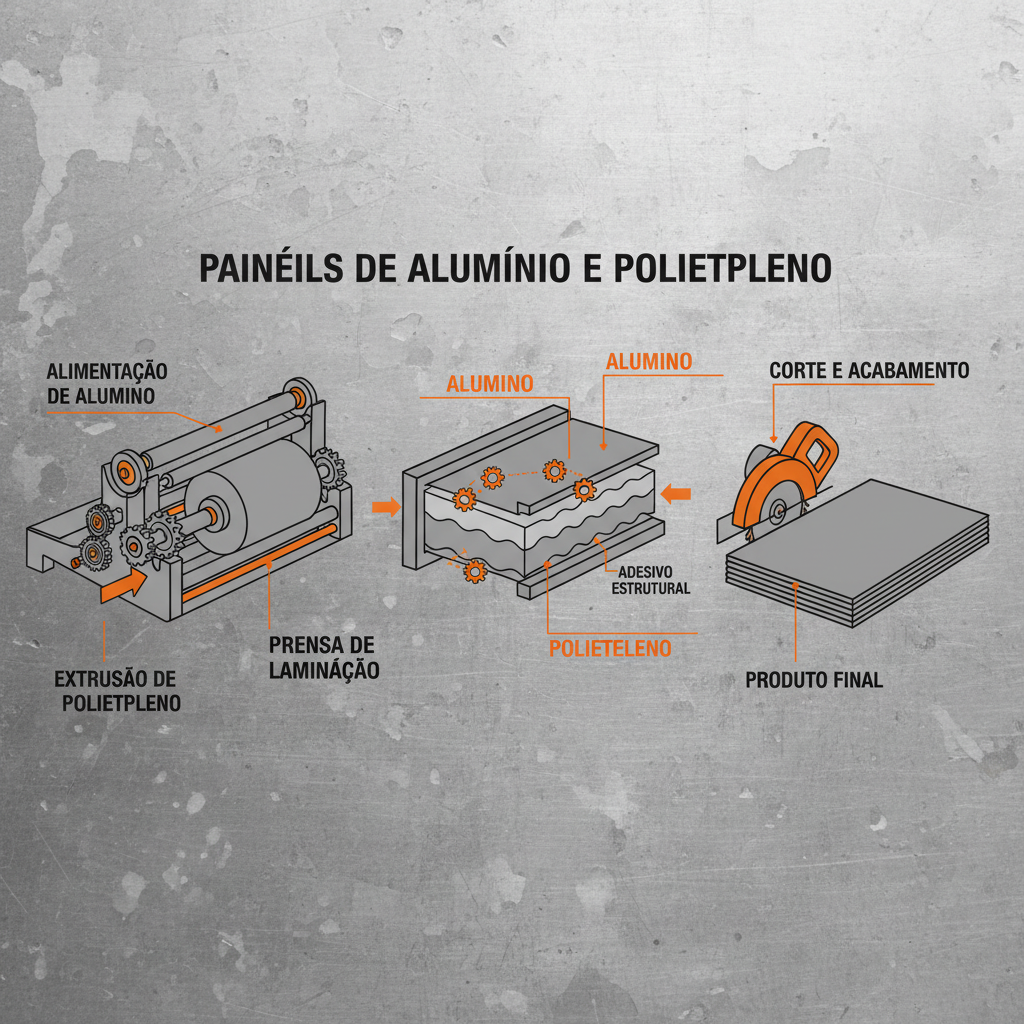
And it’s not just about the material itself; it's about how it's manufactured. A poorly manufactured core can have voids and inconsistencies that weaken the panel. It's a devilish detail, but it matters.
Core Component Comparison: A Rough Overview
| Core Material |
Fire Resistance |
Cost (1-10) |
Typical Applications |
| Polyethylene (PE) |
Low |
2 |
Interior Signage, Non-Critical Cladding |
| Polypropylene (PP) |
Medium |
4 |
General Cladding, Retail Displays |
| Mineral Filled |
High |
7 |
High-Rise Buildings, Fire-Rated Applications |
| Honeycomb |
Medium |
6 |
Curved Surfaces, High-Strength Applications |
| Fire-Rated (FR) |
Very High |
9 |
Hospitals, Schools, Airports |
| Expanded Polystyrene (EPS) |
Low |
3 |
Low-Cost Interior Applications |
FAQS
Honestly, it’s skimping on the core. They see the shiny aluminum and think that's all that matters. But the core dictates fire resistance, insulation, and overall panel strength. A cheap core will lead to headaches down the road. You get what you pay for, always. Don’t fall for the price trap, it's never worth it.
Crucial. Absolutely crucial. ACM looks easy to install, but there’s a lot that goes into it. Proper fasteners, correct spacing, watertight sealing... If it’s not done right, you’ll end up with leaks, corrosion, and panels falling off. Hire a qualified installer. Don't try to DIY this one.
Regular cleaning is essential. Dirt and grime build up over time and can discolor the panels. Use a mild detergent and water. Avoid abrasive cleaners, they’ll scratch the surface. Depending on the coating, you might need to re-coat it every few years to maintain its appearance. It’s not a ‘set it and forget it’ material.
Yes, but you need to choose the right core and coating. Aluminum is naturally corrosion-resistant, but the core material can be susceptible to moisture. Mineral-filled cores are a good choice for humid environments. Also, make sure the coating is designed to withstand UV exposure and humidity. Proper sealing is also key.
With proper maintenance, a good ACM installation can last 20-30 years, easily. But it depends on the climate, the quality of the materials, and how well it was installed. Coastal areas with salt air are particularly harsh on ACM, so you’ll need to clean and maintain it more frequently.
It’s getting there. Aluminum is recyclable, which is a plus. And some manufacturers are now using recycled aluminum in their panels. There's also growing interest in bio-based core materials. It’s not perfect, but it’s definitely improving. And compared to some other cladding options, it's relatively lightweight, reducing transportation costs.
Conclusion
So, there you have it. ACM is a versatile, cost-effective cladding material, but it’s not a silver bullet. You need to understand the nuances, choose the right materials for the application, and ensure proper installation. It’s about balancing cost, performance, and sustainability. It's a complex world.
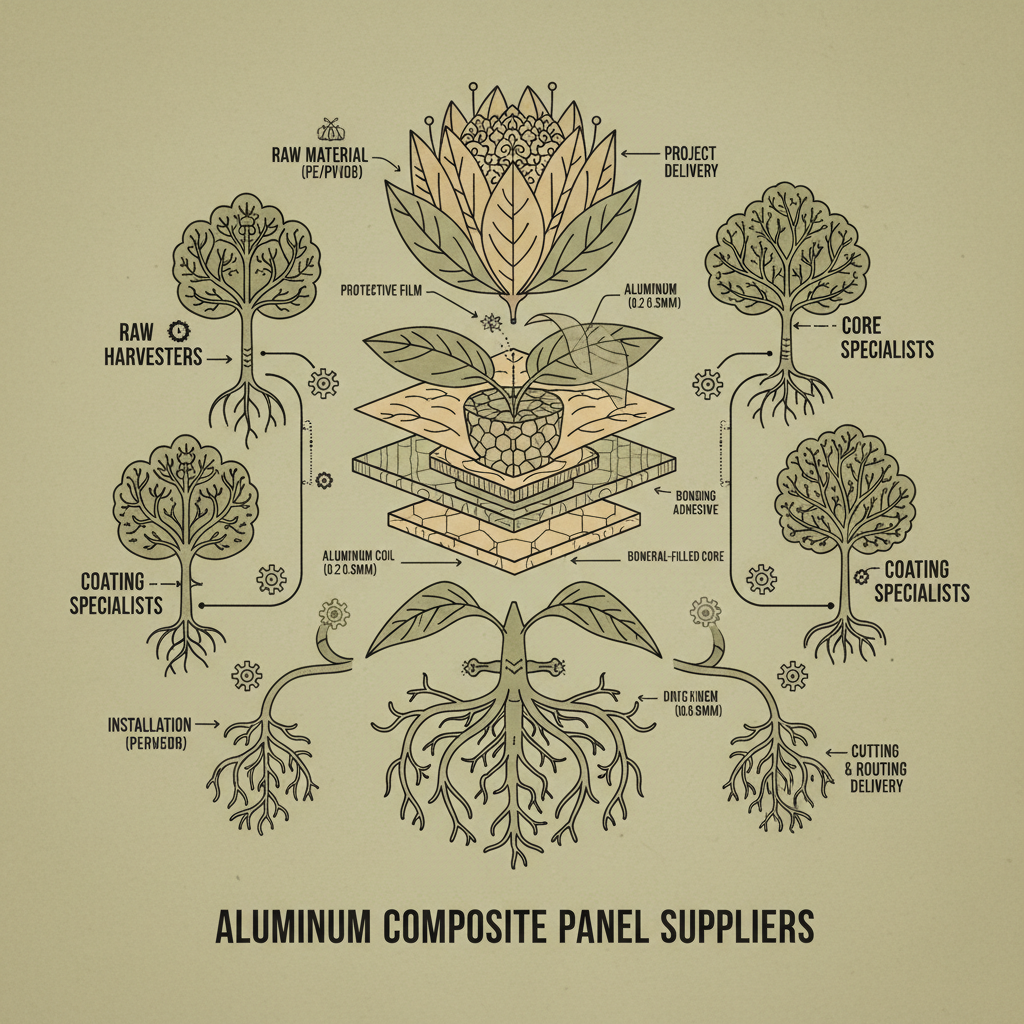
Ultimately, whether this thing works or not, the worker will know the moment he tightens the screw. If it feels solid, looks right, and doesn't give you a bad vibe, you’re probably on the right track. Trust your gut, and don't be afraid to ask questions. And if you’re looking for reliable aluminum composite panel suppliers, check out acmfactory.com. They know their stuff.