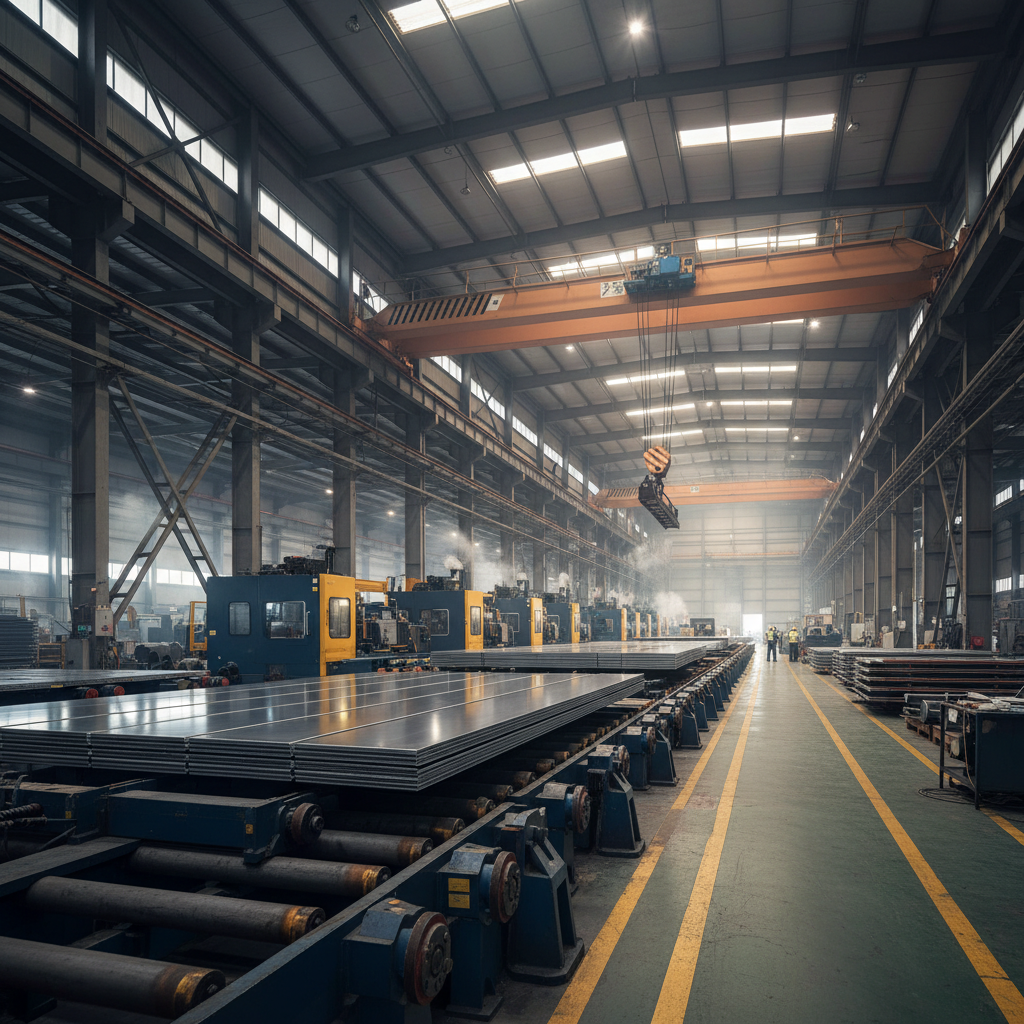
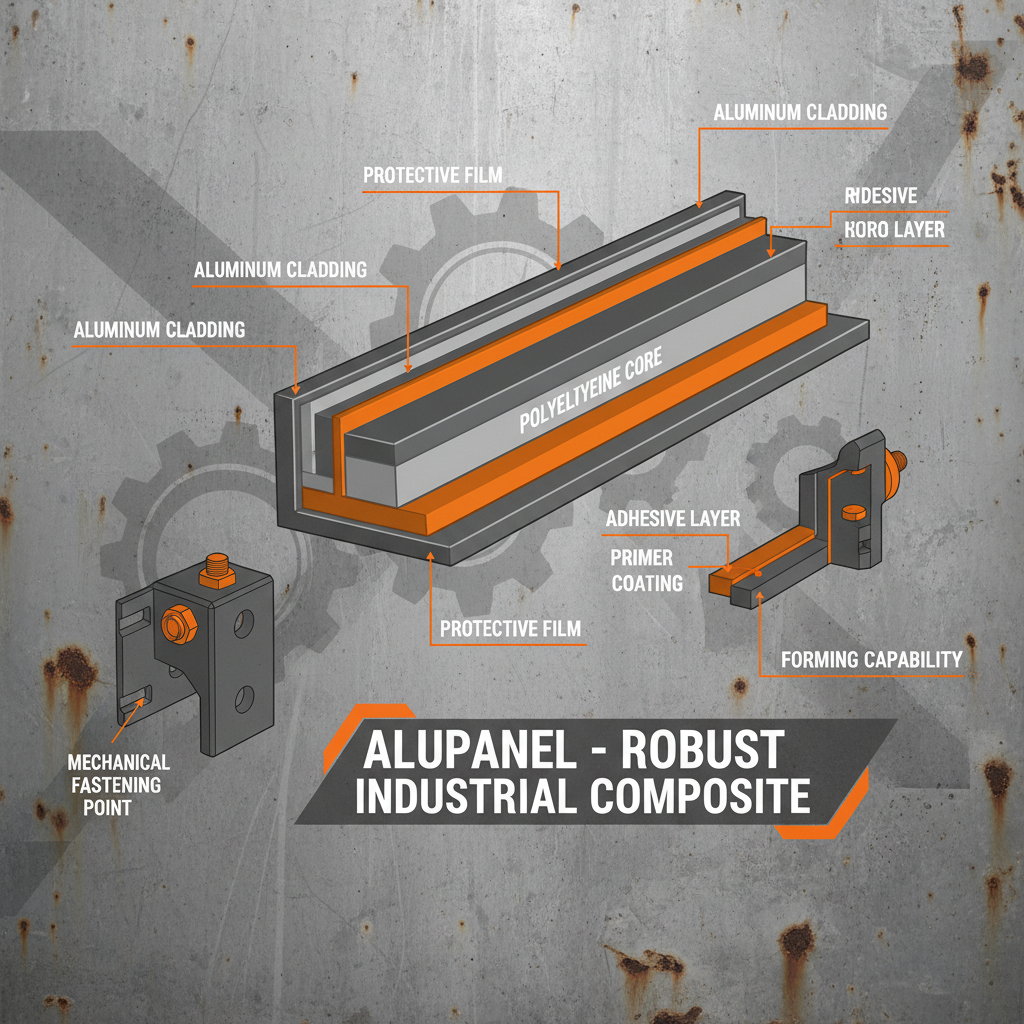
The global demand for efficient and versatile building materials is constantly increasing, and the aluminium composite panel factory industry plays a vital role in meeting this need. These panels offer a compelling combination of aesthetic appeal, durability, and cost-effectiveness, making them a popular choice for a wide range of applications. Understanding the nuances of aluminium composite panel manufacturing, quality control, and global supply chains is crucial for architects, contractors, and businesses alike.
The aluminium composite panel factory sector has witnessed significant growth in recent decades, driven by urbanization, infrastructure development, and the increasing adoption of sustainable building practices. According to industry reports, the global aluminium composite panel market is projected to reach substantial figures by 2028, with Asia-Pacific being the largest and fastest-growing regional market. This growth is fueled by the demand for lightweight, energy-efficient, and visually striking facades and interior solutions.
The rising need for quicker construction times and reduced building weights are key drivers behind the increased demand for aluminium composite panels. A proficient aluminium composite panel factory addresses these challenges by delivering high-quality materials consistently and efficiently, directly impacting project timelines and overall costs. The ability to customize panels according to specific design requirements further enhances their appeal in a competitive construction landscape.
The Significance of aluminium composite panel factory
The efficient operation of an aluminium composite panel factory is paramount to the success of numerous construction projects worldwide. These facilities are not merely production centers; they are hubs of innovation, quality control, and material science. A well-managed factory ensures the consistent delivery of panels that meet rigorous industry standards and client specifications.
Understanding the complexities of these factories allows stakeholders to better assess the quality, reliability, and sustainability of the panels they procure. Factors such as raw material sourcing, manufacturing processes, and quality assurance protocols directly impact the final product and its long-term performance.
Defining aluminium composite panel factory
An aluminium composite panel (ACP) factory is a specialized manufacturing facility dedicated to producing panels composed of two thin aluminium sheets bonded to a non-aluminium core. This core material is typically polyethylene (PE), but can also include fire-retardant (FR) versions or other materials like mineral-filled compounds. The factory manages the entire production process, from raw material procurement to final product packaging and quality control.
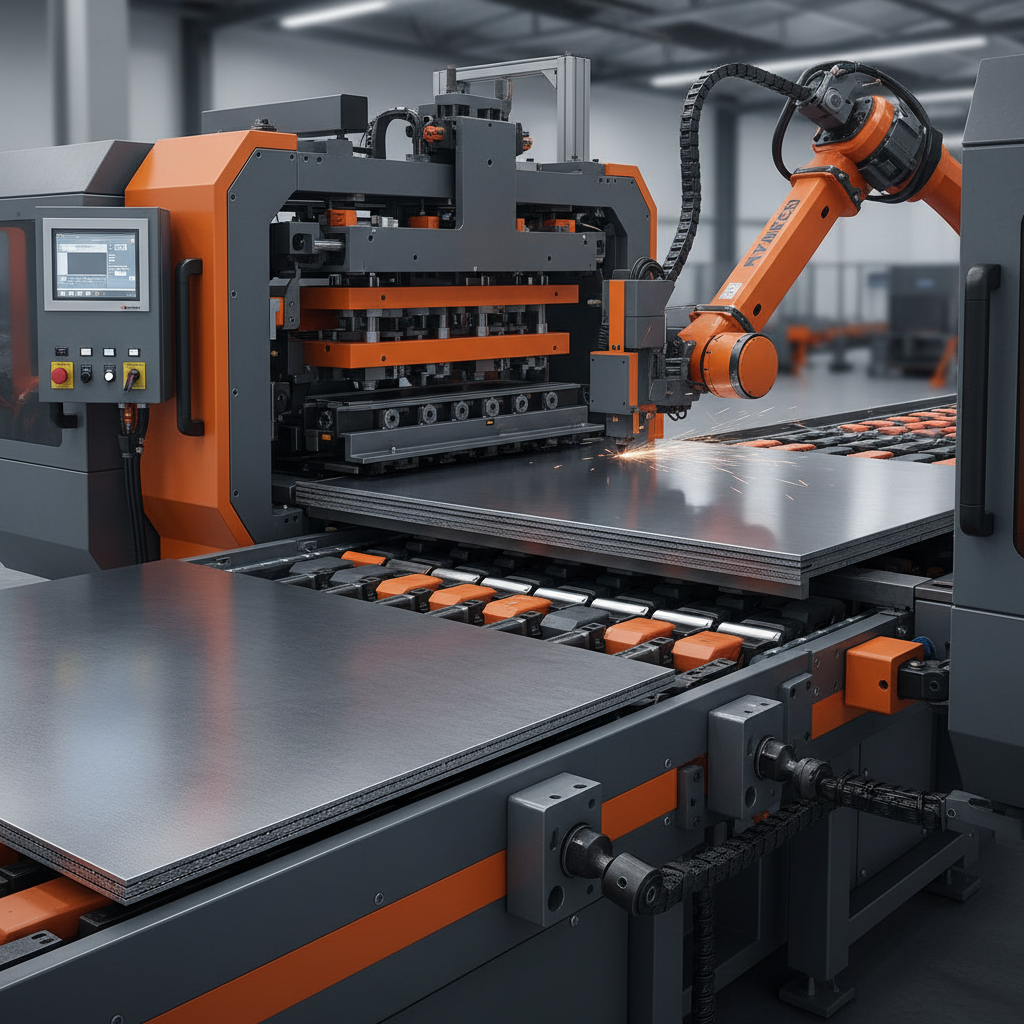
These factories are equipped with advanced machinery for cutting, forming, coating, and assembling the panels. A key aspect is the application of protective coatings, often using PVDF (polyvinylidene fluoride) or polyester resins, to enhance weather resistance and color retention. Efficient aluminium composite panel factory operations prioritize precision and consistency to ensure uniform panel thickness, surface quality, and adherence to industry standards.
Essentially, an aluminium composite panel factory transforms raw materials into versatile building components used extensively in facades, cladding, signage, and interior design. The ability to tailor production to specific project needs – regarding size, color, and finish – sets the stage for broad architectural applications.
Core Components of an aluminium composite panel factory
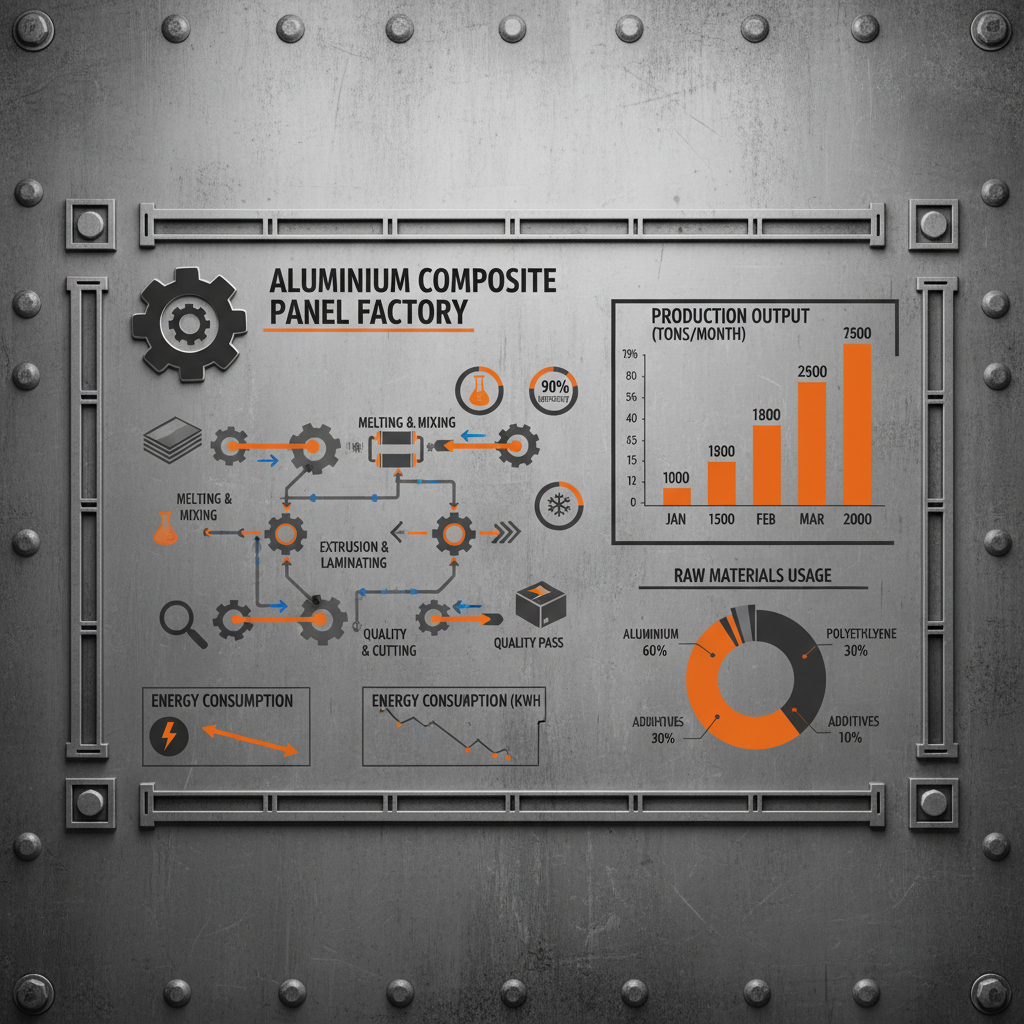
A robust aluminium composite panel factory relies on several core components working in synergy. First, the raw materials—aluminium coils, core materials (PE, FR, or mineral), and coating resins—must be sourced reliably and meet stringent quality benchmarks. Second, the manufacturing equipment, including cutting machines, bending machines, laminating lines, and coating applicators, need to be state-of-the-art and well-maintained.
Thirdly, a dedicated quality control department is critical. This department utilizes testing equipment to assess panel thickness, adhesion strength, fire resistance, and coating performance. Skilled technicians meticulously inspect each batch of panels to ensure adherence to industry standards like ASTM and EN. Finally, efficient logistics and warehousing capabilities are essential for managing inventory, fulfilling orders, and ensuring timely delivery.
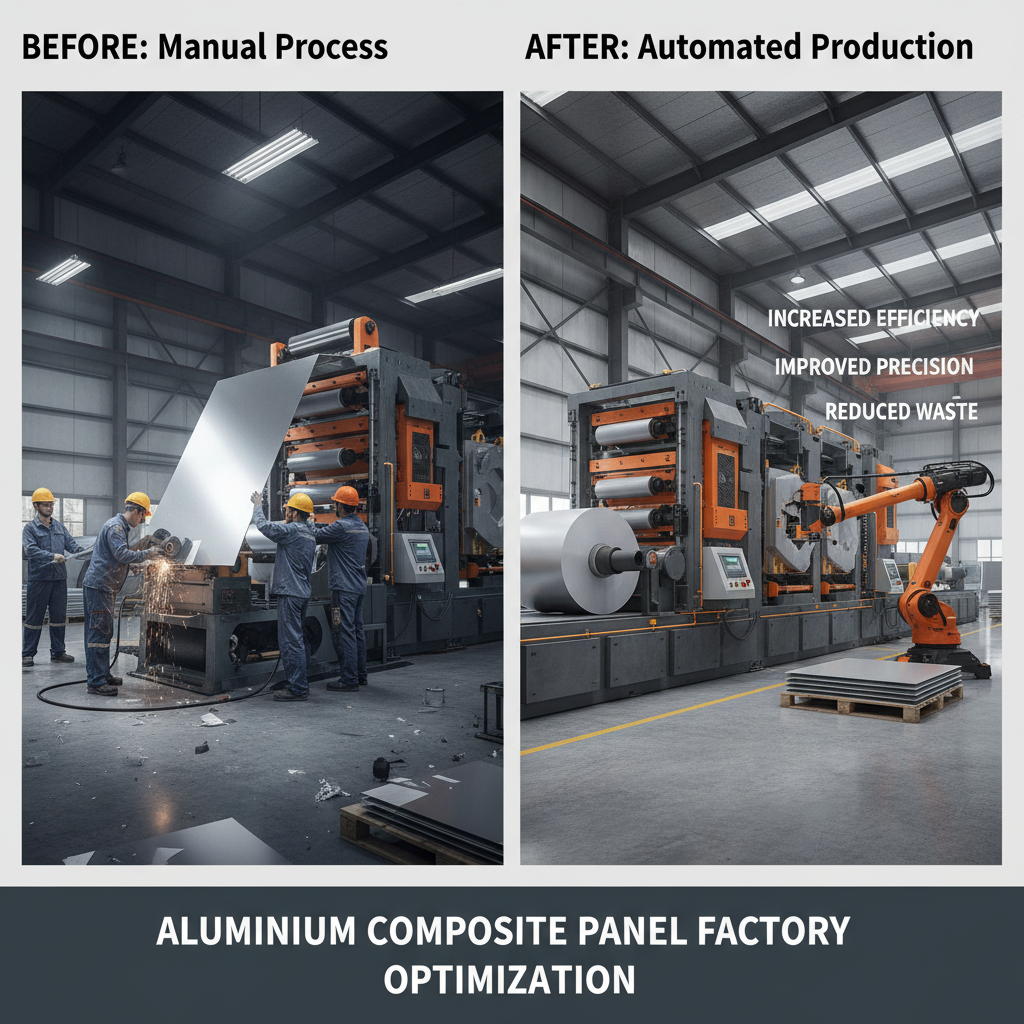
Effective integration and coordination between these components are crucial for optimizing production efficiency, minimizing waste, and maintaining consistently high product quality. Investment in automation and data analytics plays an increasingly important role in enhancing operational performance within a modern aluminium composite panel factory.
Key Characteristics of aluminium composite panel factory
The characteristics of an efficient aluminium composite panel factory extend beyond just the machinery. Adaptability is crucial. The ability to quickly switch between different panel sizes, colors, and finishes to accommodate diverse project demands is a key differentiator. Another vital characteristic is a commitment to sustainability, encompassing responsible sourcing of materials, energy-efficient manufacturing processes, and waste reduction strategies.
Quality Control Parameters in aluminium composite panel factory
Global Applications of aluminium composite panel factory
Aluminium composite panels produced by a dedicated aluminium composite panel factory find applications across a remarkably diverse range of industries. In the construction sector, they are widely used for building facades, curtain walls, roofing, and interior cladding, offering a lightweight and aesthetically pleasing alternative to traditional materials.
Beyond construction, ACPs are also prominent in the signage industry, providing durable and vibrant displays for retail stores, corporate offices, and advertising campaigns. They are also frequently used in transportation applications, such as railway carriages and airport terminals, due to their fire-resistant properties and ease of maintenance.
Advantages and Long-Term Value
Investing in high-quality aluminium composite panels from a reputable aluminium composite panel factory delivers substantial long-term value. Cost efficiency is a major benefit, as ACPs often offer a lower installed cost compared to materials like glass or stone. Their lightweight nature reduces structural load, potentially lowering foundation and support costs.
Sustainability is another key advantage. Aluminium is a highly recyclable material, and many ACP factories are adopting eco-friendly manufacturing practices. Moreover, the durability and long lifespan of ACPs minimize the need for frequent replacements, contributing to resource conservation. The panels also enhance energy efficiency by providing thermal insulation and reflecting solar radiation.
Future Trends in aluminium composite panel factory
The future of the aluminium composite panel factory industry is likely to be shaped by several key trends. The increasing demand for fire-retardant (FR) panels is driving innovation in core materials and coating technologies. Automation and robotics are being increasingly integrated into manufacturing processes to enhance efficiency, precision, and reduce labor costs.
The development of sustainable and eco-friendly materials, such as bio-based core materials and low-VOC coatings, is gaining traction. Digitalization and data analytics are also playing a growing role, enabling factories to optimize production processes, improve quality control, and respond more effectively to changing market demands.
Challenges & Solutions
Despite the growth and innovation, aluminium composite panel factory faces challenges, including fluctuating raw material prices, stringent fire safety regulations, and increasing competition. Sourcing high-quality aluminium and core materials at competitive prices is a constant concern. Complying with evolving fire safety standards, particularly in high-rise buildings, requires significant investment in R&D and advanced manufacturing technologies.
To overcome these challenges, factories are adopting strategies such as diversifying their supply chains, investing in automation to reduce labor costs, and collaborating with research institutions to develop innovative fire-retardant materials. Focusing on customization and offering value-added services, such as design assistance and installation support, can also help differentiate themselves in a competitive market.
Addressing environmental concerns through sustainable manufacturing practices and the use of recyclable materials is crucial for long-term success.
Analysis of Core Performance Indicators in aluminium composite panel factory
| Production Efficiency |
Quality Assurance |
Cost Management |
Environmental Impact |
| Output per Man-Hour |
Defect Rate (%) |
Raw Material Cost (%) |
Waste Recycling Rate (%) |
| Overall Equipment Effectiveness (OEE) |
Compliance with Standards (ASTM/EN) |
Energy Consumption per Panel |
Water Usage per Panel |
| Production Lead Time |
Customer Complaint Resolution Time |
Inventory Turnover Ratio |
Carbon Footprint per Panel |
| Capacity Utilization (%) |
Fire Resistance Test Results |
Labor Cost per Panel |
VOC Emission Levels |
| Schedule Adherence (%) |
Coating Quality Inspection |
Maintenance Cost (%) |
Use of Recycled Aluminium (%) |
| Throughput Rate |
Panel Dimensional Accuracy |
Logistics Cost per Panel |
Compliance with Environmental Regulations |
FAQS
Aluminium composite panels from a factory are primarily used for exterior building cladding, interior wall coverings, signage, and decorative elements. Their versatility, lightweight nature, and aesthetic appeal make them suitable for a wide range of architectural and commercial projects, from high-rise buildings to retail storefronts.
Factories employ several strategies to enhance fire safety. This includes using fire-retardant (FR) core materials, applying fire-resistant coatings, and conducting rigorous fire testing according to international standards like EN 13501-1. Quality control processes are critical to ensure consistent performance.
The lifespan of aluminium composite panels typically ranges from 20 to 30 years, depending on environmental conditions, maintenance practices, and the quality of the materials used. Panels with high-quality PVDF coatings generally exhibit superior long-term performance and color retention.
Modern factories utilize multi-stage quality control, encompassing raw material inspection, in-process monitoring of lamination and coating, and final product testing for parameters like thickness, adhesion, impact resistance, and fire performance. Statistical process control (SPC) is often employed to identify and address variations.
Environmental considerations include responsible sourcing of aluminium (often using recycled content), minimizing waste generation, reducing energy consumption, and controlling VOC emissions from coatings. Factories are increasingly adopting sustainable manufacturing practices and pursuing certifications like ISO 14001.
Factories typically employ flexible manufacturing systems and skilled personnel to accommodate customization. This includes tailoring panel sizes, colors, finishes, and core materials to meet specific project requirements. CAD/CAM software is used to design and fabricate customized panels efficiently.
Conclusion
In conclusion, the aluminium composite panel factory industry represents a critical component of the modern construction and design landscape. The combination of aesthetic versatility, durability, cost-effectiveness, and increasing sustainability makes ACPs an invaluable material for a wide range of applications. Understanding the key factors influencing panel quality, manufacturing processes, and global market trends is essential for professionals involved in building and design.
Looking ahead, continued innovation in materials science, manufacturing technologies, and sustainable practices will be crucial for driving the future growth of this industry. Investing in research and development, embracing digitalization, and prioritizing environmental responsibility will enable aluminium composite panel factories to meet the evolving demands of the global market and deliver even greater value to their customers.