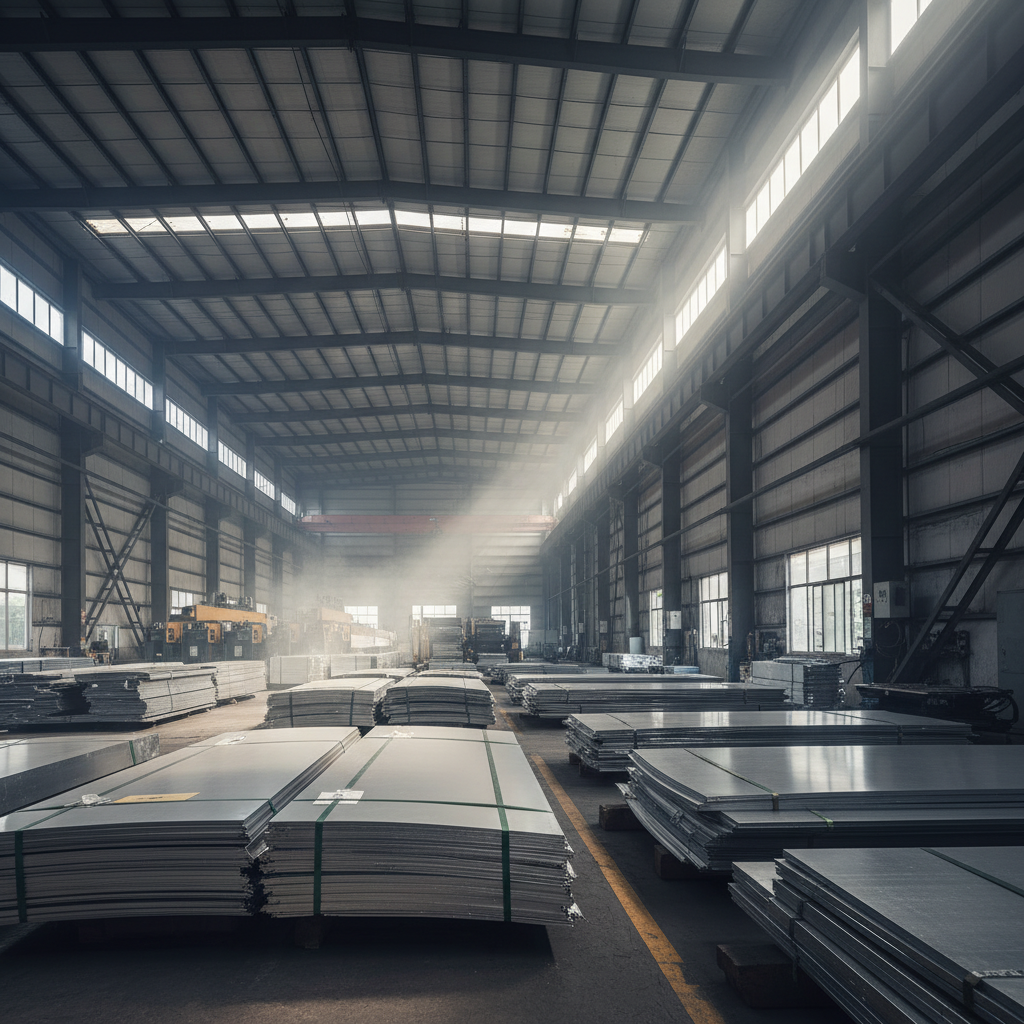
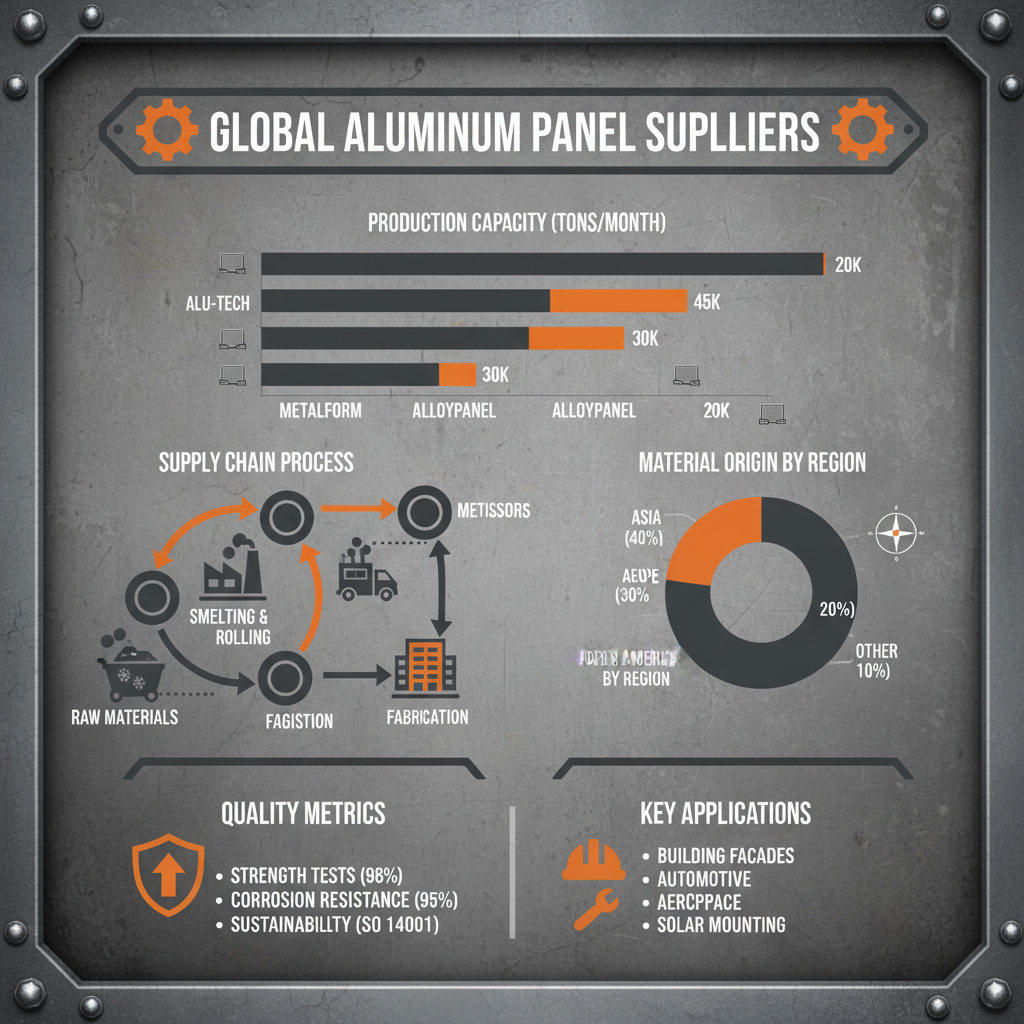
Aluminum panel suppliers play a crucial role in modern construction and manufacturing, providing versatile materials for a wide array of applications. From architectural facades and interior design to transportation and industrial uses, these suppliers are the backbone of numerous projects globally. Understanding their capabilities, materials offered, and quality standards is paramount for businesses and individuals alike seeking durable, aesthetically pleasing, and cost-effective solutions. The increasing demand for sustainable building materials further elevates the importance of reputable aluminum panel suppliers.
The global aluminum industry is a multi-billion dollar market, driven by urbanization, infrastructure development, and the demand for lightweight, corrosion-resistant materials. According to the International Aluminium Institute, global aluminum demand continues to rise, with significant growth expected in emerging economies. This demand places significant pressure on aluminum panel suppliers to maintain quality, innovate, and adapt to evolving market needs. Addressing challenges like supply chain disruptions and environmental concerns is critical for the long-term success of these suppliers.
Aluminum panel suppliers are companies specializing in the manufacture and distribution of panels constructed from aluminum or aluminum composite materials. These panels are used for both functional and aesthetic purposes across diverse sectors. They act as essential components in creating modern, energy-efficient buildings, providing robust cladding solutions, and enabling innovative design possibilities. Selecting the right supplier ensures project success, considering factors like material grade, customization options, and timely delivery.
Introduction to Aluminum Panel Suppliers
The selection of an appropriate aluminum panel suppliers is critical for the success of any construction or manufacturing project requiring aluminum cladding or components. A robust supply chain ensures that projects remain on schedule and within budget. Suppliers must demonstrate a commitment to quality, consistency, and adherence to industry standards.
Effective aluminum panel suppliers offer more than just materials; they provide expertise, technical support, and customized solutions. They work closely with architects, engineers, and contractors to ensure optimal performance and aesthetic appeal. A reliable supplier will also be proactive in addressing potential challenges and offering innovative solutions.
Defining Aluminum Panel Suppliers
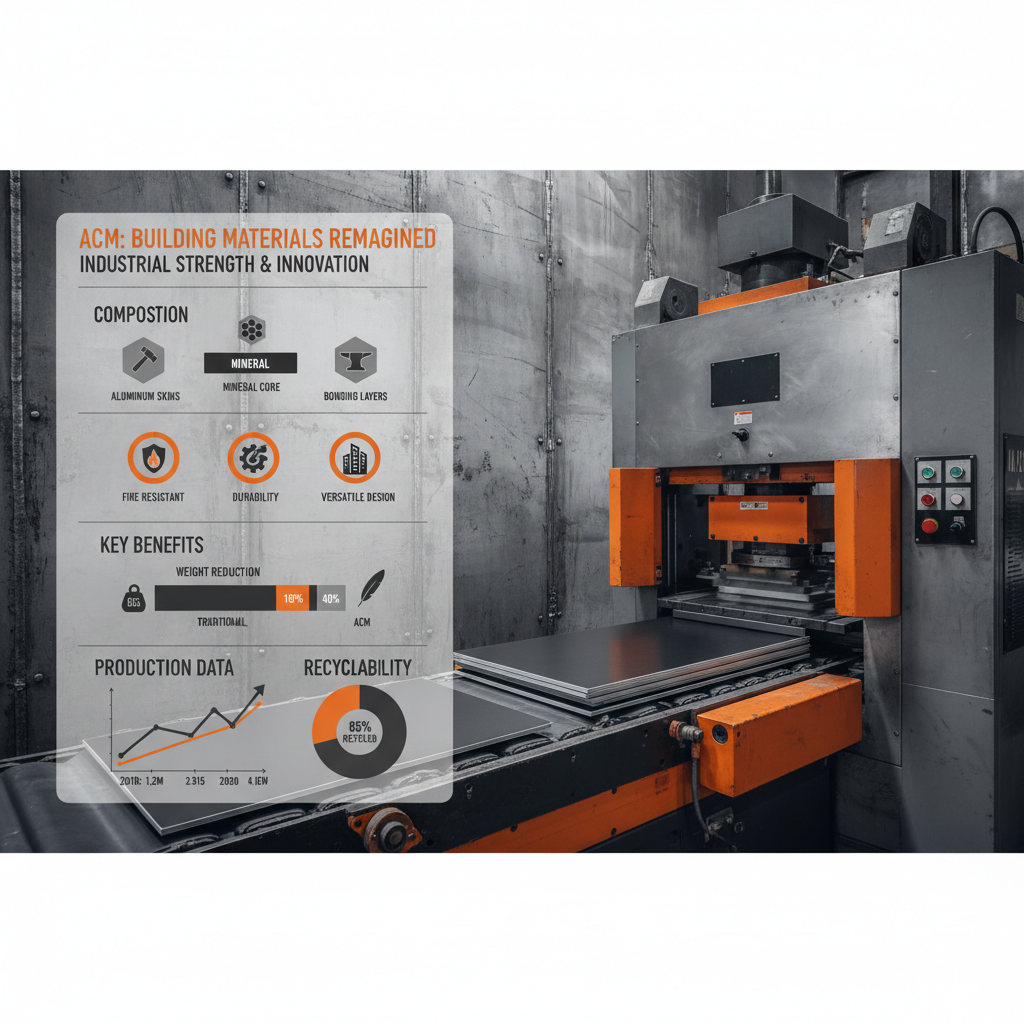
Aluminum panel suppliers are businesses that specialize in the fabrication and distribution of aluminum panels, often including aluminum composite materials (ACM). These panels are typically used as cladding for building facades, interior design elements, signage, and various industrial applications. They represent a key link in the construction and manufacturing supply chain.
These suppliers often offer a range of services, including cutting, bending, and coating aluminum panels to meet specific project requirements. Many provide design assistance, project management support, and installation guidance. Their core competency revolves around transforming raw aluminum into finished products suitable for diverse applications.
The scope of an aluminum panel supplier can vary greatly, from small, regional fabricators to large, international manufacturers. A key differentiator lies in their production capacity, material certifications, and the range of finishes and coatings they offer. Ultimately, they connect aluminum producers to end-users across various industries.
Key Characteristics of Quality Suppliers
A high-quality aluminum panel supplier prioritizes material integrity and consistency. They source aluminum from reputable mills and employ rigorous quality control procedures throughout the manufacturing process. This includes testing for strength, durability, and resistance to corrosion.
Beyond material quality, excellent customer service and technical support are crucial. Responsive communication, accurate quoting, and timely delivery contribute significantly to a positive client experience. The ability to provide customized solutions and address unique project challenges sets exceptional suppliers apart.
Furthermore, a strong commitment to sustainability is increasingly important. This includes responsible sourcing of materials, minimizing waste during production, and offering environmentally friendly finishes. Suppliers embracing eco-friendly practices demonstrate a long-term vision and contribute to a more sustainable construction industry.
Practical Applications Across Industries
Aluminum panels supplied by reputable aluminum panel suppliers find widespread use in the architectural sector, serving as cladding for commercial buildings, residential complexes, and landmark structures. Their lightweight nature and aesthetic versatility make them a preferred choice for modern designs.
The transportation industry relies on aluminum panels for vehicle bodies, interiors, and components. Their lightweight properties contribute to fuel efficiency and improved performance. Signage and display manufacturers utilize aluminum panels for durable and visually appealing signage solutions.
Application Breakdown of Aluminum Panel Suppliers
Advantages and Long-Term Benefits
Choosing aluminum panels from reliable aluminum panel suppliers offers significant long-term cost savings due to their durability and low maintenance requirements. Unlike materials prone to corrosion or decay, aluminum provides lasting performance, minimizing the need for frequent repairs or replacements.
Aluminum’s recyclability contributes to sustainability initiatives, reducing environmental impact. Utilizing recycled aluminum requires significantly less energy than producing virgin aluminum, lowering carbon emissions. This aligns with growing demands for environmentally responsible building practices.
Future Trends in Aluminum Panel Supply
The industry is witnessing a growing trend towards incorporating smart technologies into aluminum panels, such as integrated sensors for building management systems. These panels can monitor temperature, humidity, and energy consumption, contributing to improved building efficiency.
Demand for lightweight and high-performance aluminum alloys is increasing, driven by the aerospace and automotive industries. Suppliers are investing in research and development to create innovative materials with enhanced strength, corrosion resistance, and formability.
Digitalization of the supply chain, utilizing technologies like blockchain, is gaining traction. This enhances transparency, traceability, and efficiency, ensuring the authenticity and origin of materials.
Challenges and Mitigation Strategies
Fluctuations in aluminum prices pose a significant challenge for both suppliers and customers. Implementing long-term contracts and hedging strategies can help mitigate price volatility. Diversifying sourcing options and building strong relationships with multiple suppliers is also crucial.
Supply chain disruptions, as witnessed during recent global events, can impact lead times and material availability. Maintaining sufficient inventory levels and developing alternative sourcing plans are essential for ensuring business continuity.
Meeting increasingly stringent environmental regulations requires continuous investment in sustainable manufacturing processes. Aluminum panel suppliers must prioritize responsible sourcing, waste reduction, and energy efficiency to remain competitive.
Summary of Key Mitigation Strategies for Aluminum Panel Suppliers
| Challenge |
Mitigation Strategy |
Implementation Cost (1-10) |
Effectiveness (1-10) |
| Price Volatility |
Long-term Contracts & Hedging |
6 |
8 |
| Supply Chain Disruptions |
Diversified Sourcing & Inventory |
7 |
9 |
| Environmental Regulations |
Sustainable Manufacturing Practices |
8 |
7 |
| Quality Control Issues |
Rigorous Testing & Certification |
5 |
10 |
| Competition |
Value-Added Services & Innovation |
4 |
6 |
| Skilled Labor Shortage |
Training Programs & Automation |
9 |
7 |
FAQS
When choosing an aluminum panel supplier, prioritize factors such as material quality certifications, production capacity, customization options, lead times, pricing transparency, customer service responsiveness, and a demonstrated commitment to sustainability. A supplier with a strong track record and positive client reviews is a good indicator of reliability. Don't hesitate to ask for samples and site visits to assess their capabilities firsthand.
Typical lead times for custom aluminum panel orders can vary significantly based on the complexity of the project, the volume of materials required, and the supplier’s current workload. Generally, you can expect lead times ranging from 4 to 12 weeks. It’s crucial to discuss project specifications and timelines with the supplier during the initial consultation to obtain a more accurate estimate. Providing clear drawings and detailed requirements will help expedite the process.
Aluminum panels offer a wide range of finishes and coatings, including powder coating, anodizing, PVDF coating, and paint. Powder coating provides excellent durability and corrosion resistance. Anodizing creates a protective oxide layer. PVDF coatings are known for their exceptional color retention and weatherability. The choice of finish depends on the application, aesthetic preferences, and environmental considerations.
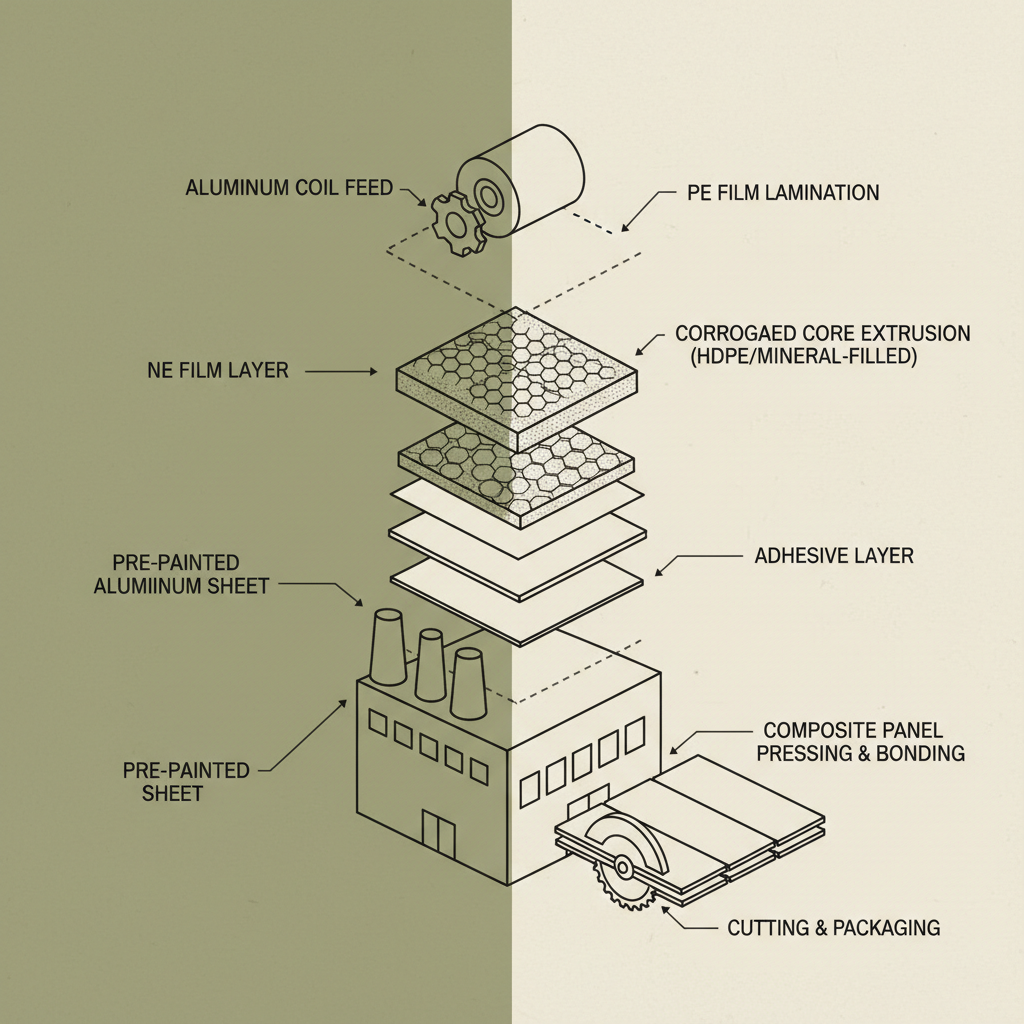
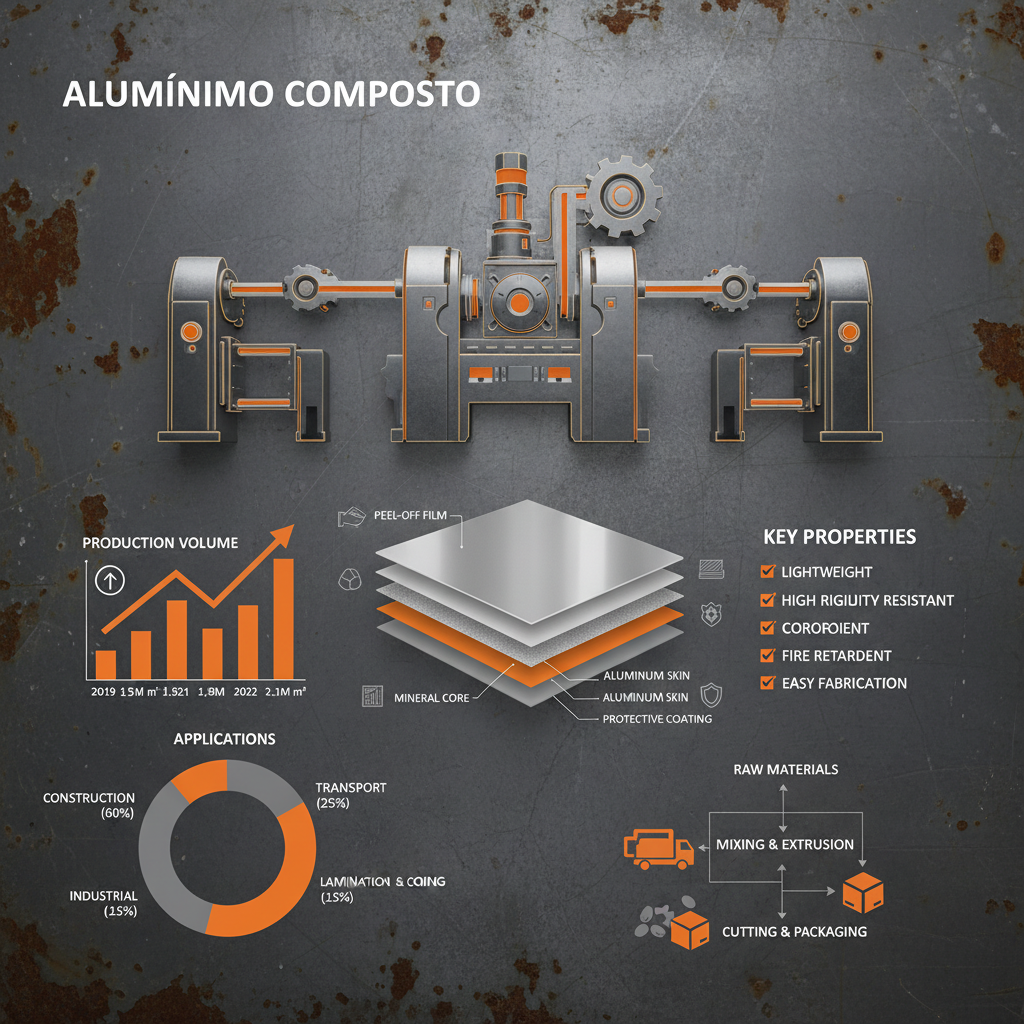
ACM consists of two thin aluminum sheets bonded to a non-aluminum core, typically polyethylene or fire-retardant materials. ACM is lighter and more cost-effective than solid aluminum panels while still offering good rigidity and flatness. Solid aluminum panels are stronger and more durable, making them suitable for applications requiring higher structural integrity. The best choice depends on project-specific requirements.
Aluminum is a highly recyclable material, making aluminum panels a sustainable building choice. Using recycled aluminum significantly reduces energy consumption and greenhouse gas emissions compared to producing virgin aluminum. Reputable suppliers prioritize responsible sourcing and minimize waste during manufacturing. Choosing aluminum panels contributes to LEED certification and supports a circular economy.
Look for suppliers with certifications such as ISO 9001 (Quality Management System), ISO 14001 (Environmental Management System), and certifications specific to the aluminum industry. These certifications demonstrate a commitment to quality control, environmental responsibility, and adherence to industry standards. Asking for material test reports and certificates of compliance is also recommended.
Conclusion
In conclusion, selecting the right aluminum panel suppliers is critical for the success of any project involving aluminum cladding or components. A commitment to quality, sustainability, and customer service are essential. Understanding the key characteristics of reliable suppliers and staying informed about emerging trends will enable businesses and individuals to make informed decisions.
As the demand for sustainable and high-performance building materials continues to grow, the role of innovative aluminum panel suppliers will become increasingly important. Investing in strong supplier relationships, embracing new technologies, and prioritizing environmental responsibility will drive long-term success in this dynamic industry. For quality aluminum panel solutions, visit our website: www.acmfactory.com