The global need for rapid and reliable infrastructure solutions is growing exponentially, driven by factors like disaster relief, refugee crises, and the demand for affordable housing. acm panel technology offers a compelling answer to these challenges, providing a versatile and quickly deployable building system. This innovative approach is shifting the paradigm of construction, moving away from traditional methods that are often slow, expensive, and resource-intensive.
Across industries, from emergency response to permanent housing projects, the demand for adaptable building solutions is surging. Traditional construction often faces logistical hurdles, material shortages, and skilled labor deficits. acm panel addresses these limitations head-on, facilitating faster build times, reduced costs, and minimized environmental impact. This makes it a vital technology for addressing both immediate needs and long-term sustainable development goals.
Understanding the intricacies of acm panel isn’t merely about grasping a new construction technique; it’s about embracing a holistic approach to building that prioritizes efficiency, sustainability, and resilience. This knowledge is crucial for architects, engineers, disaster relief organizations, and governments seeking innovative solutions to pressing global challenges.
Introduction to acm panel
acm panel systems represent a significant advancement in modular construction. They are designed for rapid deployment and offer a viable alternative to traditional building techniques. This makes them especially valuable in areas where time and resources are limited.
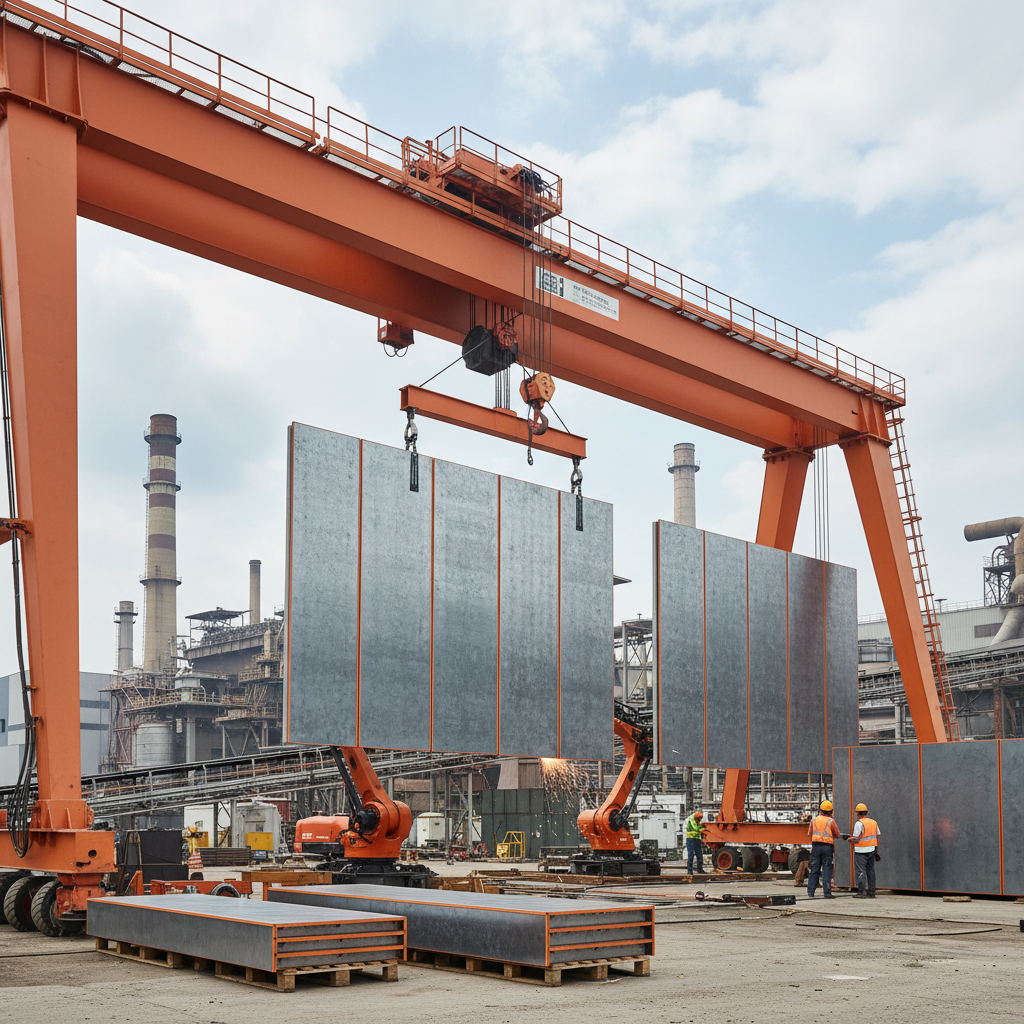
The fundamental principle behind acm panel lies in prefabrication – components are manufactured in a controlled environment and then assembled on-site. This drastically reduces construction time, minimizes waste, and enhances quality control. The result is a durable, cost-effective, and sustainable building solution.
Global Relevance and Challenges
Globally, over 80 million people are currently displaced due to conflict, persecution, or natural disasters (UNHCR data, 2023). Providing adequate shelter for these populations is a monumental task, and traditional construction methods are often too slow and costly to meet the immediate needs. acm panel offers a scalable solution to address this humanitarian crisis.
The World Bank estimates that the global housing deficit will reach nearly 330 million units by 2030. This highlights the urgent need for innovative and affordable housing solutions. Traditional construction is often hampered by complex supply chains, skilled labor shortages, and stringent regulatory requirements. acm panel helps to bypass these challenges, offering a streamlined and efficient building process.
Furthermore, the construction industry contributes significantly to global carbon emissions – accounting for approximately 40% of annual emissions (ISO 14001 standards). acm panel, utilizing sustainable materials and minimizing construction waste, can significantly reduce this environmental impact, contributing to a more sustainable future.
Defining acm panel
Simply put, acm panel refers to a modular building system utilizing pre-fabricated panels constructed from composite materials. These panels are engineered for structural integrity, thermal efficiency, and ease of assembly, drastically reducing construction time and labor costs.
Its connection to modern industry is deeply rooted in the principles of lean manufacturing and just-in-time delivery. acm panel represents a shift from traditional, site-built construction towards a more factory-based, efficient, and sustainable model.
In humanitarian contexts, acm panel provides rapid shelter solutions for disaster victims and refugees, offering a dignified and safe alternative to tents or makeshift housing. It's a versatile solution that can be adapted to diverse climates and terrains, making it an essential tool for emergency response.
Key Factors of acm panel
Durability: acm panel structures are designed to withstand harsh weather conditions and seismic activity, offering a long-lasting and resilient building solution. The composite materials used are resistant to corrosion, rot, and pests.
Scalability: One of the key advantages is its scalability. acm panel systems can be easily expanded or reconfigured to meet changing needs, making them ideal for both temporary and permanent structures.
acm panel Performance Metrics
Global Applications of acm panel
In post-disaster relief operations, acm panel provides immediate, safe shelter for displaced communities. Organizations like the Red Cross and Habitat for Humanity are increasingly utilizing these systems for rapid deployment.
In remote industrial zones, such as mining camps or construction sites, acm panel offers a cost-effective and rapidly deployable housing solution for workers. This reduces logistical challenges and provides comfortable living conditions.
Advantages and Long-Term Value
The cost-effectiveness of acm panel stems from reduced labor costs, minimized material waste, and faster build times. This translates to significant savings for developers and end-users alike. The use of sustainable materials also lowers the overall lifecycle cost.
Beyond the economic benefits, acm panel offers substantial social impact. Providing safe, dignified, and resilient housing enhances quality of life and empowers communities. The speed of construction means people can quickly rebuild their lives after a disaster.
Future Trends in acm panel
Emerging trends include the integration of smart technologies within acm panel structures, such as embedded sensors for monitoring energy consumption and structural integrity. This creates "smart homes" that are more efficient and responsive to occupants’ needs.
The use of bio-based and recycled materials in acm panel production is also gaining momentum. This aligns with the growing demand for sustainable building practices and reduces reliance on fossil fuel-based resources.
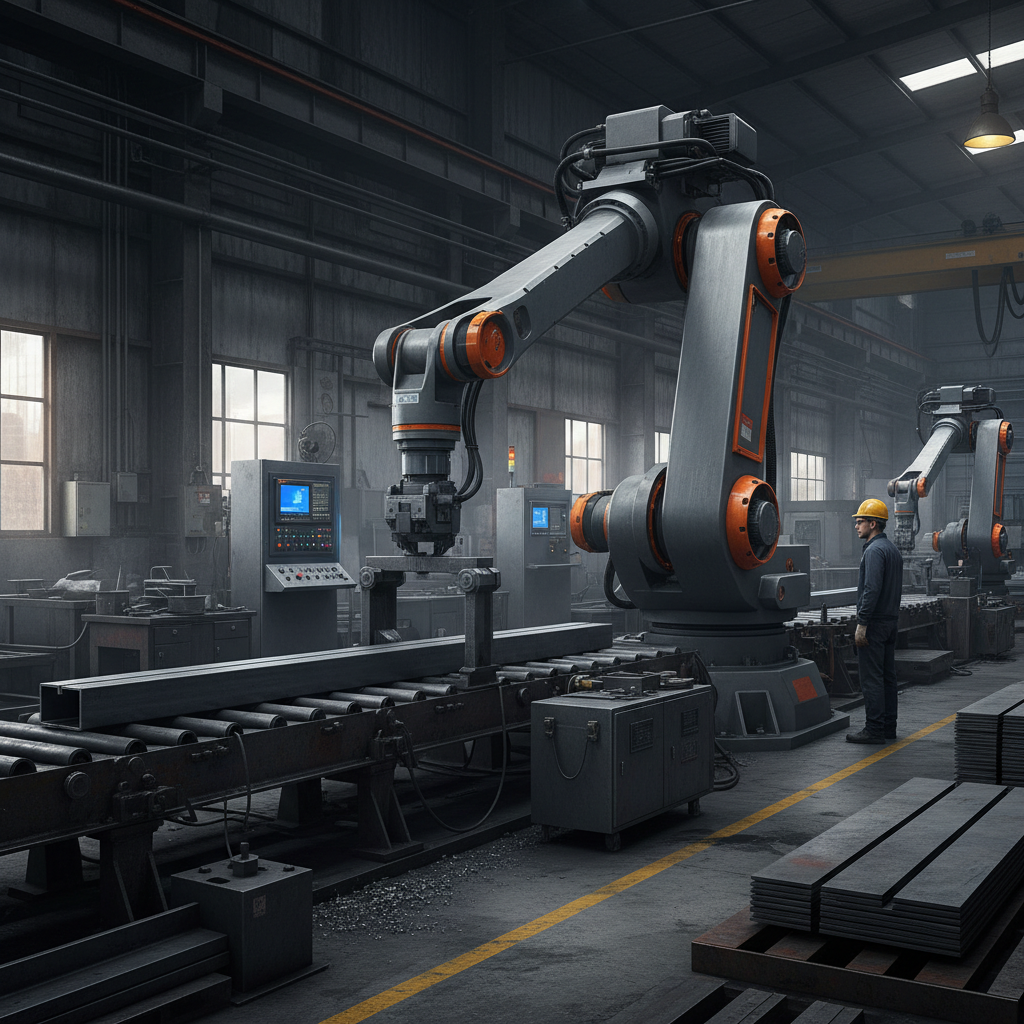
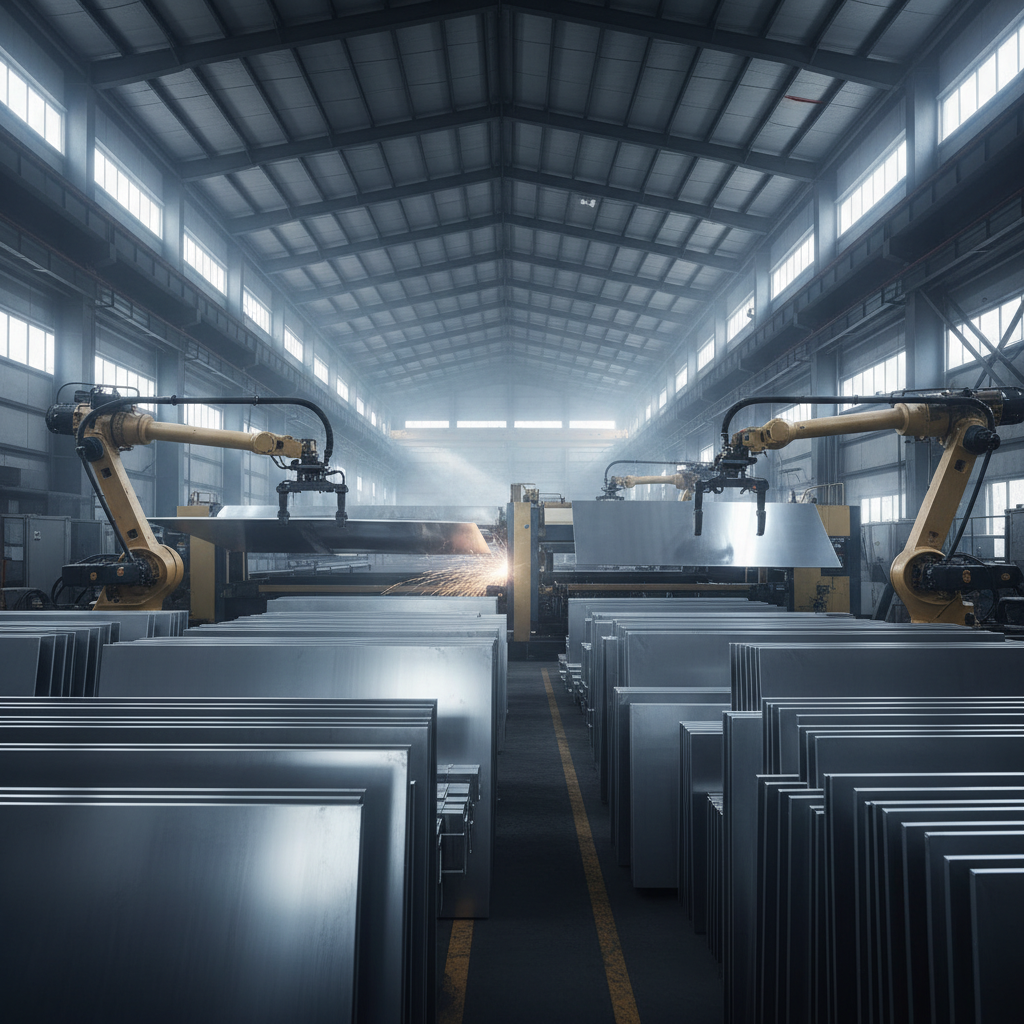
Automation and robotic assembly are expected to further streamline the manufacturing process, lowering costs and increasing production capacity. Digital twin technology will enable virtual prototyping and optimization of acm panel designs.
FAQS
acm panel offers several key advantages: significantly faster construction times, reduced labor costs, minimized material waste, enhanced quality control through factory-based manufacturing, and improved sustainability through the use of efficient materials. These factors combine to provide a more cost-effective and environmentally friendly building solution.
acm panel structures are engineered for resilience and can withstand harsh weather conditions. The composite materials are resistant to corrosion, rot, and pests. Furthermore, the structural design allows for seismic activity, and panels are engineered to meet or exceed local building codes for wind and snow loads.
Yes, acm panel is a very sustainable option. It generates less waste during construction. It also reduces transportation impact due to prefabrication and facilitates energy-efficient designs. Common materials include steel framing, insulated core materials and exterior cladding often utilizing recycled content.
A building constructed with acm panel can have a lifespan comparable to traditionally built structures – typically 50-100 years or more – with proper maintenance. The durability of the materials and the precision of the construction contribute to its longevity.
The permitting process is generally similar to traditional construction, but may require specific documentation related to the modular design and prefabrication process. Working with an experienced acm panel provider can streamline this process. It’s also crucial to ensure that the design meets all local building codes and regulations.
While the initial material cost of acm panel may be slightly higher, the overall project cost is often lower due to reduced labor, faster build times, minimized waste, and lower financing costs. The long-term lifecycle cost is also typically lower due to reduced maintenance and improved energy efficiency.
Conclusion
In conclusion, acm panel technology represents a paradigm shift in the construction industry, offering a compelling solution to a wide range of global challenges. Its inherent benefits – speed, cost-effectiveness, scalability, and sustainability – make it an increasingly attractive alternative to traditional building methods. From disaster relief to affordable housing, acm panel is poised to play a crucial role in shaping the future of construction.
Looking ahead, continued innovation in materials science, automation, and smart technologies will further enhance the capabilities of acm panel systems. Investing in and adopting this technology is not only a smart business decision, but also a responsible step towards building a more resilient, sustainable, and equitable future. Visit our website today to learn how acm panel can revolutionize your next project: www.acmfactory.com.