Metal panels have become indispensable in modern construction and industrial applications, offering a versatile and durable solution for a wide array of needs. From architectural facades to prefabricated structures, their increasing prominence reflects a global shift towards efficient, sustainable, and aesthetically pleasing building materials. The understanding of their properties and applications is crucial for architects, engineers, and builders worldwide, impacting everything from urban development to disaster relief.
The global demand for metal panels is steadily rising, driven by factors like rapid urbanization, infrastructure development in emerging economies, and a growing emphasis on energy efficiency. According to a report by Market Research Future, the global metal building materials market is projected to reach USD 162.78 billion by 2030, exhibiting a CAGR of 5.8% during the forecast period. This growth is spurred by the need for cost-effective, rapidly deployable, and structurally sound materials, addressing challenges related to housing shortages and disaster recovery.
Addressing the need for robust and adaptable building solutions, metal panels provide a unique combination of strength, lightweight properties, and design flexibility. Their ability to withstand harsh environmental conditions and offer long-term performance makes them an increasingly preferred choice in a variety of demanding applications.
Introduction to Metal Panels
Metal panels represent a significant advancement in building and industrial material science. They are engineered to provide superior performance compared to traditional materials like wood, concrete, or brick in numerous scenarios, especially those demanding resilience and speed of construction. Their versatility extends to a vast range of applications, contributing to modern infrastructure and innovative designs.
The appeal of metal panels lies in their unique ability to offer both functional and aesthetic benefits. Lightweight yet incredibly strong, they simplify installation processes while ensuring structural integrity. This combination makes them ideal for projects with tight timelines or challenging site conditions, offering a reliable and visually appealing solution.
Defining Metal Panels
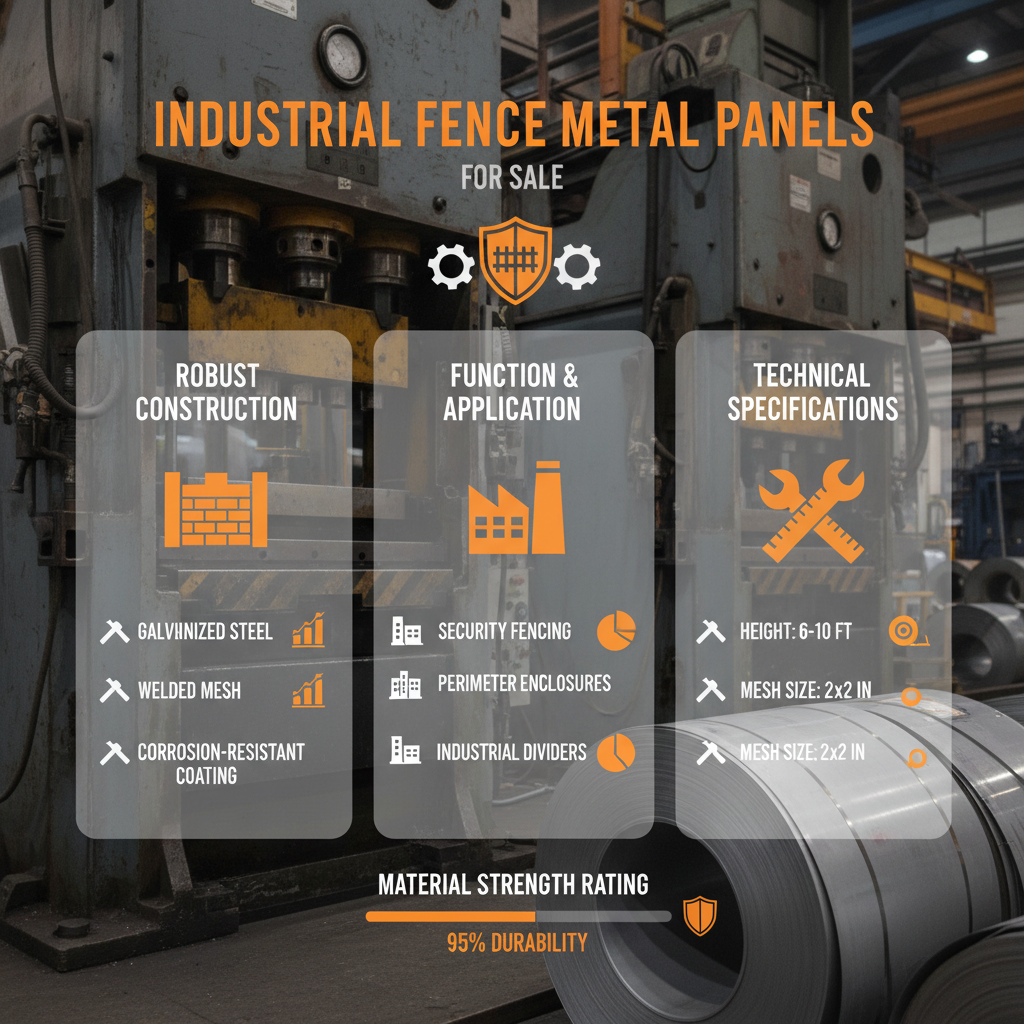
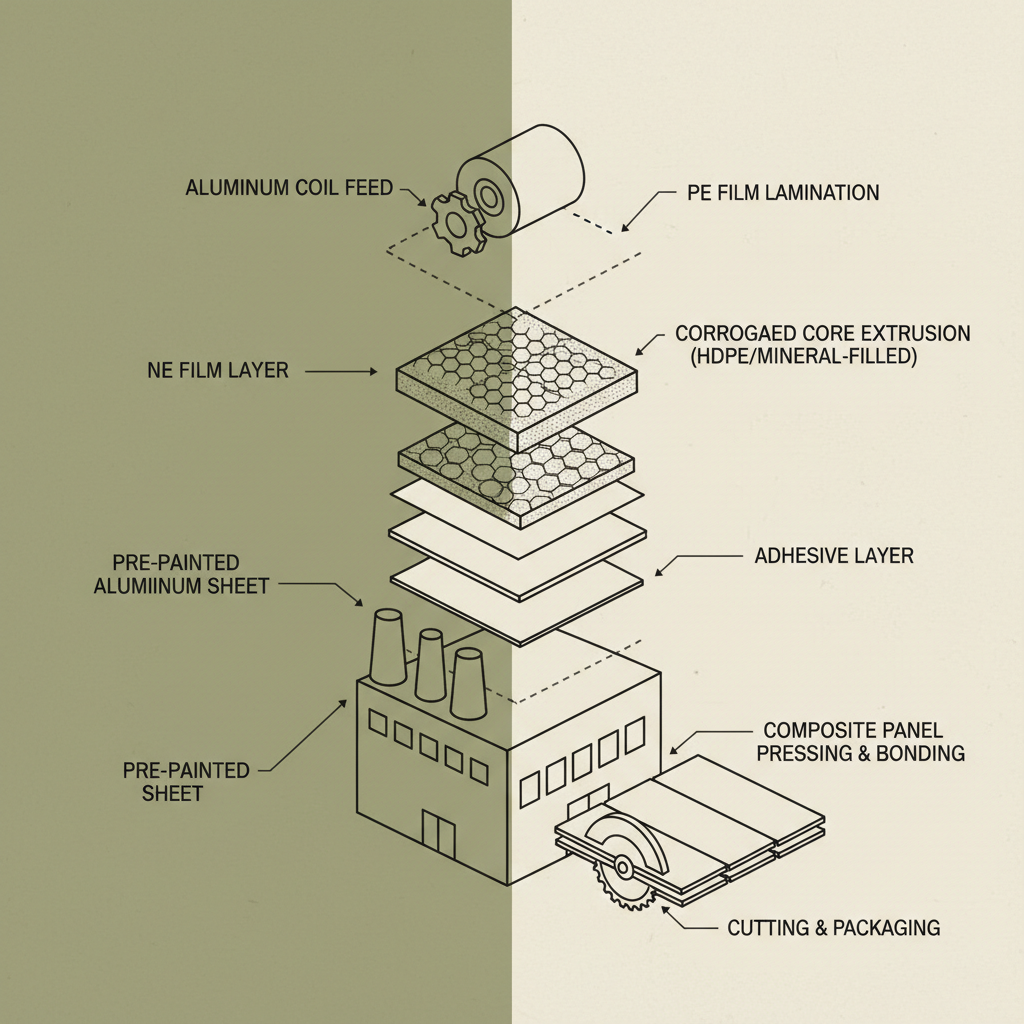
Metal panels are essentially pre-fabricated cladding or structural elements constructed from various metal alloys, most commonly steel, aluminum, or zinc. They are produced in a wide range of shapes, sizes, and finishes, allowing for customization to meet specific design requirements. These panels are often formed through processes like rolling, pressing, or extruding, creating a consistent and durable product.
Their connection to modern industry stems from the demand for faster, more efficient, and cost-effective building methods. They address critical humanitarian needs by enabling the rapid construction of shelters and facilities in disaster-stricken areas. Furthermore, their adaptability to complex geometries and sustainable design principles positions them at the forefront of innovative architecture.
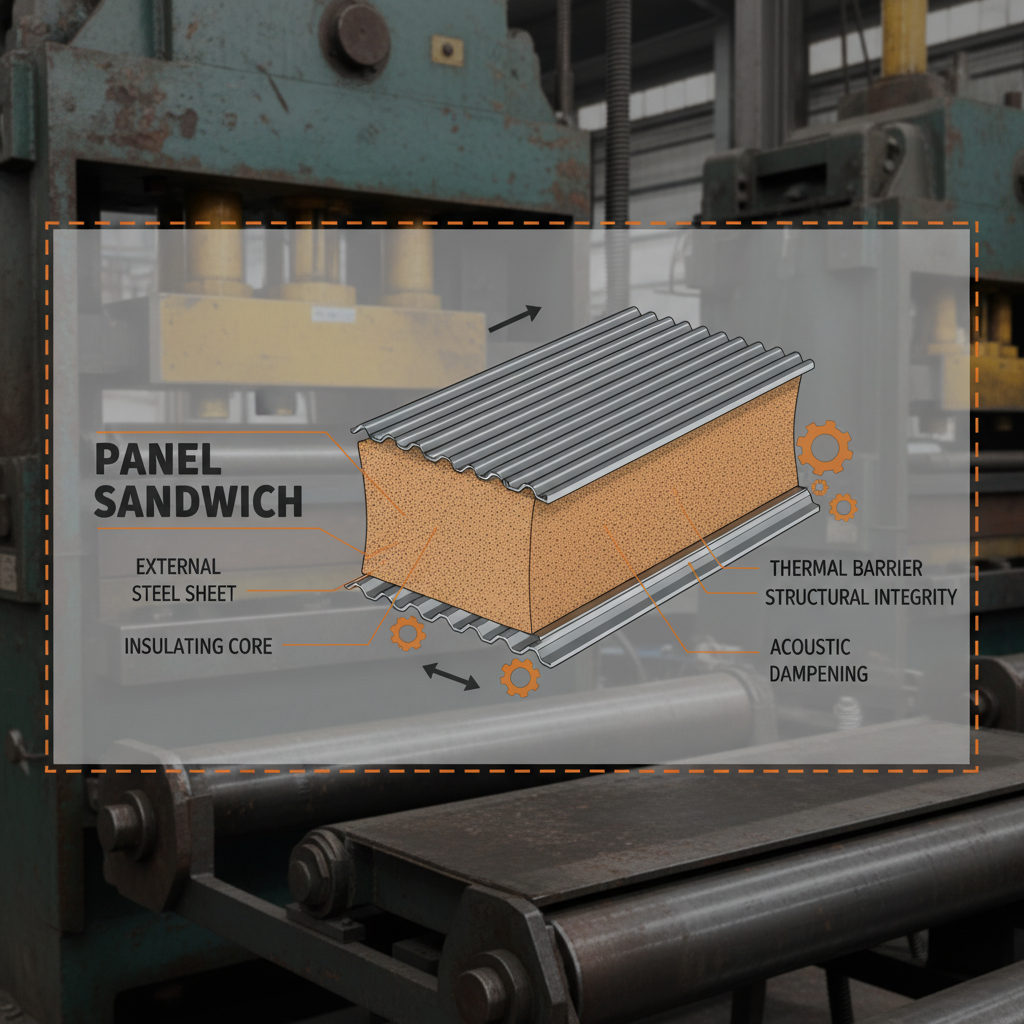
Crucially, metal panels aren't simply 'sheets of metal'. They are often composite structures, featuring a core material sandwiched between metal faces, which enhances thermal insulation, soundproofing, and structural rigidity. This composite nature significantly broadens their application scope.
Key Characteristics of Metal Panels
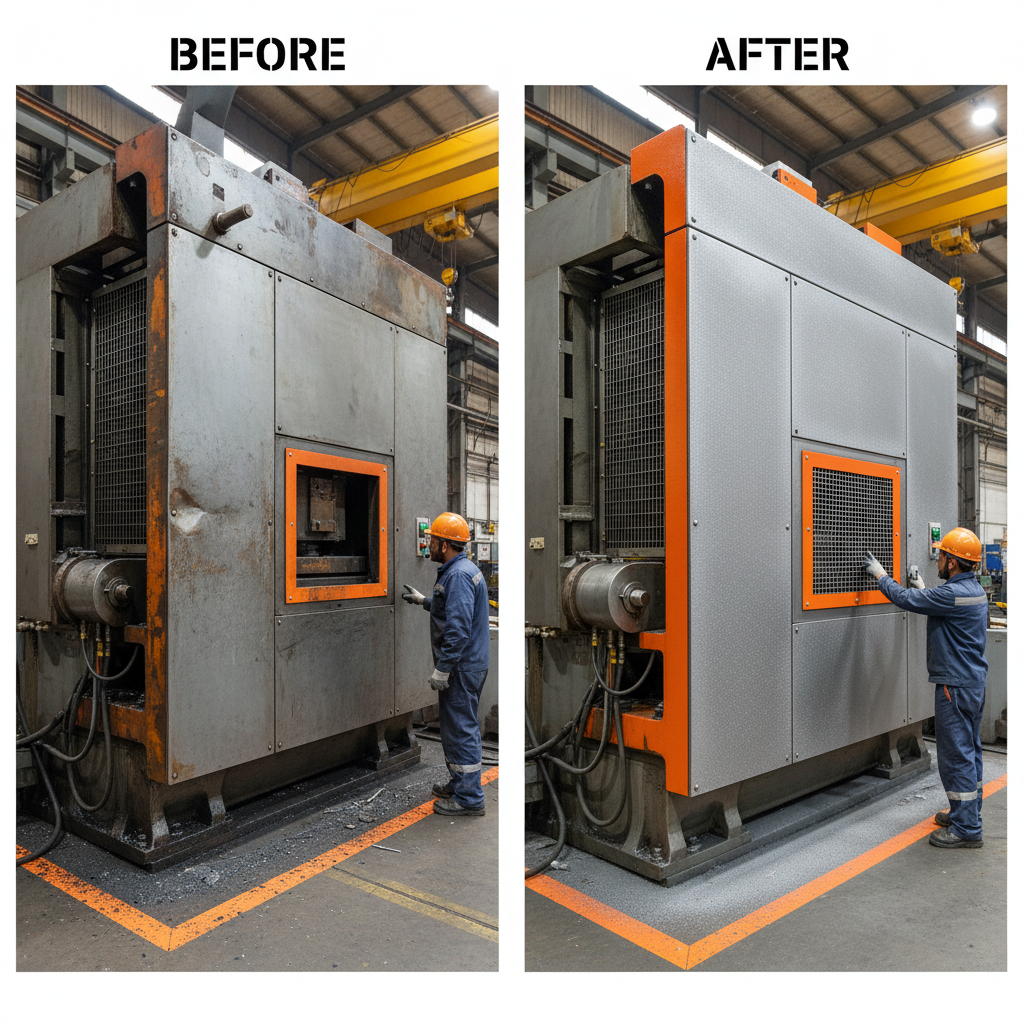
One of the primary characteristics of metal panels is their exceptional durability. They are resistant to corrosion, weathering, and impact, ensuring a long service life with minimal maintenance. This inherent robustness translates into reduced life-cycle costs and increased sustainability.
Versatility is another key attribute. Metal panels can be easily formed into various shapes and sizes, accommodating diverse architectural designs and functional requirements. This adaptability extends to different finishes and coatings, allowing for a wide range of aesthetic options.
Lightweight construction is a significant advantage, reducing structural loads and simplifying installation. This characteristic is particularly beneficial in retrofit projects or areas with challenging foundation conditions. The reduced weight contributes to cost savings in transportation and handling.
Applications Across Industries
Metal panels find extensive use in the construction industry, serving as exterior cladding for commercial and residential buildings, roofing systems, and interior wall panels. Their aesthetic appeal, combined with their functional benefits, makes them a preferred choice for modern architectural designs.
The transportation sector utilizes metal panels in the manufacturing of vehicle bodies, trailers, and railcars, leveraging their lightweight properties and impact resistance. Their contribution extends to ensuring safety and fuel efficiency in these applications.
Metal Panel Application Breakdown by Sector
Advantages & Long-Term Value
The tangible benefits of metal panels include reduced construction time, lower maintenance costs, and increased energy efficiency. Their lightweight nature minimizes transportation and installation expenses, while their durability ensures a long service life. This all contributes to substantial cost savings over the lifecycle of the structure.
Beyond the economic advantages, metal panels promote sustainability. Many are manufactured from recycled materials and are fully recyclable at the end of their life, minimizing environmental impact. Their energy-efficient properties reduce heating and cooling costs, further contributing to a greener footprint.
Future Trends & Innovations
Ongoing research focuses on developing more sustainable and high-performance metal panel materials, including bio-based coatings and alloys with enhanced corrosion resistance. The integration of smart technologies, such as self-healing coatings and embedded sensors, is also gaining traction.
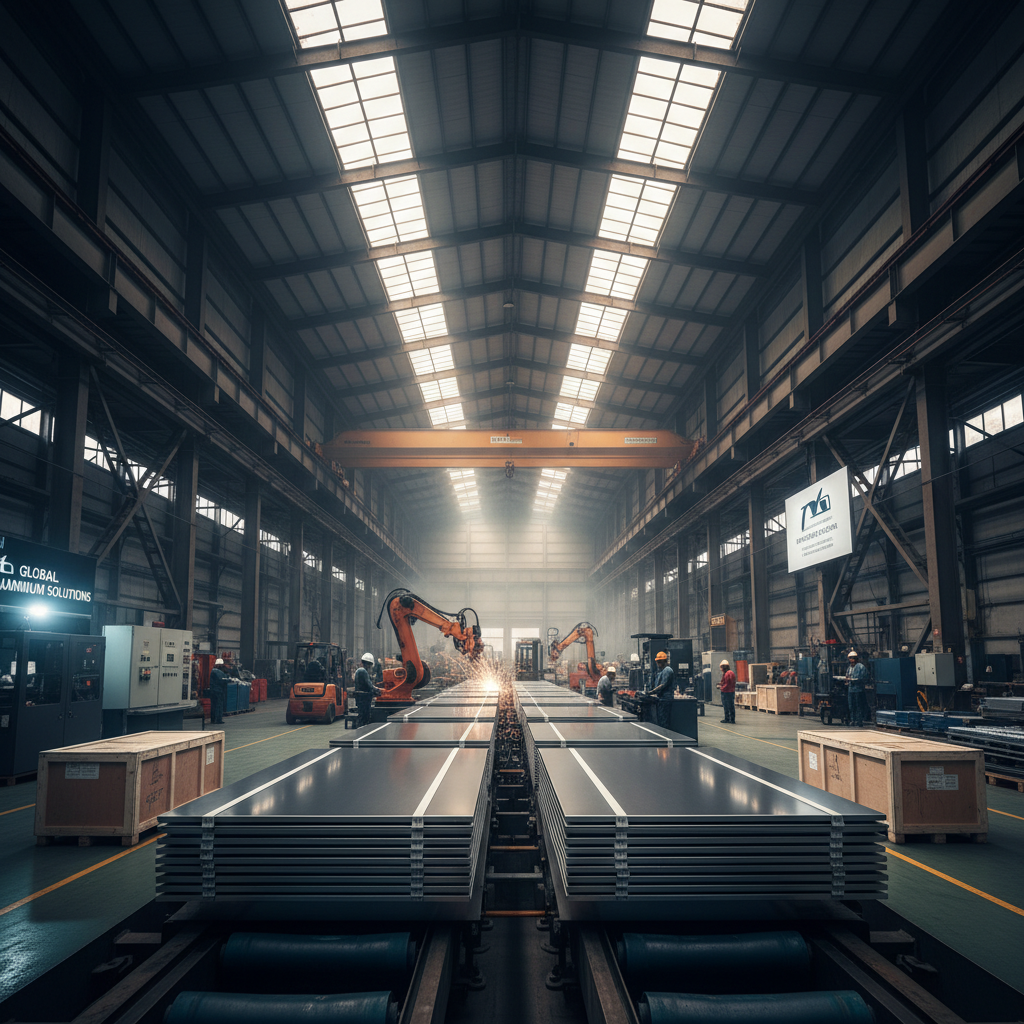
Digital transformation is driving advancements in manufacturing processes, enabling greater customization and precision in metal panel production. Automation and robotic assembly are streamlining installation, reducing labor costs, and improving quality control. These innovations will further enhance the competitiveness and applicability of metal panels in the future.
The increasing focus on green building standards and net-zero energy design is expected to accelerate the adoption of metal panels with superior thermal performance and recyclability, solidifying their role in a more sustainable built environment.
Challenges & Solutions
A common challenge associated with metal panels is the initial cost, which can sometimes be higher than traditional materials. However, a comprehensive life-cycle cost analysis often reveals that metal panels offer superior value due to their durability and low maintenance requirements.
Another potential concern is the susceptibility of some metals to corrosion, particularly in harsh environments. This can be mitigated by utilizing corrosion-resistant alloys, applying protective coatings, and implementing proper detailing to prevent moisture accumulation.
Addressing these challenges requires a collaborative approach involving material scientists, engineers, and architects to optimize designs, select appropriate materials, and implement effective installation practices. Ongoing innovation in coating technologies and alloy development will continue to enhance the performance and longevity of metal panels.
Summary of Common Concerns and Solutions Regarding Metal Panel Applications
| Concern Category |
Specific Issue |
Severity Level (1-5) |
Proposed Solution |
| Cost |
Higher initial material expenses |
3 |
Life-cycle cost analysis emphasizing long-term savings |
| Durability |
Potential for corrosion in coastal environments |
4 |
Utilize corrosion-resistant alloys (e.g., stainless steel) |
| Installation |
Requirement for specialized skills and tools |
2 |
Comprehensive installer training programs |
| Aesthetics |
Limited color options for certain metal types |
2 |
Investment in advanced coating technologies offering wider color palettes |
| Environmental |
Energy consumption during manufacturing |
3 |
Utilize recycled metal content and optimize manufacturing processes |
| Thermal Performance |
Potential for heat gain/loss without proper insulation |
4 |
Implement effective insulation systems and thermal breaks |
FAQS
Metal panels offer a multitude of benefits over traditional siding like wood or vinyl. They are significantly more durable, resisting rot, insect damage, and fire. They require minimal maintenance, boast a longer lifespan, and are lighter weight, simplifying installation. Moreover, metal panels are highly recyclable, making them a sustainable choice. The initial cost may be higher, but the long-term savings from reduced maintenance and replacement make them a cost-effective option.
Metal panels excel in extreme weather. They possess a high wind resistance, capable of withstanding hurricane-force winds when properly installed. Their smooth surface allows snow to slide off easily, preventing ice dams and structural damage. They are also non-combustible, providing excellent fire protection. The specific performance varies depending on the gauge and profile of the panel, but generally, they offer superior protection compared to many traditional siding options.
Yes, metal panels are a highly sustainable building material. Many are manufactured from a high percentage of recycled content, reducing the demand for virgin materials. They are 100% recyclable at the end of their life, minimizing landfill waste. Their durability and long lifespan reduce the need for frequent replacements, further decreasing environmental impact. Moreover, their energy efficiency can contribute to lower building operating costs.
Metal panels are known for their low maintenance requirements. Typically, they only need periodic cleaning with mild soap and water to remove dirt and debris. In coastal areas or harsh environments, occasional inspection for corrosion and touch-up painting may be necessary. However, unlike wood siding, they don't require painting, staining, or sealing on a regular basis, saving significant time and money.
The cost of installing metal panels varies depending on the type of metal, the complexity of the design, and the geographic location. While the initial material cost can be higher than some traditional siding options, the overall life-cycle cost is often lower due to reduced maintenance and increased durability. Installation costs also depend on labor rates and the complexity of the project. It’s recommended to obtain quotes from multiple contractors to compare pricing.
Absolutely. Metal panels are versatile enough to be used on both residential and commercial buildings. Their aesthetic appeal and wide range of colors and finishes make them suitable for a variety of architectural styles. They are commonly used for exterior cladding, roofing, and accent features on both types of structures. Their durability and low maintenance make them particularly attractive for commercial applications.
Conclusion
In conclusion, metal panels represent a superior building material choice for projects demanding durability, versatility, and sustainability. Their unique combination of properties, from exceptional weather resistance to low maintenance requirements, offers long-term value and cost savings. From architectural cladding to industrial applications, their adaptability and performance are driving their increasing adoption globally.
Looking ahead, continued innovation in materials science and manufacturing processes will further enhance the performance and sustainability of metal panels. By embracing these advancements and prioritizing life-cycle cost analysis, builders and architects can unlock the full potential of metal panels and create structures that are both aesthetically pleasing and environmentally responsible. For more information and to explore our range of metal panel solutions, visit our website: www.acmfactory.com.