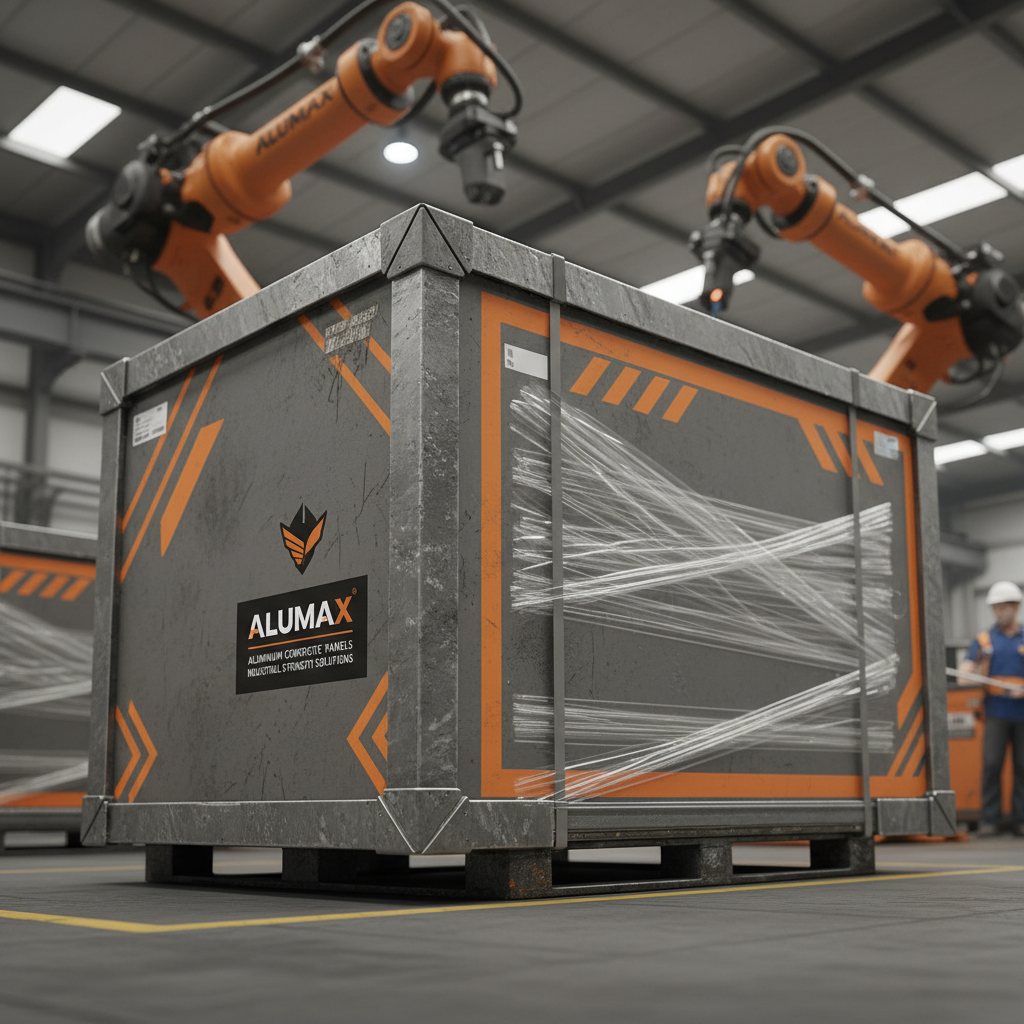
The evolution of modern architecture has been significantly accelerated by the integration of high-performance materials, with panel acm standing at the forefront of this transformation. As cities strive for a balance between aesthetic grandeur and structural efficiency, these composite panels offer a versatile solution that combines the rigidity of aluminum with a lightweight core. This synergy allows architects to push the boundaries of design while maintaining strict adherence to weight and durability standards.
On a global scale, the demand for sustainable and rapid construction methods has turned panel acm into an essential component for commercial facades, transportation hubs, and industrial installations. The ability to provide a seamless, weather-resistant skin for buildings not only enhances the visual appeal but also significantly reduces the long-term maintenance costs associated with traditional cladding materials.
Understanding the technical nuances of these materials—ranging from fire-rated cores to advanced PVDF coatings—is crucial for ensuring safety and longevity in any project. By leveraging the unique properties of aluminium composite materials, developers can achieve a sophisticated finish that withstands extreme environmental conditions, making it a gold standard in the non-metallic mineral and metal products manufacturing sector.
Global Relevance and Industry Context of Panel ACM
In the contemporary construction landscape, the adoption of panel acm has surged due to the global push for urbanization and infrastructure modernization. According to industry benchmarks and ISO standards for building materials, the transition toward prefabricated cladding systems has reduced on-site installation time by nearly 30%. This efficiency is paramount in rapidly growing economic zones across Asia and the Middle East, where skyscrapers and commercial complexes are rising at an unprecedented pace.
However, the industry has faced significant challenges, particularly regarding fire safety and environmental impact. The global shift toward non-combustible materials has forced a re-evaluation of the core compositions used in these panels. This has led to the development of A2 and B1 fire-rated cores, ensuring that while the panels remain lightweight and aesthetically flexible, they also meet the stringent safety codes required by municipal authorities worldwide.
Defining the Technical Structure of Panel ACM
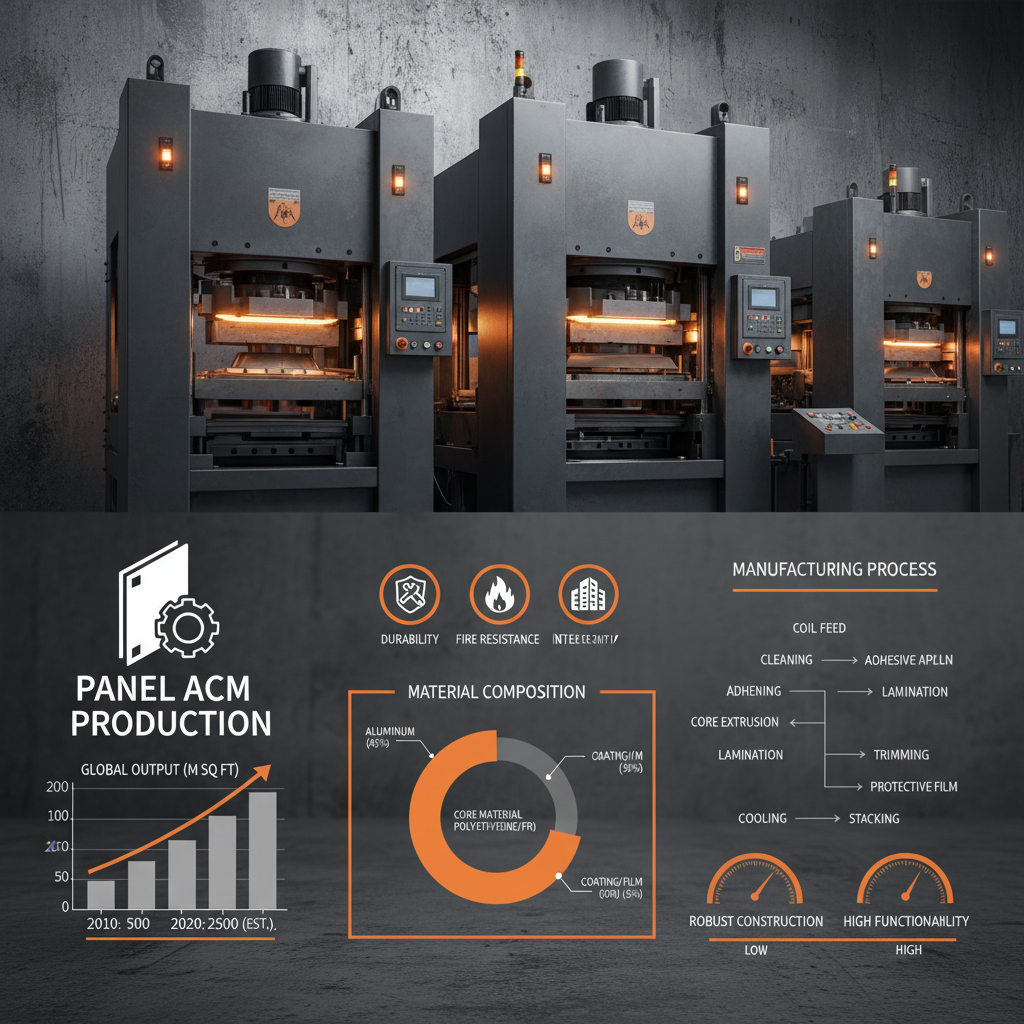
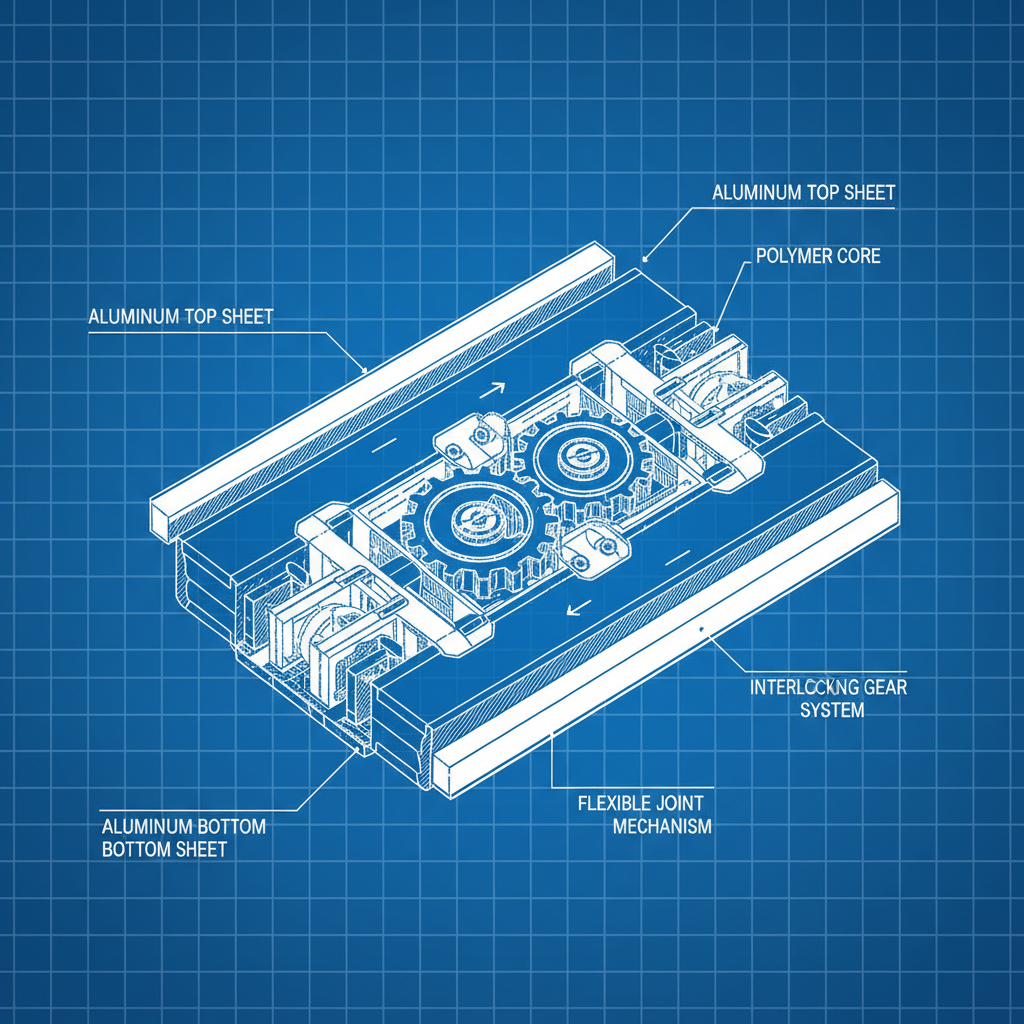
At its most basic level, panel acm is a sandwich-structured material consisting of two thin coils of aluminium bonded to a non-aluminium core. This specific architecture is designed to provide the high strength-to-weight ratio of aluminium while utilizing the core to provide thickness and insulation. The bonding process involves high-pressure rollers and specialized adhesives that ensure the layers never delaminate, even under extreme thermal expansion or contraction.
From a manufacturing perspective, the choice of the core is what defines the panel's category. PE (Polyethylene) cores are typically used for signage and interior decorations due to their ease of fabrication, whereas Mineral-filled cores are utilized for exterior facades to meet fire safety regulations. This versatility allows a single product line to serve diverse needs, from a simple shopfront sign to the exterior of a high-rise corporate headquarters.
Furthermore, the exterior finish—often a PVDF (Polyvinylidene Fluoride) coating—acts as the primary shield against UV radiation and chemical pollutants. This coating is what allows panel acm to maintain its color and gloss for decades, making it an economically superior choice compared to painted steel or traditional masonry, which require frequent repainting and repair.
Core Components for High-Performance Panel ACM
The durability of panel acm is primarily driven by the quality of the aluminium skin. By using high-grade alloys that resist corrosion and oxidation, these panels can survive in saline coastal environments or highly polluted industrial zones without losing their structural integrity or aesthetic appeal.
Another critical factor is the core's thermal stability. Advanced panel acm variants now incorporate fire-retardant mineral fillers that prevent the spread of flames. This innovation addresses the historical vulnerability of composite panels, transforming them into a safe choice for public infrastructure and residential high-rises.
Finally, the precision of the coating process determines the panel's longevity. A multi-layered PVDF coating provides an impenetrable barrier against acid rain and smog, ensuring that the panel acm retains its professional look while providing a hygienic surface that is easy to clean with minimal effort.
Versatile Applications of Panel ACM Across Sectors
The practical application of panel acm extends far beyond simple wall cladding. In the transportation sector, these panels are used for the interiors of trains and aircraft due to their lightweight nature, which helps in reducing fuel consumption. In the commercial realm, they are the preferred choice for corporate branding, where precise folding and routing allow for the creation of complex 3D shapes and seamless curves.
In regions prone to natural disasters, the impact resistance of these composite panels makes them ideal for rapid-deployment housing and temporary medical facilities. Because they are easy to transport and quick to assemble, they provide a dignified and weather-proof shelter in post-disaster relief operations, proving that the industrial utility of the material has a profound humanitarian value.
Performance Comparison of Panel ACM Core Types
Tangible Advantages and Long-Term Value
The primary advantage of implementing panel acm is the drastic reduction in structural load. Unlike stone or heavy concrete, the lightweight nature of composite panels reduces the need for massive support beams, allowing for more open architectural layouts and lower foundation costs. This logical efficiency translates directly into higher profitability for developers without compromising the building's aesthetic dignity.
Moreover, the sustainability profile of panel acm is increasingly attractive. Aluminium is one of the most recyclable materials on Earth, and many modern panels now incorporate recycled content in their cores. By extending the lifecycle of a building's envelope and reducing the frequency of renovations, these panels contribute to a lower overall carbon footprint for the built environment.
Future Trends in Panel ACM Innovation
The future of panel acm is closely tied to the digital transformation of the construction industry. We are seeing the rise of "Smart Facades," where composite panels are integrated with sensors to monitor building health, temperature, and energy efficiency in real-time. This integration of IoT technology allows building managers to optimize HVAC systems based on the external performance of the cladding.
Another emerging trend is the development of bio-based cores. Researchers are exploring the use of natural polymers and recycled organic fibers to replace petroleum-based polyethylene, aiming to create a fully biodegradable or carbon-neutral panel acm. This shift aligns with the global "Green Building" certifications like LEED and BREEAM, making composite panels a key part of eco-friendly urban planning.
Furthermore, automation in fabrication—such as CNC routing and laser cutting—is allowing for unprecedented precision. This means that panels can be pre-fabricated to millimetric accuracy in the factory, virtually eliminating on-site waste and ensuring a perfect fit for even the most complex organic architectural shapes.
Overcoming Common Challenges in Panel ACM Implementation
Despite its benefits, the installation of panel acm can be hindered by improper handling or poor installation techniques. One common issue is "oil canning," where the flat surface of the panel appears to buckle or wave. This is typically solved through professional engineering of the joint spacing and the use of high-quality fastening systems that allow for natural thermal expansion.
Another challenge is the perception of fire risk. While early generations of composite panels had flaws, the modern industry has responded with rigorous testing and the introduction of non-combustible cores. The solution lies in education and strict adherence to technical guides, ensuring that the correct grade of panel acm is selected based on the building's height and occupancy type.
Finally, ensuring long-term adhesion between the skin and the core requires strict quality control during the manufacturing process. By implementing a 15-step engineering order process and rigorous batch testing, manufacturers can guarantee that the panels will not delaminate even in the harshest climates.
Technical Specification and Analysis of Panel ACM Variations
| Core Material |
Fire Rating |
Ideal Application |
Durability Score |
| Polyethylene (PE) |
Combustible |
Interior/Signage |
6/10 |
| Fire Retardant (FR) |
B1 Class |
Mid-rise Facades |
8/10 |
| Mineral Core |
A2 Non-combustible |
High-rise/Public |
10/10 |
| Unbreakable Core |
B1/B2 Class |
High-traffic Areas |
9/10 |
| Anodised Core |
Variable |
Industrial/Modernist |
7/10 |
| Hybrid Composite |
A2/B1 Class |
Custom Architectural |
9/10 |
FAQS
Panel ACM offers a significantly better strength-to-weight ratio. By using a composite core, it provides the same structural rigidity as solid aluminum but at a fraction of the weight and cost. This makes it easier to install and reduces the load on the building's primary structure while offering better insulation properties.
Yes, provided that the correct fire-rated core is used. For high-rise structures, A2 non-combustible or FR B1 rated panels are mandatory. These materials are engineered to resist flame spread and are tested against international safety standards to ensure occupant safety in the event of a fire.
When coated with high-quality PVDF (Polyvinylidene Fluoride), the finish can last between 15 to 25 years without significant fading or chalking. This is due to the coating's extreme resistance to UV rays, acid rain, and atmospheric pollutants, making it far more durable than standard powder coatings.
Absolutely. One of the greatest strengths of ACM is its fabricability. Using a process called routing, the core is partially removed, allowing the aluminum skin to be bent or folded into precise angles and curves without cracking, which is ideal for modern, organic architectural styles.
Yes, it is highly sustainable. Aluminium is infinitely recyclable, and many manufacturers now use recycled aluminium and eco-friendly core materials. Additionally, its lightweight nature reduces transportation energy and construction waste, contributing to LEED and other green certifications.
Oil canning is prevented by ensuring proper joint gaps that allow for thermal expansion and contraction. Using professional fastening systems and avoiding over-tightening of screws ensures the panel can "breathe," maintaining a perfectly flat and professional appearance across the entire facade.
Conclusion
In summary, panel acm represents a perfect intersection of engineering precision and architectural creativity. By combining the resilience of aluminium with advanced core technologies, it solves the critical industry challenges of weight, fire safety, and durability. From its role in sustainable urban development to its application in humanitarian disaster relief, the value of these composite panels extends far beyond mere aesthetics, offering a reliable and efficient skin for the structures of tomorrow.
As we move toward a future of smarter, greener cities, the continued innovation in bio-based cores and IoT integration will only enhance the relevance of this material. For architects and developers, investing in high-quality, certified composite panels is not just a design choice, but a strategic decision for long-term asset value and safety. To explore our full range of technical solutions and custom finishes, visit our website: www.acmfactory.com