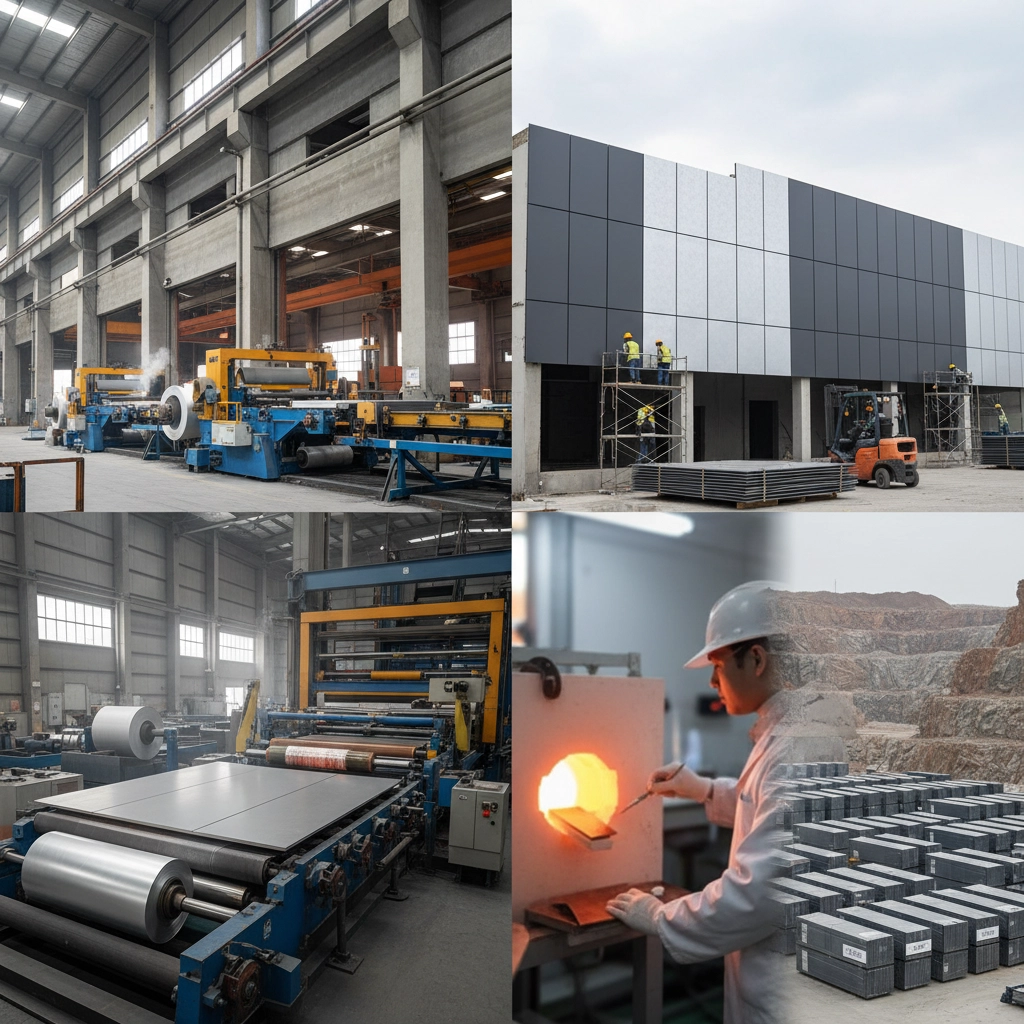
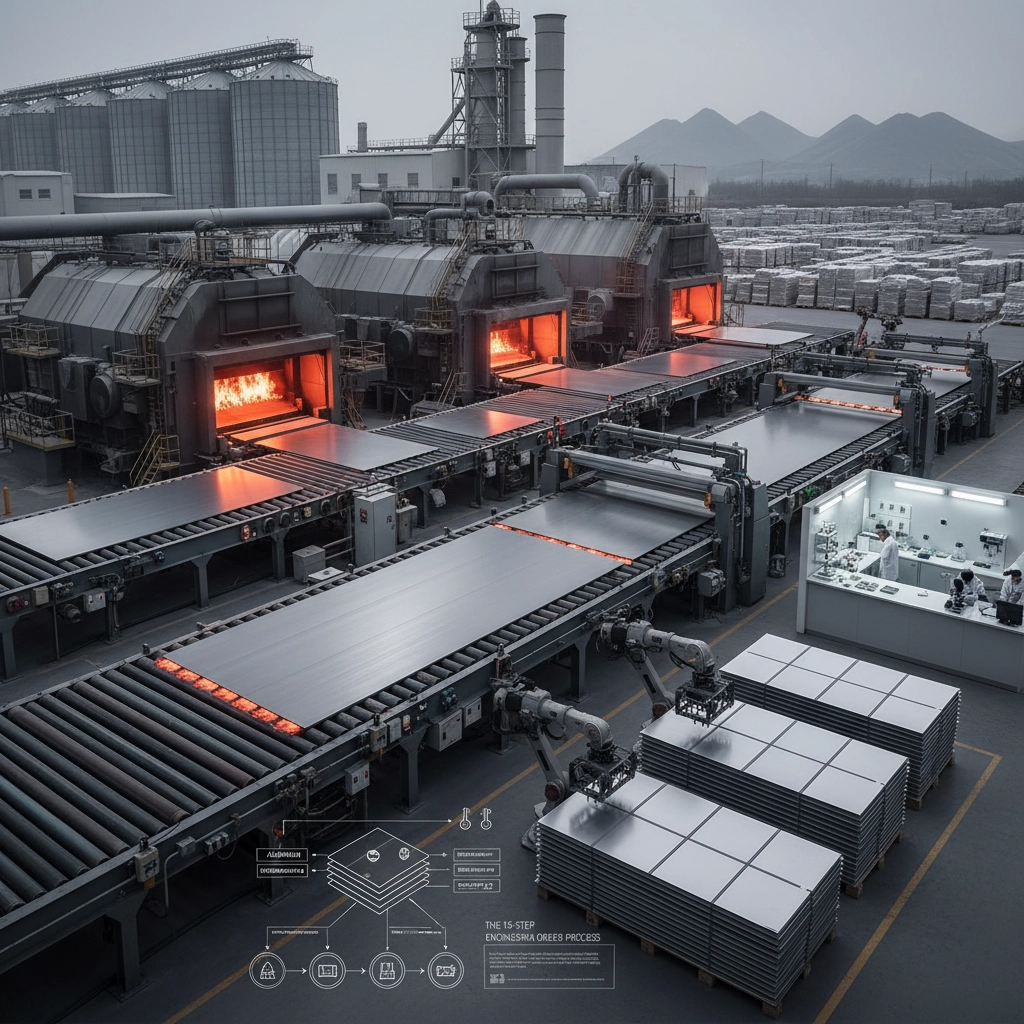
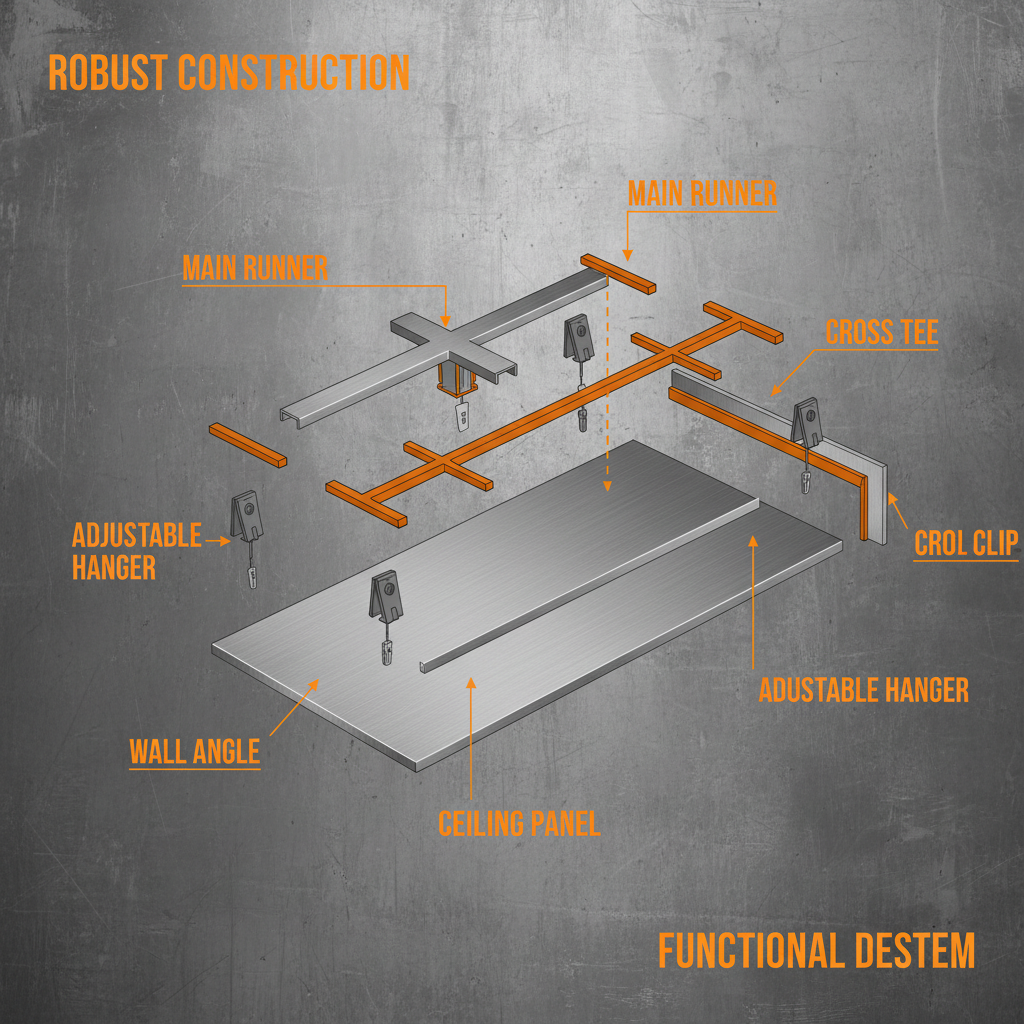
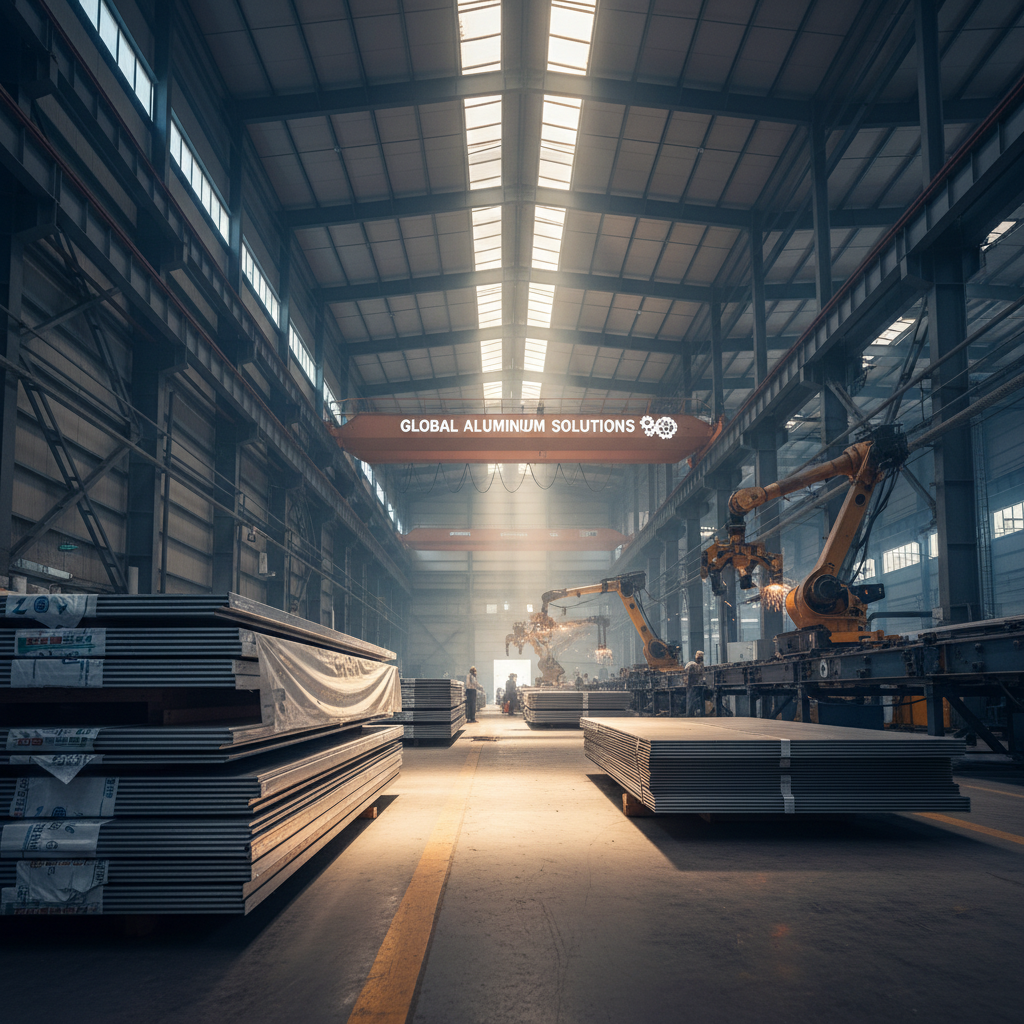
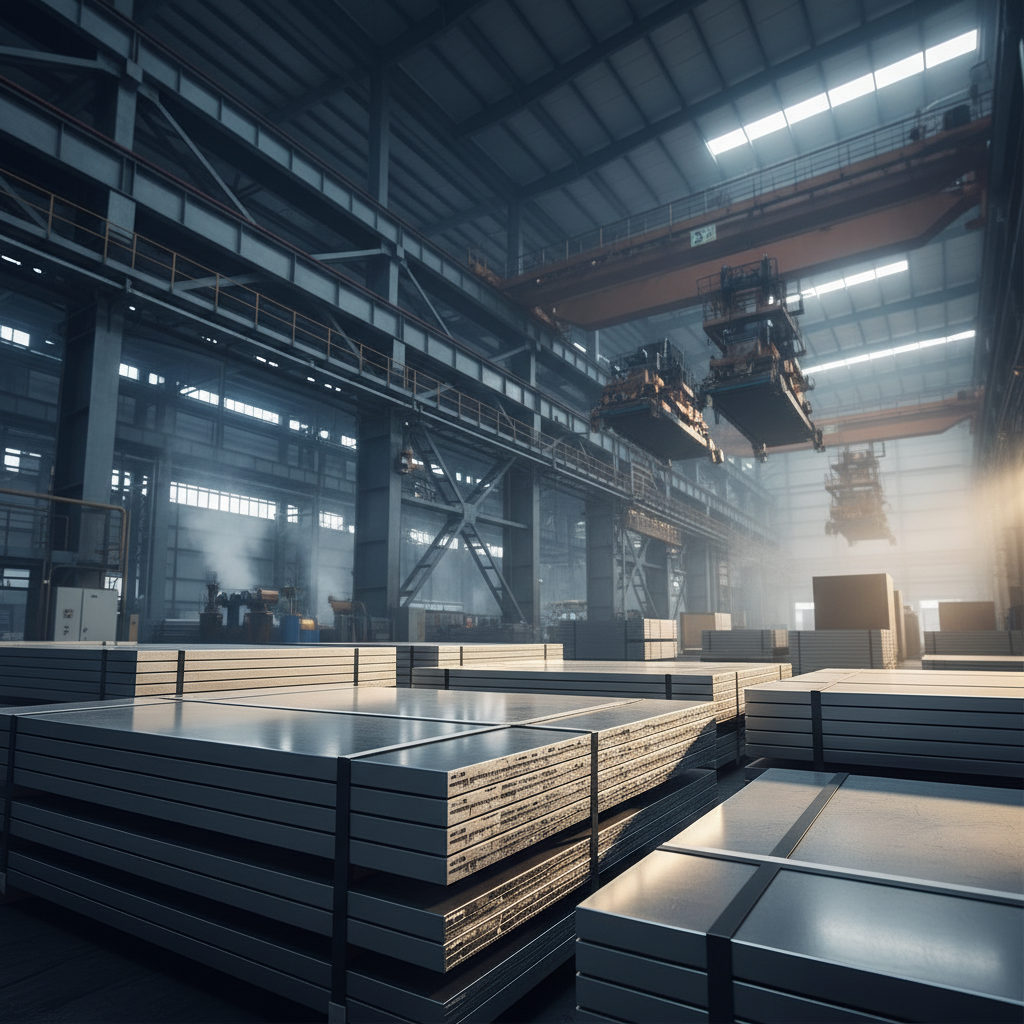
In the evolving landscape of modern architecture, acm panelling has emerged as a cornerstone for designers seeking a blend of aesthetic versatility and structural integrity. These aluminum composite materials provide a lightweight yet incredibly rigid solution for cladding, allowing for bold geometric shapes and sleek finishes that were previously unattainable with traditional materials.
The global demand for high-performance building envelopes has driven the innovation of these panels, particularly in urban centers where speed of installation and long-term durability are paramount. By utilizing a sandwich structure—typically consisting of two thin aluminum sheets bonded to a non-aluminum core—this technology optimizes the strength-to-weight ratio, reducing the load on building frames while maximizing visual impact.
Understanding the nuances of acm panelling is essential for architects and developers who aim to balance budget constraints with premium quality. From fire-safety ratings to UV resistance, the technical specifications of these panels directly influence the lifespan and safety of a commercial structure, making it a critical component of sustainable urban development.
The Fundamental Composition of ACM Panelling
At its core, acm panelling is an engineered product designed to provide a flat, stable surface. The structure consists of two coils of aluminum—often coated with PVDF or PE—bonded to a central core. This core can range from low-density polyethylene (LDPE) for standard signage to advanced mineral-filled fire-retardant cores that meet strict international safety codes such as A2 or B1.
The synergy between the metallic skin and the interior core allows the panel to resist warping and bending, which is a common failure in single-skin metal sheets. This rigidity makes the panels ideal for large-scale facades where wind load and thermal expansion are significant factors, ensuring the building remains visually pristine over several decades.
Global Industry Standards and Market Relevance
The global construction market has seen a massive shift toward prefabricated components to reduce on-site labor costs and waste. acm panelling aligns perfectly with this trend, as panels are manufactured to precise tolerances in controlled factory environments before being shipped for assembly. This modular approach significantly shortens project timelines, which is critical for commercial developments in fast-paced economies.
According to international building standards and ISO quality certifications, the reliability of cladding materials is now judged by their ability to withstand extreme environmental stress. In regions with high salinity or extreme temperature fluctuations, the corrosion-resistant properties of aluminum make it a superior choice compared to traditional steel or timber, which require frequent and costly maintenance.
However, the industry has faced challenges regarding fire safety in the past. This has led to a global push for non-combustible cores. The transition toward FR (Fire Retardant) and A2 non-combustible acm panelling demonstrates the industry's commitment to safety and the strict adherence to updated building regulations worldwide.
Core Technical Factors for Performance
Durability is the first pillar of high-quality acm panelling. The use of PVDF (Polyvinylidene Fluoride) coatings ensures that the panels remain resistant to UV radiation and atmospheric pollutants. This prevents the "chalking" effect and color fading, which are common in lower-grade materials, maintaining the architectural intent of the building for 20+ years.
Scalability and versatility are equally important. Because acm panelling is easy to route, fold, and curve, it can be adapted to any building geometry. Whether it is a sharp-edged corporate headquarters or a flowing organic museum facade, the material's malleability allows for seamless integration with various architectural styles.
Cost-efficiency is achieved not just in the material price, but in the total cost of ownership. The lightweight nature of these panels reduces the requirement for heavy-duty support structures and simplifies the logistics of transportation and hoisting, leading to a measurable reduction in overall project expenditure.
Comparative Efficiency of Installation Methods
The method of installing acm panelling significantly impacts both the final look and the long-term stability of the facade. The two most common approaches are the "Route and Return" method, which creates a clean, folded-edge tray, and the "Cassette" system, where panels are locked into a supporting frame.
Choosing the right system depends on the required tolerance and the specific environmental conditions of the site. For instance, in high-wind areas, the Cassette system provides superior mechanical fastening, whereas the Route and Return method offers a more streamlined, minimalist aesthetic for interior walls or low-rise exteriors.
Comparison of ACM Panelling Installation Efficiency
Real-World Applications and Global Use Cases
In modern metropolitan areas like Dubai, Singapore, and New York, acm panelling is ubiquitous. It is extensively used for corporate office towers, airport terminals, and luxury retail storefronts. These environments require materials that can withstand high pollution levels while maintaining a high-gloss or sophisticated matte finish that reflects the brand's prestige.
Beyond luxury architecture, these panels are critical in industrial zones for the construction of cleanrooms and food processing plants. The non-porous surface of the aluminum skins prevents bacterial growth and allows for aggressive chemical cleaning, making acm panelling a hygienic and practical choice for the pharmaceutical and food sectors.
Long-Term Value and Sustainability Benefits
From a sustainability perspective, aluminum is one of the most recyclable materials on the planet. acm panelling contributes to a circular economy because the aluminum skins can be reclaimed and reused with minimal energy loss compared to primary production. This makes it an attractive option for projects aiming for LEED or BREEAM certifications.
The thermal properties of the composite core also provide an additional layer of insulation, reducing the energy required for heating and cooling the building interior. By minimizing thermal bridging, these panels help in lowering the overall carbon footprint of the structure throughout its operational life.
Moreover, the psychological impact of a well-maintained facade cannot be overlooked. A building clad in high-quality acm panelling conveys a sense of innovation, trust, and permanence, which increases the property value and attracts high-tier tenants.
Future Innovations in Composite Cladding
The next generation of acm panelling is moving toward "smart skins." Researchers are integrating photovoltaic cells directly into the aluminum layers, allowing the building facade to generate electricity without compromising the aesthetic. This transformation from a passive protective layer to an active energy generator is a game-changer for urban sustainability.
Digital transformation is also hitting the factory floor. With the integration of BIM (Building Information Modeling) and automated CNC routing, panels are now being cut with micron-level precision. This eliminates human error during the fabrication stage, ensuring that every piece of acm panelling fits perfectly upon arrival at the construction site.
Furthermore, the development of bio-based cores is reducing the reliance on petroleum-derived plastics. Future panels will likely feature cores made from recycled organic polymers or mineral composites that offer even higher fire ratings and lower environmental impact, pushing the industry toward a truly "green" construction era.
Technical Comparison of Future ACM Panelling Technologies
| Technology Type |
Primary Benefit |
Environmental Impact |
Adoption Level (1-10) |
| PVDF Solar-Integrated |
Energy Generation |
Low Carbon |
4 |
| A2 Non-Combustible |
Maximum Fire Safety |
Medium |
9 |
| Bio-Polymer Core |
Biodegradability |
Very Low |
3 |
| Nano-Coating Skin |
Self-Cleaning |
Low |
6 |
| Ultra-Light Core |
Weight Reduction |
Medium |
7 |
| BIM-Optimized Cut |
Zero Waste |
Low |
8 |
FAQS
PE (Polyethylene) cores are standard and cost-effective, typically used for indoor signage or low-risk areas. FR (Fire Retardant) cores are infused with mineral fillers that slow the spread of fire and prevent smoke inhalation, making them mandatory for most exterior commercial cladding projects under modern safety laws.
When using high-grade PVDF coatings, acm panelling can easily last 20 to 30 years without significant degradation. The longevity depends on the quality of the aluminum skin and the installation method, but the material's inherent resistance to rust and corrosion ensures a very long lifecycle compared to timber or steel.
Yes, one of the primary advantages of acm panelling is its versatility. Through a process called "routing," the aluminum skin is partially cut, allowing the panel to be folded or curved into cylinders, spheres, or complex geometric shapes without compromising the structural integrity of the outer face.
Yes, aluminum is infinitely recyclable. Most acm panelling manufacturers now use recycled aluminum content in their coils. Furthermore, the panels' lightweight nature reduces the energy required for transport and installation, and their durability reduces the need for frequent replacements, contributing to a lower lifetime carbon footprint.
Maintenance is minimal. For most installations, a simple wash with mild soap and water is sufficient to remove dust and pollutants. Because the PVDF coating is non-porous, it resists stains and graffiti, making it one of the easiest cladding materials to maintain in urban environments.
For high-rise structures, the Cassette system is generally preferred. It provides superior mechanical fastening and allows for thermal expansion and contraction of the panels without risking buckling. This ensures the facade remains secure even under high wind loads and extreme temperature variations.
Conclusion
In summary, acm panelling represents the perfect intersection of form and function in the modern construction industry. By combining the strength of aluminum with the versatility of composite cores, it solves the age-old conflict between wanting a visually stunning building and needing a durable, safe, and cost-effective envelope. From its superior UV resistance to its critical fire-safety advancements, this material continues to redefine how we approach urban architecture.
As we look toward a future of "smart cities," the role of composite cladding will only expand. The integration of energy-generating skins and bio-based materials suggests that acm panelling will remain at the forefront of sustainable innovation. For developers and architects, investing in high-quality composite solutions is no longer just an aesthetic choice, but a strategic decision for long-term asset value and environmental responsibility. Visit our website for more information: www.acmfactory.com