The demand for efficient and durable building materials is constantly growing, driven by factors like urbanization, infrastructure development, and the need for sustainable construction practices. At the heart of this demand lies the crucial role of the aluminium panel supplier, providing materials vital for a diverse range of applications. These suppliers are instrumental in enabling modern architectural designs, efficient construction projects, and the creation of visually appealing and long-lasting structures across the globe.
Globally, the aluminium panel market is experiencing substantial expansion, with projected growth reaching billions of dollars in the coming years. This surge is fuelled by the material’s unique properties – lightweight yet incredibly strong, corrosion-resistant, and highly versatile. Sourcing from a reliable aluminium panel supplier is therefore critical for projects of any scale, ensuring quality, consistency, and timely delivery.
Understanding the capabilities and nuances of different aluminium panel suppliers is becoming increasingly important as building standards evolve and client expectations rise. Choosing the right partner can significantly impact project timelines, budgets, and the ultimate success of construction endeavors.
The Core Role of an aluminium panel supplier
An aluminium panel supplier is much more than simply a provider of materials; they are a crucial link in the construction and manufacturing supply chain. They ensure a consistent supply of high-quality aluminium panels tailored to specific project requirements. This includes offering a variety of finishes, thicknesses, and sizes to meet diverse aesthetic and functional needs.
Effective aluminium panel suppliers often provide value-added services such as custom fabrication, colour matching, and technical support, helping clients navigate the complexities of material selection and installation. Their expertise contributes significantly to project efficiency and overall success.
Defining the aluminium panel supplier
At its simplest, an aluminium panel supplier is a company specializing in the sourcing, processing, and distribution of aluminium panels used in a wide array of building and industrial applications. These panels are typically manufactured from aluminium alloys, chosen for their specific characteristics like strength, corrosion resistance, and workability.
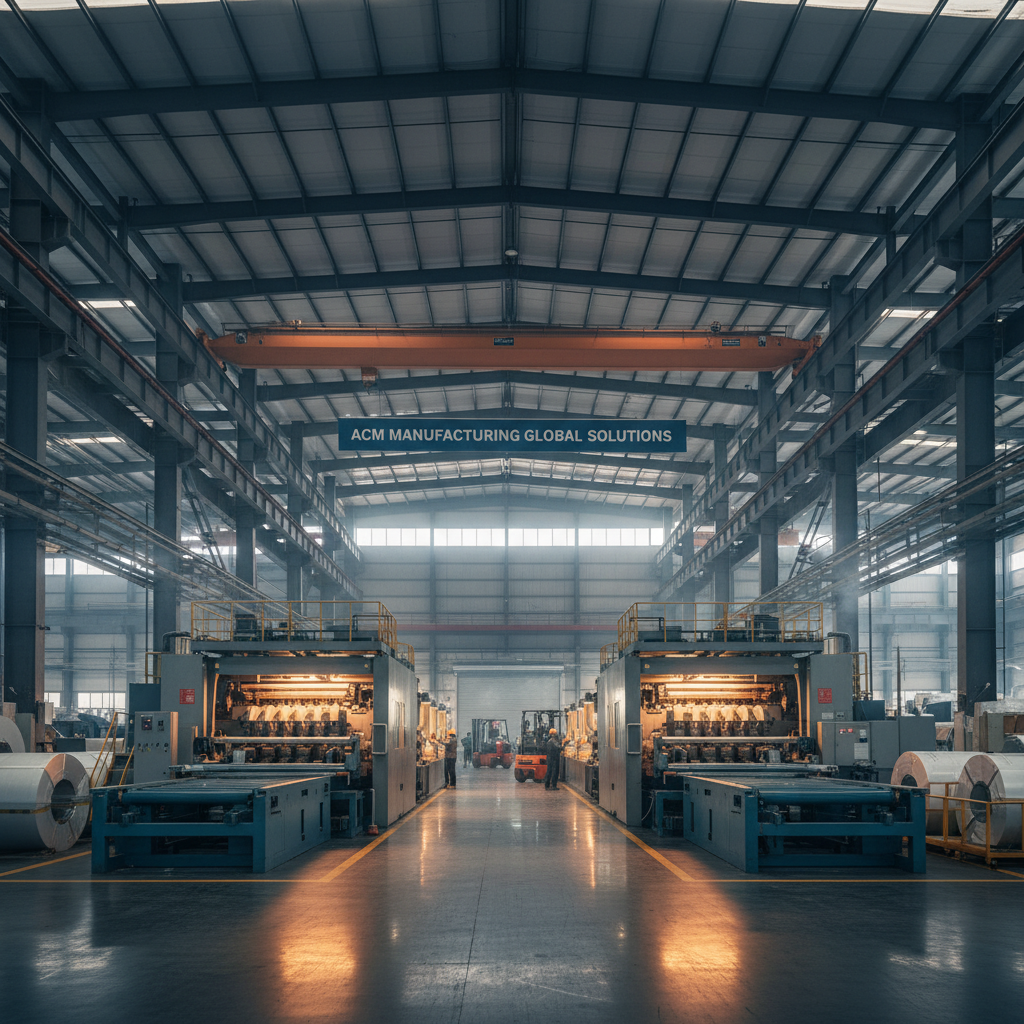
These suppliers often work directly with manufacturers to ensure consistent quality and competitive pricing. They act as a central hub for clients needing aluminium panels, providing a streamlined procurement process and simplifying logistics. The scope of an aluminium panel supplier can range from small regional distributors to large international corporations.
Their relevance extends beyond construction, encompassing sectors like transportation, signage, and even interior design. The aluminium panel supplier’s role is becoming increasingly important in supporting the transition towards sustainable building practices due to aluminium’s recyclability.
Key Characteristics of a Premier aluminium panel supplier
A top-tier aluminium panel supplier demonstrates several key characteristics, starting with an unwavering commitment to quality control. They implement rigorous testing procedures throughout the manufacturing process to ensure that all panels meet industry standards and client specifications.
Another crucial attribute is a comprehensive product range. A good supplier should offer a variety of aluminium alloys, thicknesses, finishes (like powder coating, anodizing, and PVDF), and panel sizes to cater to diverse project needs. Responsiveness and excellent customer service are also paramount, providing technical assistance and timely support to clients.
Finally, a reliable aluminium panel supplier maintains strong relationships with reputable manufacturers and possesses a robust supply chain to guarantee consistent availability and on-time deliveries, even for large-scale projects.
Performance Metrics of an aluminium panel supplier
Evaluating the performance of an aluminium panel supplier requires considering several key metrics. One crucial factor is product quality consistency, measured by adherence to specifications and minimal defect rates. This impacts the long-term durability and aesthetic appeal of the final project.
Lead times and on-time delivery performance are equally important, as delays can significantly disrupt construction schedules and increase costs. Customer satisfaction, assessed through feedback and repeat business, provides valuable insights into the supplier’s responsiveness and service quality.
aluminium panel supplier Performance Evaluation
Global Applications of aluminium panel supplier Materials
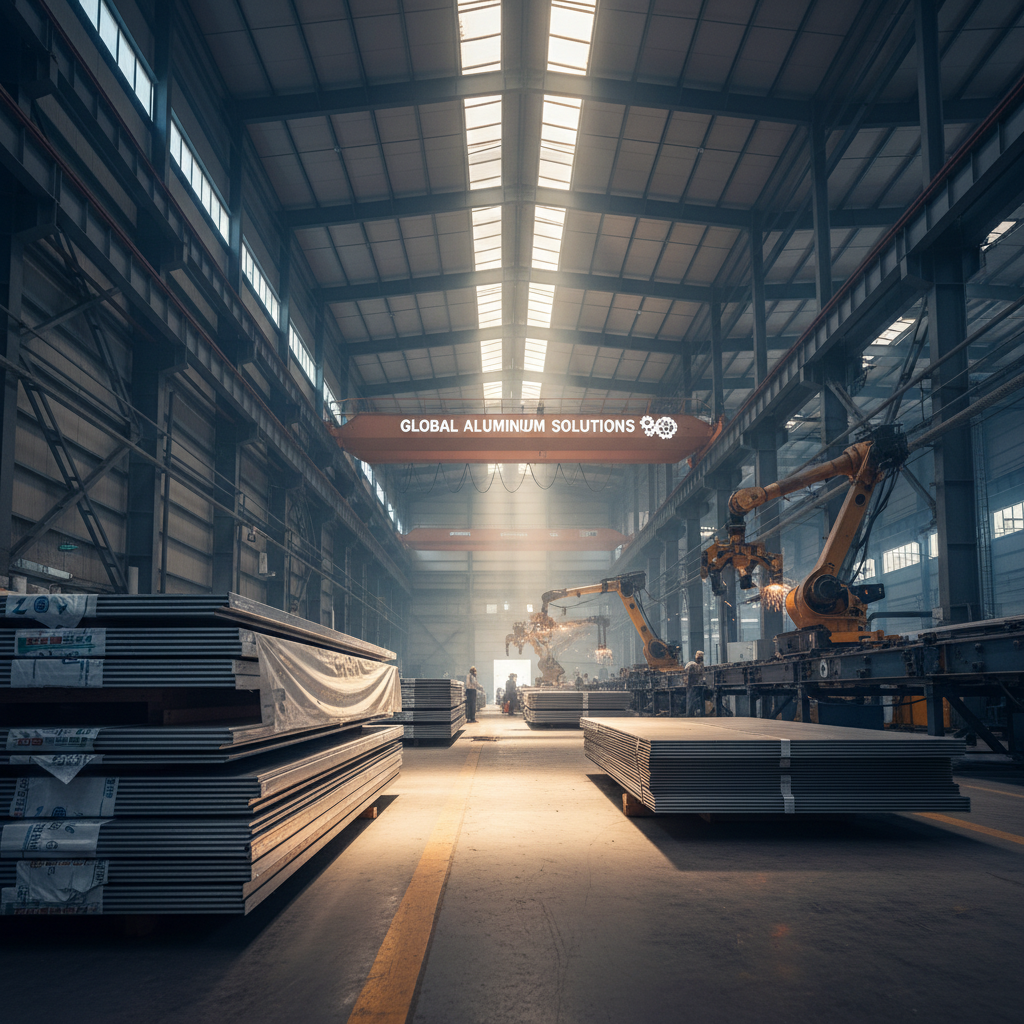
aluminium panel supplier materials find applications across a remarkably diverse range of industries and geographical locations. In the construction sector, they are widely used for building facades, cladding, roofing, and interior partitions, offering a lightweight, durable, and aesthetically pleasing solution.
The transportation industry utilizes aluminium panels for vehicle bodies, train interiors, and aircraft components, leveraging their strength-to-weight ratio to improve fuel efficiency. Signage and advertising also heavily rely on aluminium panels for their weather resistance and printability. These aluminium panel supplier products are vital for modern infrastructure projects worldwide.
Advantages and Value Proposition of aluminium panel supplier
The advantages of working with a reputable aluminium panel supplier are numerous. Cost efficiency is a key benefit, as aluminium's durability reduces long-term maintenance and replacement costs. Sustainability is another compelling advantage, thanks to aluminium's high recyclability, contributing to environmentally responsible building practices.
The lightweight nature of aluminium panels simplifies installation and reduces structural loads, potentially lowering construction costs. Furthermore, the material’s aesthetic versatility and resistance to corrosion ensure long-lasting beauty and protection, providing a significant return on investment for clients.
Beyond the tangible benefits, partnering with a reliable aluminium panel supplier fosters trust and reliability, knowing that you’re receiving high-quality materials and expert support for your projects.
Future Trends and Considerations for aluminium panel supplier
The future of the aluminium panel supplier industry is shaped by emerging trends like increasing demand for sustainable materials and the integration of digital technologies. There’s a growing emphasis on developing eco-friendly aluminium alloys and optimizing production processes to minimize environmental impact.
Automation and data analytics are also playing a greater role, improving efficiency and quality control in manufacturing and distribution. The rise of Building Information Modeling (BIM) is driving demand for suppliers who can provide detailed product data and collaborate seamlessly with architects and engineers.
Furthermore, advancements in surface treatments and coatings are expanding the aesthetic possibilities and enhancing the performance characteristics of aluminium panels, opening up new applications and design opportunities.
A Summary of Considerations for Aluminium Panel Supplier Selection
| Supplier Reputation |
Product Range |
Delivery Capabilities |
Technical Support |
| Years in Business |
Alloy Variety |
Lead Time Consistency |
Design Assistance |
| Customer Reviews |
Finish Options |
Shipping Reliability |
Material Certifications |
| Industry Certifications |
Custom Fabrication |
Geographic Reach |
Installation Guidance |
| Financial Stability |
Panel Thickness Selection |
Inventory Management |
Troubleshooting Support |
| Quality Control Processes |
Colour Matching Capabilities |
Supply Chain Resilience |
Warranty Provisions |
| Responsiveness to Inquiries |
Availability of Samples |
Order Tracking Systems |
Compliance with Standards |
FAQS
We offer a comprehensive range of aluminium alloys, including 3003, 5052, 6061, and others, each selected for its specific properties. These alloys cater to diverse applications, from general purpose cladding to high-strength structural components. Our team can help you identify the ideal alloy based on your project's requirements, ensuring optimal performance and durability. We prioritize providing alloys that meet rigorous industry standards for quality and consistency.
Typical lead times vary depending on the complexity of the order, the quantity required, and current production schedules. For standard sizes and alloys, we generally offer lead times of 2-4 weeks. Custom fabrications or large-volume orders may require longer lead times, which we will communicate clearly during the quoting process. We prioritize efficient order processing and maintain a robust inventory to minimize delays.
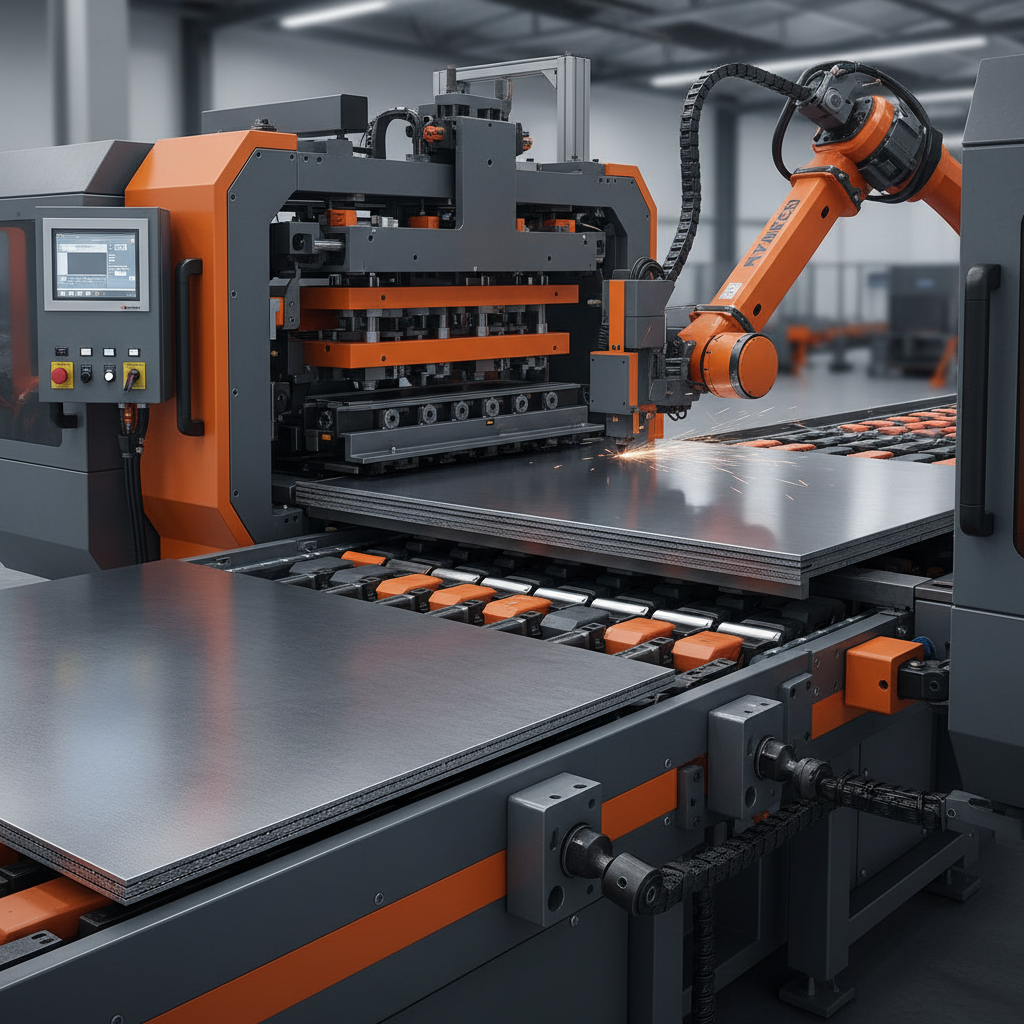
Yes, we specialize in custom aluminium panel fabrication. We can provide cutting, bending, punching, and other fabrication services to meet your exact specifications. Our experienced team utilizes advanced equipment and techniques to deliver precise and high-quality custom panels. We work closely with clients to understand their unique needs and ensure that the finished product meets their expectations.
We offer a wide array of finishes, including powder coating, anodizing, PVDF coating, and mill finish. Powder coating provides a durable and colourful finish, while anodizing enhances corrosion resistance and creates a sleek appearance. PVDF coatings are known for their exceptional weatherability and colour retention. We can match custom colours to meet your aesthetic requirements.
Yes, aluminium is a highly recyclable material, making it an environmentally responsible choice. We are committed to sustainable practices throughout our operations, including sourcing materials from responsible suppliers and minimizing waste. Choosing aluminium panels contributes to a circular economy and reduces the environmental impact of your projects. We actively promote the use of recycled aluminium in our products.
Absolutely! We offer comprehensive technical support to assist you with material selection, design considerations, and installation procedures. Our team of experts can provide guidance on best practices, recommend appropriate fastening systems, and address any technical challenges you may encounter. We are dedicated to ensuring your project's success from start to finish.
Conclusion
In conclusion, the role of the aluminium panel supplier is central to modern construction and industrial applications. Providing high-quality, versatile, and sustainable materials is paramount. Choosing a reliable supplier with a proven track record in quality control, product range, and customer service is critical for the success of any project. From durable building facades to lightweight transportation components, these materials contribute significantly to innovation and efficiency across various industries.
Looking ahead, the industry will continue to evolve, driven by demand for eco-friendly solutions and advancements in materials science. By embracing sustainable practices, leveraging digital technologies, and fostering strong partnerships, aluminium panel suppliers can play a vital role in shaping a more resilient and sustainable future. Visit our website today at www.acmfactory.com to explore our comprehensive range of aluminium panel solutions.