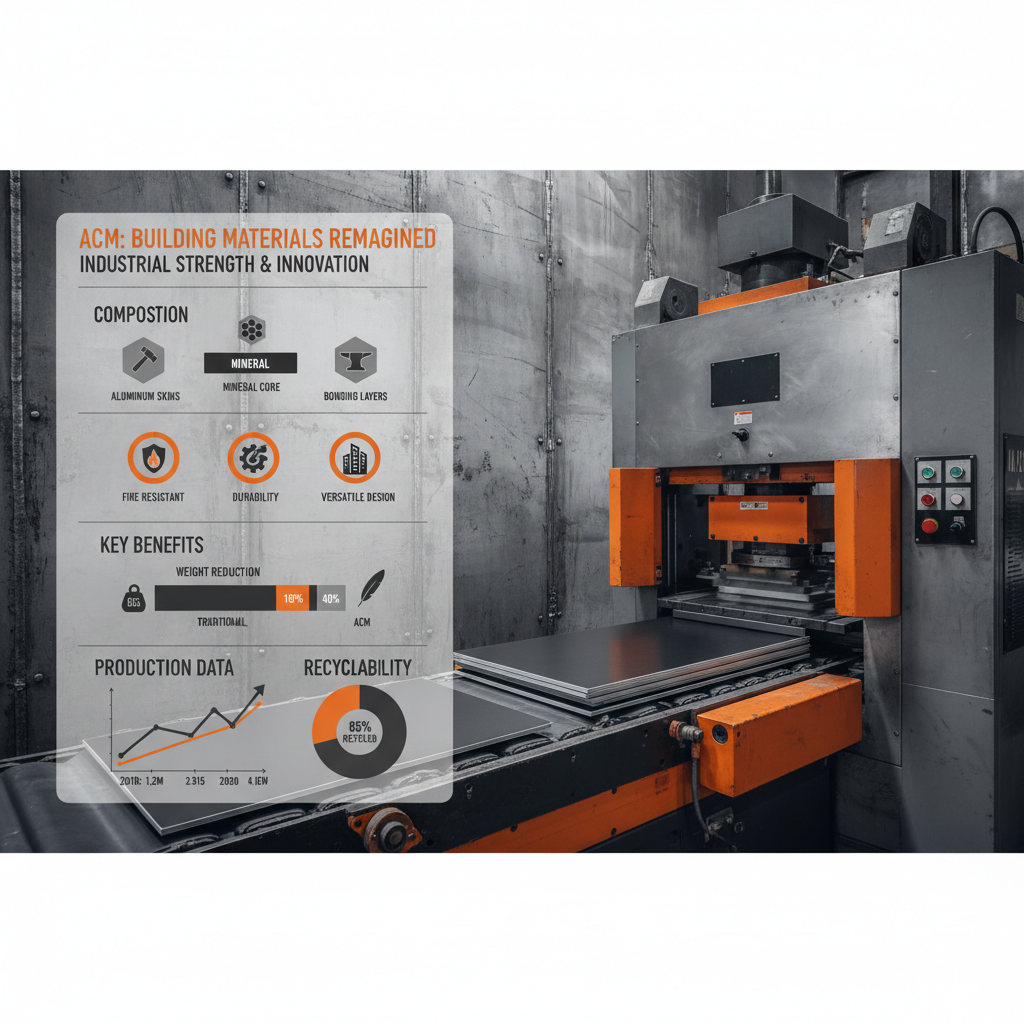
Aluminum cladding supplier plays a crucial role in modern construction, offering versatile and durable solutions for building facades. Globally, the demand for sustainable and aesthetically pleasing building materials is rising, making aluminum cladding a preferred choice for architects and developers. The benefits extend beyond mere appearance, encompassing energy efficiency, weather resistance, and long-term cost savings. Understanding the nuances of selecting the right aluminum cladding supplier is vital for project success.
The increasing urbanization and infrastructure development worldwide drive a significant demand for efficient construction materials. Aluminum cladding, sourced from a reliable aluminum cladding supplier, offers faster installation times compared to traditional methods, reducing project timelines and labor costs. Moreover, the lightweight nature of aluminum reduces the structural load on buildings, leading to further cost optimizations.
Choosing the correct aluminum cladding supplier is not just about sourcing materials; it's about partnering with a company that understands building codes, material performance, and project-specific requirements. This collaborative approach ensures compliance, durability, and ultimately, a superior finished product, cementing the role of a skilled aluminum cladding supplier in the building industry.
The Global Importance of aluminum cladding supplier
The global construction industry is a massive economic driver, and the demand for high-quality building materials like aluminum cladding is steadily increasing. According to recent UN reports, urbanization rates are projected to reach 68% by 2050, necessitating rapid infrastructure development. Reliable aluminum cladding supplier networks are therefore crucial for meeting this demand efficiently and sustainably.
The choice of building materials directly impacts a project’s longevity, energy efficiency, and aesthetic appeal. Aluminum cladding, consistently supplied by a capable aluminum cladding supplier, offers exceptional durability, corrosion resistance, and design flexibility – attributes highly valued in diverse climates and architectural styles. This makes sourcing from a reputable supplier essential for any significant construction project.
Defining Aluminum Cladding Supply
An aluminum cladding supplier is a company specializing in the provision of aluminum panels and systems used for exterior building facades. This encompasses not only the raw materials but also the fabrication, finishing, and logistical support required to deliver a complete cladding solution. A proficient aluminum cladding supplier provides a range of profiles, colors, and finishes to meet diverse architectural designs.
The role extends beyond simply selling panels; it involves technical expertise, project consultation, and adherence to industry standards and building codes. A good supplier also offers services like CAD drawings, installation guidance, and warranty support. This holistic approach distinguishes a comprehensive aluminum cladding supplier from a mere materials vendor.
In essence, aluminum cladding supply connects the demand for modern, efficient building envelopes with the manufacturing and distribution capabilities needed to bring those solutions to life. The quality of the supplier directly impacts the overall quality and performance of the finished building.
Core Components of Effective Supply
Durability is paramount. A high-quality aluminum cladding supplier offers materials resistant to corrosion, weathering, and UV radiation, ensuring longevity and minimal maintenance. This involves using high-grade aluminum alloys and protective coatings.
Scalability is crucial for large-scale projects. An effective supplier can handle varying order sizes, meet tight deadlines, and maintain consistent quality across all deliveries. This requires robust manufacturing capacity and efficient logistics management provided by an experienced aluminum cladding supplier.
Cost efficiency is a significant factor. A competitive aluminum cladding supplier balances quality with affordability, offering transparent pricing and minimizing waste. This includes optimizing material usage and streamlining the supply chain.
Global Applications and Use Cases
Aluminum cladding is widely used in commercial buildings, residential complexes, and industrial facilities across the globe. In urban centers like Dubai and Singapore, where iconic skyscrapers are prevalent, aluminum cladding is a staple due to its lightweight properties and aesthetic appeal. These projects frequently rely on specialized aluminum cladding supplier capable of handling complex designs.
In regions prone to harsh weather conditions, such as coastal areas or areas with extreme temperatures, aluminum cladding's corrosion resistance and thermal performance are highly valued. Applications range from hospitals and schools to airports and retail centers. Many suppliers provide materials tailored to specific regional climates.
The demand for sustainable building materials is driving increased adoption in green building projects. Aluminum, being highly recyclable, aligns with environmental goals. Therefore, a growing number of architects and developers prioritize aluminum cladding supplier committed to sustainable manufacturing practices.
Aluminum Cladding Supply Performance Metrics
Advantages and Long-Term Value
The tangible benefits of choosing a reliable aluminum cladding supplier are substantial. Lower lifecycle costs due to reduced maintenance, combined with the material's inherent durability, create long-term financial advantages. This represents a significant return on investment for building owners and developers.
From a sustainability perspective, aluminum's recyclability minimizes environmental impact. Supporting a supplier committed to eco-friendly practices enhances a project’s green credentials and aligns with corporate social responsibility goals. This is increasingly important for attracting environmentally conscious tenants and investors.
Future Trends and Innovation
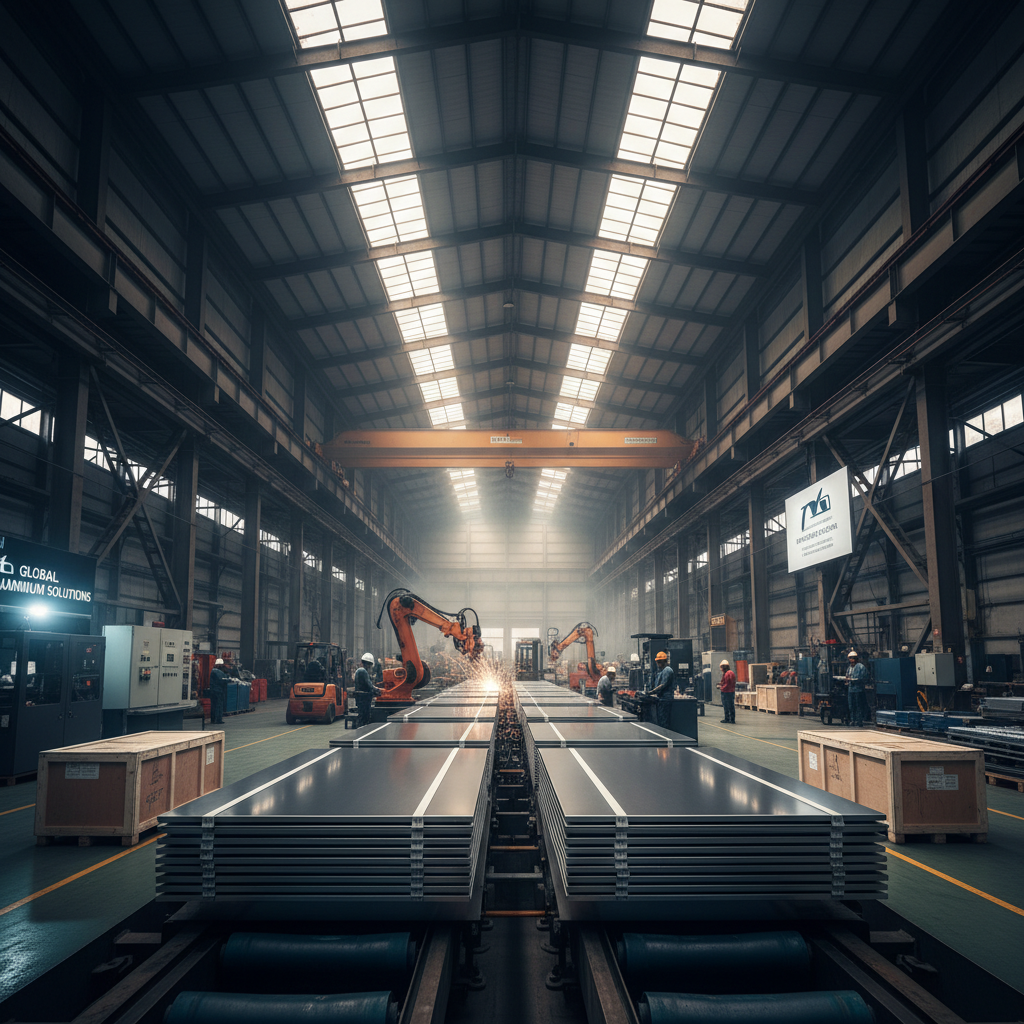
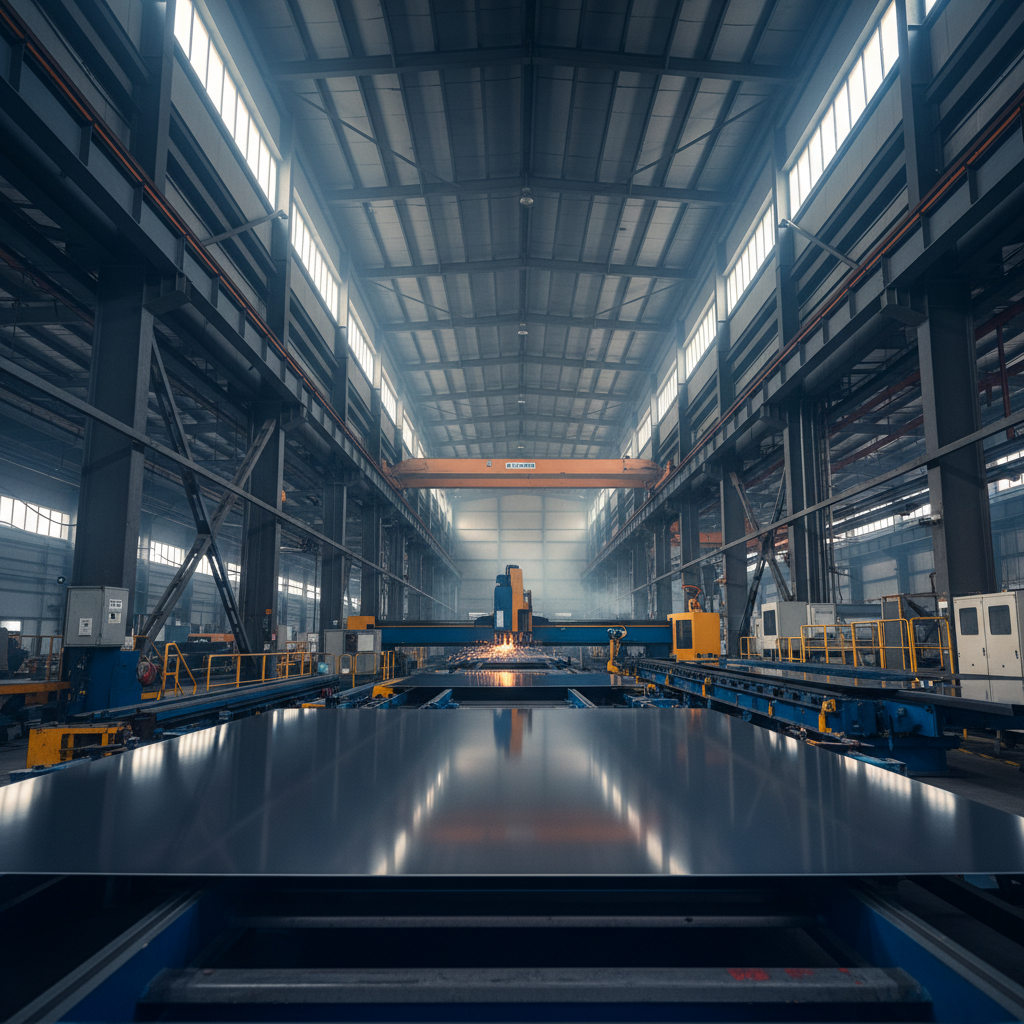
The industry is witnessing a growing demand for digitally fabricated aluminum cladding systems, offering greater precision and design complexity. Suppliers are investing in advanced manufacturing technologies, such as robotic cutting and bending, to meet these evolving needs. A forward-thinking aluminum cladding supplier will embrace these innovations.
Research and development efforts are focused on creating new aluminum alloys with enhanced performance characteristics, such as improved thermal resistance and increased strength. The integration of smart technologies, like sensors embedded within the cladding, is also emerging, enabling real-time monitoring of building performance.
Challenges and Solutions
One common challenge is ensuring consistent quality control across large-scale production runs. Implementing rigorous inspection procedures and adhering to international standards (e.g., ISO 9001) are crucial for mitigating this risk. The supplier must consistently deliver materials meeting pre-defined specifications.
Supply chain disruptions can also pose a significant hurdle. Diversifying sourcing and building strong relationships with multiple suppliers can enhance resilience. A reliable aluminum cladding supplier will prioritize supply chain security.
Navigating complex building codes and regulations can be challenging. Partnering with a supplier possessing in-depth knowledge of local requirements simplifies compliance and minimizes potential delays.
Key Attributes of Effective Aluminum Cladding Supplier Management
| Supplier Reliability |
Product Quality |
Pricing Competitiveness |
Technical Support |
| On-time delivery performance |
Compliance with industry standards |
Overall cost-effectiveness |
Availability of CAD drawings |
| Responsiveness to inquiries |
Corrosion resistance testing |
Payment terms flexibility |
Installation guidance provided |
| Financial stability assessment |
Surface finish consistency |
Volume discount options |
Warranty coverage details |
| Production capacity verification |
Dimensional accuracy |
Shipping costs transparency |
Expert consultation services |
| Contractual agreement clarity |
UV resistance testing |
Minimum order quantity |
Project-specific customization |
| Supply chain traceability |
Fire resistance certification |
Currency exchange rate management |
Post-installation support |
FAQS
Selecting the right aluminum cladding supplier requires careful consideration of several factors. These include their reputation, experience, product quality, pricing, lead times, and ability to provide technical support. Verify their certifications and check references to ensure reliability. A supplier's financial stability is also key, ensuring they can fulfill long-term contracts. Ensure they can consistently meet your project’s specifications and adhere to building codes.
While the initial cost of aluminum cladding might be higher than some materials like vinyl, its long-term cost-effectiveness is often superior. Aluminum requires minimal maintenance, resists corrosion, and boasts a long lifespan, reducing lifecycle costs. Furthermore, its lightweight nature can lower structural support requirements, leading to savings in construction costs. A good aluminum cladding supplier can provide a detailed cost analysis.
Lead times vary depending on the complexity of the order, the supplier’s current workload, and material availability. Standard profiles and colors typically have shorter lead times (2-4 weeks), while custom designs or large orders can take 6-12 weeks or longer. It’s crucial to discuss lead times with your aluminum cladding supplier during the project planning phase to avoid delays.
The warranty is a crucial indicator of a supplier's confidence in their product. A comprehensive warranty should cover material defects, finish durability, and resistance to weathering. Pay attention to the warranty terms and conditions, including the coverage period and any exclusions. A reputable aluminum cladding supplier will offer a robust warranty, demonstrating their commitment to quality.
Look for suppliers with certifications like ISO 9001 (quality management), ISO 14001 (environmental management), and relevant industry-specific certifications. These certifications demonstrate a commitment to quality, sustainability, and compliance. A qualified aluminum cladding supplier will readily provide documentation of their certifications.
Technical support and installation guidance are invaluable. A good supplier will offer CAD drawings, installation manuals, and on-site assistance if needed. They should also be able to answer technical questions and provide recommendations on best practices. Partnering with a aluminum cladding supplier that offers this level of support ensures a smooth and successful installation.
Conclusion
In conclusion, selecting the right aluminum cladding supplier is paramount to the success of any construction project. The benefits extend beyond aesthetics, encompassing durability, cost-effectiveness, sustainability, and long-term value. Prioritizing factors like product quality, technical support, and supplier reliability ensures a durable, visually appealing, and environmentally responsible building envelope.
Looking ahead, the industry will continue to evolve with innovations in material science and fabrication technologies. Staying informed about these trends and partnering with a forward-thinking aluminum cladding supplier will be crucial for architects, developers, and contractors seeking to create cutting-edge and sustainable buildings. Visit our website today to explore our range of aluminum cladding solutions: www.acmfactory.com