The modern architectural landscape is undergoing a significant transformation, driven by the demand for materials that balance aesthetic flexibility with structural integrity. Among these innovations, the aluminum composite panel has emerged as a premier choice for architects and facade engineers worldwide, offering a lightweight yet rigid solution for cladding and interior design.
Understanding the technical composition and versatility of these panels is crucial for ensuring long-term building performance and safety. By integrating high-grade aluminum skins with specialized core materials, these systems address the critical need for weather resistance, thermal insulation, and rapid installation in an increasingly fast-paced construction environment.
Globally, the shift toward sustainable and fire-rated materials has pushed the aluminum composite panel to the forefront of the building envelope industry. This guide explores the technical nuances, global applications, and future trajectories of composite cladding to help professionals make informed specification choices.
Global Industry Context of Aluminum Composite Panel
The global demand for aluminum composite panel systems has surged as urban centers expand toward "smart city" models. According to international building standards and ISO certifications, the transition toward lightweight facades is no longer just an aesthetic preference but a structural necessity to reduce the dead load on high-rise skeletons, thereby increasing overall seismic resilience and reducing foundation costs.
However, the industry has faced significant challenges regarding fire safety and environmental impact. The evolution from standard PE cores to FR (Fire Retardant) and A2 non-combustible cores reflects a global commitment to safety, aligning with stringent regulations such as the European EN 13501-1 and various ASTM standards to prevent the rapid spread of fire in urban envelopes.
Defining the Architecture of Aluminum Composite Panel
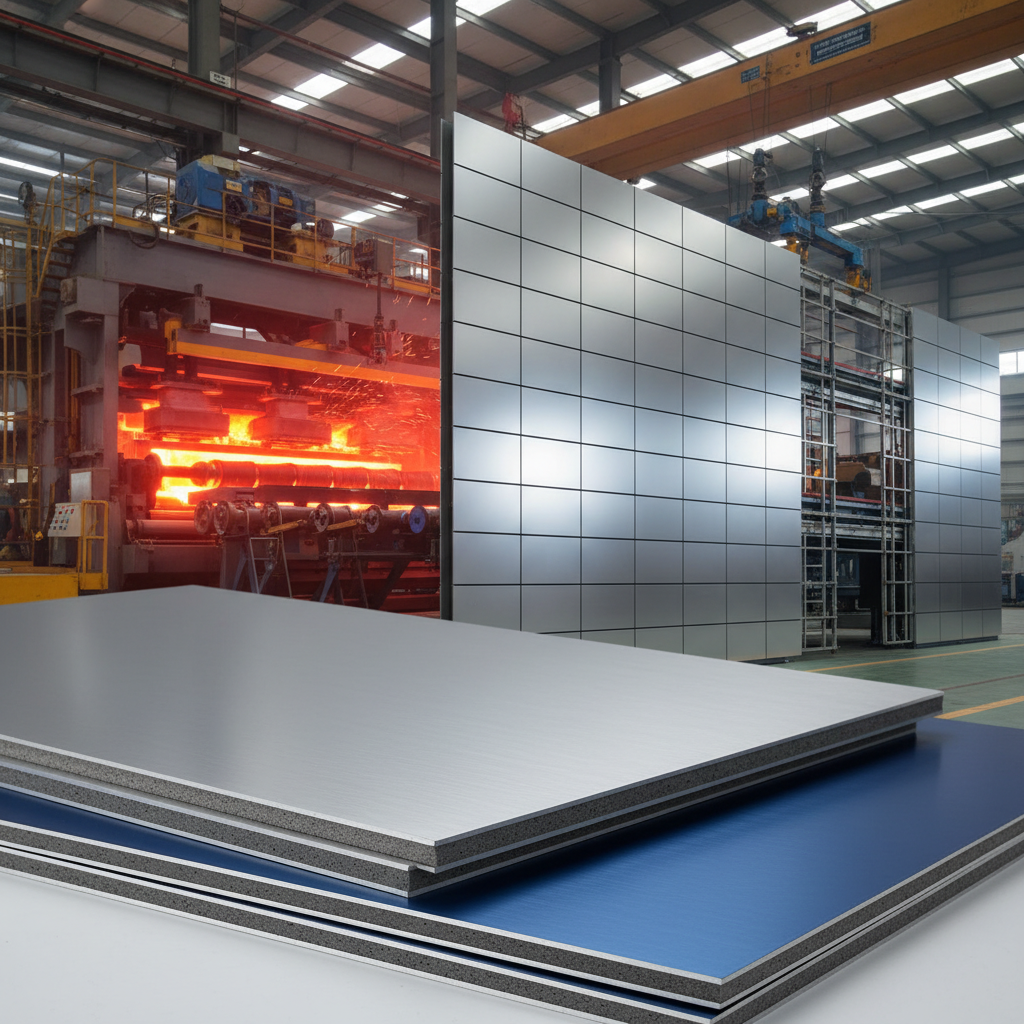
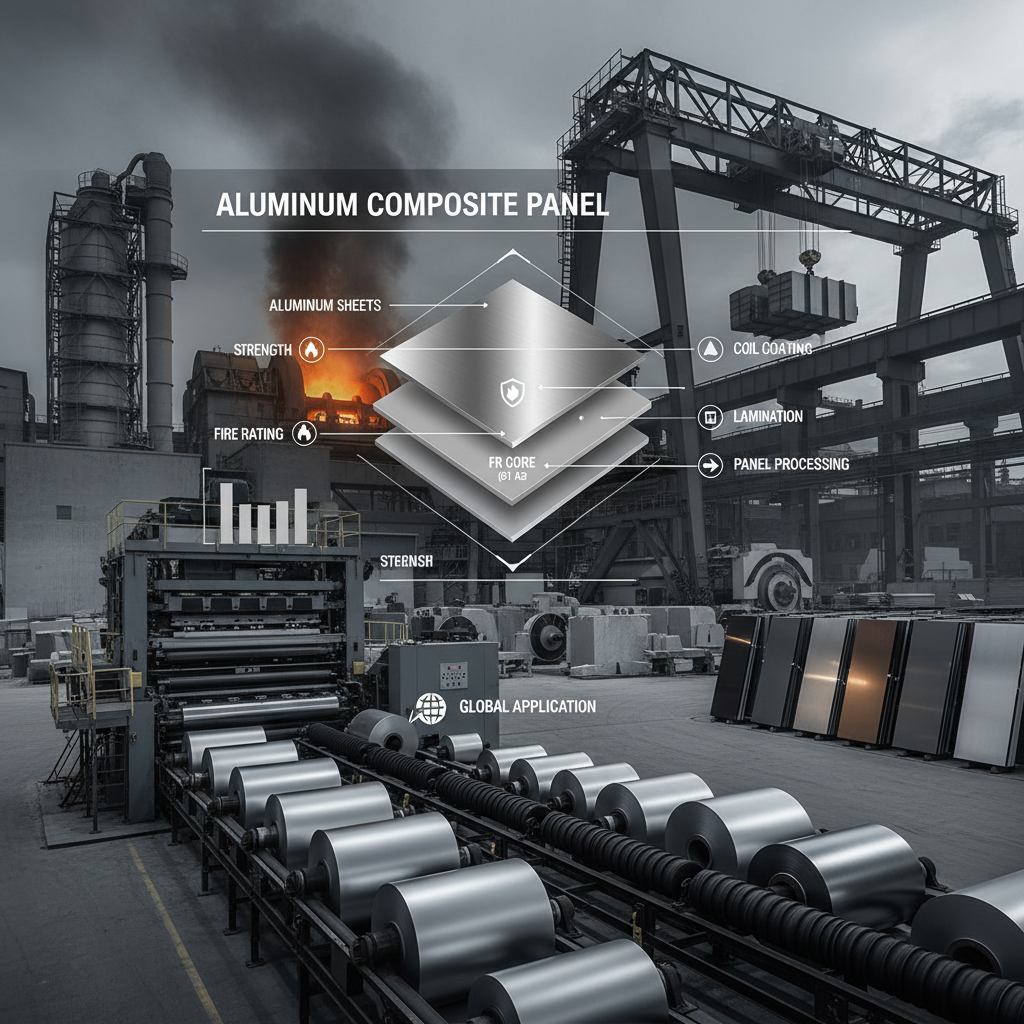
At its most fundamental level, an aluminum composite panel is a sandwich-structured material consisting of two thin coils of aluminum bonded to a non-aluminum core. This composite design leverages the strength-to-weight ratio of aluminum while utilizing the core to provide rigidity and insulation, creating a panel that is far more stable than a solid aluminum sheet of the same weight.
This structural logic mirrors the humanitarian and industrial need for "rapid deployment" infrastructure. By providing a material that is easy to cut, fold, and install, the composite panel enables the quick construction of hospitals, warehouses, and commercial hubs in regions where traditional masonry would be too slow or costly to implement.
Beyond simple cladding, these panels serve as a protective skin for buildings, shielding the internal structure from UV radiation, moisture, and pollution. The seamless integration of the PVDF or FEVE coating ensures that the aluminum composite panel maintains its color and integrity for decades, reducing the lifecycle cost of building maintenance.
Core Components for Maximum Durability
The durability of an aluminum composite panel begins with the selection of the aluminum alloy. Typically, 3003 or 5005 alloys are used for their excellent corrosion resistance and formability, ensuring that the exterior skin does not warp or pit when exposed to harsh coastal salts or industrial pollutants.
The core material is the "engine" of the panel. Whether it is a mineral-filled fire-resistant core (FR) or a high-density polyethylene (PE) core, the bond between the core and the aluminum skin must be absolute. Using advanced adhesive bonding technology ensures that the aluminum composite panel does not suffer from delamination under extreme thermal expansion and contraction cycles.
Finally, the surface treatment defines the panel's lifespan. PVDF (Polyvinylidene Fluoride) coatings are the gold standard for an aluminum composite panel, providing a chemically inert barrier that resists chalking and fading, even in high-UV environments like the Middle East or Southeast Asia.
Performance Metrics of Composite Cladding Systems
When evaluating an aluminum composite panel, engineers look at several key performance indicators (KPIs). These include the flatness ratio, the peel strength of the bond, and the thermal conductivity of the core. A high-performance panel must balance the rigidity required for large-scale facades with the flexibility needed for intricate curved geometries.
The following data illustrates how different variations of composite panels perform across critical categories, helping designers choose the right specification for their specific project environment.
Performance Comparison of Aluminum Composite Panel Types
Global Applications and Use Cases
The versatility of the aluminum composite panel allows it to be deployed in diverse sectors. In commercial architecture, it is the primary choice for corporate headquarters and airport terminals, where vast, flat surfaces are required to convey a sense of modernity and precision.
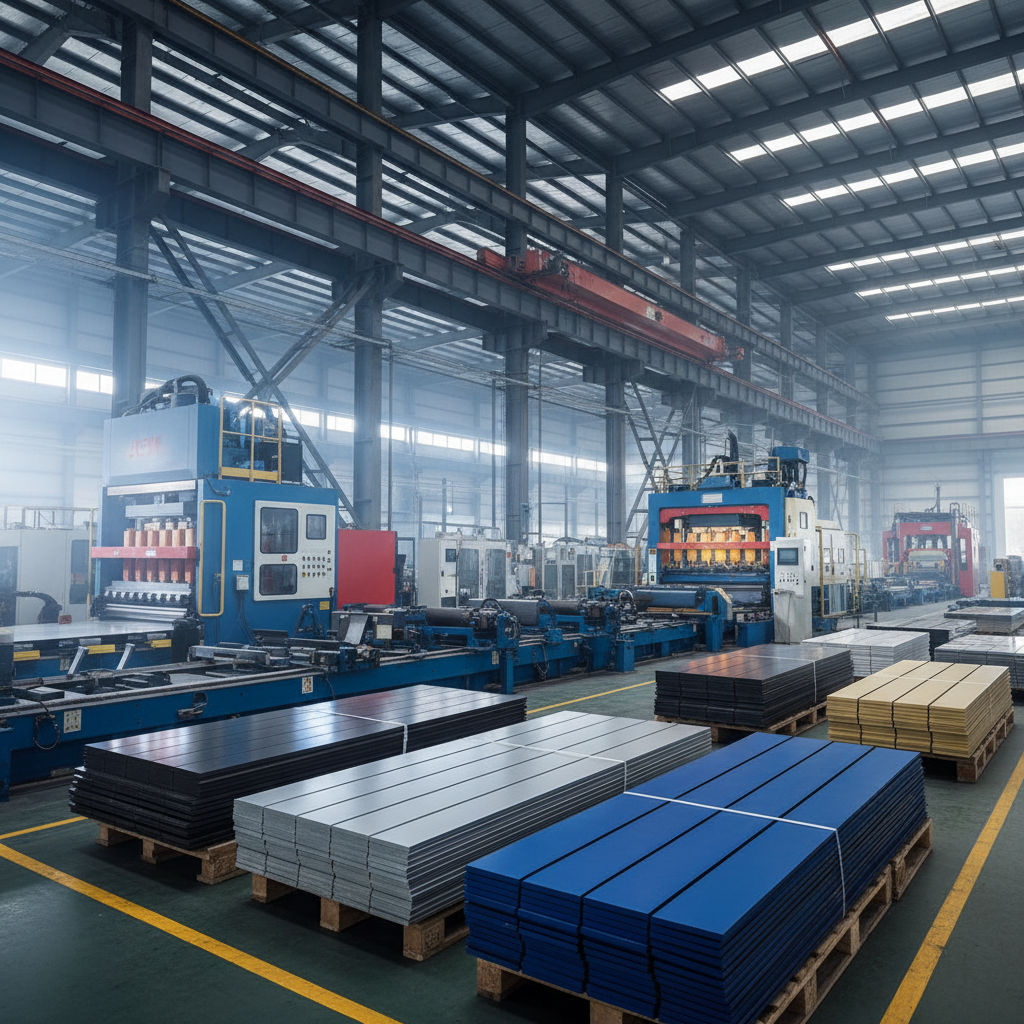
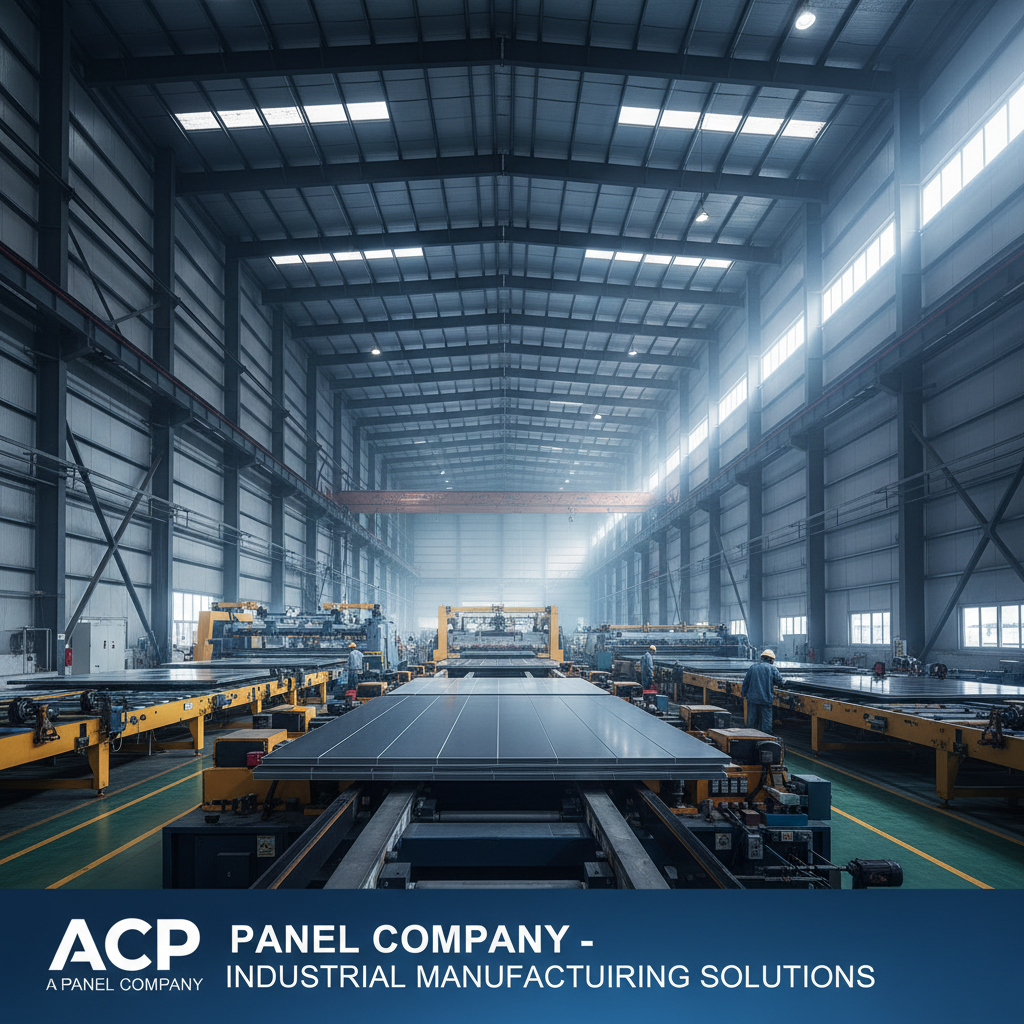
In more challenging environments, such as remote industrial zones or post-disaster reconstruction, the ease of processing the aluminum composite panel makes it invaluable. Its ability to be prefabricated in a factory and assembled on-site significantly reduces labor costs and construction time in regions with limited skilled manpower.
Long-Term Value and Sustainability
From an economic perspective, the aluminum composite panel offers an exceptional return on investment. While the initial cost may be higher than traditional stucco or paint, the near-zero maintenance requirement and the extended lifespan of the material ensure that the total cost of ownership is significantly lower over a 20-year cycle.
Sustainability is now a core driver in material selection. Aluminum is infinitely recyclable without losing its properties, and modern composite panels are incorporating more recycled content into their cores. This circular economy approach helps developers achieve LEED or BREEAM certifications, adding tangible value to the property.
Beyond the numbers, there is an emotional value to the precision of a well-installed aluminum composite panel facade. It provides a sense of safety, trust, and innovation, reflecting a brand's commitment to quality and forward-thinking design.
Future Innovations in Composite Materials
The next generation of aluminum composite panel technology is moving toward "active facades." We are seeing the integration of photovoltaic cells directly into the panel surface, turning the building's skin into a power generator that contributes to the structure's energy autonomy.
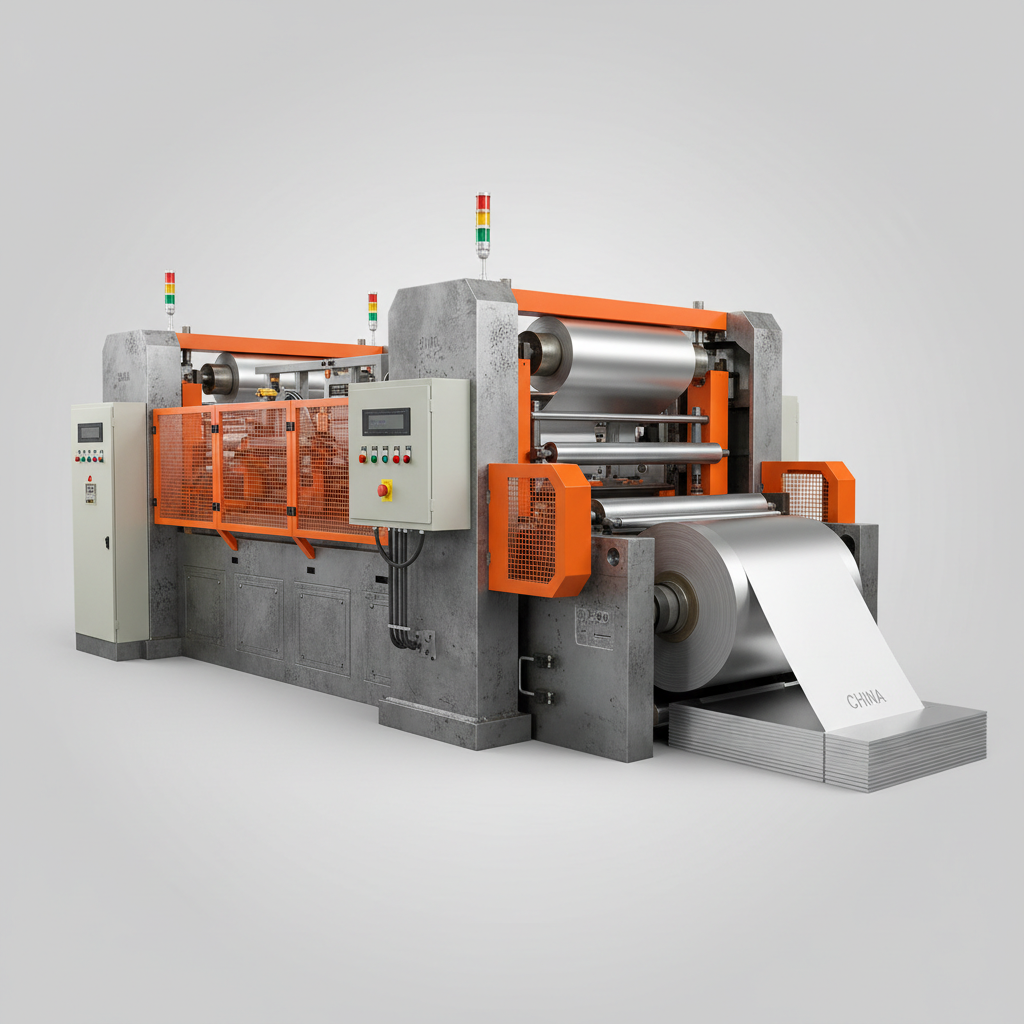
Digital transformation is also playing a role through the use of BIM (Building Information Modeling) and CNC automation. This allows for the aluminum composite panel to be cut and folded with micron-level precision, enabling organic, parametric shapes that were previously impossible or prohibitively expensive to execute.
Furthermore, the industry is exploring bio-based core materials to replace petroleum-derived plastics. These new composites aim to maintain the fire safety and rigidity of the aluminum composite panel while drastically reducing the carbon footprint of the manufacturing process.
Analysis of ACP Material Specifications and Application Suitability
| Core Type |
Fire Safety Grade |
Primary Use Case |
Durability Score (1-10) |
| Mineral Core (A2) |
Non-combustible |
High-rise Facades |
10 |
| Fire Retardant (FR) |
B1 Grade |
Commercial Interiors |
9 |
| Polyethylene (PE) |
Combustible |
Signage & Displays |
7 |
| Honeycomb Aluminum |
High Resistance |
Aerospace/Industrial |
10 |
| Recycled Polymer |
Standard |
Eco-friendly Pavilions |
8 |
| Foam Core |
Low |
Temporary Structures |
6 |
FAQS
The primary difference lies in the mineral content of the core. FR (Fire Retardant) panels generally meet B1 standards, meaning they slow the spread of fire but can eventually burn. A2 panels are classified as non-combustible, containing a much higher percentage of inorganic mineral filler, making them essential for high-rise buildings where strict fire codes prohibit combustible materials in the cladding.
A high-quality PVDF coating is designed to last 20 to 30 years depending on the environmental exposure. It is highly resistant to UV radiation, chemical pollutants, and extreme weather, which prevents the "chalking" effect common in cheaper polyester coatings. Regular cleaning is recommended, but the coating itself requires no repainting for decades.
Yes, one of the greatest advantages of the aluminum composite panel is its formability. Through a process of routing the back skin and carefully folding the panel, it can be curved into arcs or cylinders. This allows architects to create fluid, organic shapes without the need for expensive custom-molded metal sheets.
Aluminum is one of the most recyclable materials on earth. Most composite panels are designed with the end-of-life in mind, allowing the aluminum skins to be recovered and recycled. Furthermore, the energy efficiency provided by the insulating core can help reduce the overall HVAC energy consumption of the building, contributing to a lower operational carbon footprint.
Delamination is usually caused by poor adhesive quality or extreme temperature shocks. To prevent this, always specify panels from manufacturers who use high-pressure bonding and certified adhesives. Additionally, ensuring a proper ventilation gap (rainscreen system) behind the aluminum composite panel prevents moisture buildup and reduces thermal stress on the bond.
For exterior applications, a total panel thickness of 4mm is the industry standard, typically featuring 0.5mm aluminum skins. This provides the optimal balance of rigidity and weight. For interior signage or small-scale decor, 3mm panels are often sufficient, while heavy-duty industrial applications may require thicker skins or reinforced cores.
Conclusion
The aluminum composite panel represents a pinnacle of material engineering, merging the lightweight properties of aluminum with the structural stability of composite cores. From ensuring life-saving fire safety with A2-rated materials to enabling bold architectural visions through parametric folding, these panels provide a comprehensive solution for the modern built environment. By focusing on durability, sustainability, and precision, the industry continues to set new standards for what a building's skin can achieve.
As we look toward a future of green energy and automated construction, the role of composite cladding will only grow. We recommend that developers and architects prioritize fire-certified materials and sustainable sourcing to future-proof their investments. To explore the full range of high-performance cladding solutions, visit our website: www.acmfactory.com.