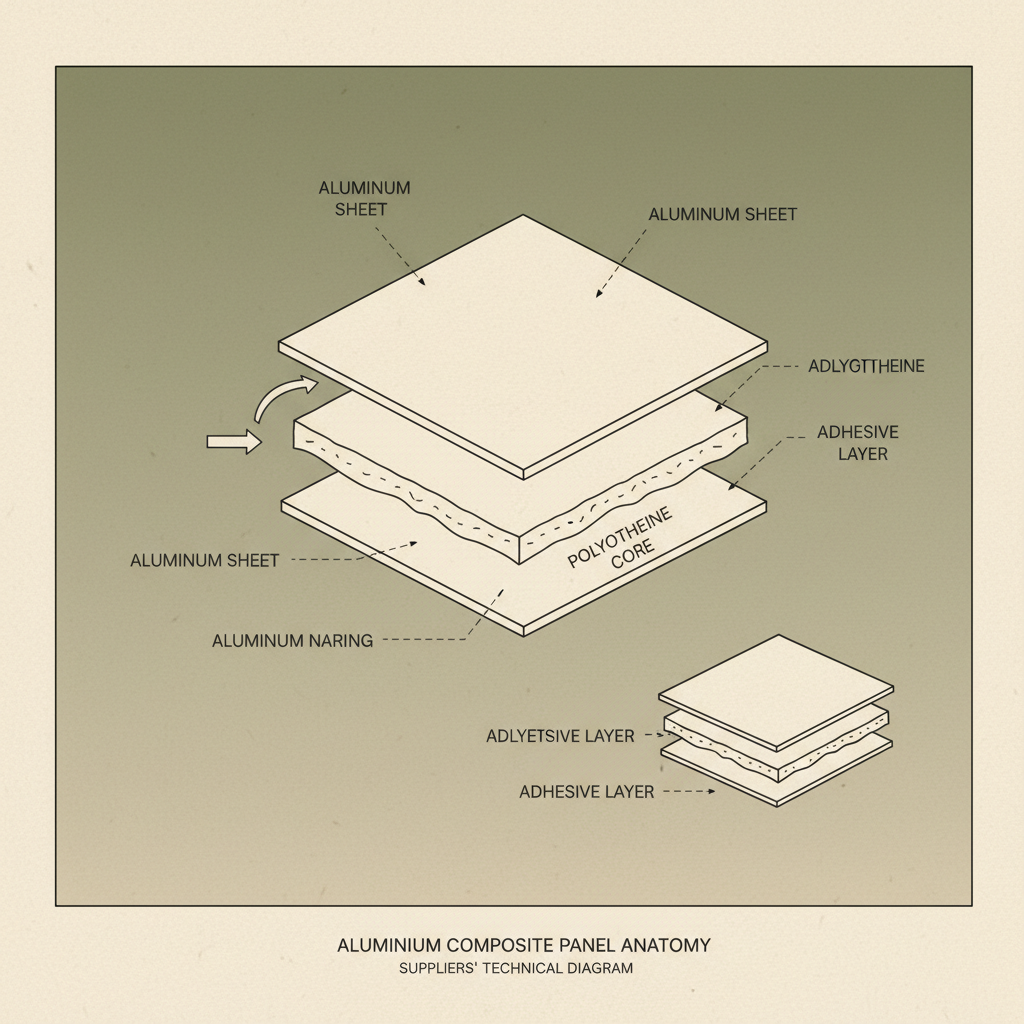
ACP (Aluminum Composite Panel) technology, spearheaded by companies like acp panel company, has revolutionized modern architecture and design. These panels offer a versatile, lightweight, and durable solution for building facades, interior applications, and signage. The global demand for ACPs is driven by the increasing need for cost-effective, aesthetically pleasing, and energy-efficient building materials. Understanding the nuances of ACP panel companies is crucial for architects, contractors, and developers seeking high-quality materials.
The proliferation of ACPs stems from a confluence of factors, including rapid urbanization, infrastructural development in emerging economies, and a growing emphasis on sustainable building practices. acp panel company plays a significant role in meeting this demand through consistent innovation and quality control. According to industry reports, the global ACP market is projected to reach \$12.5 billion by 2028, growing at a CAGR of 6.8% from 2021 to 2028 (Source: Grand View Research).
The challenge lies in ensuring consistent quality and safety standards across the industry, particularly in the wake of fire safety concerns. Reputable acp panel company providers prioritize fire-retardant core materials and rigorous testing to mitigate these risks and offer peace of mind to their clients.
Introduction to acp panel company
An acp panel company specializes in the manufacture and distribution of aluminum composite panels. These companies often offer a diverse range of products, including varying core materials (like fire-retardant, polyethylene, or mineral filled), finishes, and thicknesses to cater to a wide spectrum of architectural and design needs.
The reputation of an acp panel company is built on its commitment to quality control, adherence to industry standards, and ability to provide customized solutions. Factors like production capacity, technological innovation, and customer service play critical roles in defining a successful company within this sector.
Defining acp panel company
An acp panel company essentially acts as the intermediary between raw material suppliers (aluminum, core materials, coatings) and end-users in the construction and design industries. These companies not only manufacture the panels but often provide value-added services like cutting, bending, and coating to meet specific project requirements.
The business model typically involves a combination of direct sales to contractors and architects, as well as distribution through a network of dealers and distributors. A key differentiator for successful acp panel company is their ability to manage the supply chain effectively, ensuring timely delivery and consistent product quality.
Furthermore, the definition extends to a commitment to sustainability; increasingly, leading acp panel company are embracing eco-friendly manufacturing processes and utilizing recyclable materials to minimize their environmental impact.
Key Characteristics of an acp panel company
A strong acp panel company will demonstrate a relentless focus on quality control, from raw material sourcing to final product inspection. This includes adherence to international standards like ISO 9001 and rigorous testing for fire resistance, weatherability, and durability.
Innovation is another defining characteristic. Leading companies continuously invest in research and development to create new panel finishes, core materials, and fabrication techniques. This often leads to panels with improved thermal performance, enhanced aesthetics, and greater design flexibility.
Finally, exceptional customer service and technical support are essential. An effective acp panel company provides architects and contractors with detailed product information, installation guidelines, and assistance with complex project specifications.
Performance Metrics of acp panel company
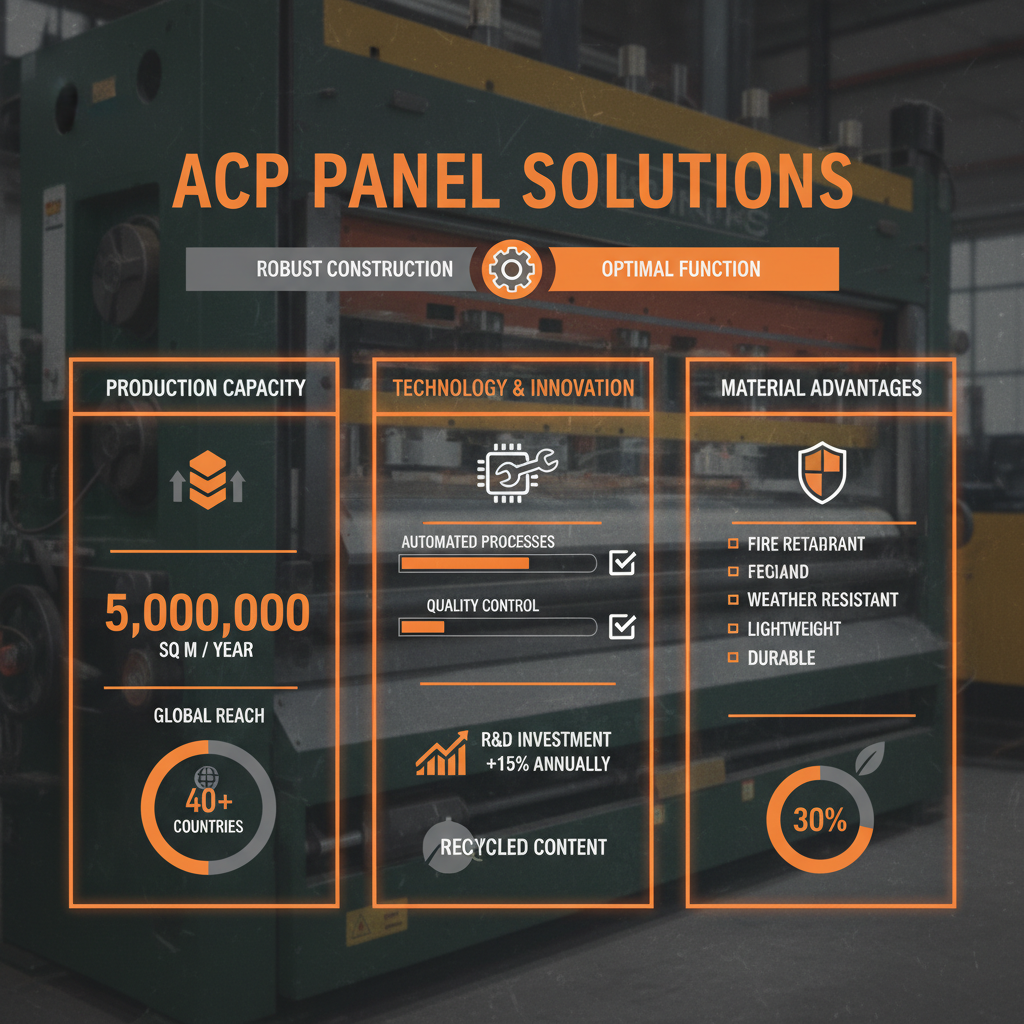
Evaluating an acp panel company requires a look at several key performance indicators. These include production capacity, demonstrating their ability to meet large-scale project demands.
Another critical metric is the company's adherence to quality standards, verified through certifications and independent testing. Furthermore, a robust supply chain and efficient logistics are essential for ensuring timely deliveries.
acp panel company Performance Assessment
Global Applications of acp panel company
acp panel company products are used extensively in commercial building facades, providing a sleek and modern aesthetic. They are also widely adopted in retail environments for signage and interior design elements.
In regions with harsh climates, ACPs offer superior protection against weathering and corrosion. For example, in the Middle East, they are frequently used in high-rise buildings to reflect sunlight and reduce cooling costs.
Advantages and Value Proposition of acp panel company
The primary advantage of working with an acp panel company lies in the cost-effectiveness of ACPs compared to traditional building materials like glass or stone. They offer a similar aesthetic appeal at a fraction of the price.
Furthermore, ACPs are lightweight, making them easier to install and reducing structural load requirements. They also offer excellent thermal insulation, contributing to energy efficiency and lower operating costs for buildings.
Beyond the tangible benefits, choosing a reputable acp panel company builds trust and provides assurance of quality, safety, and long-term performance.
Future Trends in the acp panel company Industry
The future of acp panel company is intrinsically linked to sustainable building practices. Expect to see increased development of eco-friendly core materials and manufacturing processes that minimize waste and reduce carbon emissions.
Digitalization will also play a significant role, with companies leveraging Building Information Modeling (BIM) and other technologies to streamline project workflows and enhance collaboration.
Advancements in coating technology will lead to more durable, self-cleaning, and aesthetically diverse panel finishes, further expanding the applications for ACPs.
Summary of Key Challenges and Solutions in the acp panel company Sector
| Challenge |
Impact |
Solution |
Responsibility |
| Fire Safety Concerns |
Reputational Damage, Regulatory Scrutiny |
Use of Fire-Retardant Core Materials, Rigorous Testing |
acp panel company, Regulatory Bodies |
| Supply Chain Disruptions |
Material Shortages, Increased Costs |
Diversifying Suppliers, Maintaining Strategic Inventory |
acp panel company, Procurement Teams |
| Counterfeit Products |
Compromised Quality, Safety Risks |
Brand Protection Measures, Authentication Systems |
acp panel company, Distributors |
| Environmental Impact |
Waste Generation, Carbon Emissions |
Recyclable Materials, Sustainable Manufacturing |
acp panel company, Industry Associations |
| Skilled Labor Shortage |
Installation Errors, Project Delays |
Training Programs, Certification Requirements |
acp panel company, Trade Schools |
| Maintaining Quality Control |
Product Defects, Customer Dissatisfaction |
Implementing Strict Quality Assurance Protocols |
acp panel company, Quality Control Teams |
FAQS
When selecting an acp panel company, prioritize those utilizing fire-retardant (FR) core materials. Ensure the panels meet relevant building codes and have undergone rigorous fire testing, such as EN 13501-1. Verify the company's commitment to fire safety certifications and documentation. Understand the limitations of different core types and choose accordingly for your project’s requirements. Always consult with fire safety professionals for guidance.
The core material significantly impacts an ACP’s performance. Polyethylene (PE) cores are cost-effective but offer lower fire resistance. Fire-retardant (FR) cores provide enhanced fire safety, while mineral-filled cores offer superior fire protection and dimensional stability. The core also influences thermal insulation, sound absorption, and overall panel weight. Choosing the right core depends on the project’s specific needs and building regulations.
A well-maintained ACP installation from a reputable acp panel company can last 20-30 years or even longer, depending on the environment and quality of the materials. Factors like UV exposure, pollution, and climate conditions can affect the lifespan. Regular cleaning and inspections are crucial for maintaining the panels’ aesthetic appeal and structural integrity. Proper installation is also key to preventing long-term issues.
Lead times for custom ACP orders vary depending on the acp panel company, the complexity of the order, and current production demand. Generally, expect lead times of 4-8 weeks for standard customizations, such as color matching or cutting to size. More complex orders, like special finishes or unique panel shapes, may require 8-12 weeks or longer. It’s best to confirm lead times with the supplier during the quoting process.
Look for acp panel company that prioritize sustainable practices, such as using recycled aluminum, employing eco-friendly manufacturing processes, and offering recyclable core materials. Check for environmental certifications like ISO 14001. Inquire about the company’s waste management policies and its commitment to reducing its carbon footprint. Consider products with Environmental Product Declarations (EPDs) for transparency.
Reputable acp panel company typically offer warranties covering material defects, delamination, and color fading. Warranty periods vary but commonly range from 5 to 10 years. Some companies offer extended warranties for specific applications. Review the warranty terms carefully to understand the coverage limitations and claim procedures. Proper installation and maintenance are often required to validate the warranty.
Conclusion
In conclusion, selecting the right acp panel company is crucial for any construction or renovation project requiring high-quality, versatile, and aesthetically pleasing cladding solutions. The key factors to consider include product quality, fire safety, sustainability, and the company’s overall track record and commitment to customer service.
Looking ahead, the acp panel company industry will continue to evolve, driven by innovation in materials and manufacturing processes. Embracing sustainable practices and prioritizing safety will be paramount for long-term success. For more information and to explore our range of ACP products, visit our website: www.acmfactory.com.