The global demand for efficient and versatile building materials is constantly evolving, and the aluminum composite panel factory plays a crucial role in meeting this demand. These panels offer a unique combination of lightweight properties, durability, and aesthetic appeal, making them a preferred choice in a wide range of construction and architectural applications. Understanding the intricacies of aluminum composite panel factory processes, material science, and quality control is paramount for professionals across the building and design industries.
The aluminum composite panel factory industry has experienced significant growth in recent decades, driven by urbanization, infrastructure development, and the increasing need for sustainable building solutions. The panels’ ability to provide thermal insulation, fire resistance, and design flexibility has positioned them as a cornerstone of modern construction. As such, a comprehensive understanding of the capabilities and limitations of aluminum composite panel factory is vital.
Furthermore, the advancements in aluminum composite panel factory technologies, including innovative core materials and coating systems, are continually expanding the possibilities for architectural expression and functional performance. This evolution necessitates staying abreast of the latest industry trends and best practices within the aluminum composite panel factory sector.
The Global Significance of Aluminum Composite Panel Factory
The aluminum composite panel factory industry is a global phenomenon, with production centers and applications spanning across continents. According to recent data from the World Bank, the construction industry represents a significant portion of global GDP, and aluminum composite panels are increasingly utilized in both residential and commercial construction projects. The demand is particularly high in rapidly developing economies where urbanization is accelerating.
The rising need for sustainable and energy-efficient building materials is also driving the growth of the aluminum composite panel factory. These panels offer excellent thermal insulation properties, contributing to reduced energy consumption and lower carbon emissions. This aligns with global initiatives, such as those promoted by the UN Sustainable Development Goals, which emphasize sustainable cities and communities. The industry's ability to provide high-quality materials with a reduced environmental footprint is a key driver of its continued success.
Defining Aluminum Composite Panel Factory
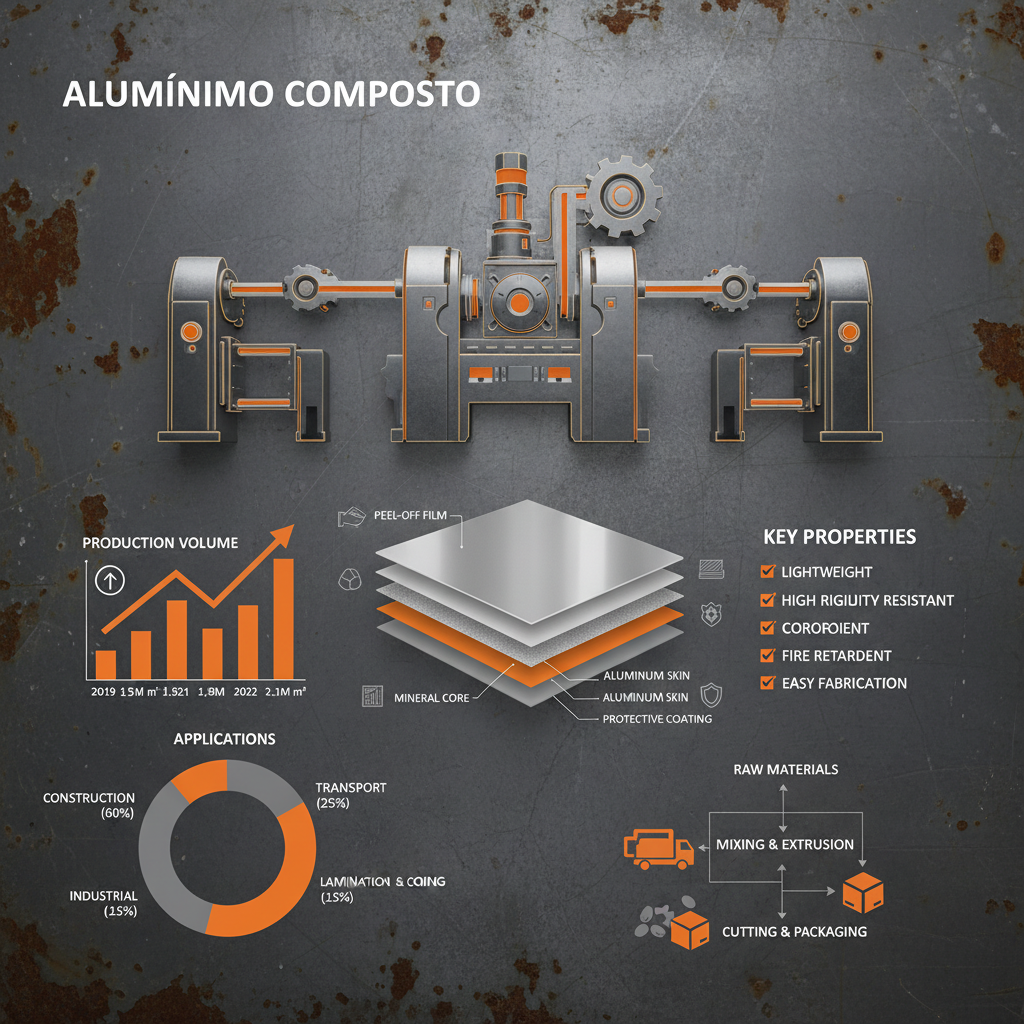
An aluminum composite panel factory refers to the facilities and processes involved in the manufacturing of aluminum composite materials (ACMs). ACMs typically consist of two thin aluminum sheets bonded to a non-aluminum core, often made of polyethylene (PE), fire-retardant materials, or other polymers. These panels are engineered to provide a lightweight, durable, and aesthetically versatile building material.
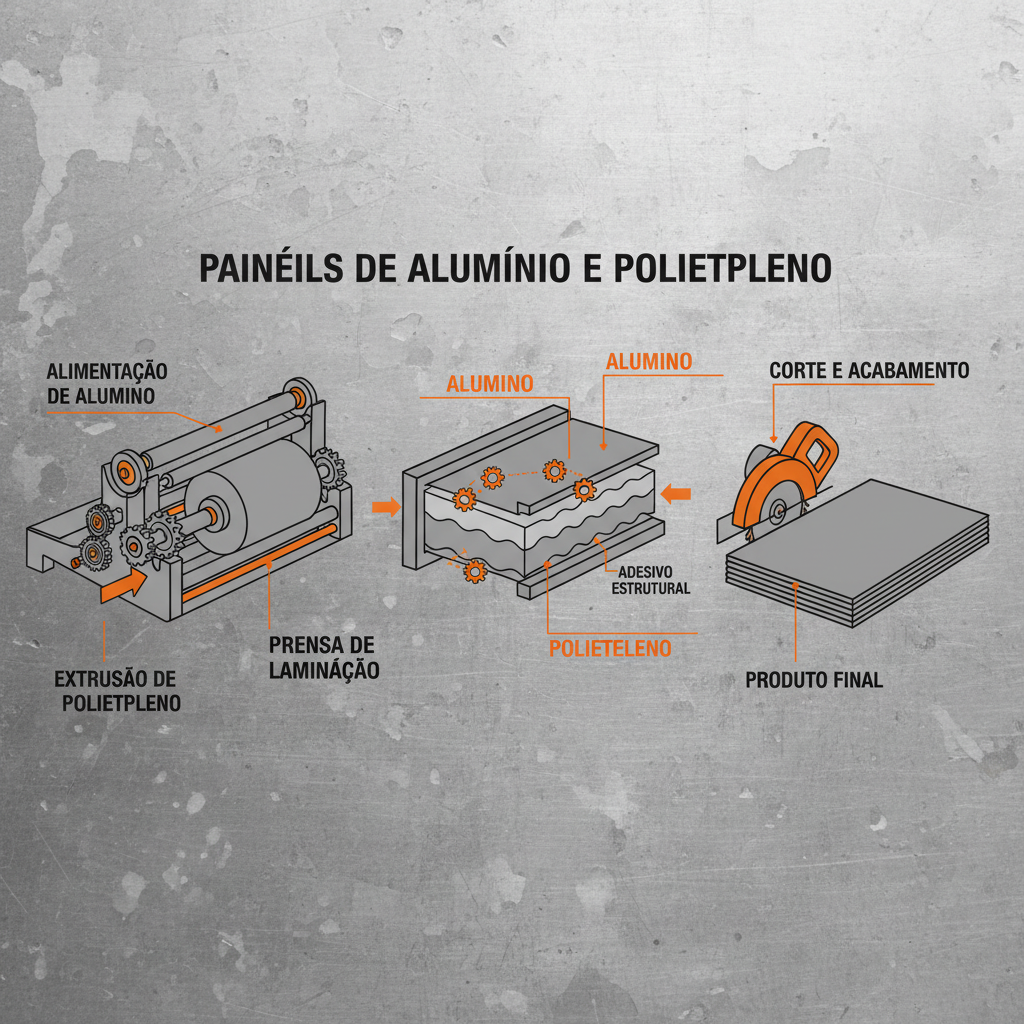
The manufacturing process within an aluminum composite panel factory involves several key stages, including aluminum coil preparation, core material extrusion or production, lamination, coating, and quality control. Precise control over these stages is critical to ensure the panels meet stringent performance standards and regulatory requirements. The expertise within these factories contributes to the panels’ structural integrity and longevity.
The industry's connection to modern construction is undeniable. ACMs provide architects and builders with a canvas for creativity, enabling the realization of complex designs and innovative building facades. Their versatility makes them suitable for a wide range of applications, from cladding and signage to interior design and transportation.
Key Characteristics of Aluminum Composite Panel Factory
One of the most prominent characteristics of products from an aluminum composite panel factory is its exceptional durability. Aluminum, naturally resistant to corrosion and weathering, forms the protective outer layers. This resistance extends the lifespan of the panels, even in harsh environmental conditions, making them an ideal long-term investment.
Lightweight is another defining trait. Compared to traditional building materials like concrete or stone, ACMs offer a significantly reduced weight, simplifying installation, reducing structural load, and lowering transportation costs. This advantage is particularly beneficial for large-scale projects or retrofitting existing structures.
Furthermore, aluminum composite panels offer superior design flexibility. They can be easily fabricated into various shapes, sizes, and finishes, allowing architects to create visually stunning and unique building facades. The panels can be coated with a wide range of colors and textures, offering boundless creative possibilities. A reputable aluminum composite panel factory will provide diverse options.
Applications Across Industries
The applications of aluminum composite panels are vast and varied. In the construction industry, they are extensively used for exterior cladding, interior wall panels, roofing, and decorative elements. Their aesthetic versatility and weather resistance make them a popular choice for both commercial and residential buildings.
Beyond construction, aluminum composite panel factory products find application in the signage and advertising industry. Their flat surface, ease of fabrication, and durability make them ideal for creating large-format signage, billboards, and displays. They are also utilized in transportation, such as in the interiors of trains and buses, due to their lightweight and fire-resistant properties.
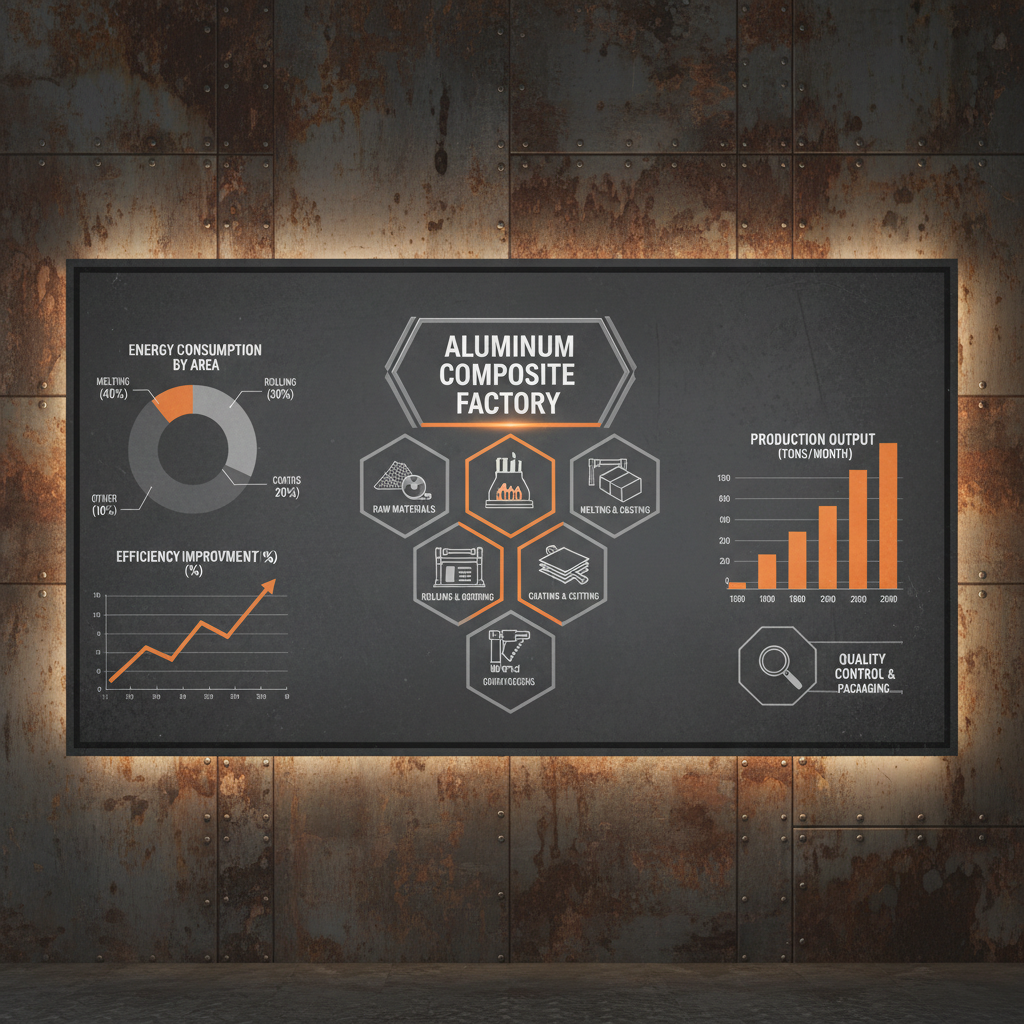
Aluminum Composite Panel Factory Application Breakdown
Advantages and Long-Term Benefits
The advantages of utilizing materials sourced from an aluminum composite panel factory are numerous. Cost-efficiency is a significant benefit, as ACMs often offer a more affordable alternative to traditional materials without compromising on quality or performance. Their lightweight nature reduces installation costs and time, further contributing to overall project savings.
In terms of sustainability, ACMs can contribute to green building initiatives. The recyclability of aluminum reduces environmental impact, and their thermal insulation properties help lower energy consumption. Choosing a responsible aluminum composite panel factory is crucial for accessing environmentally friendly options.
Future Trends in Aluminum Composite Panel Factory
The future of aluminum composite panel factory is geared towards enhanced sustainability and innovation. The development of eco-friendly core materials, such as recycled plastics and bio-based polymers, is gaining momentum. Furthermore, advancements in coating technologies are leading to panels with improved weather resistance, self-cleaning properties, and enhanced aesthetic appeal.
Digital transformation within the industry is also playing a key role, with the implementation of automated manufacturing processes and data analytics to optimize production efficiency and quality control. The integration of Building Information Modeling (BIM) with aluminum composite panel factory processes will streamline project workflows and enhance collaboration.
Increased demand for fire-retardant ACMs, driven by stricter building codes and safety regulations, will continue to shape the industry. Research and development efforts are focused on creating panels with enhanced fire resistance without compromising on other essential properties.
Challenges and Innovative Solutions
One of the main challenges faced by the aluminum composite panel factory industry is ensuring consistent quality and adherence to international standards. Variations in manufacturing processes and material sourcing can lead to inconsistencies in panel performance. Implementing rigorous quality control measures and certifications, such as ISO 9001, is crucial.
Another challenge is addressing concerns regarding fire safety, particularly in high-rise buildings. The use of combustible core materials has been linked to fire incidents in the past. Innovative solutions, such as the development of fire-retardant core materials and improved panel designs, are essential for mitigating this risk.
Supply chain disruptions and fluctuations in raw material prices can also pose challenges. Diversifying sourcing strategies and establishing long-term partnerships with reliable suppliers are key to ensuring a stable supply of high-quality materials.
Summary of Challenges and Solutions in Aluminum Composite Panel Factory
| Challenge |
Impact Level (1-10) |
Potential Solution |
Implementation Cost (USD) |
| Quality Control Variations |
8 |
ISO 9001 Certification & Rigorous Testing |
5,000 - 15,000 |
| Fire Safety Concerns |
9 |
Fire-Retardant Core Materials & Panel Design |
10,000 - 30,000 |
| Supply Chain Disruptions |
7 |
Diversified Sourcing & Long-Term Partnerships |
2,000 - 8,000 |
| Raw Material Price Fluctuations |
6 |
Hedging Strategies & Bulk Purchasing |
1,000 - 5,000 |
| Environmental Impact of Core Materials |
5 |
Utilizing Recycled or Bio-Based Core Materials |
3,000 - 10,000 |
| Lack of Skilled Labor |
4 |
Investing in Training Programs & Automation |
2,000 - 7,000 |
FAQS
Fire safety standards for ACM panels vary by region, but generally adhere to classifications like EN 13501-1 in Europe and NFPA 285 in the United States. These standards assess the surface spread of flame, smoke generation, and fire endurance. Choosing panels certified to meet relevant local regulations is crucial for building safety, especially in high-rise constructions. It's vital to verify the fire rating from a reputable aluminum composite panel factory.
The lifespan of ACM panels typically ranges from 20 to 30 years, depending on the quality of materials, environmental conditions, and maintenance practices. Aluminum's natural corrosion resistance contributes to longevity. Regular cleaning and inspection can help extend the panels’ lifespan, protecting against damage and maintaining their aesthetic appearance. A quality aluminum composite panel factory will offer warranties reflecting expected longevity.
Yes, aluminum composite panels are largely recyclable. The aluminum layers can be recovered and reused in new products, reducing the need for virgin aluminum production. However, recycling ACMs can be complex due to the different materials involved. Specialized recycling facilities are required to separate the aluminum from the core material. Increasingly, aluminum composite panel factory are designing panels with recyclability in mind.
The cost of ACM panels per square meter can vary significantly based on factors such as panel thickness, coating type, core material, and quantity ordered. Generally, prices range from $30 to $80 per square meter, but can be higher for specialized finishes or fire-rated panels. Obtaining quotes from multiple aluminum composite panel factory is recommended to compare prices and find the best value.
ACM panels generally require minimal maintenance. Regular cleaning with mild detergent and water is typically sufficient to remove dirt and debris. In coastal areas or industrial environments, more frequent cleaning may be necessary to prevent corrosion or staining. Avoid using abrasive cleaners or high-pressure washing, as these can damage the panel surface. Consult the aluminum composite panel factory for specific cleaning recommendations.
ACM panels offer advantages over glass and stone in terms of weight, cost, and design flexibility. They are lighter than stone, reducing structural loads, and generally more affordable than high-performance glass. ACMs also offer greater design versatility, as they can be easily formed into complex shapes and finished in a wide range of colors and textures. However, glass and stone may offer different aesthetic qualities and superior durability in certain applications.
Conclusion
In conclusion, aluminum composite panel factory represents a cornerstone of modern construction and architectural design. Their unique combination of durability, lightweight properties, aesthetic versatility, and cost-effectiveness makes them a preferred choice for a wide range of applications. Understanding the intricacies of ACM manufacturing, material science, and quality control is crucial for professionals seeking to leverage the full potential of these panels.
Looking ahead, innovation within the aluminum composite panel factory industry will focus on sustainability, fire safety, and digital transformation. Embracing eco-friendly materials, developing advanced fire-resistant technologies, and integrating smart manufacturing processes will be critical for meeting the evolving demands of the built environment. Visit our website at www.acmfactory.com to learn more about our products and services.