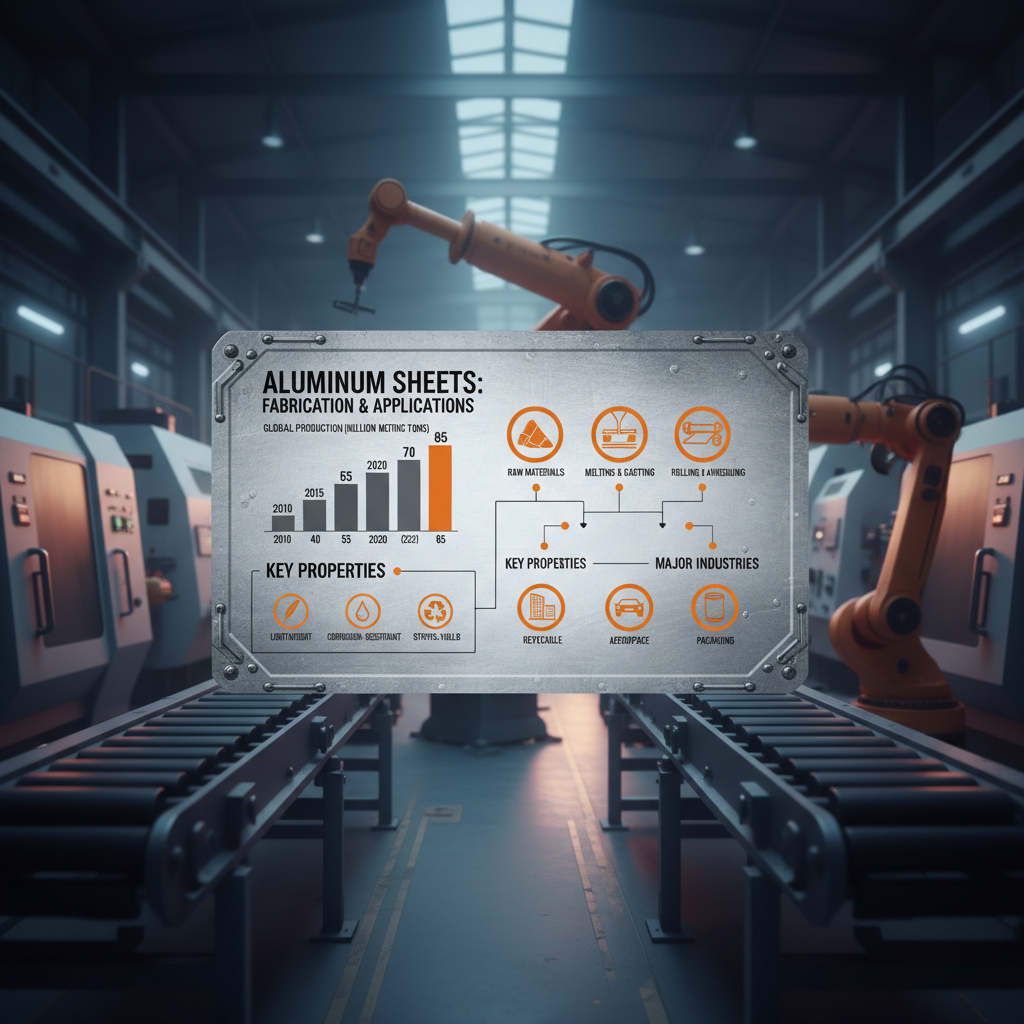
Aluminum sheets are ubiquitous in modern life, forming the backbone of industries ranging from aerospace and automotive to construction and packaging. Their versatility stems from a unique combination of properties: lightweight nature, high strength-to-weight ratio, corrosion resistance, and recyclability. Globally, the demand for aluminum sheets continues to rise, driven by sustainability concerns and the need for efficient materials in various applications.
The increasing adoption of aluminum sheets isn't merely a materials trend; it's a reflection of evolving global priorities. With a growing emphasis on reducing carbon footprints and promoting circular economies, aluminum's recyclability positions it as a critical material for a more sustainable future. The UN Sustainable Development Goals, particularly those related to infrastructure, responsible consumption, and climate action, indirectly bolster the demand for this adaptable metal.
Understanding the nuances of aluminum sheets – their alloys, manufacturing processes, and potential applications – is crucial for professionals across numerous sectors. From architects designing energy-efficient buildings to engineers developing lighter vehicles, and manufacturers creating durable packaging, a grasp of this material’s capabilities can unlock innovation and drive progress.
Introduction to aluminum sheets
Aluminum sheets are flat, rectangular pieces of aluminum alloy, produced through rolling processes. Their thickness varies considerably, ranging from foil thicknesses (less than 0.2mm) to plates several inches thick, catering to a diverse range of applications. The properties of these sheets are heavily influenced by the specific alloy composition, heat treatment, and manufacturing techniques employed.
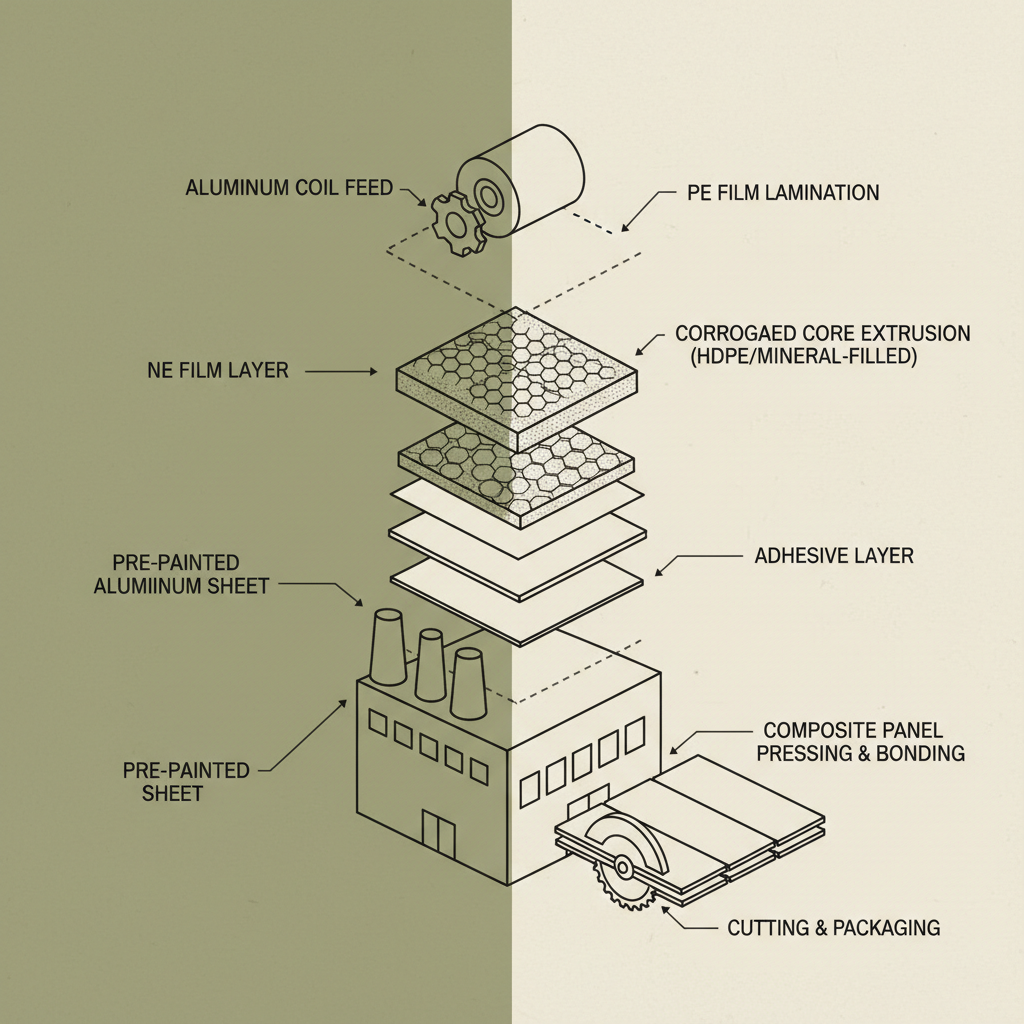
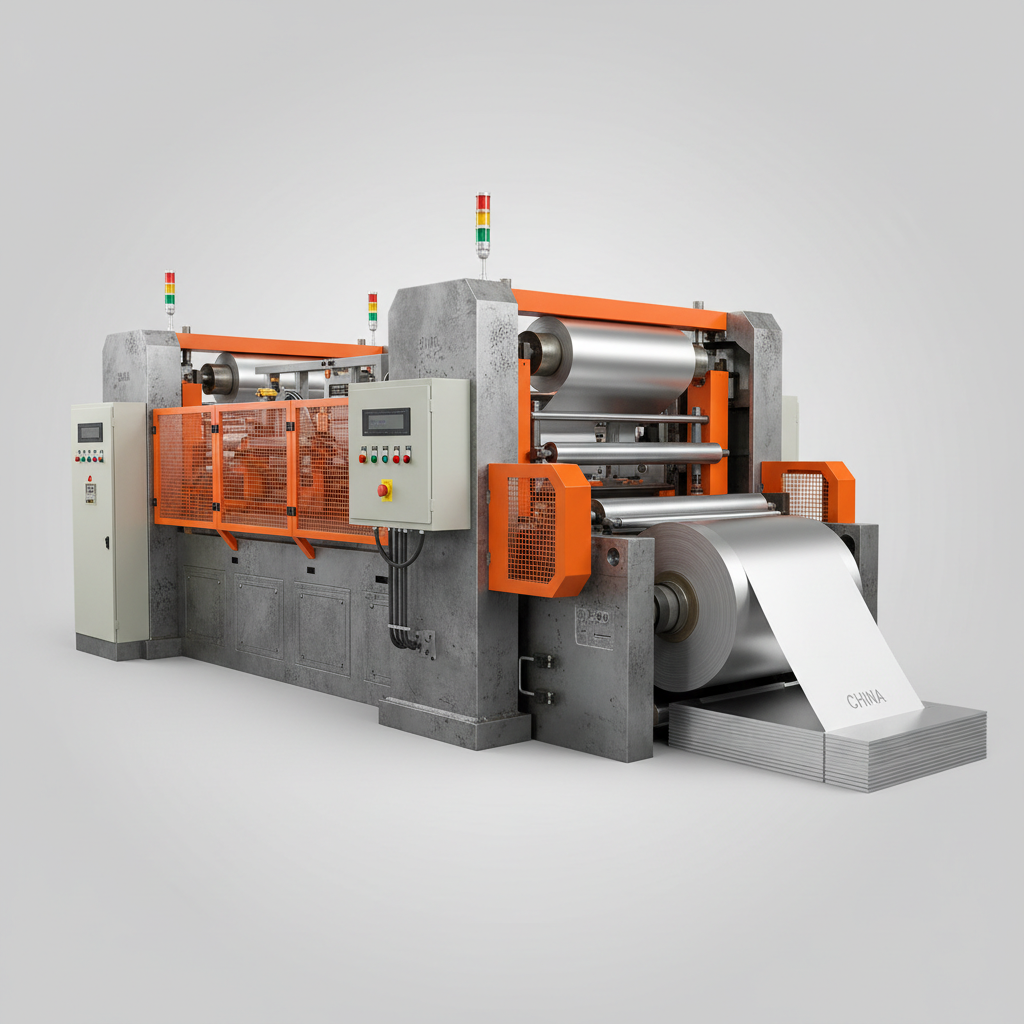
The production of aluminum sheets is a complex process, starting with the extraction of bauxite ore. This ore is refined into alumina, which is then electrolytically reduced to produce primary aluminum. The molten aluminum is then alloyed with other elements like magnesium, silicon, manganese, and zinc to achieve desired characteristics before being cast and rolled into sheets.
Defining aluminum sheets
At its core, an aluminum sheet is a versatile metal component characterized by its flatness and relative thinness compared to other aluminum forms like extrusions or castings. Unlike raw aluminum metal, aluminum sheets are specifically engineered for applications requiring a large surface area and ease of fabrication, such as cutting, bending, and welding. Aluminum sheets offer a consistent and predictable material structure.
The connection to modern industry is undeniable. Aluminum sheets are integral to the manufacturing of aircraft, vehicles, building facades, consumer electronics, and packaging solutions. Their lightweight properties are critical for fuel efficiency in transportation, while their corrosion resistance extends the lifespan of structures and products exposed to harsh environments.
In humanitarian contexts, aluminum sheets play a vital role in constructing temporary shelters and providing clean water storage solutions. Their durability, ease of transport, and resistance to degradation make them ideal for rapid deployment in disaster relief scenarios, offering a safe and hygienic environment for affected populations.
Core Properties of aluminum sheets
Durability is a key characteristic of aluminum sheets. Aluminum’s inherent resistance to corrosion—forming a protective oxide layer—significantly extends the lifespan of products. This is crucial in applications exposed to weather, chemicals, or saltwater. Aluminum sheets require minimal maintenance and exhibit excellent resistance to rust and decay.
Workability refers to aluminum's ease of being shaped and formed. Aluminum sheets can be readily cut, bent, welded, and drawn into complex shapes without losing their structural integrity. This versatility allows for customization and efficient manufacturing processes. Different alloys possess varying degrees of workability, allowing selection based on specific application needs.
Thermal conductivity is another important property. Aluminum effectively transfers heat, making it valuable in applications like heat exchangers, cookware, and electronic heat sinks. This property assists in efficient heat dissipation, preventing overheating and ensuring reliable performance.
Practical Applications of aluminum sheets
The automotive industry relies heavily on aluminum sheets for body panels, engine components, and chassis parts. Using aluminum reduces vehicle weight, leading to improved fuel efficiency and lower emissions. This trend is accelerating with the rise of electric vehicles, where weight reduction is even more critical for maximizing range.
In the construction sector, aluminum sheets are used for roofing, cladding, and facade systems. Their lightweight nature simplifies installation, reduces structural load, and provides excellent weather resistance. Aluminum's aesthetic appeal also allows for diverse architectural designs.
Aluminum Sheet Alloy Performance Ratings
Global Use Cases of aluminum sheets
In post-disaster relief operations, aluminum sheets are used to create temporary shelters, offering a quick and effective solution for housing displaced populations. Their ease of assembly and transport make them ideal for rapid deployment in challenging environments.
Within remote industrial zones, aluminum sheets serve as a durable and cost-effective roofing and cladding material for warehouses and processing facilities. Their resistance to corrosion and extreme weather conditions ensures long-term structural integrity.
Advantages of utilizing aluminum sheets
Cost efficiency is a significant advantage. While the initial cost of aluminum may be higher than some other materials, its long lifespan, low maintenance requirements, and recyclability contribute to significant long-term savings. Aluminum sheets can reduce life-cycle costs.
Sustainability is paramount. Aluminum is 100% recyclable without any loss of quality, making it a truly circular material. Utilizing recycled aluminum significantly reduces energy consumption compared to producing primary aluminum, minimizing environmental impact.
Reliability and safety are enhanced by the material’s inherent properties. Its non-combustible nature contributes to fire safety in buildings, while its corrosion resistance ensures structural integrity over time, reducing the risk of failures.
Future Trends in aluminum sheets
The development of advanced aluminum alloys with enhanced strength and corrosion resistance is a key area of innovation. These new alloys are expanding the applications of aluminum sheets into more demanding sectors, such as aerospace and high-performance automotive.
Digital transformation in manufacturing is enabling more precise control over the production process, resulting in aluminum sheets with improved quality and consistency. Automation and data analytics are optimizing rolling processes and reducing waste.
Sustainability will continue to drive innovation, with a greater focus on closed-loop recycling systems and the development of aluminum alloys with even lower carbon footprints. This is in line with global efforts to reduce greenhouse gas emissions and promote a circular economy.
Summary of Challenges and Solutions for Using Aluminum Sheets
| Challenge |
Impact Area |
Potential Solution |
Implementation Cost (1-10) |
| High Initial Material Cost |
Project Budget |
Utilize Recycled Aluminum |
3 |
| Joining Challenges (Welding) |
Fabrication Complexity |
Employ Friction Stir Welding |
6 |
| Corrosion in Specific Environments |
Long-Term Durability |
Apply Protective Coatings |
4 |
| Formability Limitations for Complex Shapes |
Design Constraints |
Implement Incremental Forming |
7 |
| Supply Chain Disruptions |
Production Schedules |
Diversify Sourcing Locations |
5 |
| Lack of Skilled Labor |
Quality Control |
Invest in Training Programs |
8 |
FAQS
Common aluminum sheet alloys include 5052, 6061, 3003, and 7075, each offering unique properties. 5052 provides excellent corrosion resistance, making it ideal for marine applications. 6061 combines strength and weldability. 3003 is known for its formability, while 7075 is a high-strength alloy frequently used in aerospace. Choosing the appropriate alloy depends on the intended application and performance requirements.
The required thickness depends on the load-bearing requirements, span, and application. Heavier loads or longer spans necessitate thicker sheets. Finite element analysis (FEA) can be used to simulate stress distribution and determine the optimal thickness for structural integrity. Consulting with a materials engineer is also recommended, particularly for critical applications.
Yes, aluminum sheets can be readily painted or powder coated to enhance their appearance and provide additional corrosion protection. Proper surface preparation, including cleaning and priming, is crucial for ensuring good adhesion. Powder coating generally offers superior durability and resistance to chipping compared to traditional liquid paints.
Cutting methods vary depending on thickness and precision requirements. Shearing is suitable for straight cuts on thinner sheets, while sawing provides more accuracy. Plasma cutting and laser cutting are used for complex shapes and thicker materials. Waterjet cutting offers high precision and minimal heat distortion. Selecting the appropriate method minimizes material waste and ensures clean edges.
The initial cost of aluminum sheets is typically higher than steel. However, considering its lighter weight, corrosion resistance, and recyclability, aluminum often presents a lower life-cycle cost. Steel may be cheaper upfront, but requires more frequent maintenance and replacement due to corrosion. The specific cost comparison also depends on alloy grade, thickness, and market fluctuations.
Aluminum is 100% recyclable without any degradation in quality, making it a highly sustainable material. Recycling aluminum requires only 5% of the energy needed to produce primary aluminum, significantly reducing greenhouse gas emissions. Its lightweight properties also contribute to fuel efficiency in transportation, further minimizing environmental impact.
Conclusion
In summary, aluminum sheets represent a cornerstone of modern material science and engineering. Their unique combination of lightweight properties, strength, corrosion resistance, and recyclability positions them as a critical component in a wide range of industries, from aerospace and automotive to construction and packaging. Understanding the nuances of aluminum sheet alloys, manufacturing processes, and applications is essential for driving innovation and promoting sustainability.
Looking ahead, continued investment in research and development will unlock even greater potential for aluminum sheets. The development of advanced alloys, coupled with digital transformation in manufacturing, will enable the creation of more efficient, durable, and sustainable products. Embracing aluminum sheets is not merely a materials choice; it’s a commitment to a more responsible and resilient future. For high-quality aluminum sheet solutions, visit our website: www.acmfactory.com