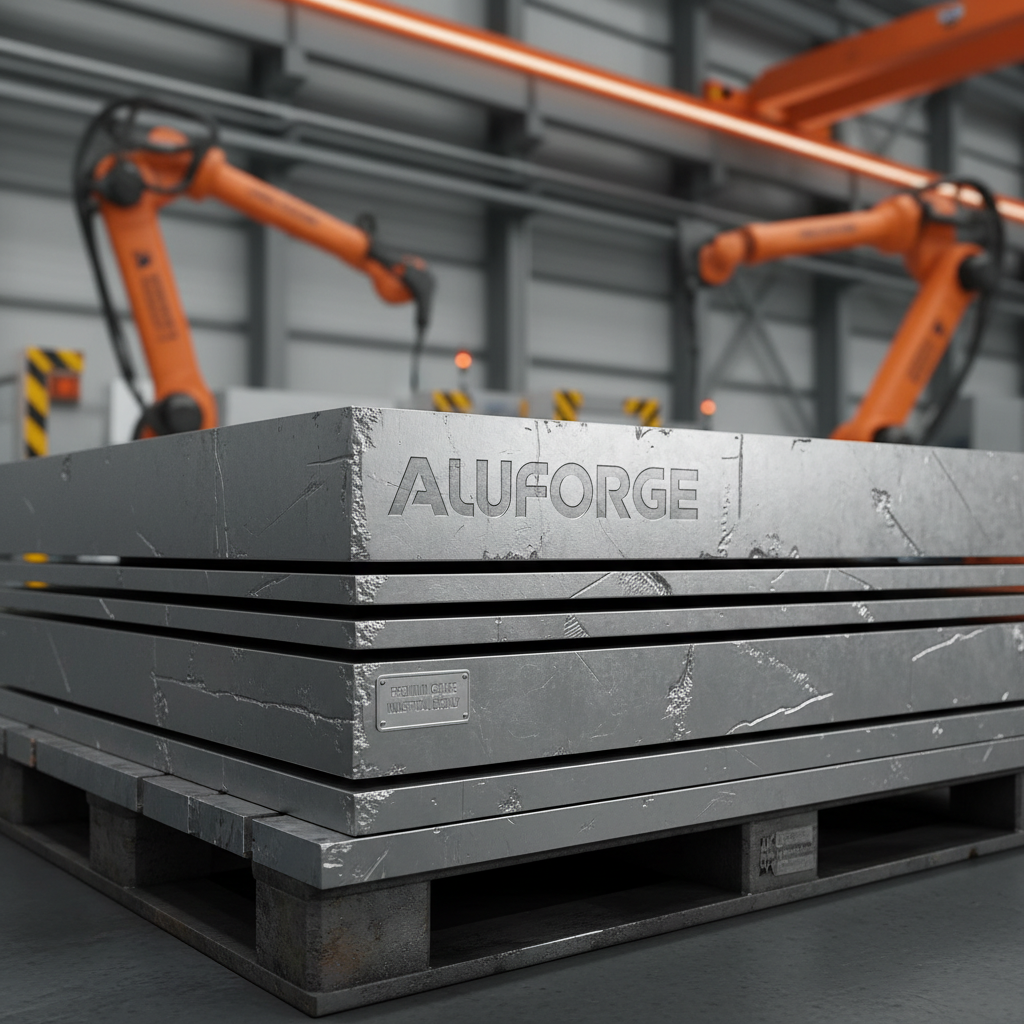
Aluminum composite material suppliers play a critical role in modern construction and various industrial applications. The global demand for these materials is driven by their unique combination of properties – lightweight nature, durability, and design flexibility. Understanding the nuances of sourcing from reliable aluminum composite material suppliers is essential for project success, impacting everything from building aesthetics to long-term structural integrity. The industry is experiencing substantial growth due to increasing urbanization and a rising preference for sustainable building materials.
The significance of selecting the right aluminum composite material suppliers extends beyond just price. Factors such as production standards, material quality, lead times, and post-sales support all contribute to a successful partnership. The availability of a diverse range of suppliers allows businesses to tailor their material choices to specific project requirements, optimizing cost and performance. This choice impacts industries globally.
Ultimately, reliable aluminum composite material suppliers provide the foundational materials for innovative and efficient structures worldwide. Addressing the challenges of sourcing and quality control is paramount for continued growth and sustainability within the industry.
The Rise of aluminum Composite Material Suppliers
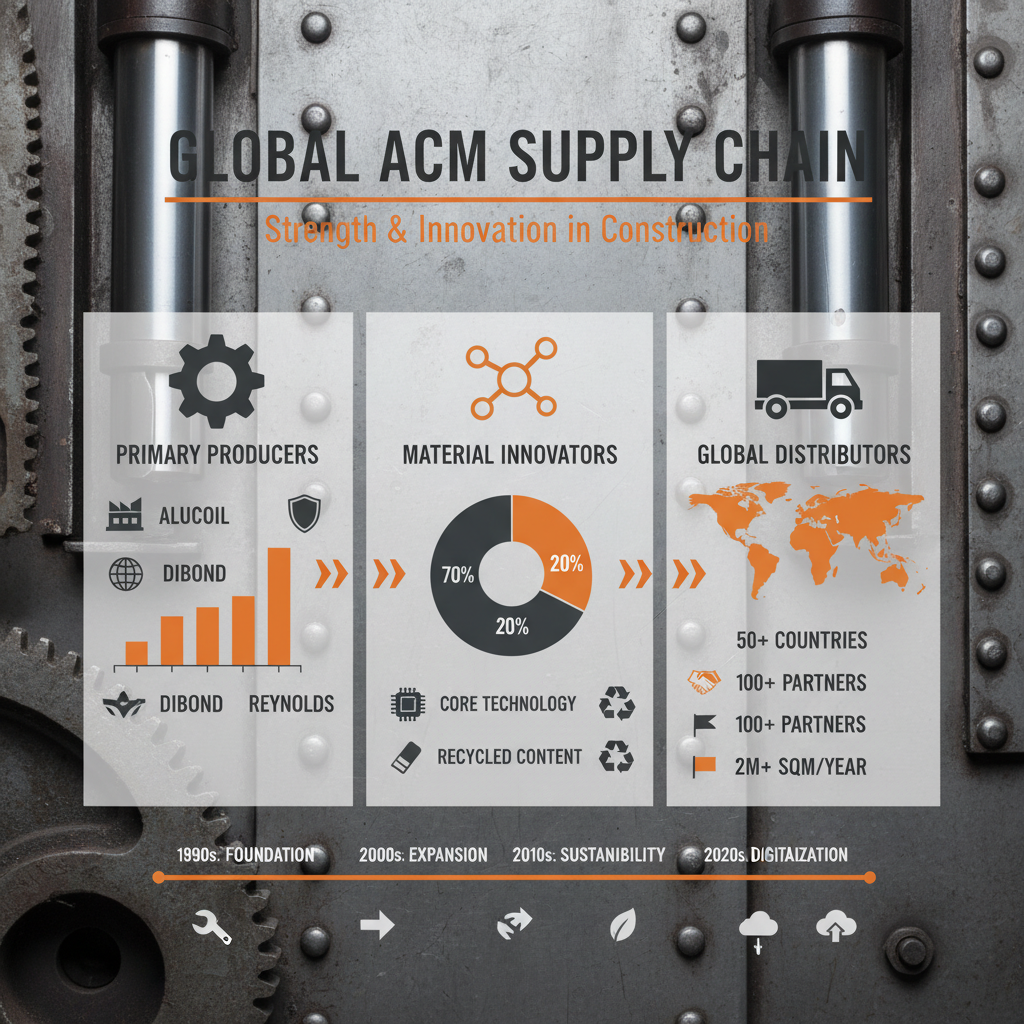
The increasing demand for lightweight, durable, and aesthetically versatile building materials has propelled the growth of aluminum composite material suppliers. This surge is particularly pronounced in regions undergoing rapid urbanization and infrastructure development, such as Asia-Pacific and the Middle East. The industry is characterized by continuous innovation in material formulations and production processes.
Modern architecture relies heavily on the flexibility offered by ACMs, allowing for complex designs and energy-efficient building envelopes. Consequently, the role of aluminum composite material suppliers extends beyond simply providing raw materials; they become integral partners in realizing architectural visions.
Defining Aluminum Composite Material Suppliers
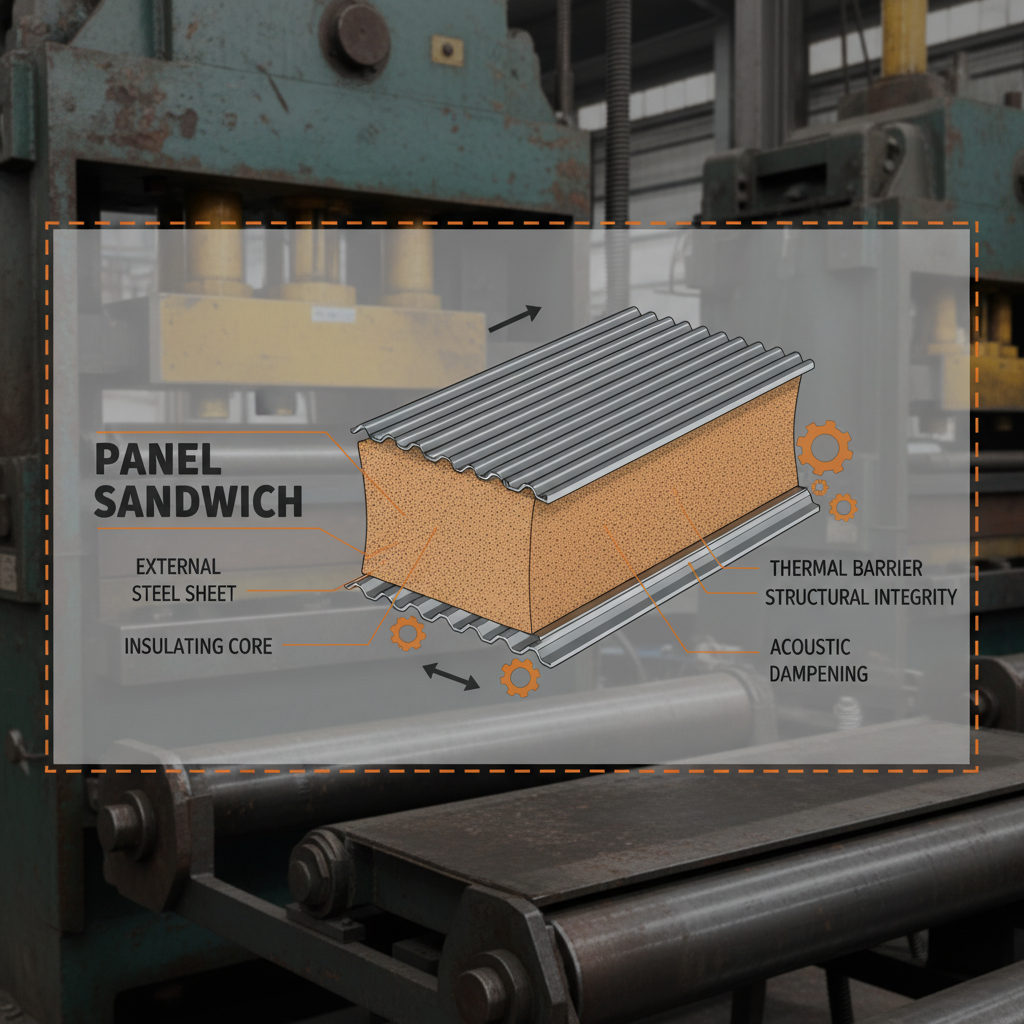
Aluminum composite material suppliers are businesses specializing in the manufacturing and distribution of panels comprised of aluminum layers bonded to a non-aluminum core. These cores can vary, commonly featuring polyethylene (PE), fire-retardant (FR), or mineral-filled cores, each offering distinct performance characteristics. Suppliers offer a range of finishes, colors, and thicknesses to cater to diverse project needs.
These suppliers serve a broad clientele, including architects, construction companies, sign manufacturers, and industrial fabricators. They often provide value-added services like custom fabrication, technical support, and logistical assistance.
The connection to modern industry is clear; ACMs are a cornerstone of contemporary building design, offering benefits such as weather resistance, thermal insulation, and aesthetic appeal. These materials significantly contribute to energy-efficient and visually striking structures.
Core Characteristics of Quality Suppliers
Reputable aluminum composite material suppliers prioritize consistent product quality, adherence to international standards (like ISO 9001), and a robust quality control system. This includes rigorous testing of raw materials and finished products to ensure performance and safety.
Beyond quality, dependable suppliers demonstrate strong logistical capabilities, ensuring timely delivery of materials to project sites. Efficient inventory management, responsive customer service, and a commitment to sustainable manufacturing practices are also hallmarks of leading organizations.
Furthermore, the best suppliers maintain transparency in their supply chain, providing clear information about material origins, production processes, and environmental certifications. A willingness to collaborate with clients on custom solutions and offer technical expertise further distinguishes top-tier aluminum composite material suppliers.
Global Applications and Market Reach
Aluminum composite materials find extensive applications across diverse sectors globally. In construction, they are widely used for façade cladding, roofing, and interior paneling, particularly in commercial buildings, airports, and retail spaces. The Asia-Pacific region is a dominant market due to rapid infrastructure development.
Beyond construction, ACMs are prevalent in the signage industry, providing durable and visually appealing solutions for billboards, storefront signs, and directional signage. The automotive industry utilizes ACMs for interior trim and exterior components, leveraging their lightweight properties.
In post-disaster relief operations, ACMs offer a quick and efficient means of constructing temporary shelters and medical facilities. In remote industrial zones, their ease of installation and durability make them ideal for constructing maintenance facilities and worker accommodations.
Supplier Performance Comparison
Advantages and Long-Term Value Proposition
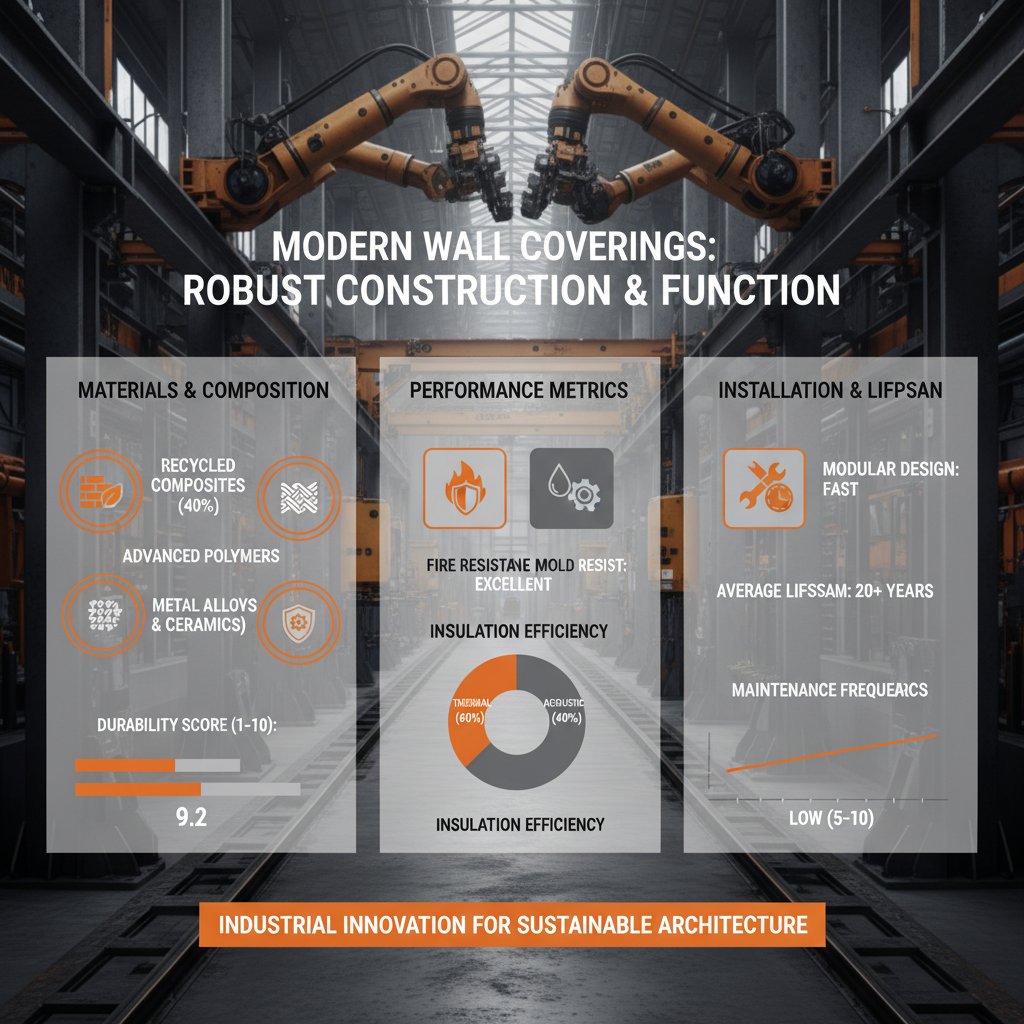
The advantages of using aluminum composite materials are multifaceted. Cost-effectiveness stems from reduced installation times and lower maintenance requirements compared to traditional building materials. Sustainability is enhanced by the recyclability of aluminum and the energy efficiency of ACM panels.
From a practical standpoint, ACMs offer excellent resistance to corrosion, weathering, and UV radiation, ensuring long-term durability and minimizing lifecycle costs. The design flexibility they provide allows for creative architectural expression and enhances building aesthetics.
Emerging Trends in Sourcing & Supply
The aluminum composite material industry is witnessing a growing emphasis on sustainable manufacturing practices and the development of eco-friendly core materials. Digitalization of the supply chain, including blockchain technology for traceability, is gaining traction.
Furthermore, customization and on-demand production are becoming increasingly prevalent, allowing clients to obtain materials tailored to their specific project requirements with shorter lead times. Automated fabrication processes and advanced coating technologies are also driving innovation within the sector.
The focus on fire safety is also increasing, leading to the development and adoption of fire-retardant (FR) core materials that meet stringent building codes and regulations. Suppliers are adapting to these evolving demands.
Key Evaluation Metrics for aluminum Composite Material Suppliers
Selecting the right aluminum composite material suppliers demands a thorough evaluation process. Key metrics include product quality, price competitiveness, delivery reliability, and technical support capabilities.
Furthermore, environmental certifications, adherence to industry standards (e.g., ASTM, EN), and financial stability are crucial considerations. Assessing a supplier's track record, client testimonials, and commitment to innovation provides valuable insights.
Understanding a supplier’s capacity to handle large-scale projects and offer customized solutions is also paramount. A comprehensive evaluation ensures a long-term, mutually beneficial partnership.
Summary of Key Supplier Evaluation Metrics
| Quality Assurance |
Price & Value |
Logistics & Reliability |
Technical Capabilities |
| ISO 9001 Certification |
Competitive Pricing Structure |
On-Time Delivery Rate |
Custom Fabrication Services |
| Material Testing Reports |
Volume Discount Availability |
Inventory Management System |
Technical Data Sheets Availability |
| Compliance with Industry Standards |
Payment Terms Flexibility |
Shipping & Insurance Options |
Engineering Support Services |
| Product Warranty Coverage |
Total Cost of Ownership Analysis |
Global Distribution Network |
R&D Investment |
| Consistent Batch Quality |
Transparent Pricing Breakdown |
Responsive Communication |
Fire-Resistance Testing Results |
| Third-Party Audits |
Long-Term Contract Options |
Efficient Order Processing |
Expert Consultation |
FAQS
Lead times vary depending on the supplier, order volume, and material specifications. Generally, a large order can take anywhere from 4 to 8 weeks for production and delivery. However, established aluminum composite material suppliers often offer expedited options for critical projects, and it’s best to confirm specific timelines during the quoting process. Factors such as color matching and custom fabrication can also impact lead times.
Fire safety compliance is a crucial aspect of ACM production. Reputable suppliers utilize fire-retardant (FR) core materials and conduct rigorous testing to meet relevant building codes (e.g., EN 13501-1, NFPA 285). Testing reports should be readily available, verifying the material’s resistance to flame spread and smoke generation. Always confirm the FR rating meets the specific requirements of your project and local regulations.
The cost of ACM panels varies widely based on factors like material thickness, core type, finish, and quantity ordered. Generally, prices range from $20 to $60 per square meter. FR core panels typically command a higher price due to the added fire protection. Obtaining quotes from multiple aluminum composite material suppliers is recommended to compare pricing and find the best value.
Environmental considerations include the recyclability of aluminum, the sourcing of core materials, and the manufacturing processes employed. Look for suppliers with environmental certifications (e.g., ISO 14001) and a commitment to sustainable practices. Choosing suppliers who prioritize responsible material sourcing and waste reduction minimizes the environmental impact.
Most aluminum composite material suppliers offer warranties covering material defects and finish performance. Warranty periods typically range from 5 to 10 years, but can vary depending on the specific product and supplier. Carefully review the warranty terms and conditions to understand the coverage scope and any limitations. Proper installation is often a prerequisite for warranty validity.
Yes, many suppliers offer custom color matching services to meet specific project aesthetic requirements. This often involves using color codes (e.g., RAL, Pantone) or providing physical samples for accurate matching. Custom color matching may incur additional costs and lead time, so it’s essential to discuss this with the supplier during the quoting process. Proper color rendering and consistency are crucial for a visually appealing result.
Conclusion
In conclusion, selecting the right aluminum composite material suppliers is a critical decision impacting project success, longevity, and sustainability. Understanding the core characteristics of quality suppliers – including product consistency, logistical efficiency, and commitment to safety – is paramount. The industry continues to evolve with an increasing focus on eco-friendly materials and innovative fabrication techniques.
Looking ahead, a proactive approach to sourcing, coupled with a focus on long-term partnerships, will be essential for navigating the complexities of the ACM market. We encourage you to explore our comprehensive range of aluminum composite materials and experience the difference of working with a trusted aluminum composite material suppliers. Visit our website at www.acmfactory.com.