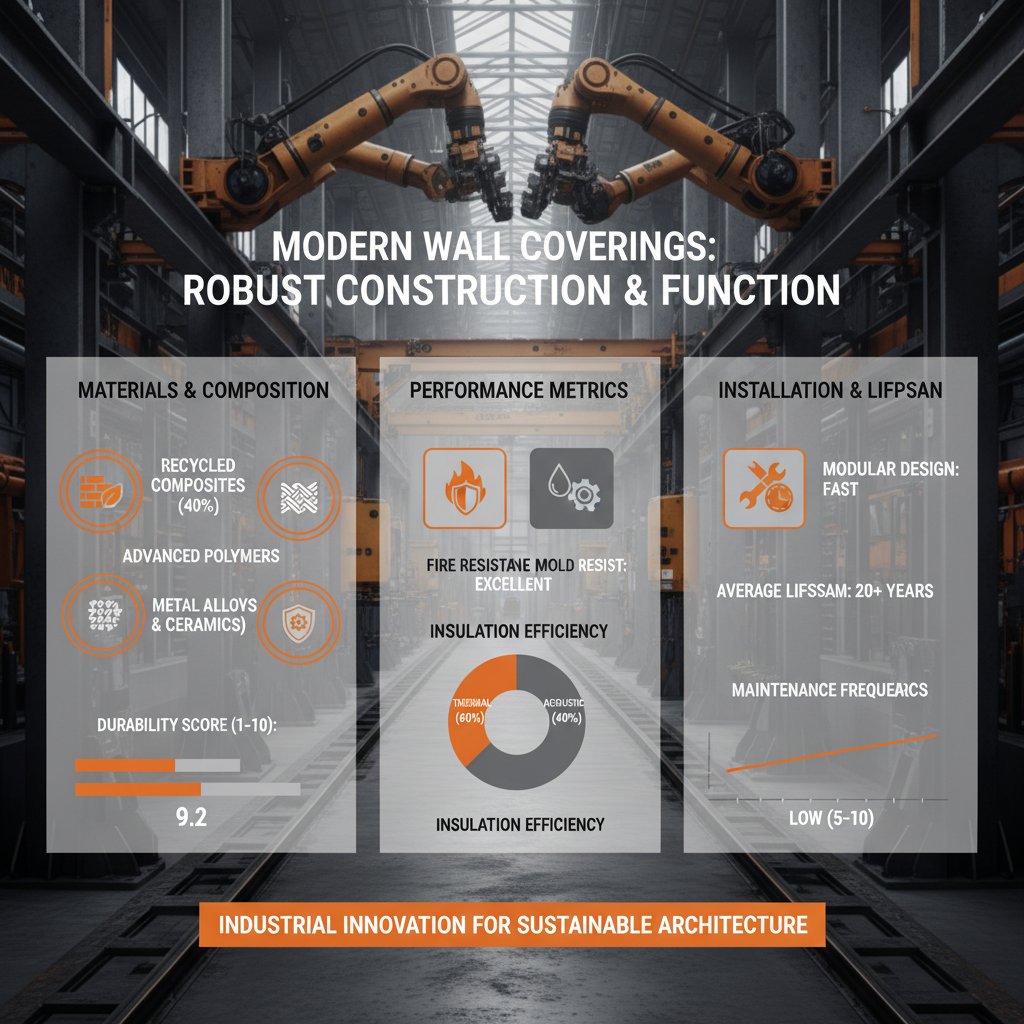
aluminium composite panel china has become a cornerstone material in modern construction and design, witnessing exponential growth in global demand. Its versatility, coupled with increasingly sophisticated manufacturing techniques originating primarily in China, has revolutionized industries ranging from architecture to transportation. This surge in popularity isn't merely aesthetic; it reflects a practical need for cost-effective, durable, and lightweight building solutions, particularly in rapidly developing economies. Understanding the nuances of aluminium composite panel china is crucial for architects, engineers, and procurement professionals alike.
The significance of aluminium composite panel china extends beyond simply providing a cladding material. It plays a critical role in enhancing energy efficiency in buildings, contributing to sustainability goals, and offering design flexibility previously unattainable with traditional materials. The competitive pricing, driven largely by Chinese manufacturers, makes it accessible to a wider range of projects, facilitating innovative designs and improving construction standards globally. However, quality control and adherence to international standards remain paramount concerns as the industry continues to evolve.
Furthermore, the manufacturing and export of aluminium composite panel china significantly impacts international trade and economic development. China’s dominance in this sector has created a complex supply chain, influencing material costs and project timelines worldwide. Recognizing the capabilities and limitations of this material is essential for navigating the complexities of the global construction market.
Introduction to aluminium composite panel china
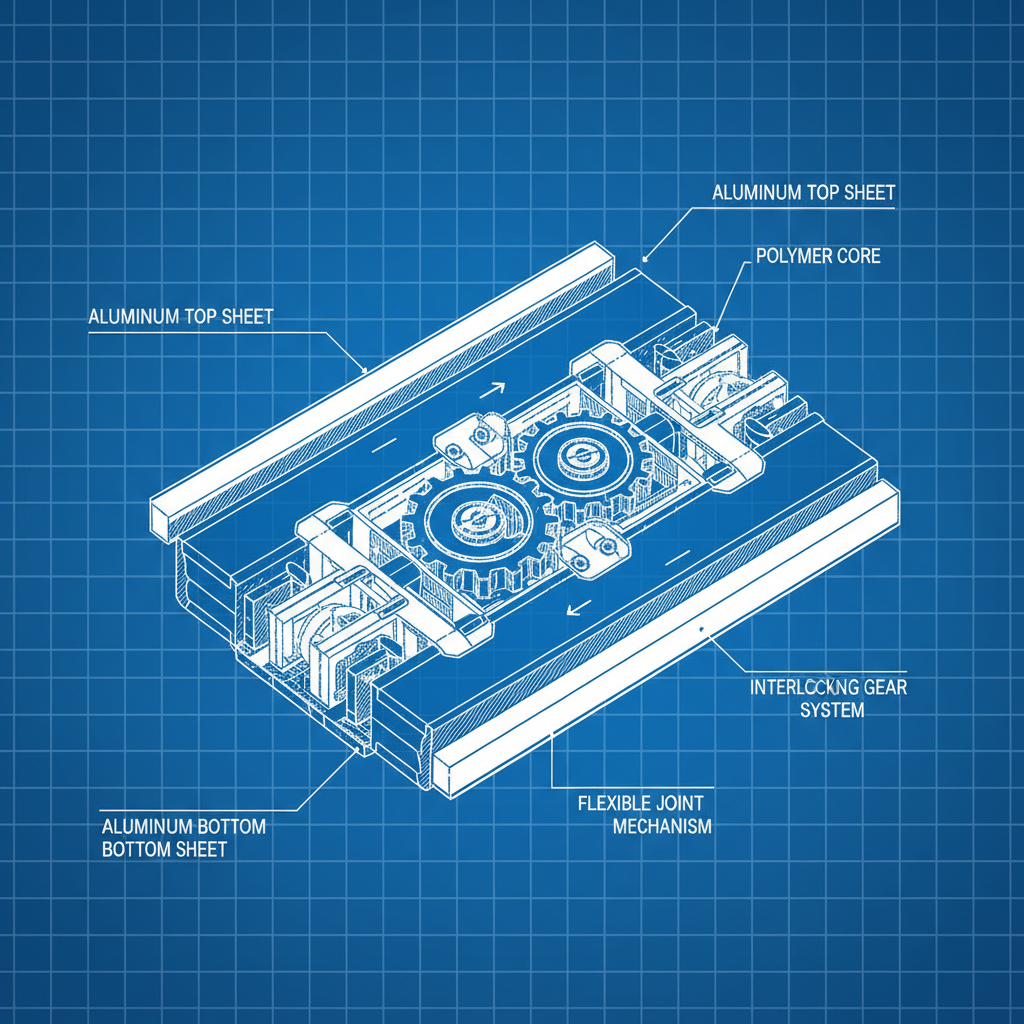
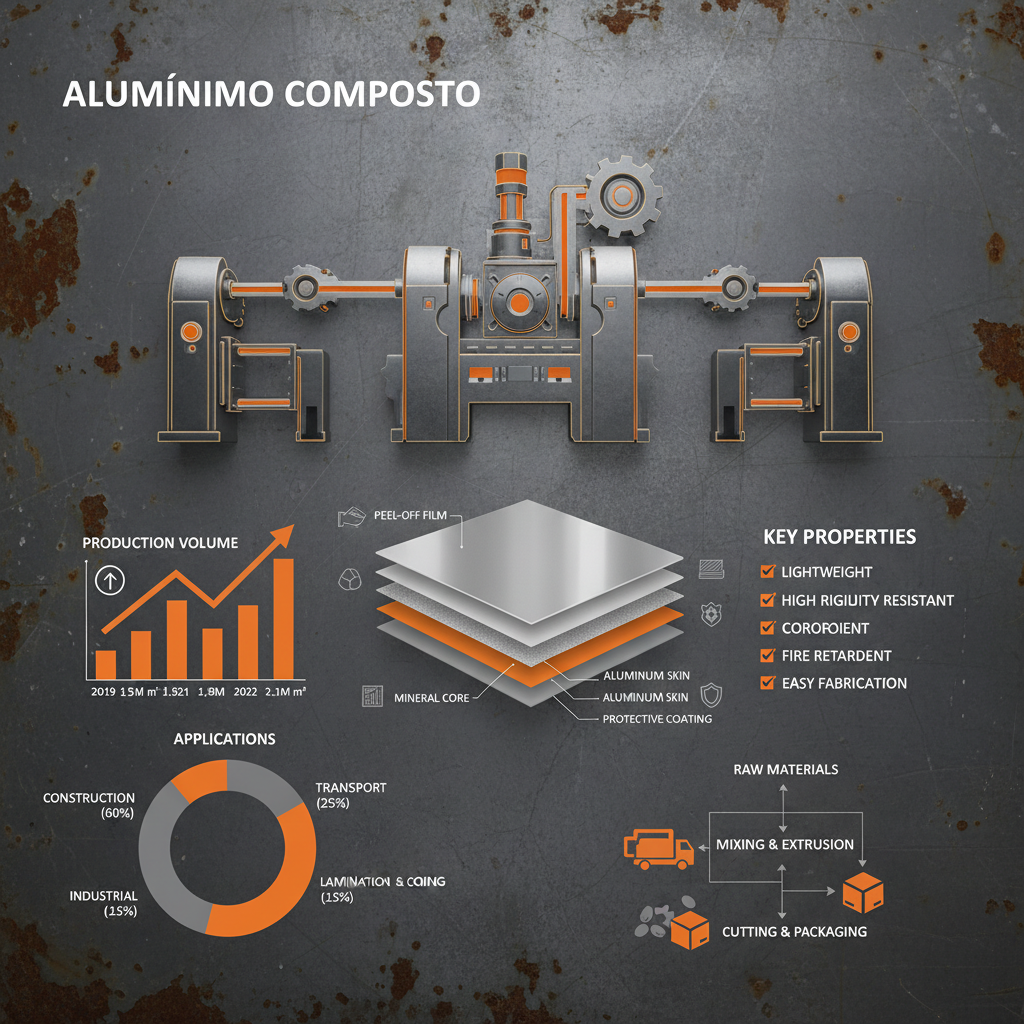
aluminium composite panel china is a versatile material composed of two thin aluminium sheets bonded to a non-aluminium core, typically polyethylene (PE). This construction delivers a lightweight yet remarkably strong panel with excellent rigidity and weather resistance. The core material plays a crucial role in determining the panel's fire-retardant properties and overall performance.
This innovative composite offers architects and designers a broad spectrum of aesthetic possibilities, as the aluminium surfaces can be coated with various paints, finishes, and even wood-grain effects. The relative ease of fabrication and installation makes it a popular choice for cladding, signage, and interior design applications, contributing significantly to the modern architectural landscape.
Global Relevance and Industry Context
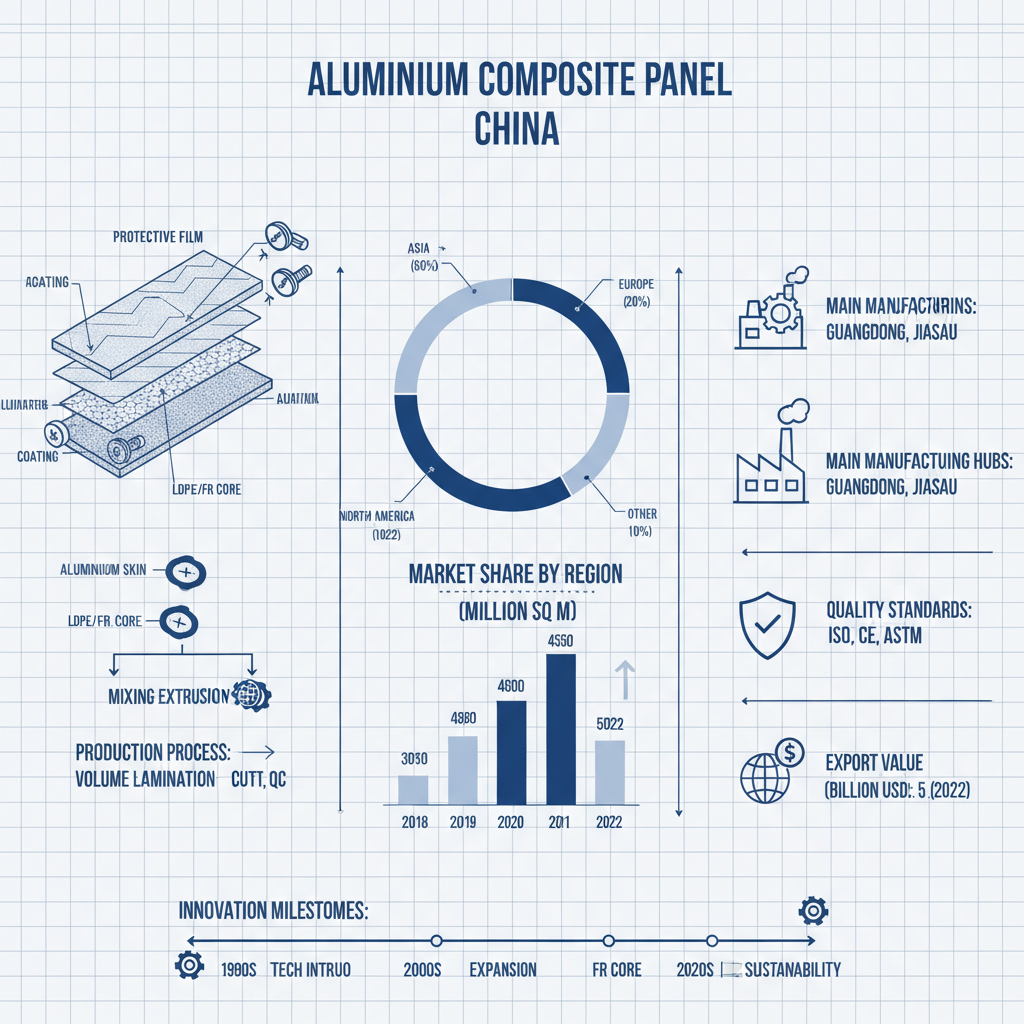
The global aluminium composite panel market is substantial and continually expanding, with China serving as the primary manufacturing hub. According to industry reports, the market size was valued at over USD 33 billion in 2023 and is projected to reach USD 45 billion by 2030. This growth is fueled by rapid urbanization in developing nations, increasing demand for energy-efficient buildings, and the aesthetic appeal of modern building designs.
A significant challenge facing the industry is ensuring consistent quality and adherence to international fire safety regulations. The Grenfell Tower fire in London (2017) highlighted the dangers of using combustible aluminium composite material (ACM) in high-rise buildings, leading to stricter building codes and increased scrutiny of ACM suppliers, particularly those from China. This incident spurred a global demand for fire-resistant alternatives and reinforced the importance of rigorous testing and certification.
Furthermore, trade tensions and fluctuating raw material prices (aluminium and polyethylene) impact the cost and availability of aluminium composite panel china. Manufacturers must navigate these challenges while maintaining competitive pricing and meeting the evolving needs of the global market. The development of sustainable manufacturing practices is also gaining traction, driven by increasing environmental awareness.
Defining aluminium composite panel china
aluminium composite panel china, at its core, is a sandwich-structured material. Two layers of thin aluminium sheet are meticulously bonded to a non-aluminium core, forming a panel renowned for its exceptional strength-to-weight ratio. The thickness of the aluminium sheets and the core material can be varied to tailor the panel's properties to specific application requirements.
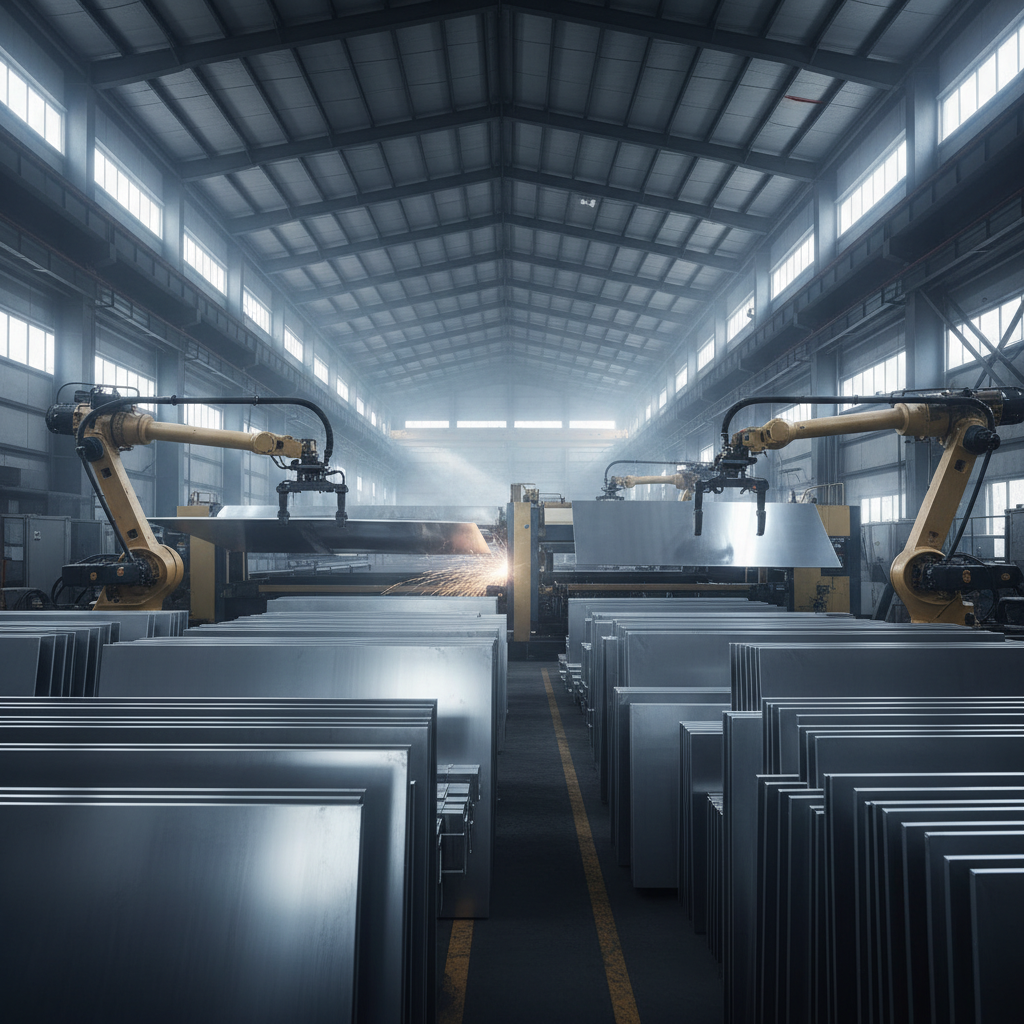
This composite construction isn’t merely about combining materials; it’s a synergistic relationship. The aluminium provides rigidity, corrosion resistance, and a smooth surface for painting and coating, while the core material offers insulation, reduces weight, and contributes to the panel’s overall cost-effectiveness. The manufacturing process, often involving continuous lamination, ensures a uniform bond and consistent panel quality.
The definition of aluminium composite panel china also encompasses the various finishes available, from standard PVDF (polyvinylidene fluoride) coatings to more specialized options like PE (polyethylene) and FEVE (fluoroethylene vinyl ether) coatings. These coatings provide protection against weathering, UV radiation, and pollutants, extending the panel’s service life and maintaining its aesthetic appeal.
Key Factors of aluminium composite panel china
Durability is a defining characteristic of aluminium composite panel china. The aluminium sheets provide excellent resistance to corrosion, impact, and weathering, ensuring long-term performance even in harsh environmental conditions. Proper installation and maintenance further contribute to its longevity.
Lightweight nature dramatically reduces structural load, minimizing construction costs and simplifying installation procedures. This is particularly beneficial for high-rise buildings and projects where weight is a critical factor. The core material significantly contributes to this weight reduction without compromising strength.
aluminium composite panel china Performance Metrics
Applications of aluminium composite panel china
aluminium composite panel china finds extensive use in building facades, providing a modern and aesthetically pleasing exterior finish. Its lightweight nature simplifies installation and reduces structural costs. Projects range from commercial skyscrapers to residential complexes, showcasing its versatility.
Signage and advertising rely heavily on aluminium composite panel china due to its flat surface, ease of printing, and weather resistance. Billboards, shopfront signs, and promotional displays benefit from the material’s durability and visual appeal. Its use extends to interior design applications such as wall cladding and partition systems, adding a sleek and contemporary touch to commercial and residential spaces.
Advantages of aluminium composite panel china
Cost-effectiveness is a major advantage. While offering comparable performance to other cladding materials, aluminium composite panel china often comes at a lower price point, making it an attractive option for budget-conscious projects. This affordability doesn’t necessarily equate to lower quality, especially when sourced from reputable manufacturers.
Design flexibility is unparalleled. The material can be easily cut, bent, and shaped to create complex architectural designs and custom features. The wide range of available colors, finishes, and textures further enhances its design versatility, allowing architects to realize their creative visions.
Future Trends in aluminium composite panel china
Sustainability is driving innovation in the aluminium composite panel industry. Manufacturers are increasingly exploring the use of recycled aluminium and eco-friendly core materials to reduce the environmental impact of their products. Biodegradable core options and closed-loop recycling programs are gaining traction.
The integration of smart technologies is another emerging trend. Self-cleaning coatings, integrated lighting systems, and sensors for monitoring building performance are being incorporated into aluminium composite panel systems. These advancements enhance energy efficiency, reduce maintenance costs, and improve building functionality.
Nanotechnology is being applied to enhance the properties of aluminium composite panel china, such as improving fire resistance, UV protection, and self-healing capabilities. These cutting-edge technologies promise to further extend the lifespan and performance of this versatile material.
FAQS
The fire safety rating of aluminium composite panel china varies depending on the core material. Panels with a mineral-filled core generally offer superior fire resistance compared to those with a polyethylene (PE) core. Always check the panel’s fire certification and ensure it meets local building codes and regulations. A-2 rated panels are generally considered the safest for high-rise applications.
With proper installation and maintenance, aluminium composite panel china can last for 30 years or more. The lifespan depends on factors such as the quality of the materials, the climate, and the level of exposure to pollutants. Regular cleaning and inspections are essential for preserving its appearance and performance.
The cost of installation varies depending on the project size, complexity, and location. Generally, the cost includes materials, labor, and any necessary structural support. However, aluminium composite panel china is often more cost-effective than traditional cladding materials like stone or brick, especially when considering the long-term benefits of reduced weight and easier installation.
aluminium composite panel china can be relatively environmentally friendly, especially when manufactured using recycled aluminium and sustainable core materials. The lightweight nature reduces transportation costs and energy consumption. However, proper disposal at the end of its life is crucial to minimize environmental impact. Look for manufacturers with eco-friendly practices.
aluminium composite panel china typically requires minimal maintenance. Regular cleaning with mild soap and water is usually sufficient to remove dirt and grime. Avoid using abrasive cleaners or high-pressure washers, as these can damage the surface. Periodic inspections should be conducted to identify any signs of damage or corrosion.
Yes, aluminium composite panel china is well-suited for coastal environments due to its excellent corrosion resistance. However, it’s crucial to select panels with a high-quality coating that provides adequate protection against salt spray and UV radiation. Proper installation and sealing are also essential for preventing moisture ingress.
Conclusion
aluminium composite panel china has emerged as a vital material in modern construction and design, offering a unique combination of durability, cost-effectiveness, and design flexibility. Its global impact is undeniable, driving innovation in building practices and providing accessible solutions for a diverse range of projects. From enhancing energy efficiency to enabling stunning architectural aesthetics, it continues to redefine the possibilities within the built environment.
Looking ahead, the future of aluminium composite panel china lies in sustainable manufacturing practices, the integration of smart technologies, and the development of advanced materials with enhanced performance characteristics. By prioritizing quality, safety, and environmental responsibility, the industry can continue to unlock the full potential of this remarkable material and contribute to a more sustainable and aesthetically pleasing world. For high-quality aluminium composite panel china solutions, visit our website: aluminium composite panel china.