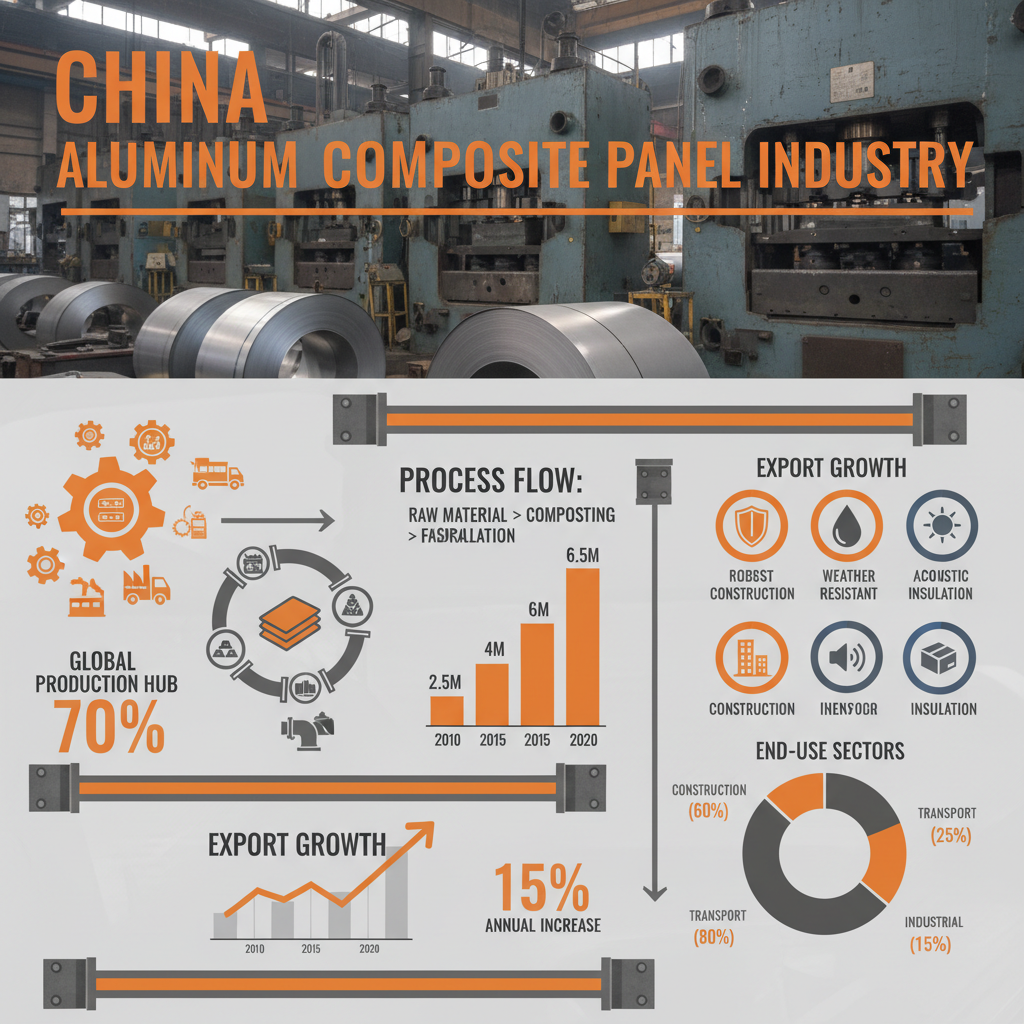
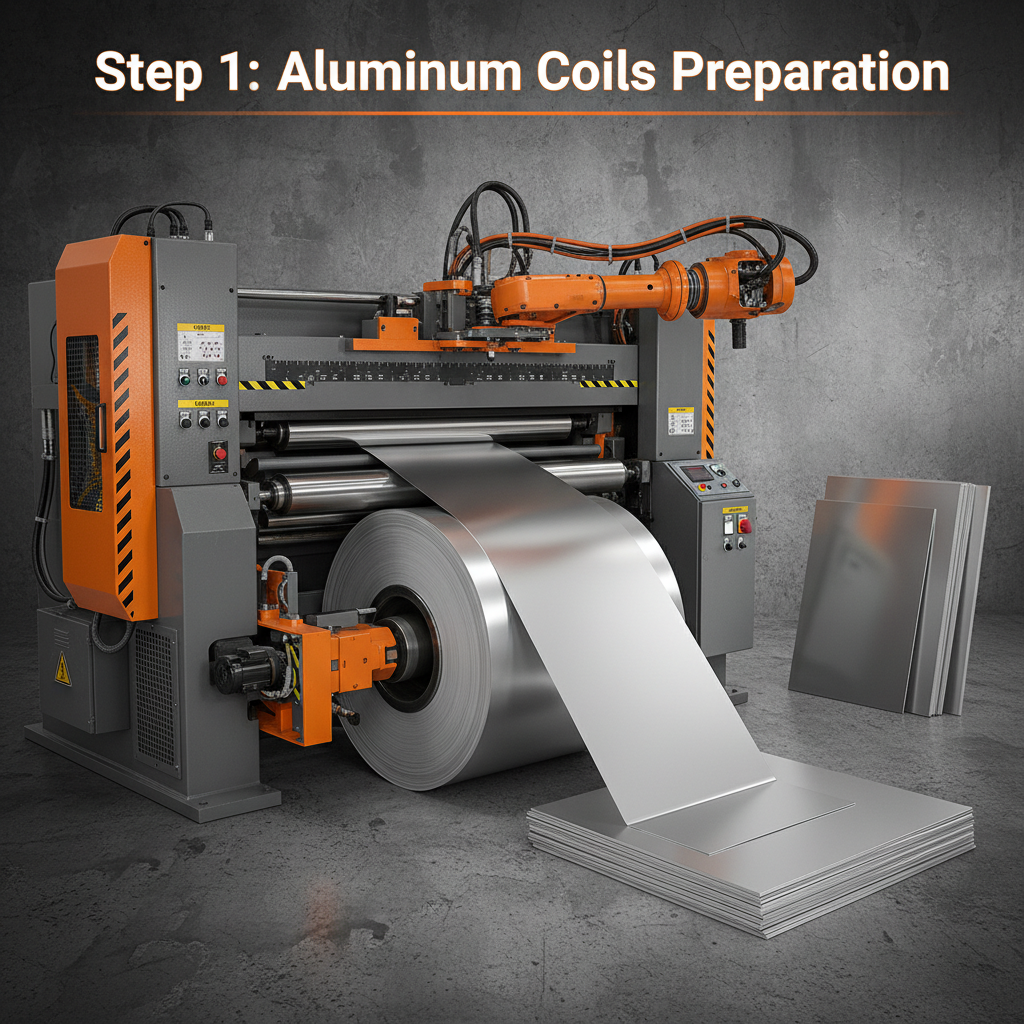
Aluminum composite panel china represents a significant advancement in modern construction and design materials. Globally, the demand for lightweight, durable, and aesthetically versatile building materials is surging, driven by rapid urbanization and infrastructure development. China, as a leading manufacturer and exporter, plays a pivotal role in meeting this demand, supplying a substantial portion of the world’s aluminum composite panel (ACP) needs. Understanding the nuances of aluminum composite panel china, from its production techniques to its applications, is crucial for architects, engineers, and developers seeking cost-effective and high-performance solutions.
The increasing use of aluminum composite panel china is also linked to its superior fire resistance compared to traditional cladding materials, a critical factor in modern building codes. The global construction industry is continuously evolving, with a growing emphasis on sustainability and energy efficiency. ACP, particularly those manufactured in China adhering to international standards, offer excellent thermal insulation properties, contributing to reduced energy consumption in buildings. The accessibility and competitive pricing of aluminum composite panel china have facilitated its widespread adoption across diverse climates and architectural styles.
Furthermore, the versatility of aluminum composite panel china extends beyond just building facades. It finds applications in signage, advertising, interior design, and transportation, showcasing its adaptability and broad appeal. The continued innovation in ACP manufacturing processes in China, including advancements in core materials and coating technologies, is driving further improvements in product quality and performance, solidifying its position as a key material in the global construction landscape.
Introduction to Aluminum Composite Panel China
Aluminum composite panel china has emerged as a dominant force in the global building materials market. China’s ability to produce high-quality ACP at competitive prices has transformed the construction landscape, making modern architectural designs more accessible and affordable. This growth is underpinned by continuous investment in technology and a robust supply chain, allowing Chinese manufacturers to meet the diverse needs of clients worldwide. The proliferation of aluminum composite panel china isn't merely about cost; it’s about a fusion of innovation, practicality, and aesthetic appeal.
The demand for aluminum composite panel china is particularly strong in emerging economies, where rapid urbanization and infrastructure projects require large volumes of building materials. However, its application isn’t limited to developing nations; it’s also gaining traction in established markets due to its performance advantages and design flexibility. Successfully navigating the complexities of sourcing aluminum composite panel china requires understanding quality standards, regulatory compliance, and the logistical challenges of international trade.
Defining Aluminum Composite Panel China
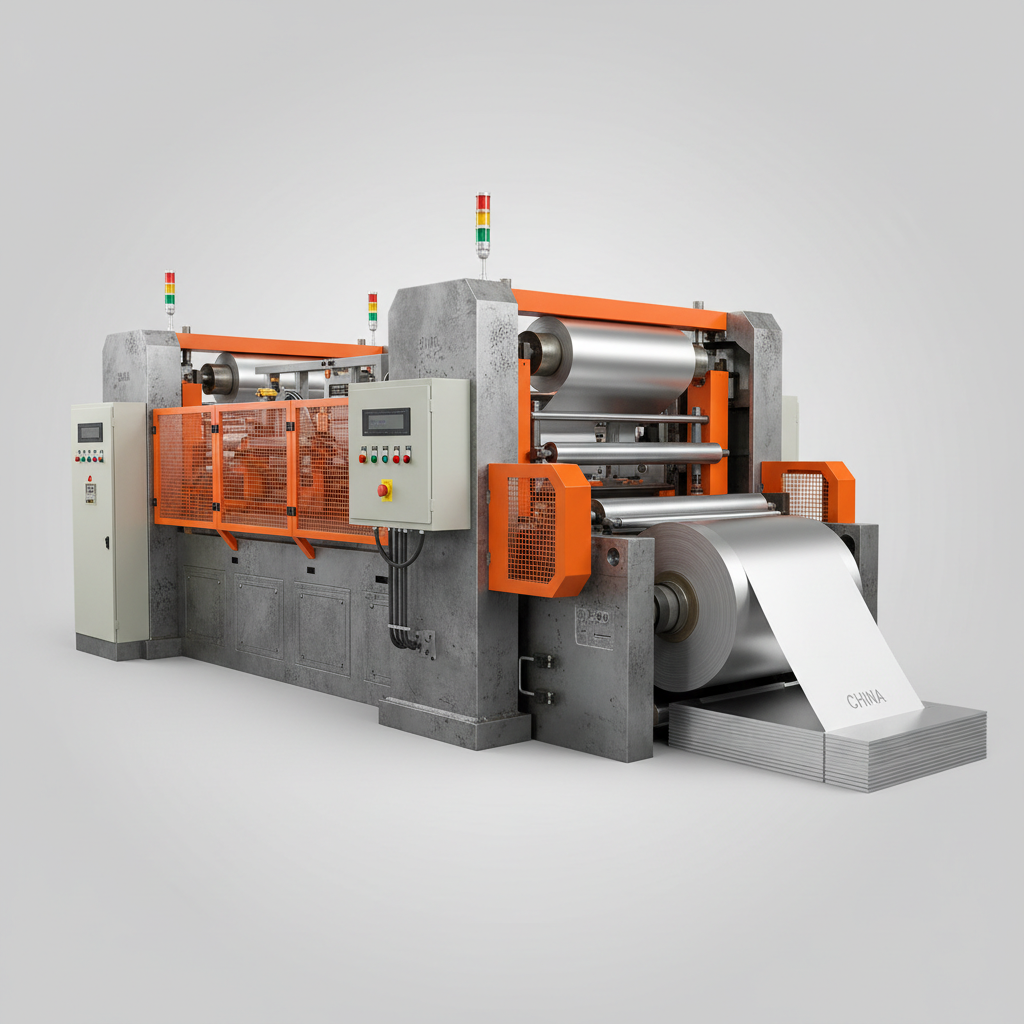
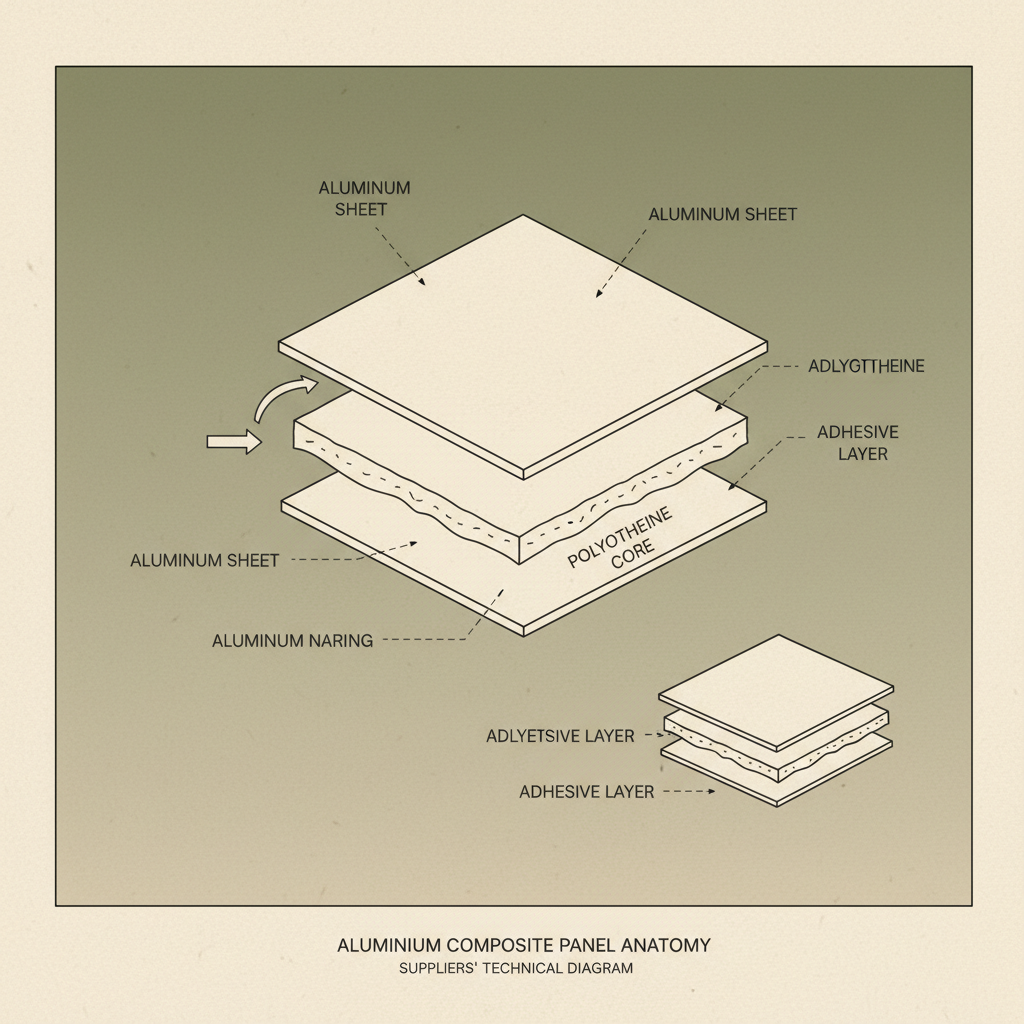
Aluminum composite panel china, often abbreviated as ACP, is a multi-layered material consisting of a thermoplastic core sandwiched between two aluminum sheets. This construction creates a panel that is simultaneously lightweight, rigid, and durable. The aluminum sheets provide strength and a smooth surface for coating, while the core material contributes to insulation, fire resistance, and soundproofing properties. The panels are manufactured in China utilizing advanced production lines that ensure consistency in dimensions and quality.
The core material typically consists of polyethylene (PE), fire-retardant (FR) polyethylene, or mineral-filled fire-resistant cores. The choice of core material dictates the panel’s fire performance and suitability for specific applications. Aluminum composite panel china adheres to various international standards, including those set by ASTM and EN, to ensure safety and performance.
This unique combination of properties makes aluminum composite panel china an ideal solution for a wide range of applications, from building facades and cladding to interior design and signage. The ability to easily fabricate, install, and maintain ACP panels further contributes to their popularity and cost-effectiveness.
Key Characteristics of ACP from China
Durability is a hallmark of high-quality aluminum composite panel china. The aluminum skins are naturally resistant to corrosion, weathering, and UV radiation, ensuring a long service life even in harsh environments. Chinese manufacturers utilize advanced coating technologies, such as powder coating, PVDF coating, and FEVE coating, to enhance the panel’s resistance to fading, scratching, and chemical attack. This translates into reduced maintenance costs and a visually appealing aesthetic for decades.
Lightweight properties significantly reduce structural loads, resulting in lower construction costs and faster installation times. The comparatively low weight of aluminum composite panel china simplifies handling and transportation, decreasing logistical expenses. This attribute is particularly valuable in retrofit projects where minimizing weight is crucial to avoid overloading existing structures.
Versatility allows for creative design freedom. Aluminum composite panel china can be easily cut, bent, and formed into complex shapes, enabling architects to realize their visions without compromising structural integrity. A wide range of colors, finishes, and textures are available, further expanding the design possibilities. The material is readily adaptable to both modern and traditional architectural styles.
Applications Across Industries
The construction sector is the primary consumer of aluminum composite panel china, utilizing it extensively for building facades, cladding, curtain walls, and roofing. Its lightweight nature, durability, and aesthetic appeal make it a popular choice for both commercial and residential projects. From high-rise office buildings to retail complexes, ACP contributes to modern and visually striking architectural designs.
Beyond construction, aluminum composite panel china is widely used in the signage and advertising industry. Its smooth surface, vibrant color retention, and ease of fabrication make it ideal for creating eye-catching billboards, shopfront signs, and exhibition displays. The material’s resistance to weathering ensures long-lasting visibility.
Market Share of Aluminum Composite Panel China by Application
Advantages and Value Proposition
Cost-effectiveness is a significant driver of aluminum composite panel china’s popularity. Compared to traditional cladding materials like stone or metal, ACP offers a comparable aesthetic at a lower cost. This makes it an attractive option for budget-conscious projects without compromising on quality or durability. The ease of installation and reduced labor costs further contribute to overall savings.
Sustainability is increasingly important, and aluminum composite panel china can contribute to green building practices. Aluminum is a highly recyclable material, reducing the environmental impact of construction projects. The thermal insulation properties of ACP also contribute to energy efficiency, reducing heating and cooling costs and lowering carbon emissions.
Future Trends in Aluminum Composite Panel China
Innovation in core materials is a key trend shaping the future of aluminum composite panel china. Research and development efforts are focused on creating even more fire-resistant and environmentally friendly core materials, such as mineral-filled cores and recycled plastic composites. These advancements will address concerns regarding fire safety and sustainability.
Digital printing technologies are revolutionizing the aesthetic possibilities of aluminum composite panel china. Advanced digital printing techniques allow for highly detailed and customized designs, enabling architects to create unique and visually stunning facades. This trend is driving demand for ACP with superior printability and color accuracy.
The integration of smart technologies into aluminum composite panel china is also emerging. Researchers are exploring the possibility of embedding sensors and other smart devices within the panels to monitor building performance, detect structural issues, and enhance energy efficiency.
Challenges and Considerations
Fire safety remains a primary concern associated with aluminum composite panel china. The use of combustible core materials, particularly polyethylene, has been linked to the rapid spread of fires in some building incidents. Stringent fire safety regulations and the adoption of fire-retardant core materials are crucial to mitigating this risk.
Quality control and standardization are essential to ensure the performance and reliability of aluminum composite panel china. Variations in manufacturing processes and material quality can lead to inconsistencies in product performance. Choosing reputable suppliers who adhere to international standards is critical.
Environmental concerns related to the disposal of ACP waste also need to be addressed. Developing effective recycling programs and promoting the use of sustainable core materials are important steps towards minimizing the environmental impact of this material.
Key Considerations for Selecting and Using Aluminum Composite Panel China
| Core Material |
Fire Rating |
Coating Type |
Application Suitability |
| Polyethylene (PE) |
Class 3 (Limited Fire Resistance) |
Polyester |
Interior Decoration, Signage |
| Fire-Retardant Polyethylene (FR) |
Class 2 (Improved Fire Resistance) |
PVDF |
Exterior Cladding, Commercial Buildings |
| Mineral-Filled Core |
Class 1 (Excellent Fire Resistance) |
FEVE |
High-Risk Buildings, Airports |
| Aluminum Honeycomb Core |
Class A (Highest Fire Resistance) |
Anodized Aluminum |
High-End Architectural Projects |
| Recycled Plastic Core |
Class 3 (Limited Fire Resistance) |
Acrylic |
Low-Budget Applications, Interior Paneling |
| A2 Grade Mineral Core |
Class A (Highest Fire Resistance) |
Anti-Graffiti Coating |
Public Transport, Schools, Hospitals |
FAQS
The core material significantly impacts the panel's fire performance, weight, and cost. Polyethylene (PE) is the most common and affordable but offers limited fire resistance. Fire-retardant (FR) PE provides improved fire safety. Mineral-filled cores offer excellent fire resistance but are more expensive. Aluminum honeycomb cores are lightweight and strong, ideal for high-end projects. Choosing the right core depends on the specific application and building codes.
Climate plays a crucial role. High UV exposure can cause fading of coatings, while extreme temperatures can lead to expansion and contraction. Choosing coatings specifically designed for UV resistance and thermal stability is essential. Proper installation, including adequate ventilation behind the panels, helps mitigate climate-related issues. Regular maintenance, such as cleaning and recoating, extends the lifespan in harsh environments.
Key certifications include EN 13501-1 (European standard) and ASTM E84 (American standard). These tests evaluate the panel's flame spread, smoke development, and heat release. Look for panels that meet the required fire safety classifications for your specific building type and local regulations. A2 and A1 rated panels offer the highest level of fire protection.
With proper installation and maintenance, aluminum composite panel china cladding can last 30-50 years. The lifespan depends on factors like the coating type, climate conditions, and exposure to pollutants. Regular cleaning, periodic inspection for damage, and timely recoating can significantly extend the service life. High-quality panels with durable coatings generally offer longer lifespans.
Choose a reputable manufacturer with ISO 9001 certification. Request sample panels for testing and verify compliance with relevant standards (ASTM, EN). Conduct factory audits to assess production processes and quality control measures. Check for independent testing reports and certifications. Establish clear quality specifications in your purchase agreement.
Consider the core material's recyclability. Aluminum is highly recyclable, but PE cores pose challenges. Look for panels with recycled content or biodegradable core options. Evaluate the environmental impact of the manufacturing process. Proper disposal of ACP waste is crucial to prevent landfill pollution. Prioritize suppliers committed to sustainable practices.
Conclusion
Aluminum composite panel china has undeniably revolutionized the construction and design industries, offering a compelling combination of affordability, durability, and aesthetic versatility. Its widespread adoption is driven by the growing demand for lightweight, energy-efficient, and visually appealing building materials. Understanding the nuances of ACP, from core material selection to fire safety considerations, is paramount for ensuring successful project outcomes.
Looking ahead, continued innovation in core materials, coating technologies, and digital printing will further enhance the performance and design possibilities of aluminum composite panel china. Addressing environmental concerns through increased recycling efforts and the development of sustainable materials is essential for ensuring the long-term viability of this vital building material. To explore the full potential of aluminum composite panel china for your next project, visit our website: www.acmfactory.com.