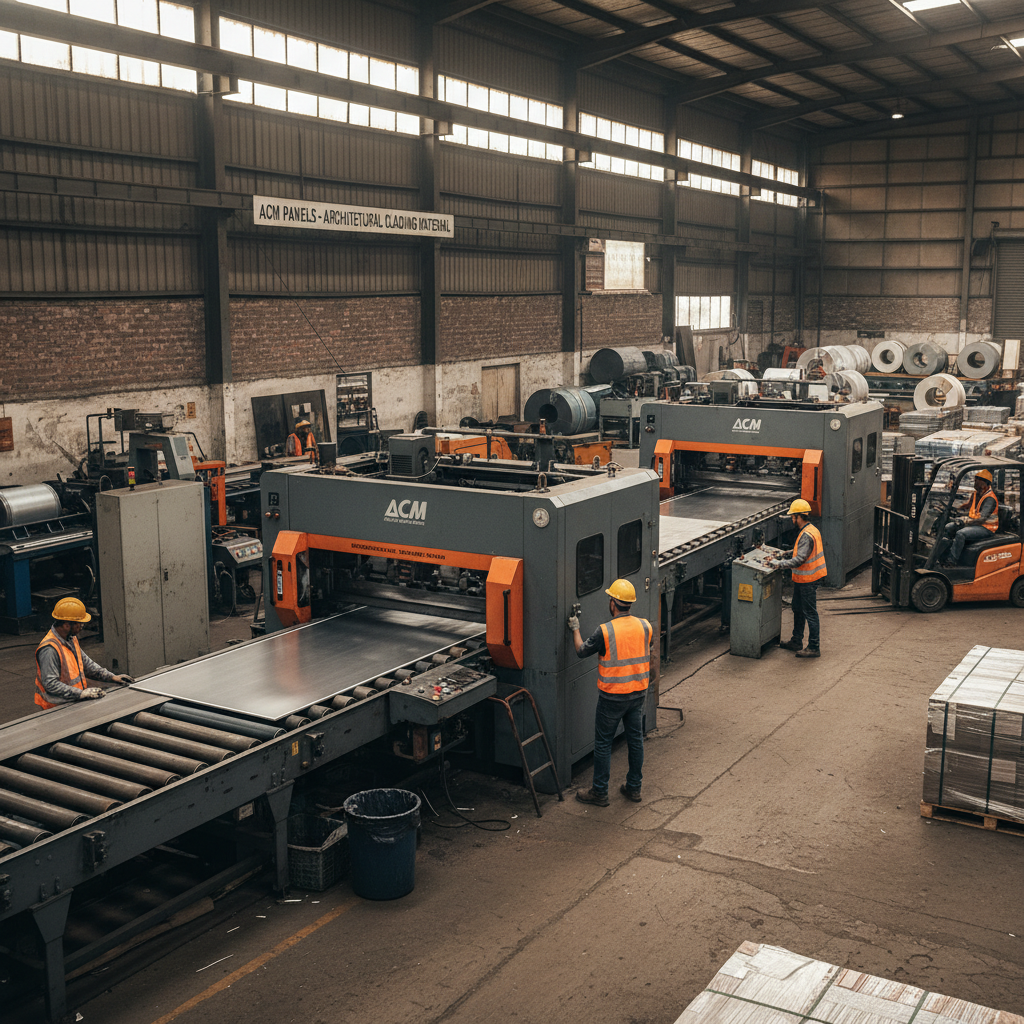
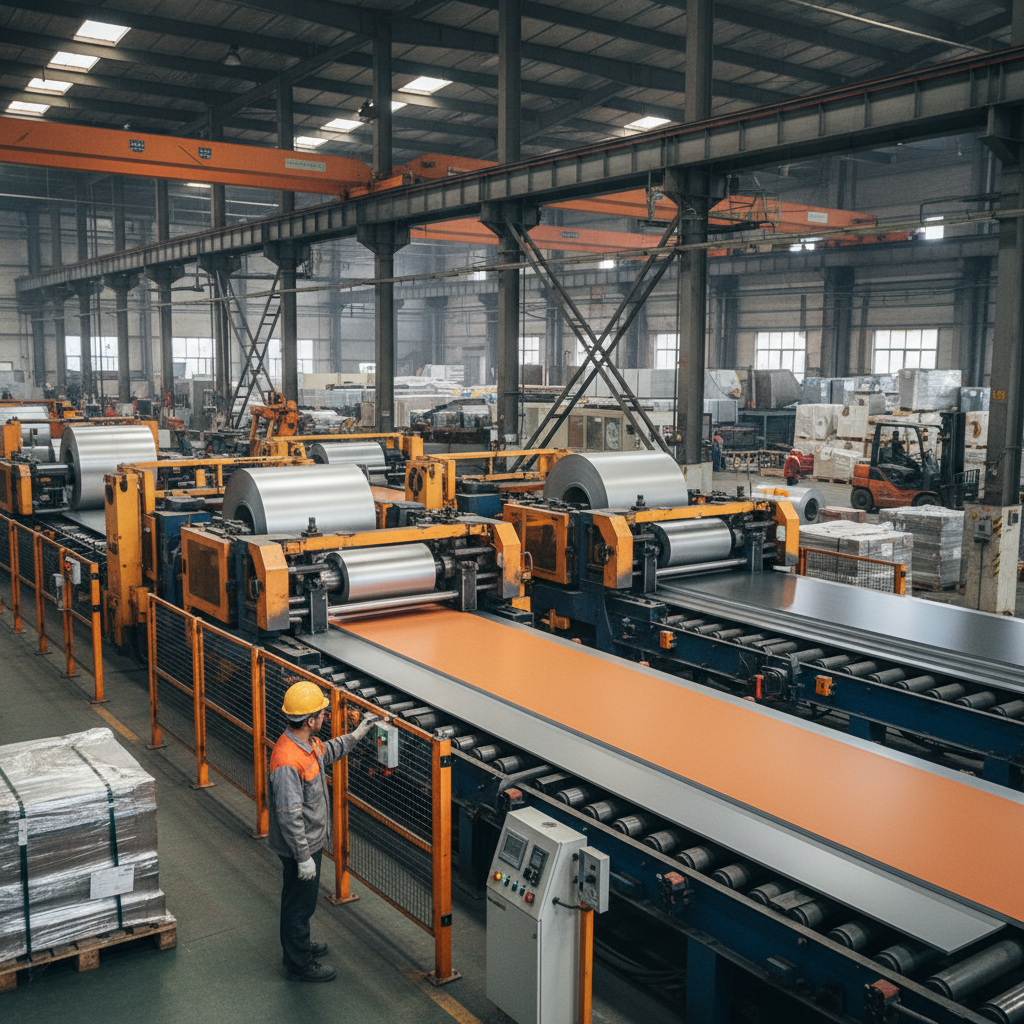
alu panels are revolutionizing industries worldwide, offering a versatile and sustainable solution for a multitude of applications. From architectural facades to interior design, and even specialized industrial uses, these composite materials are gaining prominence due to their unique combination of lightweight construction, durability, and aesthetic appeal. Understanding the nuances of alu panels is crucial for architects, engineers, designers, and manufacturers seeking innovative and cost-effective building and fabrication solutions.
The global demand for high-performance building materials is steadily increasing, driven by factors such as urbanization, infrastructure development, and a growing emphasis on energy efficiency. Alu panels address these demands effectively, offering a superior alternative to traditional materials like concrete, steel, and glass in many instances. The UN projects continued global population growth and increased urbanization, highlighting the need for sustainable and scalable building solutions.
The benefits extend beyond construction. Alu panels are crucial in sectors requiring lightweight and robust materials – from transportation to renewable energy. They offer a unique blend of properties that contribute to both economic efficiency and environmental responsibility, making them an increasingly important element in modern infrastructure.
Introduction to Alu Panels
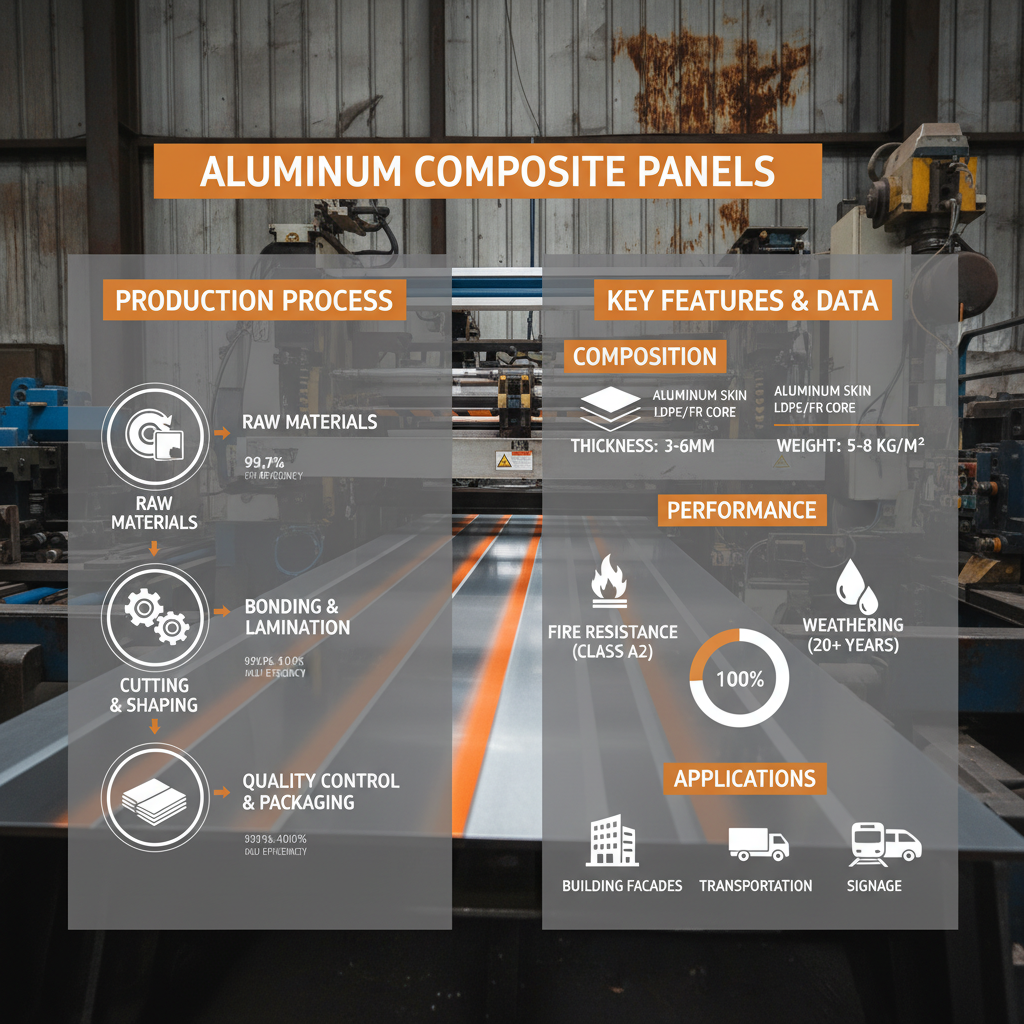
alu panels, also known as aluminum composite panels (ACPs), represent a significant advancement in material science. They are constructed from two thin aluminum sheets bonded to a non-aluminum core, typically polyethylene (PE) or a fire-retardant mineral core. This construction delivers a unique combination of strength, flexibility, and weight reduction, making them ideal for a wide range of architectural and industrial applications.
The popularity of alu panels stems from their ability to offer a cost-effective and visually appealing alternative to solid aluminum or other traditional cladding materials. Their versatility enables designers to achieve complex shapes and designs, while their durability ensures long-lasting performance even in harsh environmental conditions. They’ve become a staple in modern building design and beyond.
Defining Alu Panels
At their core, alu panels are a composite material, meaning they're made from two or more constituent materials with significantly different physical or chemical properties. This combination results in a material with characteristics that are superior to those of the individual components. Specifically, alu panels leverage the strength and corrosion resistance of aluminum with the lightweight and insulating properties of the core material.
Their connection to modern industry lies in their ability to meet demanding performance criteria in diverse sectors. From streamlining construction processes to enhancing the aesthetic appeal of buildings, alu panels address critical needs across the architectural, transportation, and manufacturing landscapes. They are a practical solution to complex design and engineering challenges.
Furthermore, the increasing demand for sustainable building materials aligns perfectly with the characteristics of alu panels, especially those utilizing recycled aluminum and eco-friendly core materials. They are a key component in a growing number of green building projects, contributing to reduced carbon footprints and increased energy efficiency.
Core Characteristics of Alu Panels
Durability is a defining characteristic of alu panels. The aluminum skin provides excellent resistance to weathering, corrosion, and impact damage. This ensures long-term performance and minimal maintenance requirements, reducing lifecycle costs for building owners. They are able to withstand harsh climates and maintain their aesthetic appeal for decades.
Lightweight construction is another crucial advantage. Compared to traditional materials like concrete or steel, alu panels significantly reduce the structural load on buildings, leading to lower foundation costs and faster installation times. This makes them particularly suitable for retrofitting projects and high-rise constructions.
Versatility in design is a key selling point. Alu panels can be easily cut, bent, and formed into complex shapes, allowing architects and designers to realize their creative visions without compromising structural integrity. They are available in a vast array of colors, finishes, and textures, further enhancing their design flexibility. Fire resistance, depending on the core material, is another vital attribute, ensuring safety in building applications.
Practical Applications of Alu Panels
The most prominent application of alu panels is in building facades. They provide a sleek, modern aesthetic while offering excellent weather protection and insulation. These panels are utilized extensively in commercial buildings, residential complexes, and industrial facilities worldwide.
Beyond facades, alu panels find application in interior design, including wall cladding, ceilings, and decorative elements. Their lightweight nature and ease of installation make them ideal for renovation projects and creating visually striking interior spaces. They are widely used in retail environments, offices, and public spaces.
alu panels Application Areas
Global Utilization and Impact
The utilization of alu panels is widespread globally, with significant adoption in regions experiencing rapid urbanization and infrastructure development. Asia-Pacific, particularly China and India, represents a major market, driven by large-scale construction projects and a growing demand for modern building materials.
In North America and Europe, alu panels are favored for their aesthetic appeal and energy efficiency, especially in sustainable building initiatives. These panels are increasingly employed in high-profile architectural projects and renovations, enhancing building facades and interiors. They are also vital in signage and display solutions.
Long-Term Value and Benefits
The cost-effectiveness of alu panels extends beyond initial material costs. Reduced installation time, lower maintenance requirements, and long-term durability contribute to significant lifecycle cost savings. This makes them a financially sound investment for building owners and developers.
Sustainability is increasingly important. Alu panels, particularly those with recycled aluminum content and environmentally friendly core materials, offer a reduced carbon footprint compared to traditional materials. Their energy efficiency contributes to lower energy consumption and reduced operating costs for buildings.
From a social impact perspective, alu panels offer safer and more comfortable built environments. Their fire-resistant properties and durability contribute to building safety, while their aesthetic appeal enhances the quality of life for occupants. The lightweight nature also reduces risk during installation and handling.
Future Trends and Innovations in Alu Panels
The future of alu panels lies in further advancements in material science and manufacturing techniques. The development of more sustainable core materials, such as those derived from bio-based sources, is a key area of research. Furthermore, integration with smart building technologies, like sensors and energy-harvesting systems, is expected to become more common.
Innovations in surface treatments and coatings are also driving advancements. Self-cleaning coatings, anti-graffiti coatings, and coatings with improved UV resistance are enhancing the performance and longevity of alu panels. Digital printing technologies allow for greater customization and aesthetic possibilities.
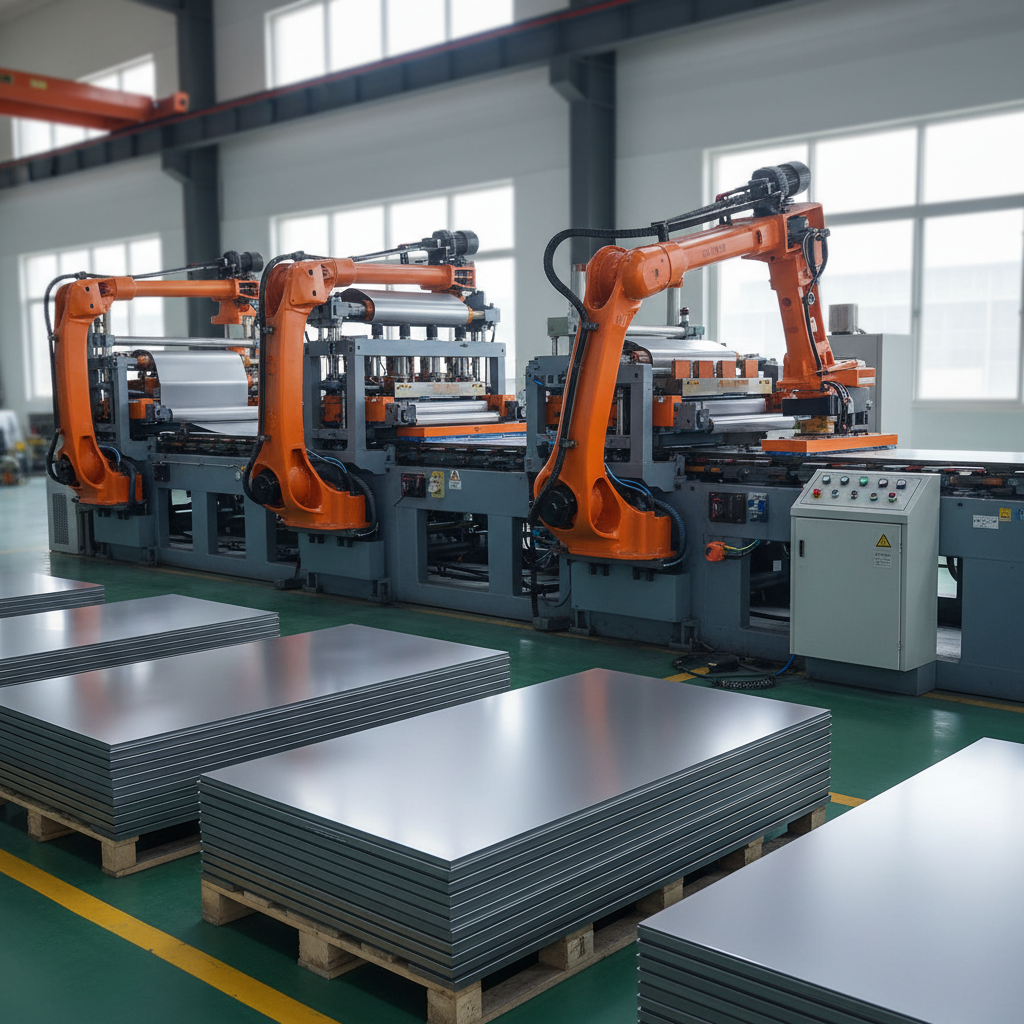
The convergence of alu panels with digital fabrication and automation is streamlining the design and construction process. Computer-aided design (CAD) and computer-aided manufacturing (CAM) technologies are enabling precise fabrication and efficient installation, reducing waste and improving project timelines.
Summary of Key Challenges and Potential Solutions for Alu Panels
| Challenge |
Impact on Alu Panels |
Potential Solution |
Implementation Level |
| Fire Safety Concerns |
Limited use in high-risk buildings |
Utilizing fire-retardant core materials |
High |
| Environmental Impact of PE Cores |
Difficulty in recycling and waste management |
Switching to mineral-filled or recycled cores |
Medium |
| Cost Variations |
Affects market competitiveness |
Optimizing manufacturing processes and sourcing |
Medium |
| UV Degradation |
Fading and discoloration over time |
Applying high-performance UV protective coatings |
High |
| Installation Expertise |
Potential for improper installation leading to failures |
Providing comprehensive training for installers |
Medium |
| Long-Term Performance Data |
Lack of extensive data on weathering and durability |
Conducting long-term field testing and performance monitoring |
Low |
FAQS
The main concern revolves around the core material. Panels with a combustible polyethylene (PE) core have been linked to rapid fire spread. However, fire-retardant (FR) mineral-filled cores significantly mitigate this risk and comply with stringent building codes. Choosing FR-cored panels is essential for ensuring fire safety, and it’s vital to verify compliance with local regulations.
alu panels often present a competitive advantage in terms of overall cost. While the initial material cost might be comparable to some traditional materials, the reduced installation time, lower maintenance needs, and extended lifespan typically result in significant long-term savings. Furthermore, their lightweight nature can lower structural support costs.
Aluminum is highly recyclable, making alu panels a sustainable material choice. The aluminum skins can be repeatedly recycled without significant loss of quality. However, the core material often presents a challenge. Increasing use of recycled aluminum and the development of eco-friendly core materials are key trends in improving the sustainability of alu panel production.
alu panels require minimal maintenance. Regular cleaning with mild soap and water is generally sufficient to maintain their appearance. Their corrosion resistance and durable coatings protect against weathering and UV damage. Depending on the finish, occasional re-coating may be needed in harsh environments to preserve the color and gloss.
With proper installation and maintenance, alu panels can have a lifespan of 30 years or more. Their durability and resistance to corrosion ensure long-term performance, even in challenging climates. The lifespan is also influenced by the quality of the materials used and the environmental conditions they are exposed to.
Yes, alu panels are well-suited for coastal environments due to the inherent corrosion resistance of aluminum. However, selecting panels with specialized coatings designed for marine environments is crucial to maximize protection against salt spray and humidity. Regular inspection and cleaning are also recommended.
Conclusion
In conclusion, alu panels represent a significant advancement in building and industrial materials. Their unique combination of durability, lightweight construction, versatility, and sustainability makes them an increasingly sought-after solution for a wide range of applications. They offer tangible benefits in terms of cost savings, reduced environmental impact, and enhanced design flexibility.
Looking ahead, continued innovation in materials and manufacturing processes will further expand the potential of alu panels. Investing in research and development, promoting sustainable practices, and ensuring compliance with stringent safety standards will be crucial for unlocking the full potential of this versatile material and solidifying its position as a leading building and industrial solution. To learn more about alu panels and their applications, visit our website: www.acmfactory.com