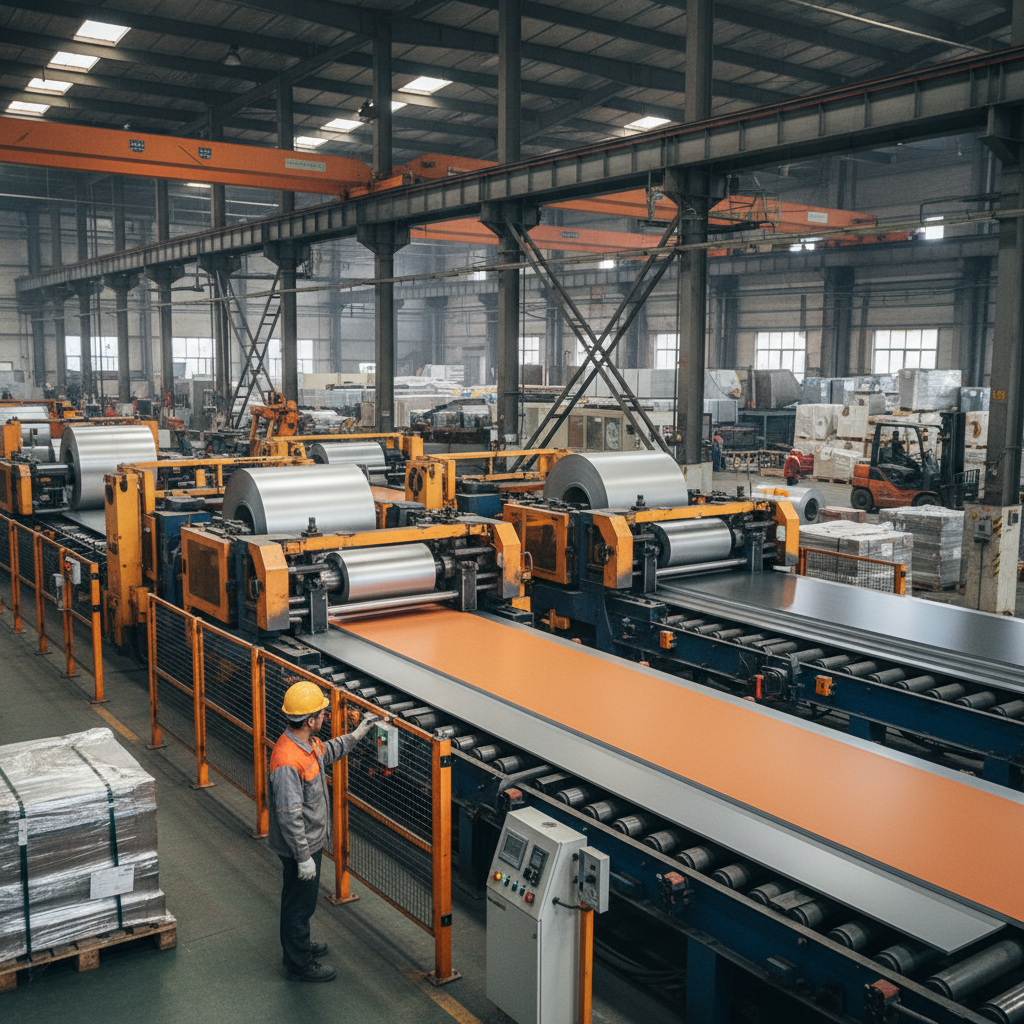
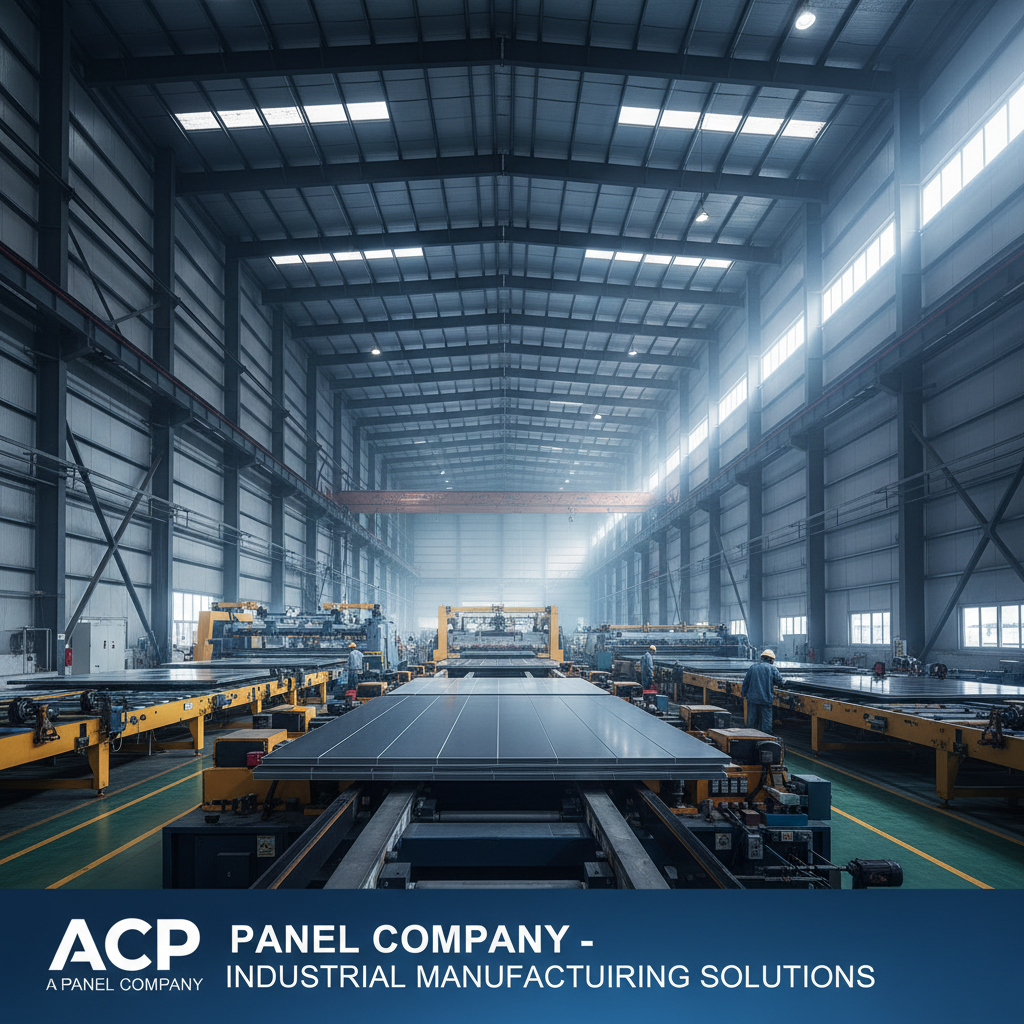
ACP sheets, or Aluminum Composite Panels, have revolutionized modern construction and design, offering a versatile and cost-effective solution for a wide range of applications. Globally, the demand for these panels is surging, driven by rapid urbanization, increasing infrastructure development, and a growing preference for aesthetically pleasing and energy-efficient building materials. The versatility of acp sheets makes them indispensable for modern architectural projects.
The increasing adoption of ACP sheets is particularly prominent in developing nations where rapid construction and cost-effectiveness are paramount. According to industry reports, the global ACP market is projected to reach significant growth in the coming years, fueled by innovation in materials and manufacturing processes. This growth isn’t just about volume; it’s about addressing critical needs in housing, commercial spaces, and industrial applications.
Understanding ACP sheets—their composition, properties, and applications—is therefore crucial for architects, engineers, contractors, and anyone involved in the building and construction industry. They offer a compelling alternative to traditional materials, providing a blend of durability, aesthetic appeal, and affordability that is increasingly sought after in today's dynamic market.
Introduction to acp sheets
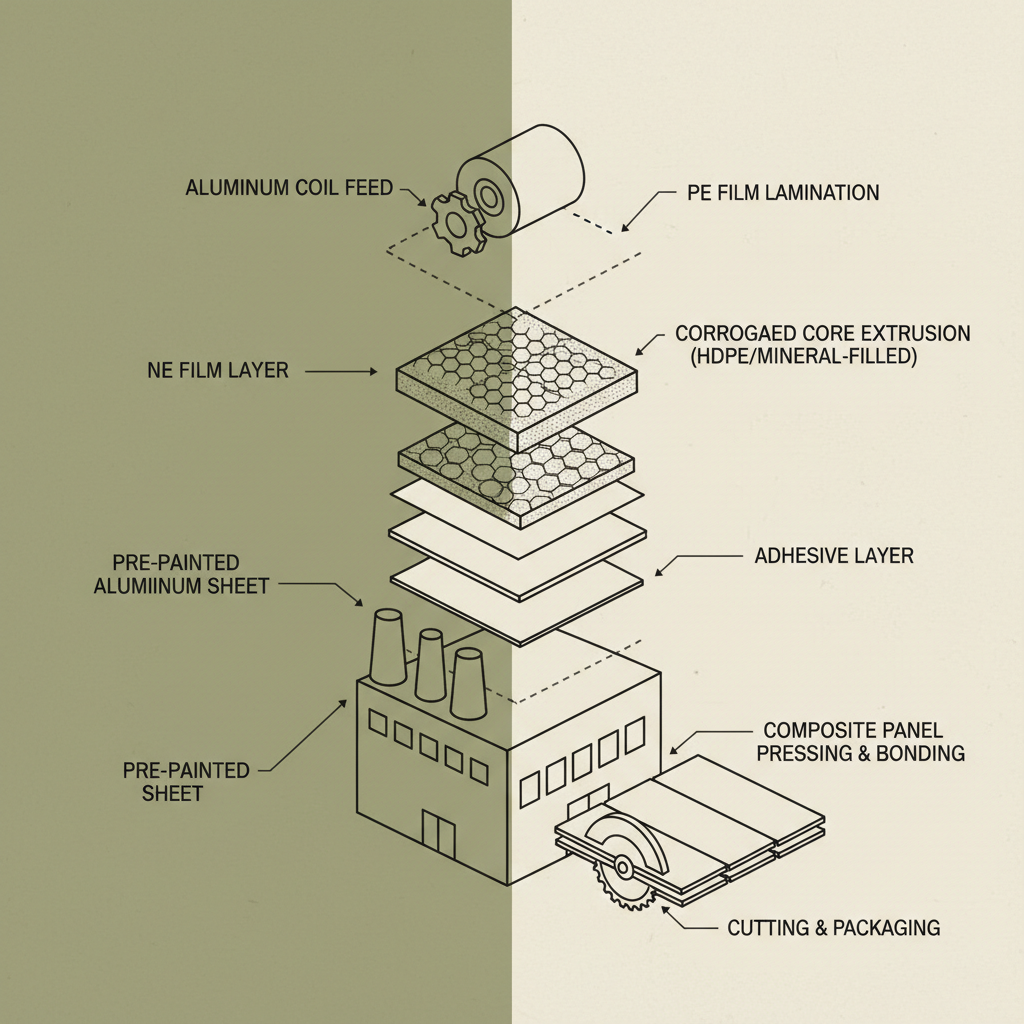
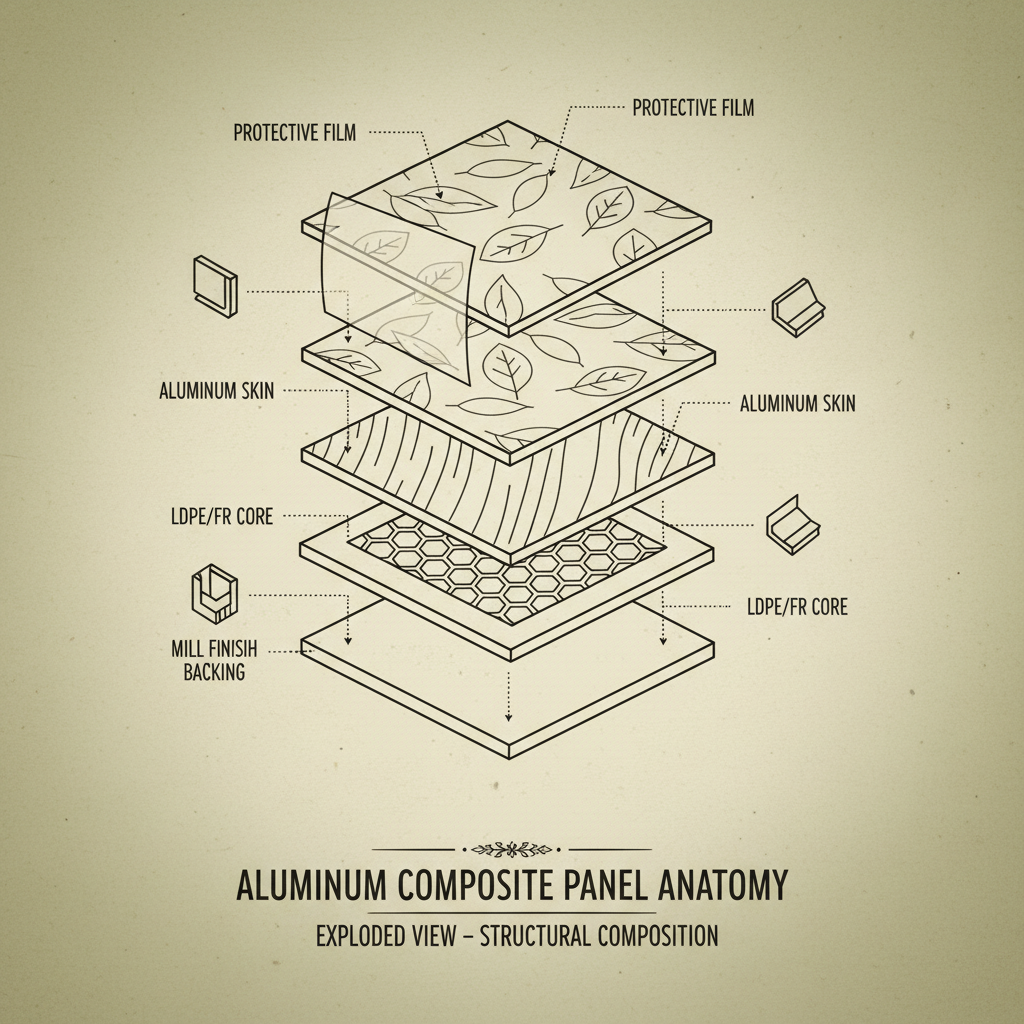
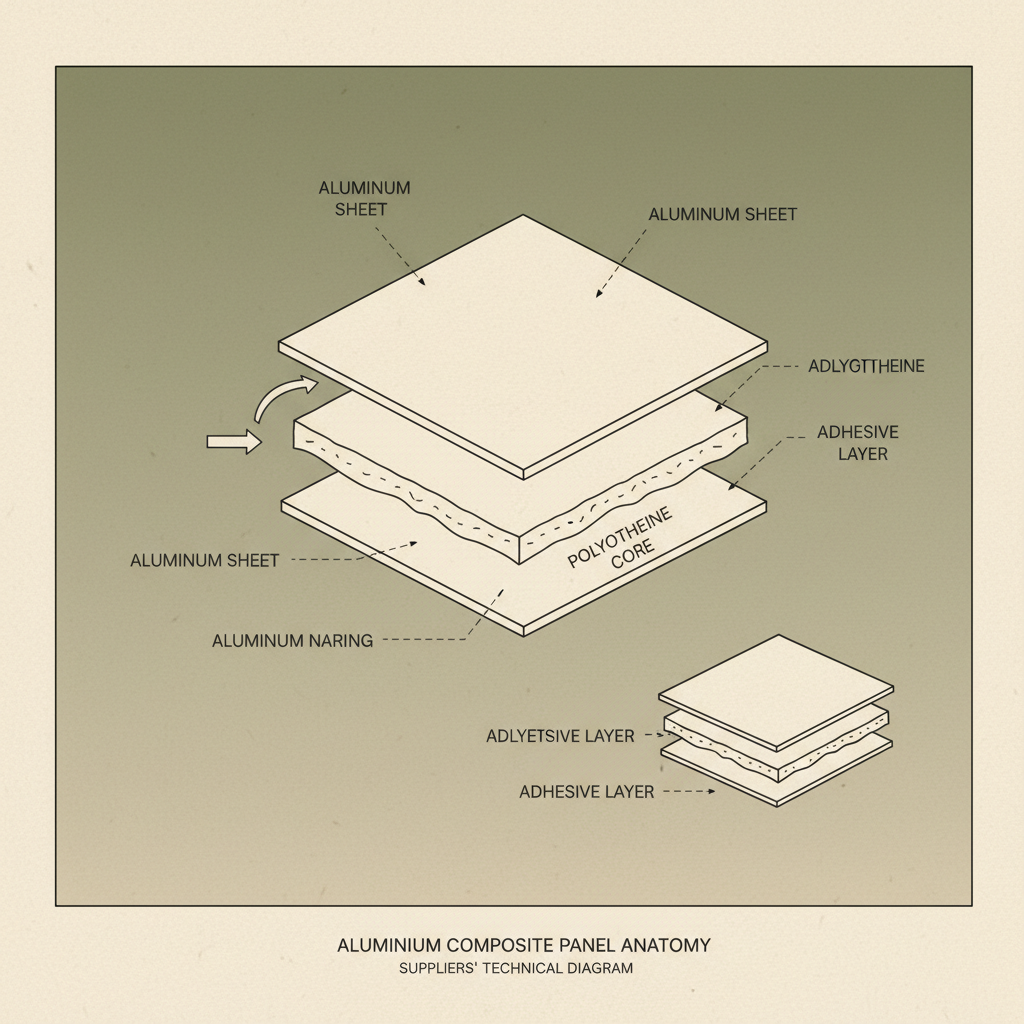
ACP sheets are composite materials made of two thin aluminum sheets bonded to a non-aluminum core. This core is typically made of polyethylene (PE), but can also be composed of fire-retardant materials like mineral-filled polymers. The resulting panel offers a remarkable strength-to-weight ratio, making it ideal for a multitude of building applications. acp sheets are a building material staple.
The beauty of ACP sheets lies in their adaptability. They can be easily cut, bent, and formed, allowing for creative and complex designs. Their smooth, even surface is also highly receptive to paints, coatings, and digital printing, providing limitless possibilities for aesthetic customization. This design flexibility distinguishes them from many traditional cladding materials.
Global Relevance of acp sheets
The demand for acp sheets is closely tied to global urbanization and infrastructure development. Rapidly growing cities in Asia, Africa, and South America are driving significant demand for cost-effective and visually appealing building materials. The United Nations projects continued urbanization, particularly in less developed regions, which will further increase the need for solutions like ACP sheets.
The construction industry is also facing increasing pressure to adopt sustainable practices. While early generations of ACP sheets had environmental concerns related to core materials, advancements in technology have led to the development of eco-friendly options, including fire-retardant and recyclable core materials. This aligns with the Sustainable Development Goals outlined by the UN, promoting responsible consumption and production.
Moreover, international standards organizations like ISO are actively working to establish and refine quality control standards for ACP sheets, ensuring safety and performance. This standardization is essential for building trust and facilitating international trade. This standardization contributes to the global acceptance of acp sheets.
Defining acp sheets
In simple terms, acp sheets are composite panels designed for exterior and interior architectural cladding, signage, and various other applications. They’re comprised of an aluminum exterior layer laminated to a core material. This layering provides a unique combination of rigidity, flexibility, and lightness, differentiating it from solid aluminum or other cladding materials.
The connection of acp sheets to modern industry is strong. They represent a shift towards lightweight construction, prefabrication, and design flexibility. In humanitarian contexts, their ease of assembly and transport make them useful for rapid deployment housing and emergency shelters.
They also play a crucial role in branding and advertising, utilized extensively for signage and storefront facades. This multifaceted utility solidifies acp sheets as an essential component of the modern built environment.
Key Properties of acp sheets
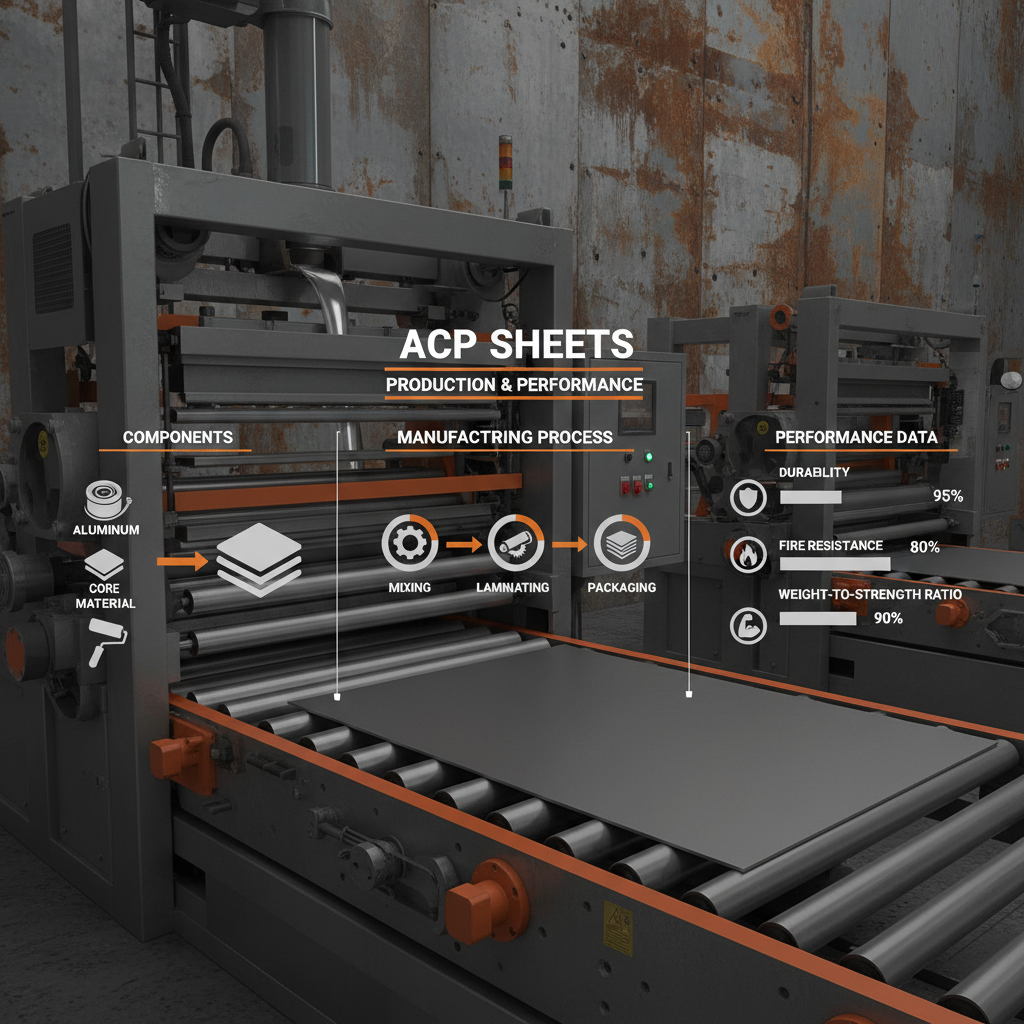
One of the most significant properties of acp sheets is their durability. The aluminum skin provides excellent resistance to weather, corrosion, and UV radiation, ensuring a long service life with minimal maintenance. This durability makes them suitable for even the harshest climates.
Lightweight nature is another key advantage. ACP sheets are considerably lighter than traditional cladding materials like concrete or brick, reducing structural load and simplifying installation. This reduced weight translates to cost savings in construction.
ACP Sheets Performance Metrics
Applications of acp sheets
ACP sheets are extensively used in architectural cladding for both commercial and residential buildings. They provide a modern, sleek appearance and are available in a vast array of colors and finishes. From high-rise office towers to shopping malls and private homes, ACP sheets are transforming the urban landscape.
They’re also crucial in the signage industry, utilized for creating eye-catching billboards, storefront signs, and corporate branding displays. Their flat, smooth surface is perfect for digital printing and allows for vibrant, long-lasting graphics. In post-disaster relief operations, lightweight and quickly assembled shelters built with acp sheets provide immediate housing solutions.
Advantages of acp sheets
The cost-effectiveness of ACP sheets is a major draw. Compared to traditional cladding materials, ACP sheets offer significant savings in both material costs and installation labor. This makes them an attractive option for developers and builders looking to maximize their budgets.
Their sustainability is also gaining prominence. The development of recyclable core materials and low-VOC coatings minimizes their environmental impact. The durability of ACP sheets also contributes to sustainability by reducing the need for frequent replacements, lowering long-term lifecycle costs and waste generation.
Future Trends in acp sheets
The future of acp sheets is intertwined with advancements in materials science and manufacturing technology. We’re seeing increased research and development into bio-based and fully recyclable core materials, reducing reliance on petroleum-based products. This commitment to sustainability is a key driver of innovation.
Digital printing technologies are also evolving, enabling more complex and realistic designs on ACP surfaces. Integration with Building Information Modeling (BIM) software is streamlining the design and construction process, allowing for greater precision and efficiency.
Smart ACP sheets incorporating sensors and energy-generating materials are also on the horizon. These advancements promise to transform buildings into intelligent, self-sustaining structures, further solidifying the role of acp sheets in the future of construction.
FAQS
Fire safety is paramount when considering acp sheets. Modern ACP sheets utilize fire-retardant (FR) core materials, significantly reducing their flammability. Always verify that the sheets meet local building codes and regulations regarding fire resistance. Look for sheets certified by reputable testing organizations and consider their flame spread and smoke development ratings.
ACP sheets boast an impressive lifespan in outdoor applications, typically ranging from 20 to 30 years, and even longer with proper maintenance. Their aluminum skin provides excellent resistance to corrosion, UV radiation, and weathering. Regular cleaning and occasional recoating can further extend their lifespan and maintain their aesthetic appeal. It is also important to pick panels certified for UV resistance.
The environmental impact of ACP sheets is evolving. Early versions utilized polyethylene cores with sustainability concerns, but modern sheets increasingly incorporate recyclable cores and low-VOC coatings. Choosing FR-grade sheets with a high recycled content can minimize the environmental footprint. Their durability also reduces the need for frequent replacement, contributing to sustainability.
ACP sheet installation generally involves a framing system, typically made of aluminum, to which the panels are attached using mechanical fasteners or adhesives. Precise cutting and forming are essential for a clean and seamless finish. Professional installation is recommended to ensure structural integrity and weather-tightness. Proper substrate preparation is also critical for adhesion.
ACP sheets offer a remarkable range of finishes and colors. They can be painted, coated with PVDF (polyvinylidene fluoride) for superior weather resistance, or finished with anodized aluminum. Digital printing allows for custom designs and photographic imagery. The possibilities are virtually limitless, offering architects and designers unparalleled creative freedom.
ACP sheets generally offer a cost-effective solution compared to many traditional cladding materials like stone, brick, or solid aluminum. While the initial material cost may be comparable, the lighter weight and ease of installation of ACP sheets often result in significant savings in labor and structural support. They provide a high-quality aesthetic at a competitive price point.
Conclusion
In conclusion, acp sheets have become an indispensable material in modern construction, offering a unique combination of durability, versatility, cost-effectiveness, and aesthetic appeal. Their global relevance is fueled by urbanization, infrastructure development, and a growing demand for sustainable building solutions. From architectural cladding to signage and emergency shelters, their applications are diverse and impactful.
Looking ahead, continued innovation in materials and manufacturing processes will further enhance the performance and sustainability of acp sheets. Embracing these advancements is crucial for architects, engineers, and builders seeking to create a more resilient, efficient, and aesthetically pleasing built environment. Explore the possibilities today at acmfactory.com.