In the evolving landscape of modern architecture, acp aluminium absorbs a pivotal role as a versatile cladding solution that balances aesthetic flexibility with structural integrity. As cities strive for more sustainable and visually striking skylines, the demand for high-performance composite materials has surged, making the understanding of these panels essential for architects and contractors alike.
Globally, the shift toward lightweight yet durable building materials is driven by the need to reduce dead loads on structures and accelerate construction timelines. The integration of acp aluminium provides a seamless blend of metal's strength and polymer's versatility, addressing the critical challenge of maintaining facade longevity in harsh environmental conditions.
By leveraging advanced coating technologies and core compositions, these panels offer a comprehensive answer to the dual requirements of energy efficiency and fire safety. Whether utilized in high-rise commercial complexes or intricate interior designs, the strategic application of this material ensures a sophisticated finish that withstands the test of time and weather.
The Fundamental Composition of ACP Aluminium
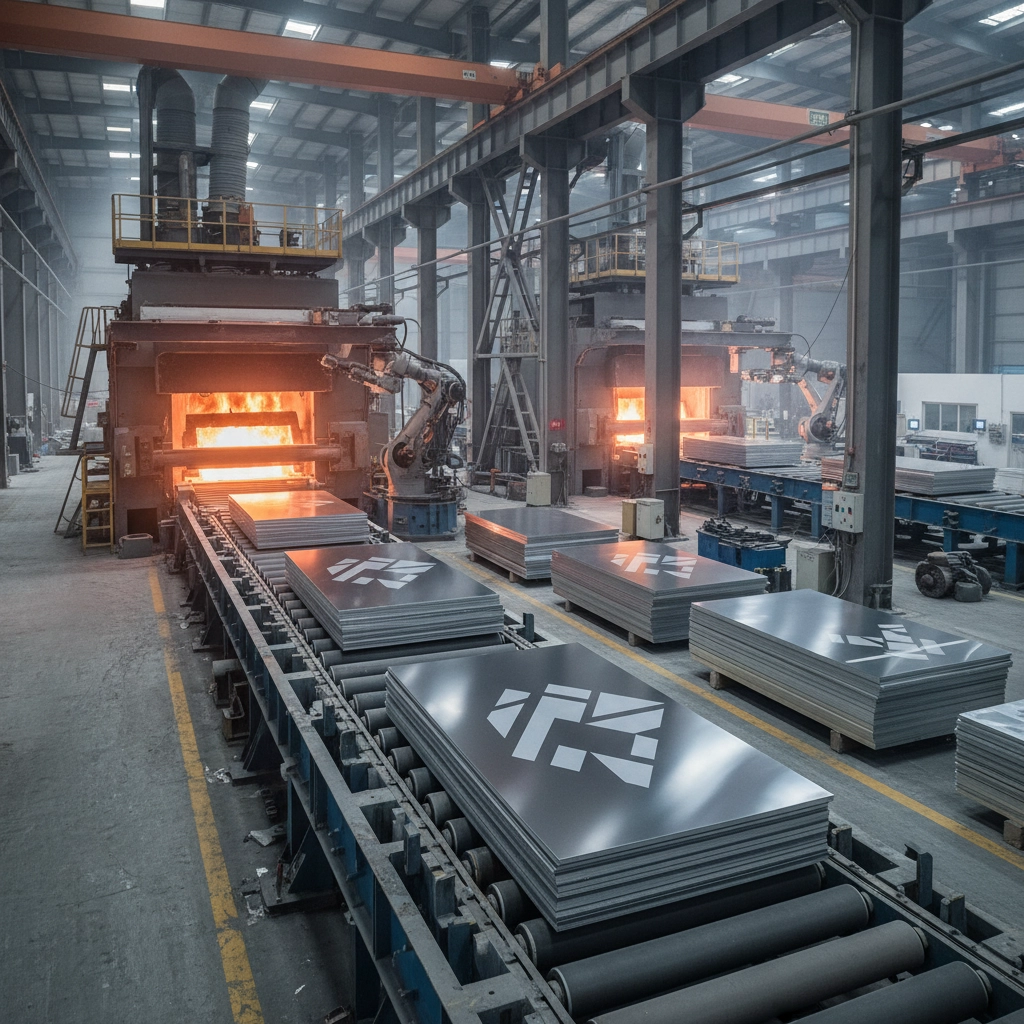
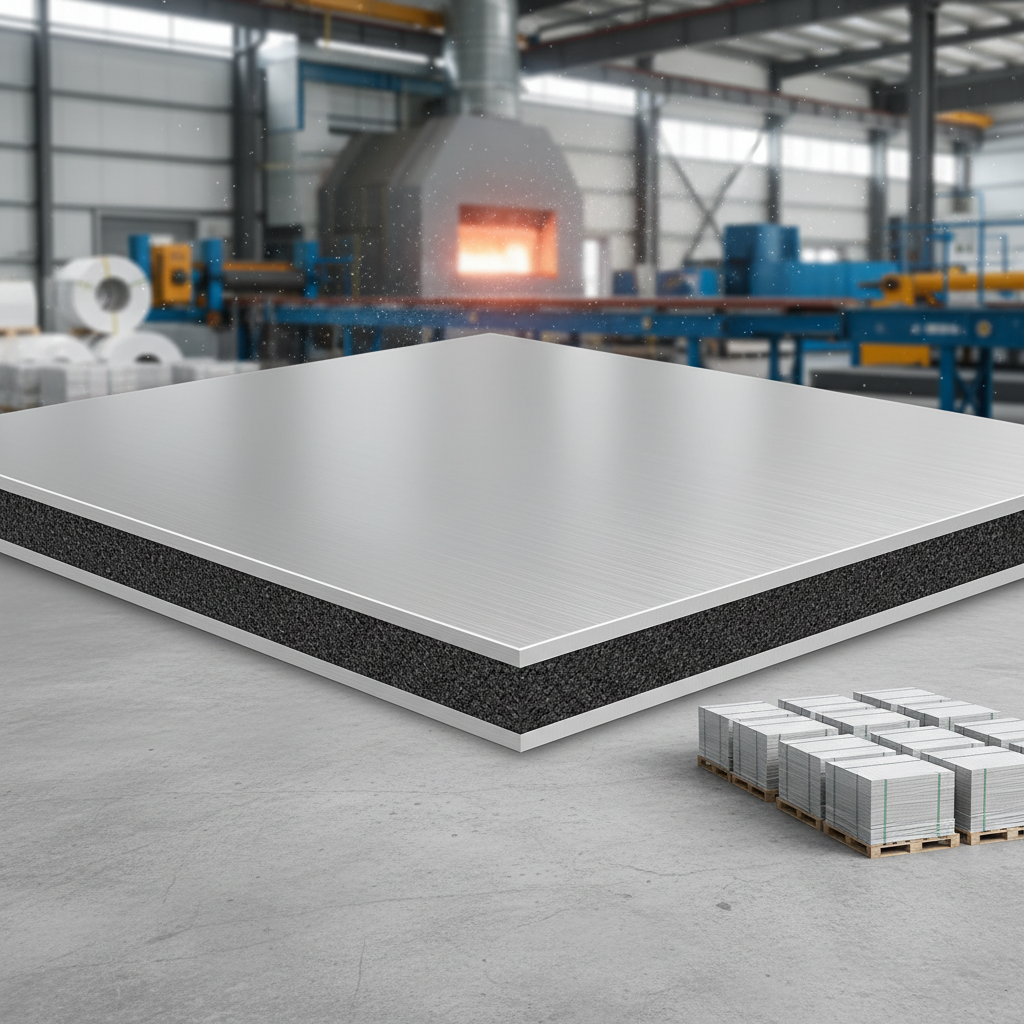
At its core, acp aluminium is a sandwich panel consisting of two thin coils of aluminium bonded to a non-aluminium core. This composite structure is engineered to provide the rigidity of a thick metal sheet while maintaining a fraction of the weight, making it an ideal choice for large-scale facade projects where structural load is a primary concern.
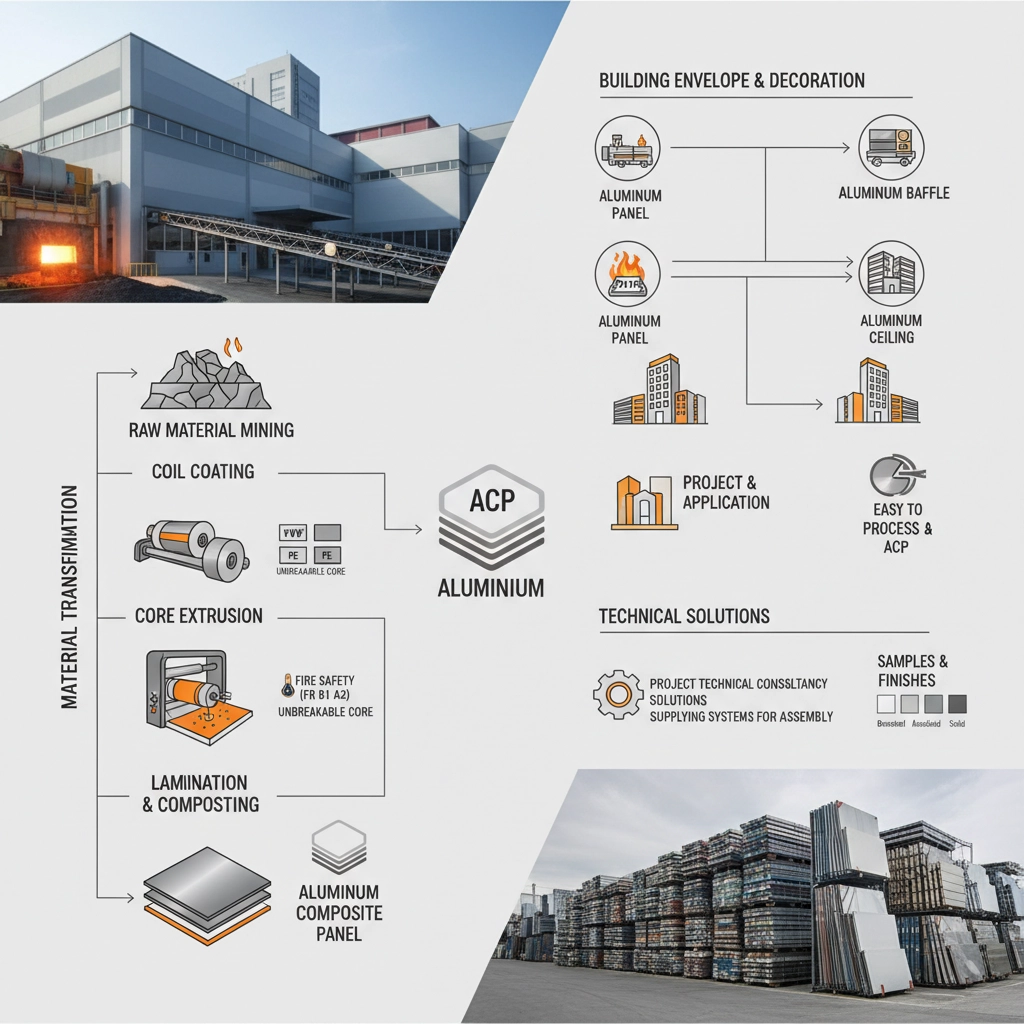
The versatility of these panels stems from the variety of core materials available, ranging from standard polyethylene (PE) for interior signage to advanced mineral-filled fire-retardant (FR) or non-combustible (A2) cores. This allows designers to tailor the material's properties to specific safety codes and environmental requirements without compromising the external aesthetic.
Global Industrial Relevance and Standards
The global adoption of acp aluminium is mirrored in the stringent international standards set by organizations such as ISO and ASTM. As urbanization accelerates in regions like Asia-Pacific and the Middle East, the reliance on standardized composite panels has grown to ensure consistent quality, weather resistance, and structural safety across diverse climates.
One of the most significant drivers of its industrial relevance is the ability to meet rigorous fire safety regulations. Following global safety audits, the industry has pivoted toward "Fire Safety (FR B1 A2) ACP," ensuring that building envelopes do not contribute to the spread of flames. This transition highlights the material's evolution from a purely decorative element to a critical component of life-safety engineering.
Furthermore, the integration of PVDF (Polyvinylidene Fluoride) coatings has set a global benchmark for color retention and UV resistance. This ensures that skyscrapers and industrial plants maintain their professional appearance for decades, significantly reducing the lifecycle maintenance costs for property owners and municipal governments.
Core Performance Factors and Durability
The durability of acp aluminium is primarily dictated by its resistance to corrosion and mechanical stress. Because aluminium naturally forms a protective oxide layer, these panels are exceptionally well-suited for coastal environments where salt spray would quickly degrade traditional steel or wood cladding.
A key performance factor is the "Unbreakable Core" technology, which prevents delamination under extreme temperature fluctuations. By ensuring a high-strength bond between the aluminium skins and the core, acp aluminium maintains its flatness and structural integrity even when exposed to intense direct sunlight and freezing winters.
Moreover, the ease of processing—including folding, routing, and curving—allows for complex geometric shapes that do not sacrifice strength. This flexibility ensures that the material can be adapted to the most avant-garde architectural designs while maintaining a consistent protective barrier against the elements.
Comparative Efficiency in Modern Construction
When comparing acp aluminium to traditional materials like solid stone or heavy steel plates, the efficiency gains are substantial. The lightweight nature of composite panels reduces the requirement for heavy-duty support framing, which in turn lowers the total carbon footprint of the building's skeleton.
Installation speed is another critical advantage. The modular nature of these panels allows for rapid on-site assembly, often reducing facade completion times by 30-50% compared to traditional masonry. This acceleration is vital for commercial projects where early occupancy translates directly into faster revenue generation.
Performance Comparison of ACP Aluminium Variants
Diverse Global Applications and Use Cases
The application of acp aluminium extends far beyond simple exterior walls. In high-traffic urban centers, it is frequently used for Aluminum Baffle Ceilings in airports and subway stations, providing an acoustic-friendly and moisture-resistant finish that is easy to clean and maintain over decades of use.
In industrial zones and remote infrastructure projects, these panels are utilized for modular housing and rapid-deployment shelters. Because they offer excellent thermal insulation and are easy to transport, they provide dignity and safety in post-disaster relief operations or in extreme climates where traditional building materials are unavailable or impractical.
Long-term Value and Sustainability Benefits
From a financial perspective, acp aluminium offers an exceptional return on investment through reduced maintenance and increased energy efficiency. By acting as a rainscreen, these panels protect the primary building structure from water infiltration, effectively extending the overall lifespan of the edifice.
Sustainability is another cornerstone of its value. Aluminium is one of the most recyclable materials on earth; nearly 75% of all aluminium ever produced is still in use today. By choosing composite panels made from recyclable alloys, developers can achieve LEED or BREEAM certifications, aligning their projects with global green building initiatives.
Moreover, the ability to specify low-VOC (Volatile Organic Compound) coatings ensures that the indoor air quality of the buildings is maintained, promoting a healthier environment for occupants while reducing the environmental impact during the manufacturing process.
Future Innovations in Composite Technology
The future of acp aluminium is being shaped by the intersection of material science and digital fabrication. We are seeing the rise of "smart panels" that integrate photovoltaic cells directly into the cladding, transforming the entire facade of a building into a vertical power plant that generates clean energy.
Automation and BIM (Building Information Modeling) are also revolutionizing the delivery process. The "15-Step Engineering Order Process" allows for millimetric precision in panel fabrication, ensuring that every piece of acp aluminium fits perfectly upon arrival, virtually eliminating on-site waste and reducing installation errors.
Furthermore, research into bio-based polymer cores is promising a future where composite panels are not only recyclable but partially biodegradable, further pushing the boundaries of circular economy principles in the construction industry.
Core Analysis of ACP Aluminium Technical Specifications
|
Panel Type
|
Fire Rating
|
Primary Application
|
Durability Score (1-10)
|
| PVDF ACP |
B1/B2 |
Exterior Facades |
9 |
| FR ACP |
B1 |
Commercial High-rises |
8 |
| Non-combustible A2 |
A2 |
Hospital/Government |
10 |
| PE Interior |
B3 |
Signage/Interior |
7 |
| Anodised ACP |
B1 |
Industrial Interiors |
9 |
| Unbreakable Core |
B1/A2 |
Extreme Climates |
10 |
FAQS
ACP aluminium provides a significantly higher strength-to-weight ratio. While solid sheets can be heavy and prone to warping over large spans, the composite core adds rigidity and flatness without adding substantial mass. This results in lower structural costs and easier installation while maintaining the same premium aesthetic.
Yes, provided you use FR (Fire Retardant) or A2 (Non-combustible) rated panels. These cores are engineered with mineral fillers that inhibit the spread of flame and smoke. It is critical to verify that the panels meet local building codes (such as NFPA or EN standards) to ensure maximum safety in high-occupancy structures.
With high-quality PVDF coatings, an ACP aluminium facade can easily last 20 to 30 years without significant fading or degradation. Regular cleaning and proper installation to prevent water trapping can extend this lifespan even further, making it one of the most cost-effective long-term cladding solutions available.
Absolutely. One of the strongest advantages of ACP aluminium is its "easy to process" nature. Through a process of routing (grooving) the core, the panels can be bent and folded into precise radii, allowing architects to create smooth, curved interior walls and ceilings that are structurally sound.
PVDF is a high-performance fluoropolymer coating designed for exterior use, offering superior UV resistance and weatherability. PE (Polyethylene) coating is more cost-effective and offers a wider range of colors but is intended for interior applications as it degrades under direct sunlight.
Yes, because aluminium is infinitely recyclable. Most ACP manufacturers are moving toward using recycled aluminium coils and low-emission cores. By reducing the need for frequent replacements and providing thermal insulation that lowers building energy costs, ACP aluminium supports a more sustainable architectural lifecycle.
Conclusion
In summary, acp aluminium stands as a cornerstone of modern architectural engineering, blending the durability of metal with the adaptability of composite cores. From its critical role in fire safety and structural efficiency to its contribution to sustainable urban development, the material provides an unmatched balance of performance and aesthetics for both interior and exterior applications.
As we look toward the future, the integration of smart technology and circular economy principles will further elevate the utility of these panels. For developers and architects seeking to combine innovation with reliability, investing in high-grade composite solutions is the most strategic path to achieving enduring architectural excellence. Visit our website: www.acmfactory.com