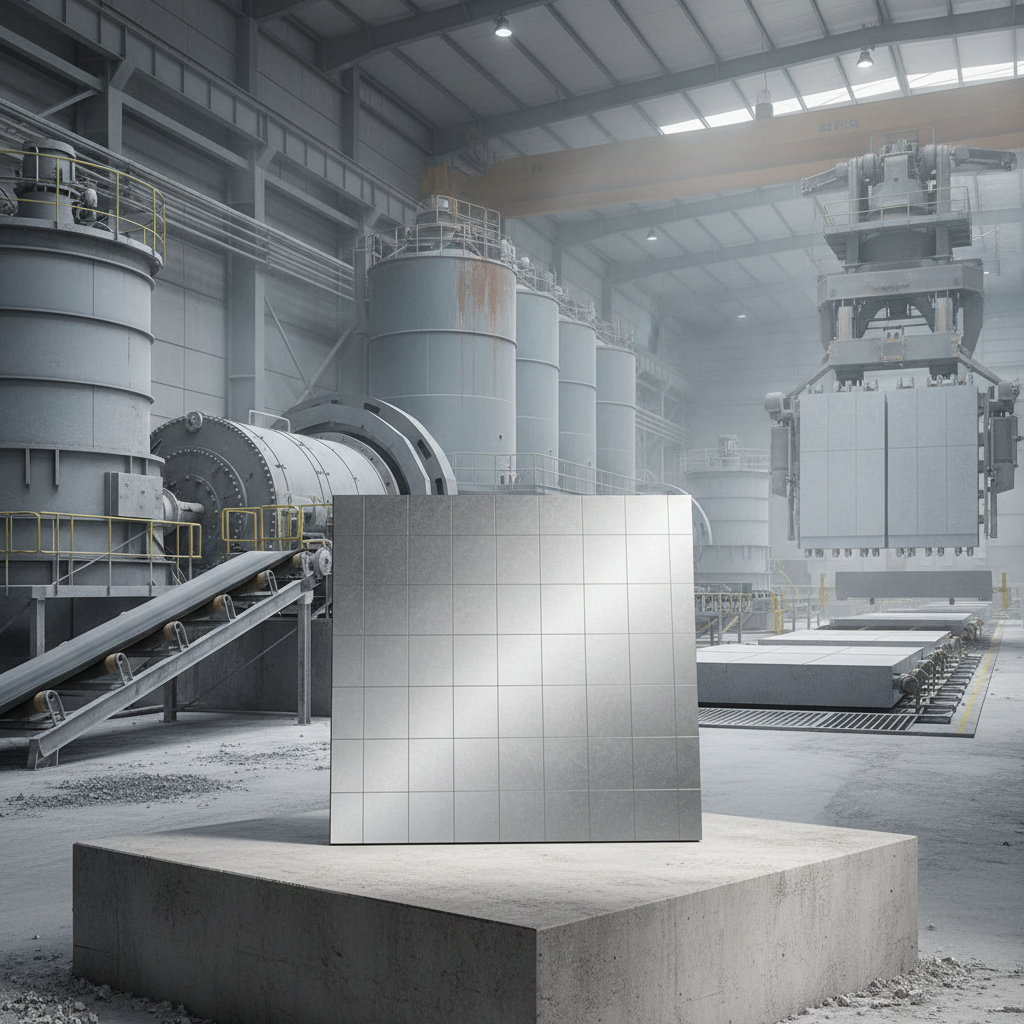
The modern architectural landscape has been fundamentally transformed by the emergence of the acp aluminium composite panel, a material that marries the sleek aesthetics of aluminum with the structural versatility of a composite core. As urban centers expand globally, the demand for cladding solutions that offer both rapid installation and long-term weather resistance has made these panels a cornerstone of contemporary commercial and industrial design.
Beyond mere aesthetics, the adoption of an acp aluminium composite panel addresses critical engineering challenges, such as reducing the dead load on building structures while maintaining a high degree of rigidity. This efficiency allows architects to push the boundaries of geometric design, creating fluid, curved facades that would be prohibitively expensive or structurally impossible with traditional solid metal sheets or masonry.
Understanding the technical nuances of these panels—from the chemical composition of the PVDF coatings to the fire-retardant properties of the core—is essential for ensuring safety and longevity in any construction project. By integrating advanced materials science with practical fabrication techniques, the industry continues to evolve, offering sustainable and high-performance alternatives for the global building envelope market.
Global Context of ACP Aluminium Composite Panel
On a global scale, the construction industry is shifting toward "light-weighting" to reduce carbon footprints and accelerate project timelines. The acp aluminium composite panel has become an indispensable tool in this transition, particularly in rapidly urbanizing regions across Asia and the Middle East, where extreme weather conditions demand materials that can withstand intense UV radiation and thermal expansion.
Industry data aligned with ISO standards suggests that the adoption of composite cladding has significantly reduced the energy costs associated with transporting heavy building materials. By replacing heavy stone or thick steel plates with an engineered composite, developers are achieving a balance between opulent visual appeal and lean operational logistics.
Defining the ACP Aluminium Composite Panel Structure
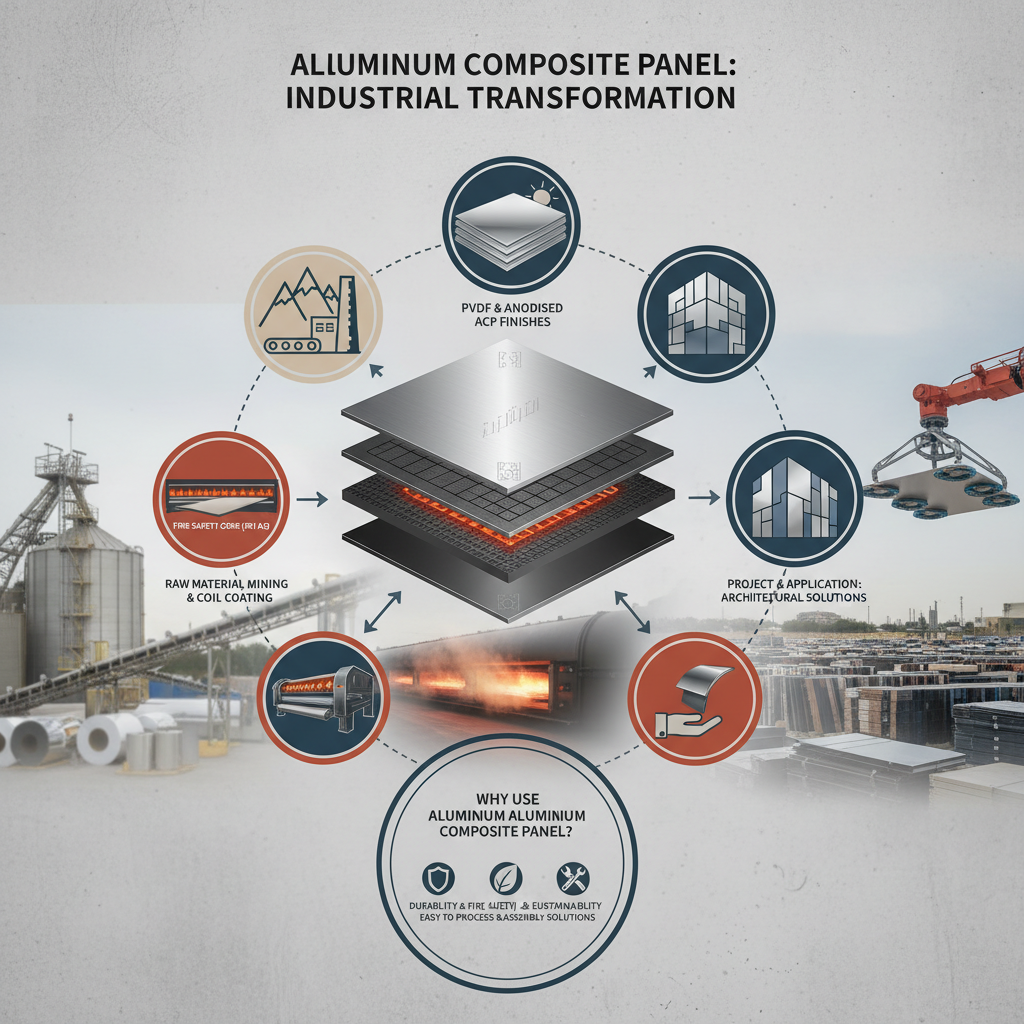
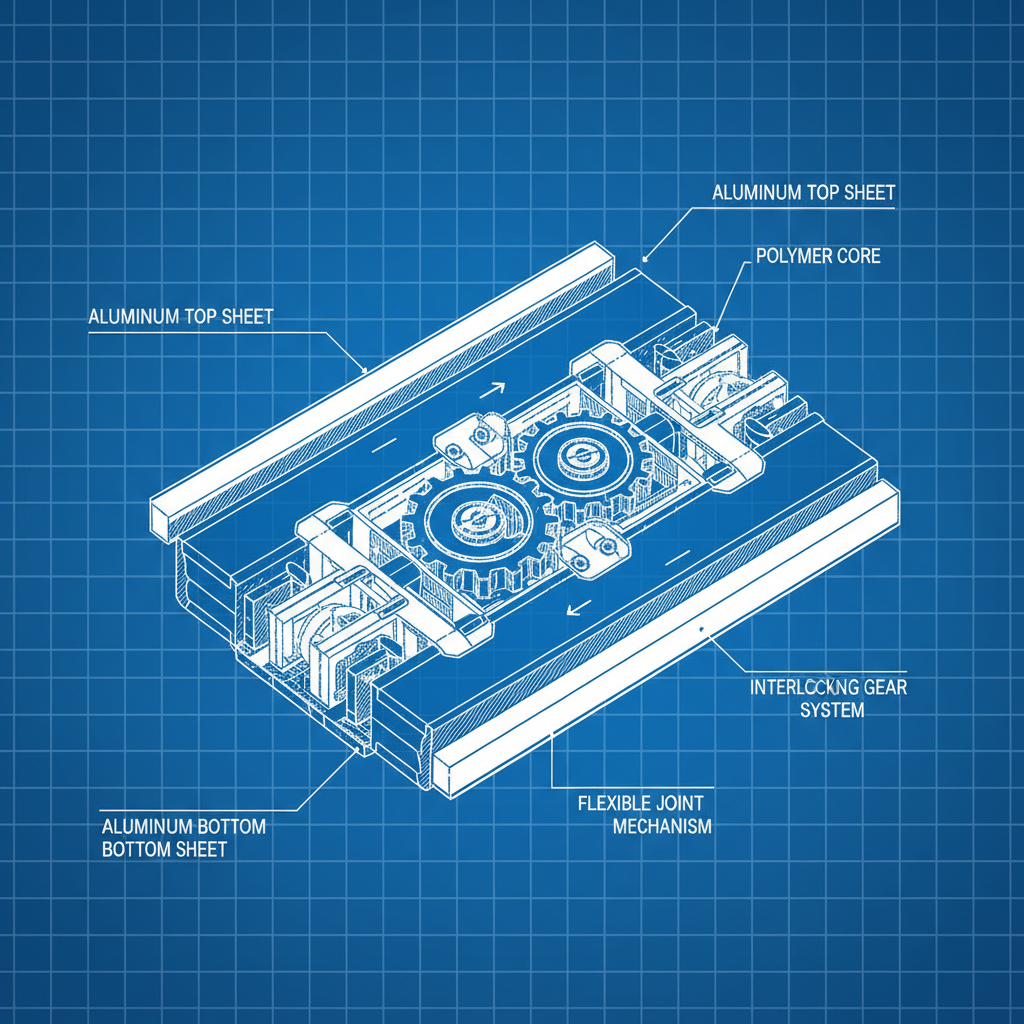
In simple terms, an acp aluminium composite panel is a sandwich-style material consisting of two thin coils of aluminium bonded to a non-aluminium core. This architecture is designed to provide the flatness and strength of a much thicker piece of metal without the corresponding weight, creating a rigid yet malleable sheet that can be folded, routed, and curved.
The connection to modern industry lies in its versatility; it serves as a bridge between raw industrial metallurgy and architectural art. Whether used for a corporate headquarters' facade or a simple interior partition, the panel provides a consistent, factory-finished surface that eliminates the need for on-site painting or extensive finishing work.
From a humanitarian and urban planning perspective, these panels allow for the rapid deployment of modular housing and temporary medical facilities. Their ease of fabrication means that high-quality, weather-proof shells can be erected in a fraction of the time required for traditional construction, making them vital for disaster-relief infrastructure.
Core Technical Components for Performance
Durability is the primary driver for selecting an acp aluminium composite panel. The outer layers are typically treated with PVDF (Polyvinylidene Fluoride) or PE (Polyethylene) coatings, which act as a shield against atmospheric pollutants and corrosion, ensuring the facade remains vibrant for decades.
Fire safety is perhaps the most critical technical component. Modern acp aluminium composite panel options now include FR (Fire Retardant) and A2 (Non-combustible) cores, which are engineered to prevent the spread of flames, meeting the strictest international building codes like NFPA 285 or EN 13501-1.
Cost-efficiency and scalability are achieved through the panel's high strength-to-weight ratio. This allows for the use of lighter support structures and faster installation cycles, directly reducing labor costs and project overhead while maintaining a premium architectural finish.
Global Applications and Use Cases
The practical application of the acp aluminium composite panel spans across diverse sectors. In the commercial realm, it is the gold standard for airport terminals, shopping malls, and corporate plazas, where a seamless, professional look is required. In the industrial sector, these panels are used for clean-room walling and machinery enclosures due to their hygienic, non-porous surfaces.
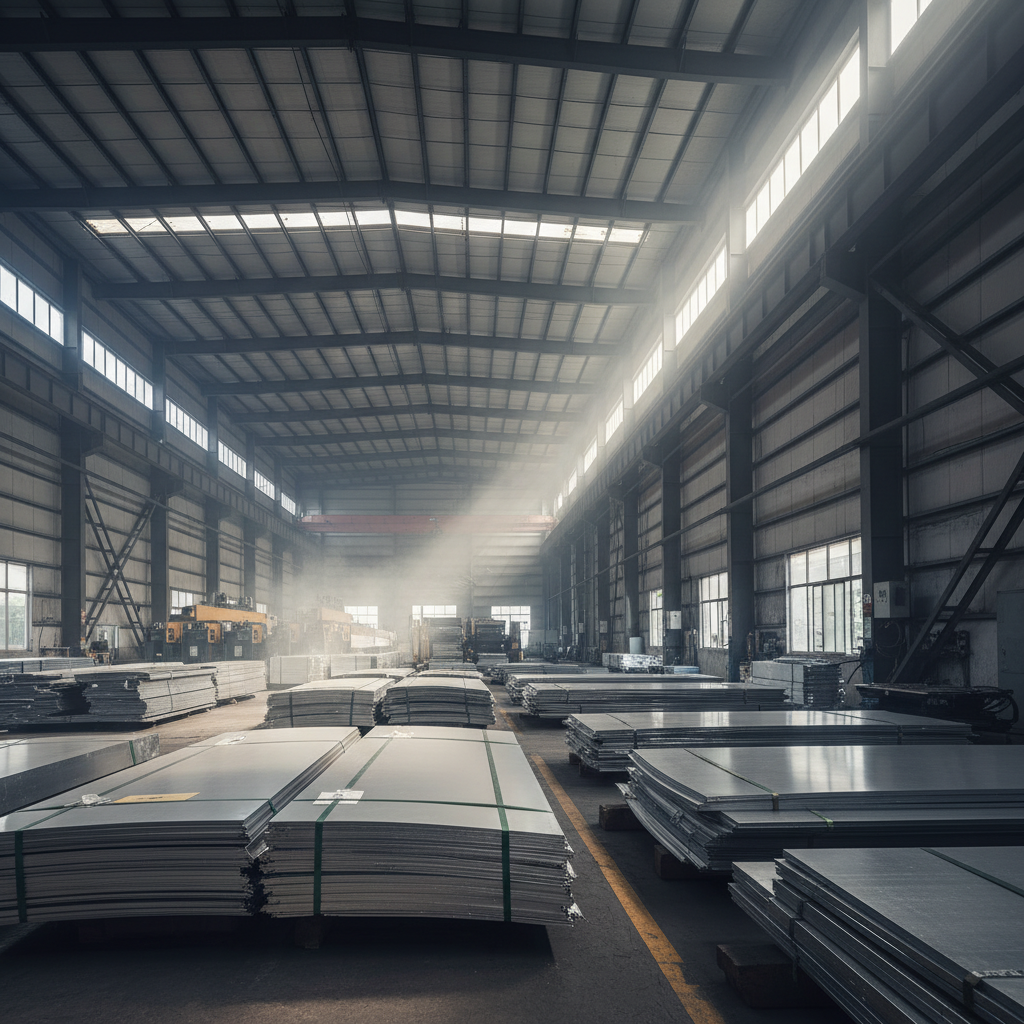
In challenging environments, such as coastal regions of Southeast Asia or the arid deserts of the Gulf, the corrosion-resistant properties of the aluminium skins ensure that buildings do not degrade under salt-spray or extreme heat. Furthermore, in remote industrial zones, the ability to pre-fabricate panels in a factory and ship them for simple assembly on-site drastically reduces the logistical burden of construction.
ACP Aluminium Composite Panel Performance Analysis
Long-Term Value and Sustainability
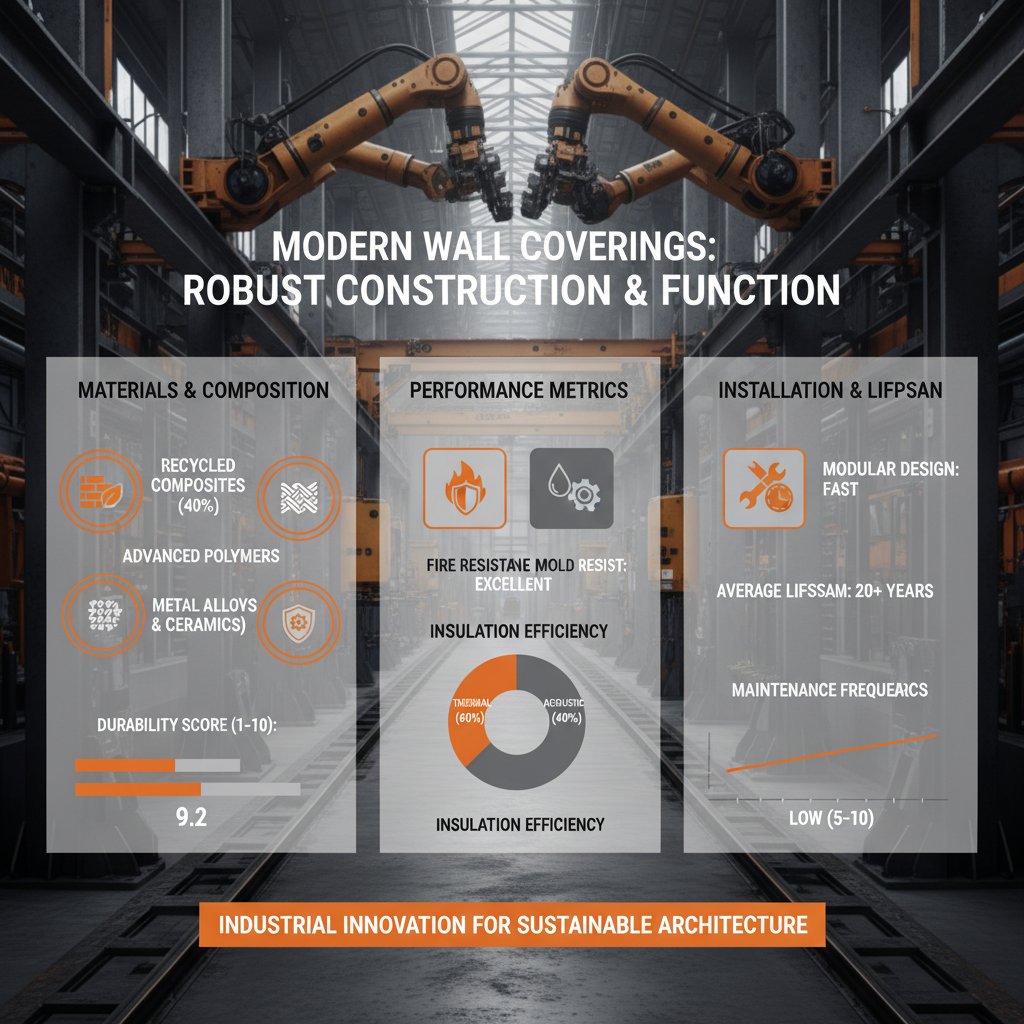
The long-term value of investing in a high-quality acp aluminium composite panel extends beyond the initial installation. From a financial perspective, the low maintenance requirements—often requiring nothing more than a simple wash with water—significantly reduce the lifecycle cost of building ownership.
Sustainability is another key pillar. Aluminium is infinitely recyclable without losing its properties, and many modern cores are being developed from eco-friendly, mineral-filled polymers. This alignment with "Green Building" certifications (such as LEED or BREEAM) ensures that using these panels contributes to a more sustainable urban future, reducing waste and enhancing energy efficiency through integrated thermal breaks.
Future Trends in Panel Engineering
The future of the acp aluminium composite panel is being shaped by digital transformation. We are seeing the rise of BIM (Building Information Modeling) integrated panels, where each sheet is laser-cut with precision based on a 3D digital twin of the building. This reduces material waste to nearly zero and ensures perfect fitment on the most complex curvatures.
Furthermore, the integration of "smart" coatings is on the horizon. Innovations include self-cleaning photocatalytic surfaces that break down organic pollutants using sunlight, and thermochromic finishes that change color based on temperature to regulate the building's internal heat gain, further reducing HVAC energy consumption.
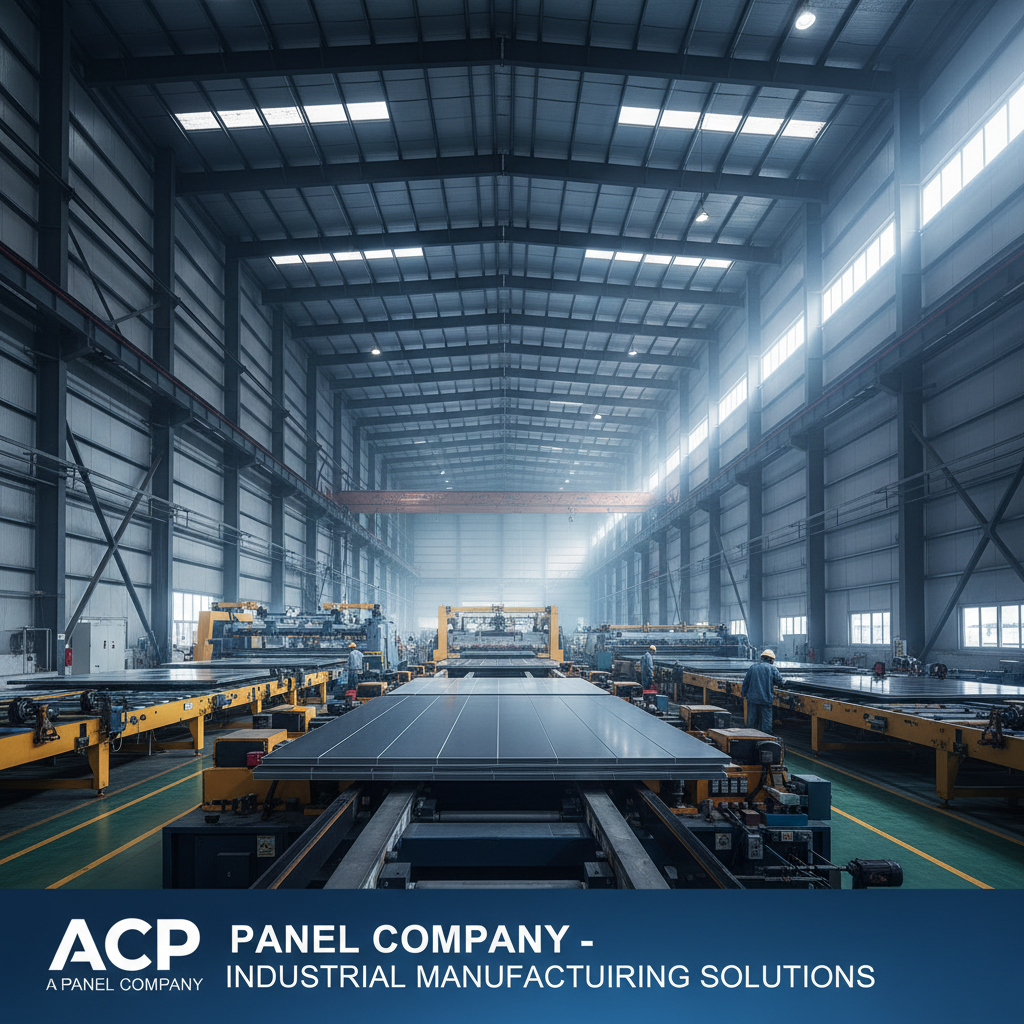
Automation in the manufacturing process is also increasing consistency. Robotic bonding and precision coating lines ensure that every square millimeter of the panel meets exact thickness and adhesion specifications, eliminating the human error that previously led to delamination or coating failure in harsh environments.
Overcoming Industry Challenges
Despite its advantages, the industry has faced challenges, most notably regarding fire safety in older PE-core installations. The solution has been a rigorous global shift toward A2 non-combustible and FR cores. By implementing strict certification processes and transparent labeling, manufacturers have restored trust and ensured that the acp aluminium composite panel remains a safe choice for high-rise construction.
Another common limitation is the potential for "oil canning" or surface waviness. Expert insights suggest that this can be overcome through improved substructure engineering and the use of specialized routing techniques that allow the panel to "breathe" during thermal expansion, ensuring a perfectly flat surface regardless of temperature swings.
To further enhance reliability, the industry is moving toward a holistic "Systems Approach." Rather than selling just the panel, providers are offering full technical consultancy, including the supplying systems for assembly and a 15-step engineering order process to ensure the material is matched perfectly to the project's specific environmental stresses.
Comparative Analysis of ACP Core Types and Performance
| Core Material |
Fire Rating |
Durability Score |
Typical Application |
| Polyethylene (PE) |
Combustible |
7/10 |
Interior Signage |
| Fire Retardant (FR) |
B1 Class |
9/10 |
Commercial Facades |
| Mineral Core (A2) |
Non-combustible |
10/10 |
High-rise Buildings |
| Unbreakable Core |
Variable |
10/10 |
High-impact Zones |
| Honeycomb Core |
Non-combustible |
8/10 |
Aerospace/Specialty |
| Recycled Polycore |
B2 Class |
6/10 |
Eco-friendly Interiors |
FAQS
The primary advantage is the strength-to-weight ratio. A composite panel provides superior flatness and rigidity without the immense weight of a solid sheet. This makes it easier to transport, faster to install, and significantly more cost-effective while offering a similar high-end aesthetic.
Depending on the coating used, a high-quality PVDF-coated panel can last 20 to 30 years with minimal degradation. The aluminium skins provide natural corrosion resistance, and the high-grade paint prevents UV fading, making it a durable long-term investment for building owners.
Yes, provided that the A2 non-combustible or FR-rated cores are used. Modern safety standards mandate the use of mineral-filled cores in high-rise applications to prevent the vertical spread of fire, ensuring full compliance with international safety codes.
Absolutely. Through a process called routing, the core of the panel can be partially removed, allowing the aluminium skins to bend. This enables architects to create cylindrical columns, curved corners, and intricate geometric 3D shapes with ease.
Maintenance is remarkably simple. For most installations, periodic cleaning with mild soap and water is sufficient to remove dust and pollutants. Because the surface is non-porous, it does not require the sealing or painting that traditional masonry requires.
Yes, aluminium is one of the most recyclable materials on earth. By using composite panels, projects often reduce the total volume of materials needed for cladding. Many manufacturers are also introducing recycled core materials to further lower the carbon footprint.
Conclusion
The acp aluminium composite panel represents a perfect synergy of industrial efficiency and architectural elegance. By combining the resilience of aluminium with advanced core engineering, these panels solve the age-old conflict between weight, strength, and visual appeal. From the implementation of non-combustible A2 cores to the adoption of BIM-driven fabrication, the material continues to set the standard for the modern building envelope.
As we look toward a future of sustainable urbanism, the role of these panels will only grow. Architects and developers are encouraged to prioritize high-fire-rated materials and eco-friendly coatings to ensure their structures are not only beautiful but safe and sustainable for generations to come. For those seeking the pinnacle of cladding technology, we invite you to explore our professional solutions. Visit our website: www.acmfactory.com