since 2003 Professional Aluminum Composite Panel Manufacturer
en
0%

Table of Contents

The modern architectural landscape is undergoing a significant transformation, with the integration of advanced materials driving both aesthetic innovation and structural efficiency. Among these, the aluminium composite board has emerged as a cornerstone for contemporary facades, offering a unique blend of lightweight properties and immense strength that traditional materials struggle to match.

Globally, the demand for high-performance cladding solutions is rising as urban centers push for sustainable, fast-track construction methods. The adoption of aluminium composite board allows architects to create fluid, organic shapes and sharp, clean lines while ensuring the building envelope remains protected against harsh environmental stressors, from UV radiation to extreme temperature fluctuations.

Understanding the nuances of these composite systems is crucial for developers and engineers who aim to balance cost-effectiveness with long-term durability. By leveraging the synergistic properties of aluminium skins and specialized core materials, the aluminium composite board provides a versatile platform for everything from high-rise commercial towers to intricate interior decorative elements.

Modern Architectural Innovation with Aluminium Composite Board

Global Relevance and Industry Context of Aluminium Composite Board

Modern Architectural Innovation with Aluminium Composite Board

The global construction market has seen a paradigm shift toward materials that reduce dead load on structures without compromising safety. According to industry trends aligned with ISO standards for building materials, the use of aluminium composite board has expanded rapidly in Asia and the Middle East, where rapid urbanization requires materials that can be installed quickly and withstand extreme heat.

However, the industry has faced significant hurdles, particularly regarding fire safety and thermal expansion. The challenge lies in developing a core that maintains the rigidity of the aluminium composite board while meeting stringent non-combustible ratings (such as A2 or B1), ensuring that modern skyscrapers remain safe for occupants while maintaining their sleek, metallic appearance.

Defining the Technical Structure of Aluminium Composite Board

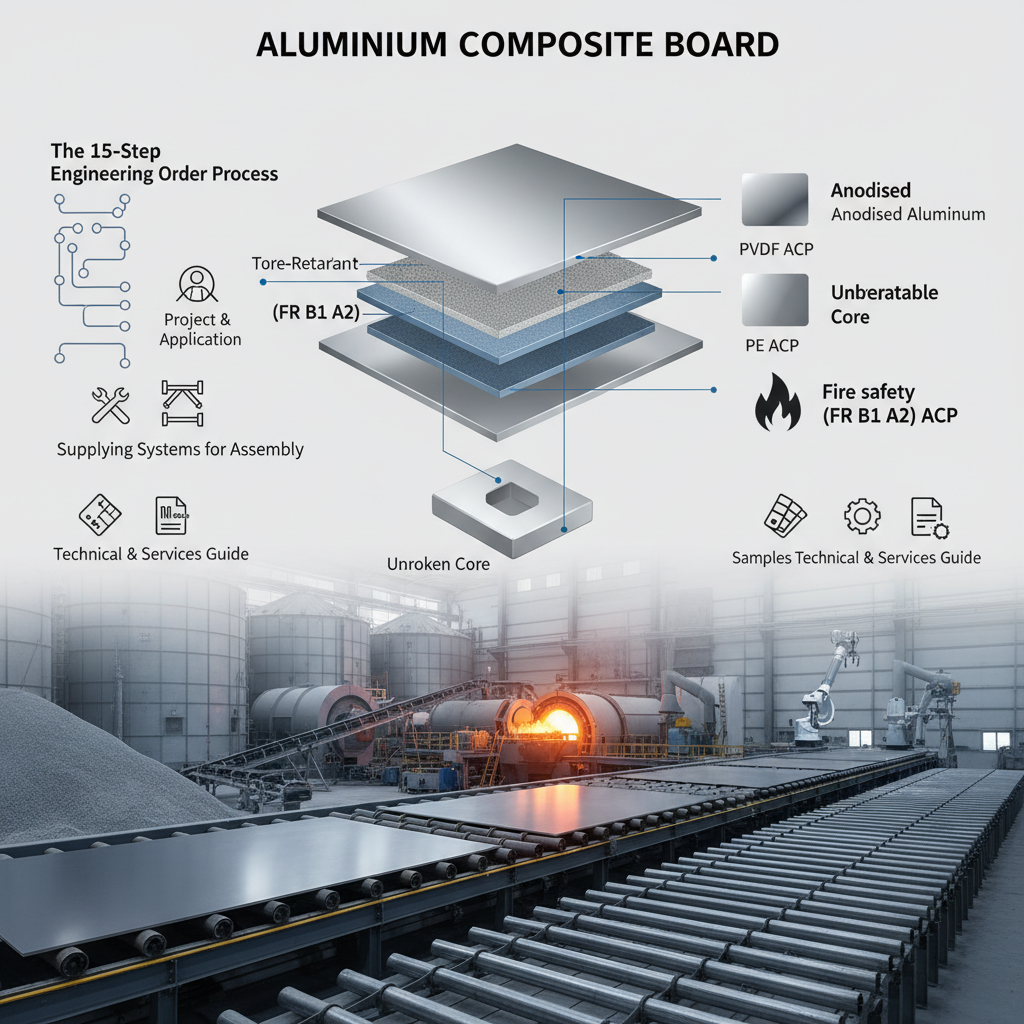
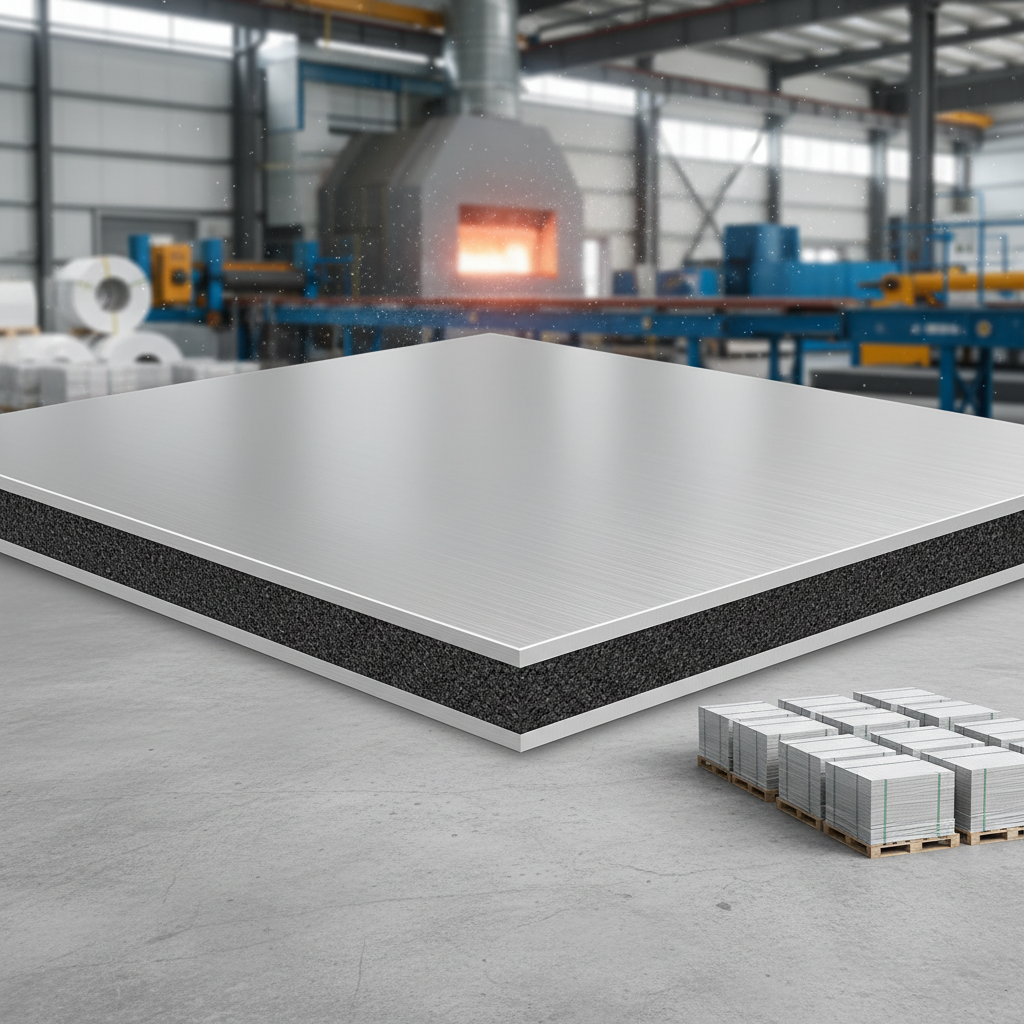
In simple engineering terms, an aluminium composite board is a sandwich panel consisting of two thin coils of aluminium bonded to a non-aluminium core. This configuration is designed to provide the high strength-to-weight ratio of aluminium with the insulating and stabilizing properties of the core material, creating a flat, rigid sheet that is far easier to manipulate than solid aluminium plate.

This composite nature addresses a critical humanitarian and industrial need: the requirement for affordable, durable, and weather-resistant housing and infrastructure. By utilizing a polymer or mineral-filled core, the aluminium composite board reduces the amount of expensive raw aluminium needed while increasing the overall impact resistance and acoustic insulation of the final wall.

Modern iterations of these boards now incorporate PVDF (Polyvinylidene Fluoride) coatings, which act as a shield against corrosion and chemical pollutants. This makes the aluminium composite board an ideal choice for coastal regions where salt spray would otherwise degrade standard metallic surfaces within a few short years.

Global Applications and Use Cases of Aluminium Composite Board

Across the globe, the aluminium composite board is utilized in diverse environments. In high-density urban hubs like Singapore or Dubai, it is the primary choice for corporate headquarters and airport terminals due to its professional finish and low maintenance requirements. Its versatility allows it to serve as both a structural skin and a decorative accent.

In more challenging contexts, such as remote industrial zones or post-disaster reconstruction, the lightweight nature of the aluminium composite board is invaluable. It can be transported to inaccessible areas more easily than concrete or heavy steel, allowing for the rapid deployment of hygienic, weather-proof modular clinics and temporary administrative offices.

Performance Comparison of Aluminium Composite Board Types


Long-Term Value and Sustainability Advantages

The long-term value of the aluminium composite board extends beyond its initial installation cost. Because aluminium is infinitely recyclable, these panels contribute to a circular economy, reducing the carbon footprint associated with mining new ores. When a building is renovated, the boards can be stripped and repurposed, offering a sustainable alternative to disposable cladding materials.

Furthermore, there is an emotional and psychological component to the use of aluminium composite board in public architecture. The clean, modern aesthetic conveys a sense of innovation, transparency, and trust. For businesses, a facade built with high-quality composite panels signals reliability and forward-thinking, directly impacting the perceived value of the brand.

Future Trends and Innovations in Composite Cladding

The next generation of aluminium composite board is moving toward "smart" integration. We are seeing the development of panels with embedded photovoltaic cells, turning the entire building skin into a power-generating asset. This integration of green energy directly into the cladding allows for self-sustaining structures that reduce reliance on the grid.

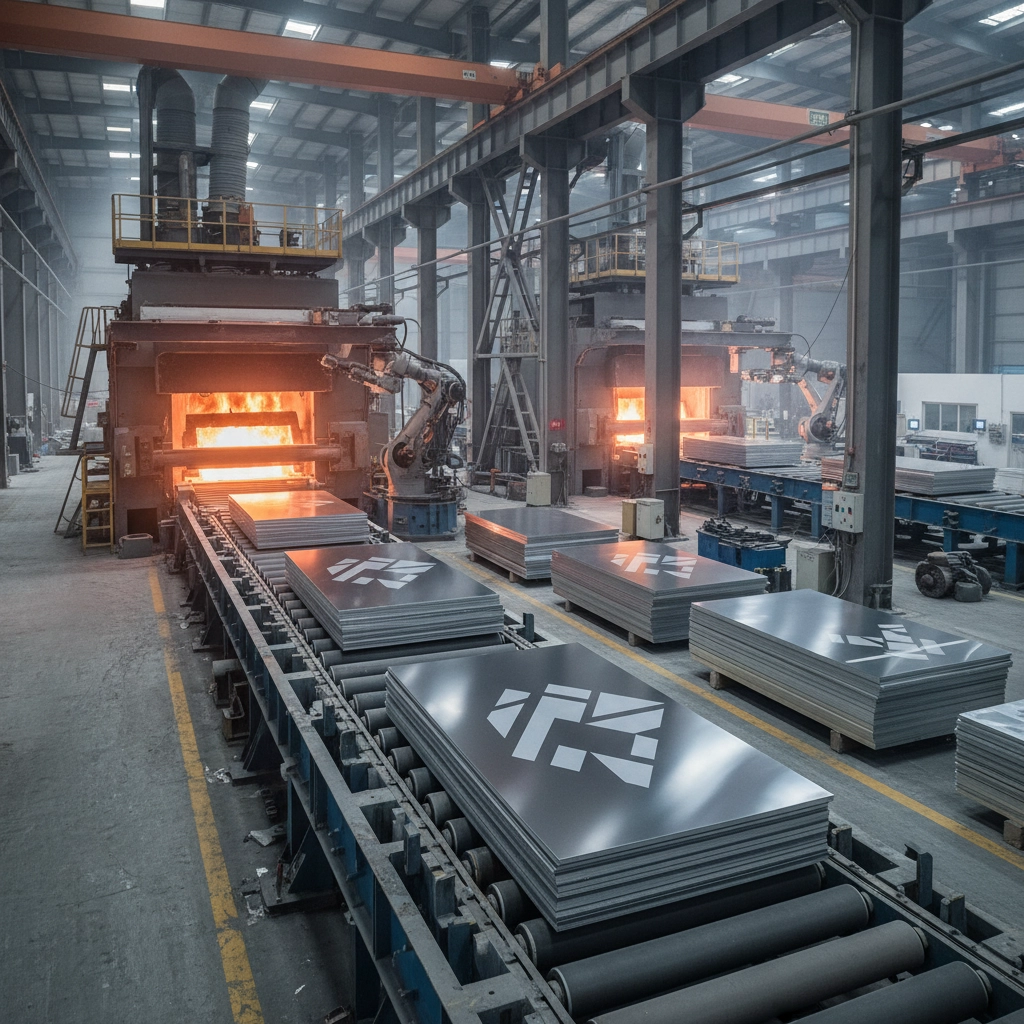
Digital transformation is also impacting the manufacturing process. Automation and BIM (Building Information Modeling) now allow for the aluminium composite board to be precision-cut by CNC machines based on exact digital twins of the building. This minimizes waste and ensures that every panel fits perfectly, further enhancing the efficiency of the assembly process.

Additionally, there is a push toward bio-based cores. Researchers are exploring the use of recycled organic polymers to replace traditional plastics in the aluminium composite board core. This shift will likely result in materials that are not only fire-resistant but also carbon-neutral, aligning the construction industry with global net-zero goals.

Overcoming Implementation Challenges and Solutions

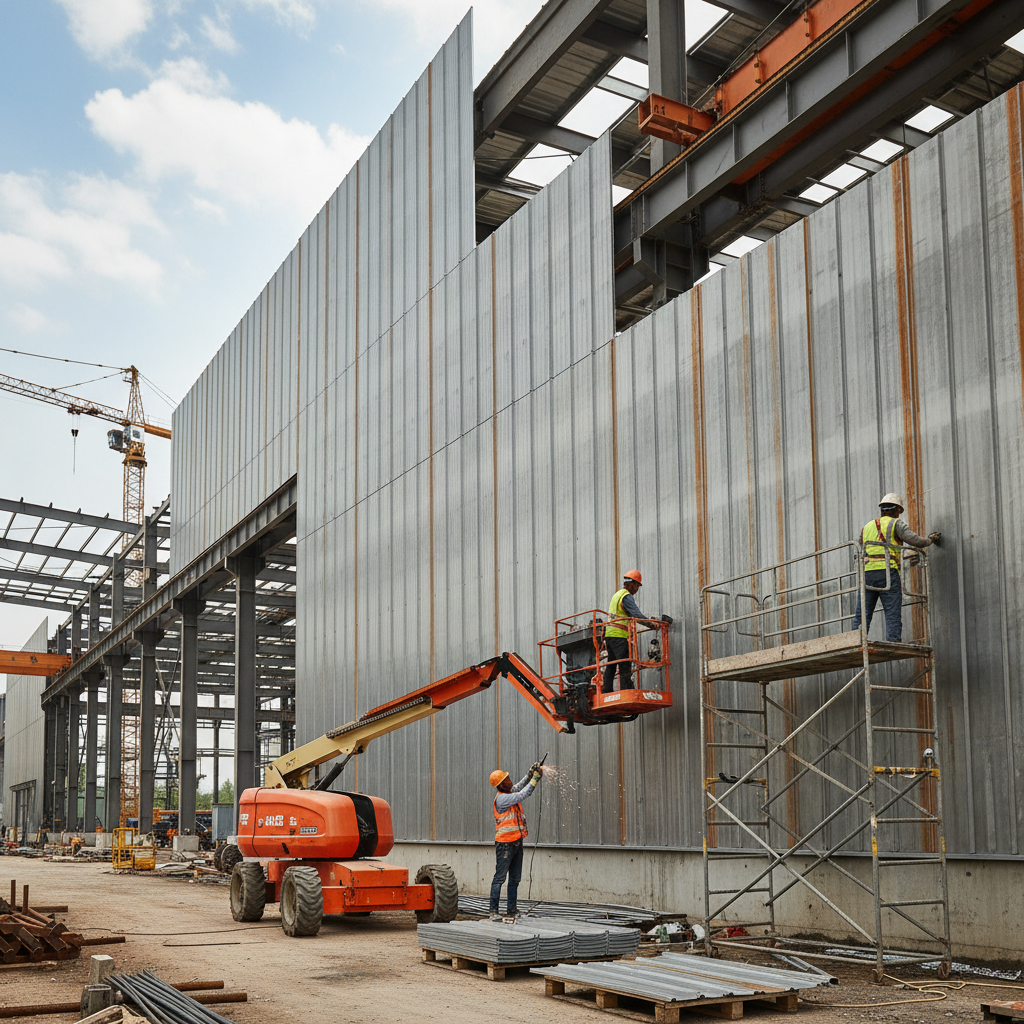
Despite its benefits, the installation of aluminium composite board can be fraught with challenges if not handled by experts. One common issue is the "oil canning" effect, where slight imperfections in the substrate cause the panel to appear wavy. To solve this, engineers recommend using a ventilated rainscreen system, which allows the panels to breathe and expand independently of the main structure.

Fire safety remains the most scrutinized aspect of composite panels. The solution has been the transition from PE (Polyethylene) cores to FR (Fire Retardant) and A2 non-combustible cores. These advanced materials inhibit the spread of flames and smoke, meeting the most rigorous international fire codes and providing peace of mind for architects and insurance providers.

Lastly, improper sealant application can lead to water ingress. The industry is moving toward high-grade structural silicones and mechanical fastening systems that eliminate the need for excessive caulking. By adopting a systematic, 15-step engineering process for orders and installation, the risks associated with aluminium composite board deployment are virtually eliminated.

Technical Analysis and Selection Guide for Aluminium Composite Boards

Board Variant Fire Rating Primary Application Durability Score (1-10)
PVDF ACP B1 / FR Exterior High-Rise Facades 9.5
Mineral Core ACP A2 Non-combustible Public Infrastructure / Hospitals 9.8
PE Core ACP Standard Interior Signage / Shopfronts 7.0
Anodized ACP B1 Architectural Accents / Ceilings 8.5
Unbreakable Core ACP B1 High-Traffic Industrial Walls 9.0
Easy-Process ACP Standard Custom Furniture / Small Modules 7.5

FAQS

Is aluminium composite board truly fire-safe for high-rise buildings?

Yes, provided you choose the correct core. While early PE cores were flammable, modern aluminium composite board options feature mineral-filled FR or A2 cores that are non-combustible. These meet strict international safety codes (like ASTM or EN standards) and are specifically designed for high-rise safety.

How does the installation of ACP differ from traditional cladding?
David Miller

David Miller

David Miller is a Senior Production Engineer at Jiashuncai, with 15 years of experience in metal fabrication and composite materials. He’s been instrumental in optimizing our coating process, ensuring consistent quality and adherence to stringent international standards like ROHS and REACH. David’s focus is on maintaining the precision of our
Previous Industrial Grade ACP Panels Architecture
Next Aluminum Composite Panel Guide for Modern Architecture
3_1727076783288

Are you interested?
Get a free quote now!