Look, I’ve spent years on sites, getting my hands dirty with aluminum composite panels. I’ve seen what works, what doesn’t, and what makes a project run smoothly. These panels aren't just a material; they're a solution. They address a real pain point in modern construction – the need for speed, durability, and cost-effectiveness without sacrificing aesthetics. The demand is only going up, globally. It’s not just about buildings; it’s about rapid deployment solutions, disaster relief, and creating sustainable structures for a growing population.
The construction world is always looking for materials that can do more with less. We’re battling labor shortages, rising material costs, and increasingly complex building codes. Aluminum composite panels offer a way to tackle these challenges head-on. They’re lightweight, easy to fabricate, and offer incredible design flexibility. This means quicker installation, reduced labor costs, and a finished product that looks sharp.
I’ve seen firsthand how ACPs are transforming projects, from sleek modern facades to interior fit-outs. It’s a game-changer, and understanding its nuances is crucial for anyone involved in the building industry, from architects to contractors to the guys on the ground, like me.
The Core Benefits of Aluminum Composite Panels
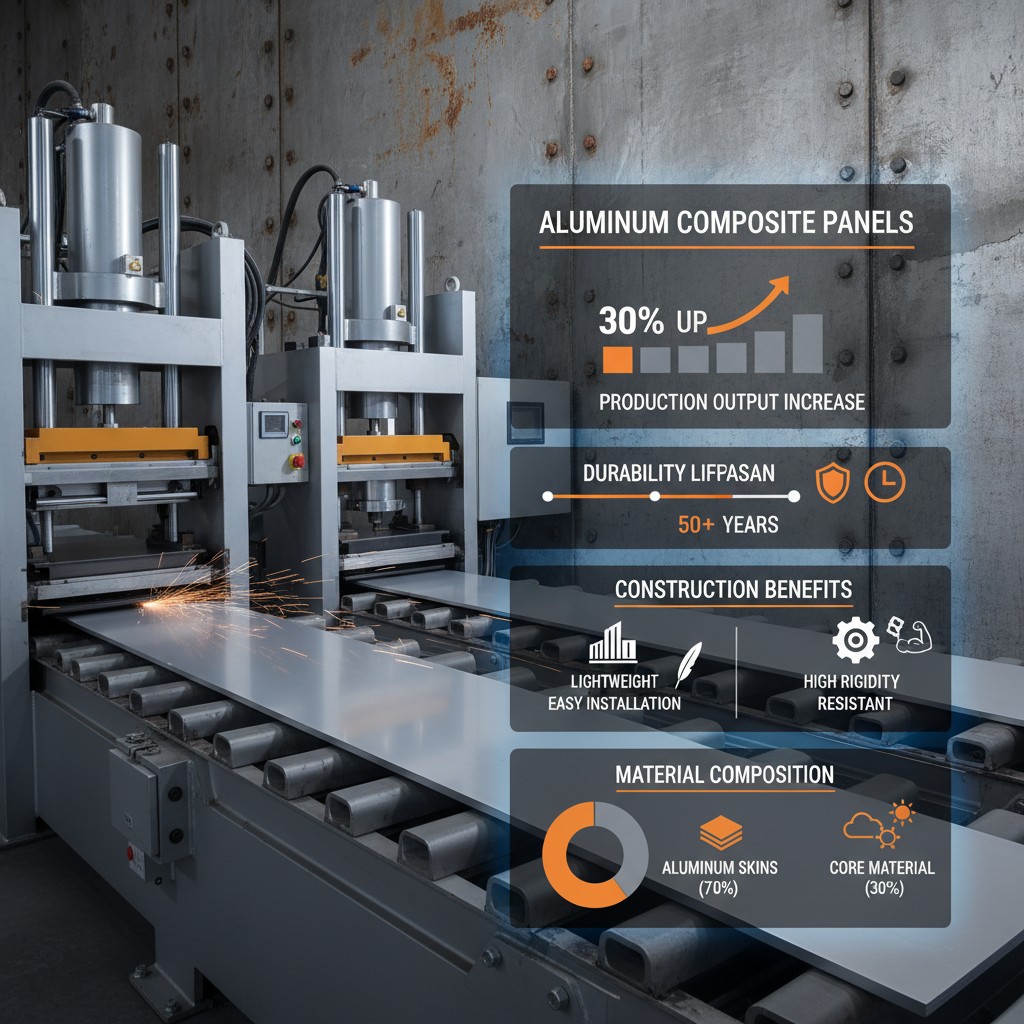
Let's be straight: the biggest benefit is speed. ACPs cut down on installation time dramatically. You're dealing with lighter panels, easier cutting, and a system that’s faster to assemble than traditional cladding. I've seen projects shaved weeks off the schedule just by switching to aluminum composite panels. It's a huge win for contractors trying to meet deadlines and avoid penalties.
And it’s not just about speed. The durability is impressive. These panels can withstand harsh weather, resist corrosion, and maintain their appearance for years, reducing long-term maintenance costs. That’s something owners really appreciate. Plus, the design flexibility is unmatched – you can achieve almost any look you want with ACPs.
The Global Rise of ACPs: Context and Statistics
The demand for ACPs is exploding globally, especially in rapidly developing economies. According to reports from the UN and World Bank, urban populations are growing at an unprecedented rate, creating a massive need for affordable and efficient building materials. ACPs fit the bill perfectly. China, India, Southeast Asia – they’re all embracing this technology.
You’re seeing it in massive commercial projects, residential buildings, and even public infrastructure. The ISO standards for ACPs are becoming more stringent, driving quality control and ensuring safety. The market is projected to continue growing significantly in the next decade, driven by the demand for sustainable and cost-effective construction solutions.
The challenge? Ensuring quality and compliance with safety regulations. We’ve seen issues with fire safety in the past, and that’s something the industry is taking very seriously with advancements in fire-retardant core materials and stricter testing procedures.
Defining Aluminum Composite Panels: What Are They?
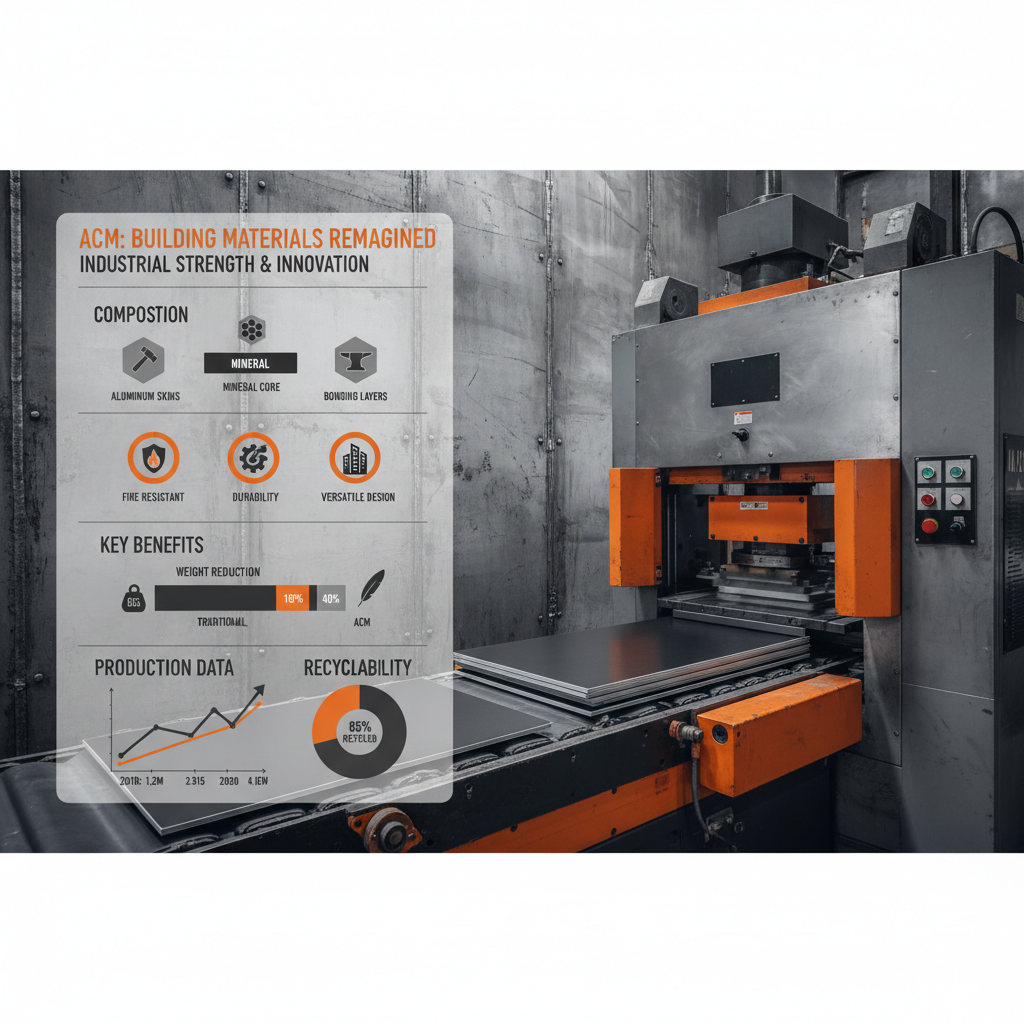
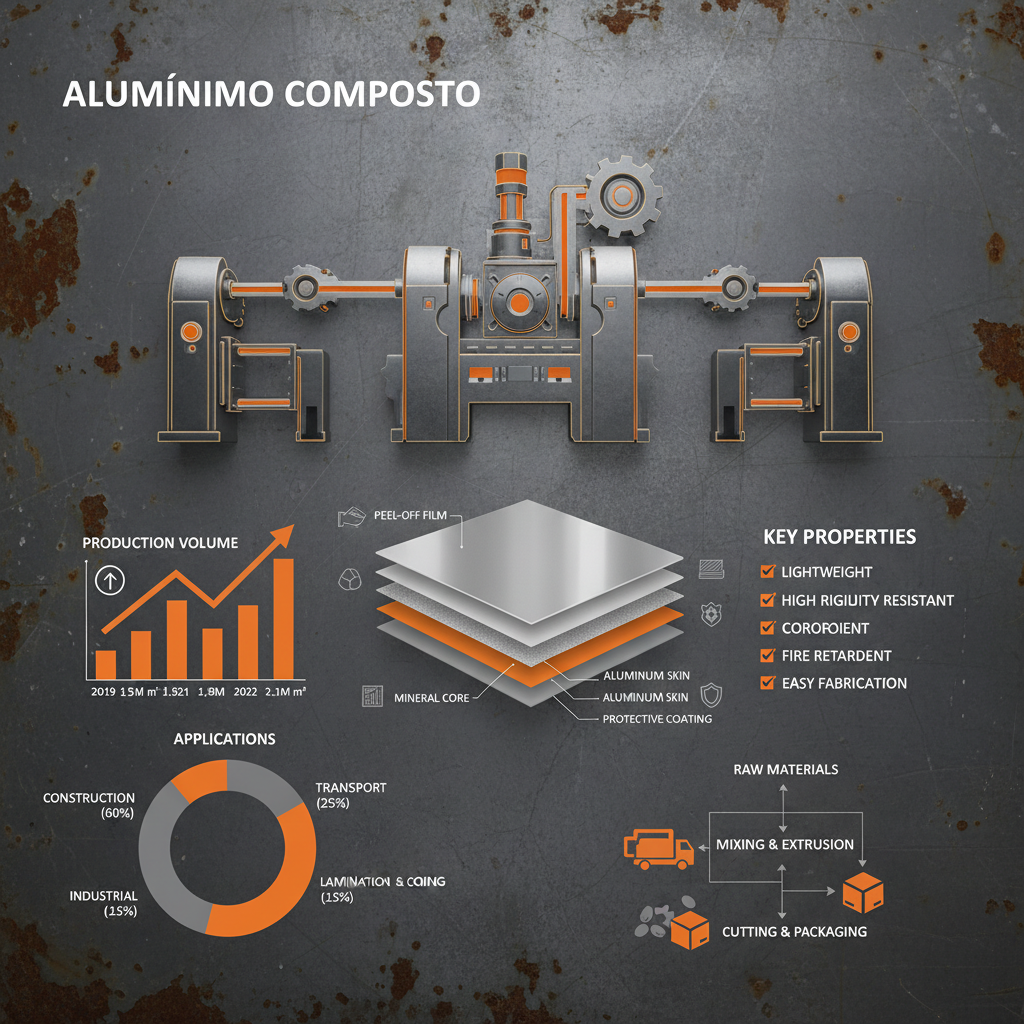
Simply put, aluminum composite panels are composed of two thin aluminum sheets bonded to a non-aluminum core. That core can be made of various materials, most commonly polyethylene (PE), fire-retardant mineral filled (FR), or even a honeycomb structure. It's that combination that gives ACPs their strength, lightness, and versatility.
Think about it like this: you’re getting the strength of aluminum without the weight and cost of a solid aluminum sheet. That core material does more than just fill space; it provides insulation, soundproofing, and contributes to the panel’s overall rigidity. It’s a carefully engineered system, designed to outperform traditional cladding materials.
This isn’t just about building aesthetics; it’s about providing a practical solution to pressing global needs. From affordable housing to disaster relief shelters, ACPs are playing a crucial role in creating sustainable and resilient infrastructure.
Key Factors Driving ACP Adoption
Durability is a big one, as I mentioned. But it's more than just resisting the elements. It's about impact resistance too. These panels can hold up to a surprising amount of abuse.
Scalability is another key advantage. ACPs can be manufactured in large quantities and customized to fit almost any project requirement. This makes them ideal for large-scale developments.
Real-World Applications of Aluminum Composite Panels
I've seen these panels used everywhere. In post-disaster relief operations, they’re fantastic for building temporary shelters quickly and efficiently. The lightweight nature makes them easy to transport and assemble in challenging conditions.
In remote industrial zones, where speed and durability are paramount, ACPs are ideal for constructing offices, workshops, and even entire facilities. They reduce the need for skilled labor and minimize on-site waste.
Long-Term Value and Advantages of ACPs
Let’s talk about cost. While the initial investment might be slightly higher than some traditional materials, the long-term savings are significant. Reduced maintenance, faster installation, and increased energy efficiency all contribute to a lower total cost of ownership.
From a sustainability standpoint, ACPs can be recycled, reducing their environmental impact. And, frankly, a well-maintained ACP facade just looks good. It adds value to a property and creates a positive impression.
It builds trust – with the client, with the occupants, and with yourself, knowing you’ve used a quality material that’s going to stand the test of time.
Future Trends and Innovations in ACP Technology
We're seeing a push for more sustainable core materials. Companies are exploring bio-based alternatives to polyethylene, reducing the reliance on fossil fuels. Fire safety remains a huge focus, with ongoing research into even more effective fire-retardant technologies.
Digital fabrication techniques, like CNC machining, are becoming more common, allowing for even more complex and customized designs. And the integration of smart technologies – sensors embedded within the panels to monitor building performance – is on the horizon.
The trend is clear: ACPs aren’t just about aesthetics anymore; they’re about creating intelligent, sustainable, and resilient buildings.
A Comparative Analysis of ACP Core Materials
| Core Material |
Fire Resistance |
Cost |
Weight |
| Polyethylene (PE) |
Low |
$ |
Light |
| Fire-Retardant Mineral Filled (FR) |
High |
$$ |
Medium |
| Honeycomb Aluminum |
Medium |
$$$ |
Very Light |
| A1 Core (Non-Combustible) |
Very High |
$$$$ |
Medium |
| Expanded Polystyrene (EPS) |
Low |
$ |
Light |
| A2 Core (Limited Combustibility) |
Medium-High |
$$$ |
Medium |
FAQS
Historically, some ACPs using a PE core were found to be highly combustible and contributed to the rapid spread of fires. However, significant advancements have been made. Now you have FR (Fire-Retardant) core options and even A1 (non-combustible) core materials available. Always check for certifications and ensure the panels meet local building codes. The industry is prioritizing fire safety, but it's crucial to do your due diligence.
Upfront material costs can be comparable, but when you factor in installation time, labor costs, and long-term maintenance, ACPs often prove to be more cost-effective. Brick and concrete require significantly more labor and time to install. ACPs are lighter, easier to handle, and reduce on-site waste. Plus, the longevity and low maintenance requirements contribute to lower lifecycle costs.
You'll see them used extensively for building facades, curtain walls, signage, canopies, and interior cladding. Their design flexibility allows for striking architectural statements. They’re also popular for retrofitting existing buildings, providing a modern look with minimal disruption.
ACPs are surprisingly durable. The aluminum layers provide excellent resistance to corrosion, UV radiation, and impact. They can withstand extreme temperatures and are designed to maintain their appearance for years, even in coastal environments or areas with heavy snowfall. Proper installation and regular cleaning are key to maximizing their lifespan.
The environmental impact is a growing concern. Aluminum production is energy-intensive, but ACPs are often recyclable. Manufacturers are increasingly using recycled aluminum and exploring bio-based core materials to reduce their carbon footprint. Proper disposal and recycling programs are crucial for minimizing the environmental impact.
Look for suppliers with established certifications (like ISO 9001), a proven track record of quality control, and a commitment to fire safety. Ask about their manufacturing processes, core material options, and warranty policies. A reputable supplier will provide technical support and assist with material selection to ensure the best outcome for your project.
Conclusion
Aluminum composite panels have fundamentally changed the construction landscape. They offer a powerful combination of speed, durability, cost-effectiveness, and design flexibility. From large-scale commercial projects to disaster relief efforts, ACPs are providing innovative solutions to pressing global challenges. Understanding the nuances of this material – from core material options to fire safety regulations – is crucial for anyone involved in the building industry.
The future of ACPs is bright. Ongoing innovations in sustainable materials, digital fabrication, and smart technologies will continue to enhance their performance and expand their applications. I encourage you to explore the possibilities and consider how aluminum composite panels can help you build better, faster, and more sustainably. Visit our website: www.acmfactory.com