When sourcing cladding materials for commercial facades or signage, the 4x8 foot sheet is often the industry standard due to its compatibility with most fabrication machinery and waste-reduction logic. However, determining the right aluminum composite panel 4x8 price involves more than just comparing a per-sheet quote; it requires an understanding of core chemistry, coating thickness, and alloy grades.
The market for Aluminum Composite Panels (ACP) has shifted toward higher safety standards and specialized finishes. Today's buyers are no longer looking for the cheapest available sheet, but rather the best value-to-performance ratio—balancing thermal insulation, fire retardation (A2 or B1 ratings), and long-term UV resistance.
This guide examines the technical drivers of cost for the 4x8 format and provides a professional framework for evaluating suppliers to ensure structural integrity and aesthetic longevity in architectural projects.
Industrial-grade aluminum composite panels in standard 4x8 dimensions for commercial exterior applications.
◆ ◆ ◆
◆ ◆ ◆
Market Dynamics of Standard Sheet Sizes

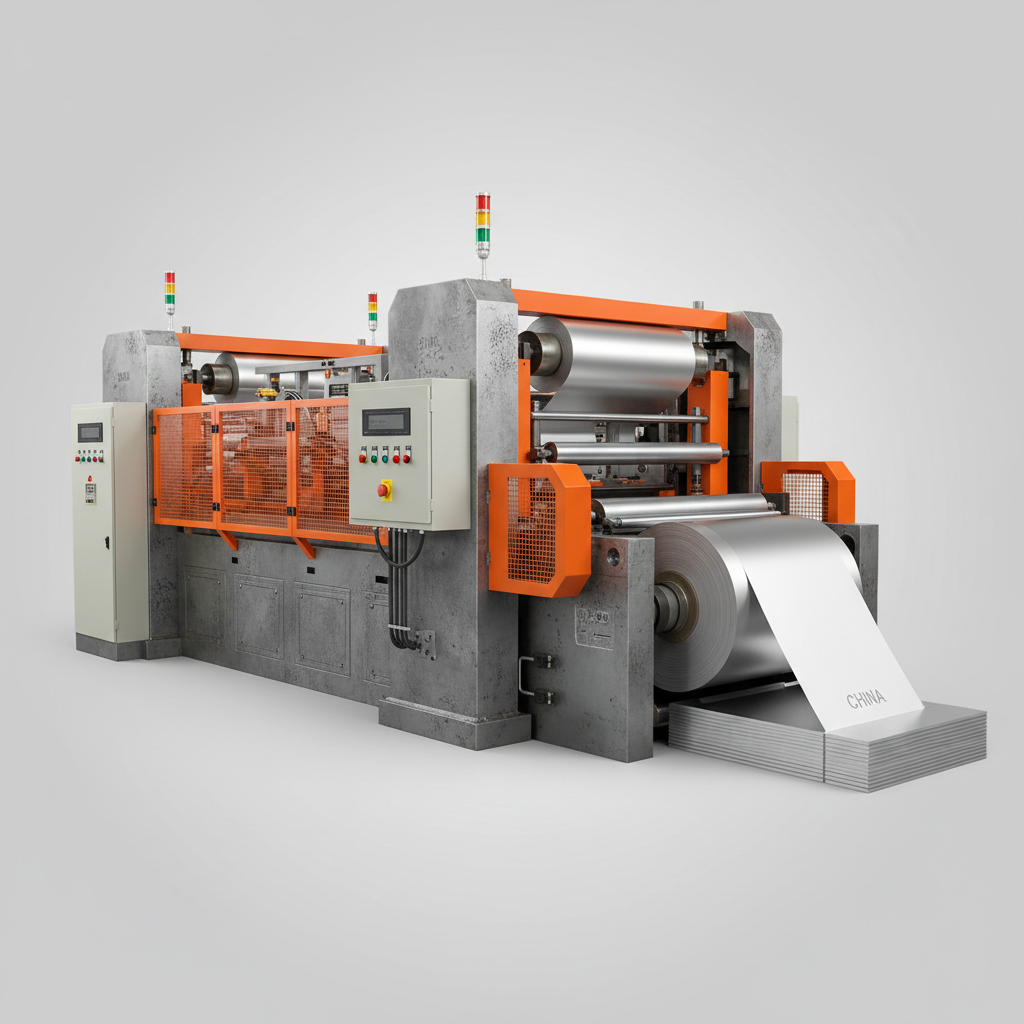
Automated processing of ACP sheets ensures minimal material waste and high precision.
The 4x8 foot dimension (approximately 1220mm x 2440mm) is the dominant format in the global construction market because it aligns with standard architectural modules. This standardization allows for streamlined logistics and reduces the "off-cut" waste that typically occurs during the installation of facade systems or interior partitioning.
From a manufacturing perspective, producing in standard sizes allows factories like Jiashuncai Aluminum to optimize their production lines, which in turn stabilizes the aluminum composite panel 4x8 price for the end consumer. When buyers move away from these standard sizes to custom dimensions, the cost often increases due to the loss of manufacturing efficiency and increased raw material scrap.
—
Technical Variables Influencing ACP Cost
The price of a 4x8 ACP sheet is not a flat rate but a result of several technical specifications. First is the aluminum skin thickness. Panels typically range from 0.21mm to 0.5mm skins; a slight increase in gauge significantly affects the total weight and the cost of the raw aluminum coils used.
Second is the total panel thickness, commonly available in 3mm, 4mm, or 6mm. While the core material is generally less expensive than the aluminum skins, the volume of the core and the pressure required during the lamination process contribute to the final unit cost.
Lastly, the surface finish plays a critical role. Standard PE (Polyethylene) coatings are suitable for indoor signage, but PVDF (Polyvinylidene Fluoride) coatings are required for exterior walls due to their superior resistance to UV radiation, pollution, and chemical erosion. PVDF coatings involve a more complex multi-stage spray process, adding a premium to the price.
—
Core Material and Fire Safety Impact
One of the most significant price drivers in modern ACP procurement is the fire safety rating of the core. Historically, PE cores were the norm, but stringent international building codes now mandate Fire Retardant (FR) or Non-combustible cores for high-rise and public structures.
The transition from a standard PE core to an A2 non-combustible or B1 fire-rated core fundamentally changes the panel's chemical composition, significantly increasing the material cost but ensuring compliance with global safety certifications like CE and ISO9001.
Manufacturers like Jiashuncai Aluminum utilize advanced core technologies to meet these standards. The inclusion of mineral fillers in the core reduces the fuel load of the panel, which prevents the rapid spread of flames. For architects, the investment in fire-rated ACP is a non-negotiable requirement for project approval and insurance compliance.
—
Comparative Value Analysis by Core Type
To understand the pricing hierarchy, one must look at the relative value index of different core types. While a standard PE panel offers the lowest entry price, its utility is limited to low-risk environments. In contrast, mineral-filled cores offer a balance of weight and safety, while the A2-rated panels represent the peak of safety performance.
The following index illustrates the relative cost increase associated with moving from basic utility panels to high-performance architectural solutions.
Figure 2. Relative Cost Index of ACP Core Technologies
—
Application Scenarios for 4x8 Panels
In a typical industrial setting, 4x8 panels are the primary choice for exterior facade systems and curtain walls. Their rigidity allows them to span supports without excessive bowing, while the 4x8 size minimizes the number of joints required in a wall section, thereby reducing potential leak points and improving the overall weather-tightness of the building envelope.
Beyond architecture, these panels are widely used in visual communication. For a manufacturer evaluating sign board materials, ACP provides a flat, stable surface that is superior to traditional plastics. Whether used for RV exterior panels or interior decorative walls, the ability to easily cut, bend, and fold 4x8 sheets makes them an exceptionally versatile fabrication material.
—
Evolution of PVDF Coating Standards
The exterior longevity of an aluminum composite panel is almost entirely dependent on its coating. PVDF coatings have evolved from simple color layers to complex, multi-layered systems that include a primer, a base coat, and often a clear protective topcoat. This structure prevents the "chalking" effect seen in lower-quality paints.
Modern PVDF applications now include a wider range of aesthetics, such as marble finishes, mirror surfaces, and corrugated textures. These specialized finishes require more precise temperature control during the curing process in the automatic spray line, which can influence the bulk pricing for high-end architectural projects.
Furthermore, the industry is moving toward more environmentally friendly coating processes. Reducing VOC (Volatile Organic Compounds) in the coating line is no longer just a regulatory requirement but a competitive advantage for suppliers seeking to enter the EU and North American markets.
—
Buyer's Selection and Evaluation Matrix
When comparing quotes for the aluminum composite panel 4x8 price, professional buyers should utilize a weighted matrix rather than focusing on the lowest per-unit cost. A low-price panel often hides deficiencies in skin thickness or uses a lower-grade adhesive that can lead to delamination over time.
Crucial evaluation factors include the certification of the factory—such as ISO9001 or ROHS—and the availability of third-party fire test reports (SGS or Intertek). A supplier that provides a comprehensive 15-step engineering process typically offers better quality control and more reliable lead times.
The table below provides a framework for selecting the appropriate ACP configuration based on the specific project requirements.
Table 1. ACP Configuration Selection Matrix for 4x8 Sheets
| Project Type |
Recommended Core |
Coating Type |
Key Priority |
| High-Rise Facade |
A2 Non-combustible |
PVDF (Multi-coat) |
Fire Safety & UV |
| Commercial Signage |
PE Core |
PE or PVDF |
Flatness & Cost |
| Interior Partition |
PE Core |
PE/Powder Coat |
Aesthetics & Weight |
| Public Infrastructure |
B1 Fire Rated |
PVDF |
Durability & Safety |
| RV / Transport |
PE / Lightweight |
PVDF |
Weight & Flexibility |
| Industrial Cladding |
B1 Fire Rated |
PVDF / Anodized |
Corrosion Resistance |
◆ ◆ ◆
Questions & Answers
The price is primarily driven by the aluminum skin gauge (thickness), the core material (PE vs. FR or A2 non-combustible), and the type of surface coating (PE vs. PVDF). Additionally, bulk order volumes and specialized finishes like marble or mirror effects will influence the final per-sheet cost.
Yes, for most standard construction modules, the 4x8 size is highly efficient. It is designed to fit common fabrication tools and align with typical wall dimensions, which minimizes the amount of scrap material compared to non-standard custom sizes.
B1 is a fire-retardant grade that slows down the spread of fire and resists ignition. A2 is a non-combustible grade, containing a higher percentage of mineral fillers, making it significantly more resistant to heat and flame, and is often required for high-rise building exteriors.
Yes, they can. While PVDF is engineered for extreme exterior weather resistance, it provides an exceptionally durable and easy-to-clean surface for interiors. However, for purely indoor projects, PE coating is often chosen to reduce costs.
Request the original test reports from recognized third-party agencies such as SGS, Intertek, or UL. Ensure the report matches the specific product batch and core technology you are purchasing, and verify the certificate number directly with the issuing agency.
Price per square meter is a raw material calculation, whereas the price per 4x8 sheet includes the cost of standard cutting, edge trimming, and professional packaging. Sheet pricing is generally more practical for fabricators who buy by the unit.
◆ ◆ ◆
Final Thoughts
Selecting the right aluminum composite panel requires a shift in focus from initial purchase price to total lifecycle value. By prioritizing the correct core grade and coating specification for the intended environment, project managers can avoid costly failures such as delamination, UV fading, or safety non-compliance.
Whether sourcing for a small-scale signage project or a massive architectural facade, partnering with a manufacturer that maintains strict quality controls and transparent certification processes is the only way to ensure a durable and safe installation.