alu sheets have become indispensable in modern construction and manufacturing, offering a versatile and durable solution for a wide range of applications. Their lightweight nature, coupled with exceptional strength and aesthetic appeal, makes them a preferred material across diverse industries. Understanding the properties, applications, and future trends of alu sheets is crucial for architects, engineers, and manufacturers seeking innovative and cost-effective building materials.
Globally, the demand for alu sheets is steadily increasing, driven by rapid urbanization and a growing need for sustainable building solutions. According to the United Nations, over half the world's population lives in urban areas, a figure projected to reach 68% by 2050, requiring efficient and adaptable construction materials. alu sheets address this need by offering speed of construction, design flexibility, and long-term durability, overcoming challenges associated with traditional building methods.
The versatility of alu sheets extends beyond construction. Industries ranging from automotive to signage and interior design are increasingly utilizing alu sheets for their unique characteristics. As a result, the global alu sheets market is experiencing substantial growth, reflecting the material’s increasing significance in various sectors.
The Significance of alu sheets
alu sheets have rapidly gained prominence as a building material due to their exceptional properties. Their combination of lightweight construction, high strength, and aesthetic flexibility makes them suitable for a diverse array of applications, from cladding and facades to interior design and signage. The increasing adoption of alu sheets signals a shift towards more efficient and modern construction practices.
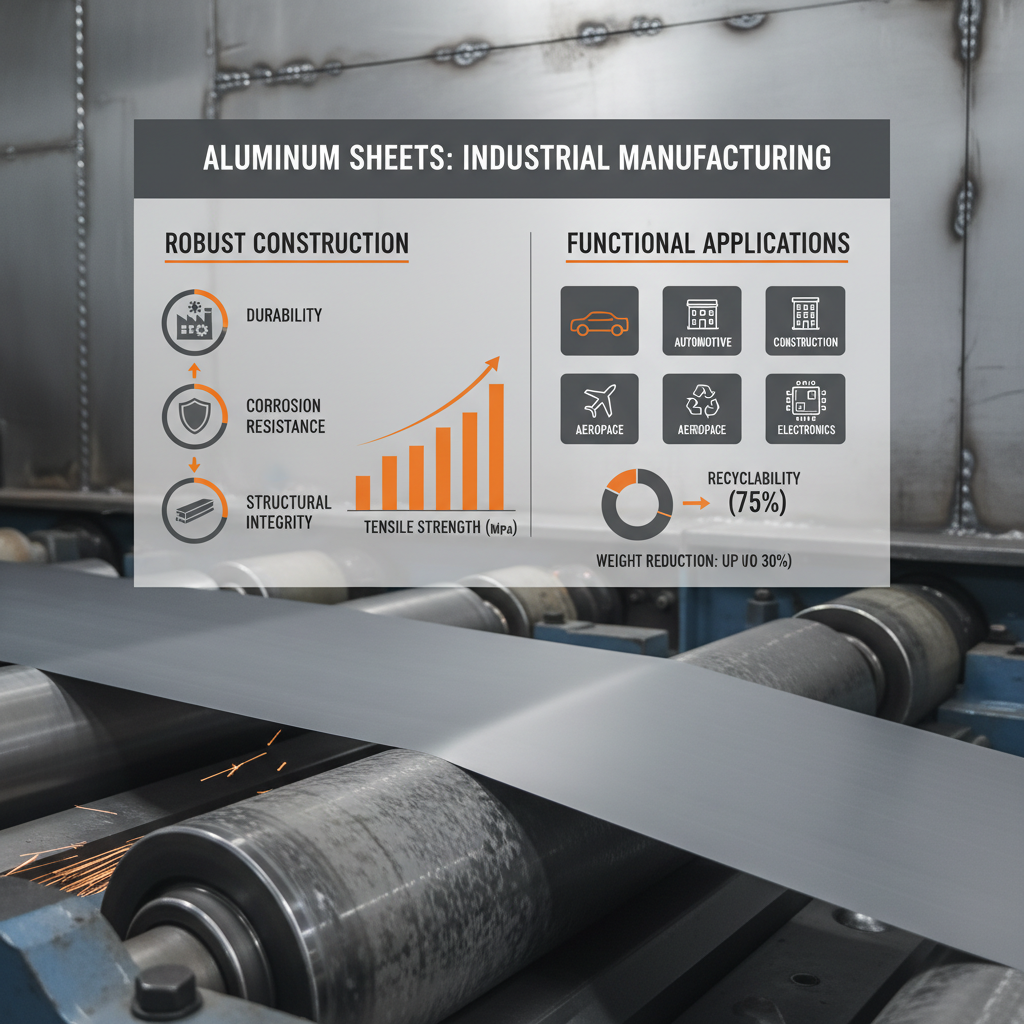
The benefits extend beyond aesthetics and practicality. alu sheets offer excellent fire resistance, weather durability, and corrosion protection, contributing to the longevity and safety of buildings. Furthermore, the material is readily recyclable, aligning with growing sustainability concerns and reducing environmental impact.
Global Relevance and Industry Context
The global construction industry is a massive economic force, valued at trillions of dollars. Within this landscape, the demand for innovative building materials is constantly evolving. alu sheets are responding to this demand by offering solutions to challenges related to cost, efficiency, and sustainability. Countries with rapidly developing economies, such as China and India, are experiencing particularly strong growth in alu sheets consumption.
According to the World Bank, global construction spending is projected to reach $8 trillion by 2030. This growth is fuelled by infrastructure development, urbanization, and a rising global population. alu sheets are ideally positioned to capitalize on this trend, offering a versatile and cost-effective alternative to traditional materials like concrete and steel.
The ISO standards organization plays a key role in ensuring the quality and safety of alu sheets, establishing benchmarks for manufacturing and performance. Compliance with these standards is crucial for maintaining consumer trust and ensuring that alu sheets meet rigorous industry requirements.
Defining alu sheets: A Modern Material
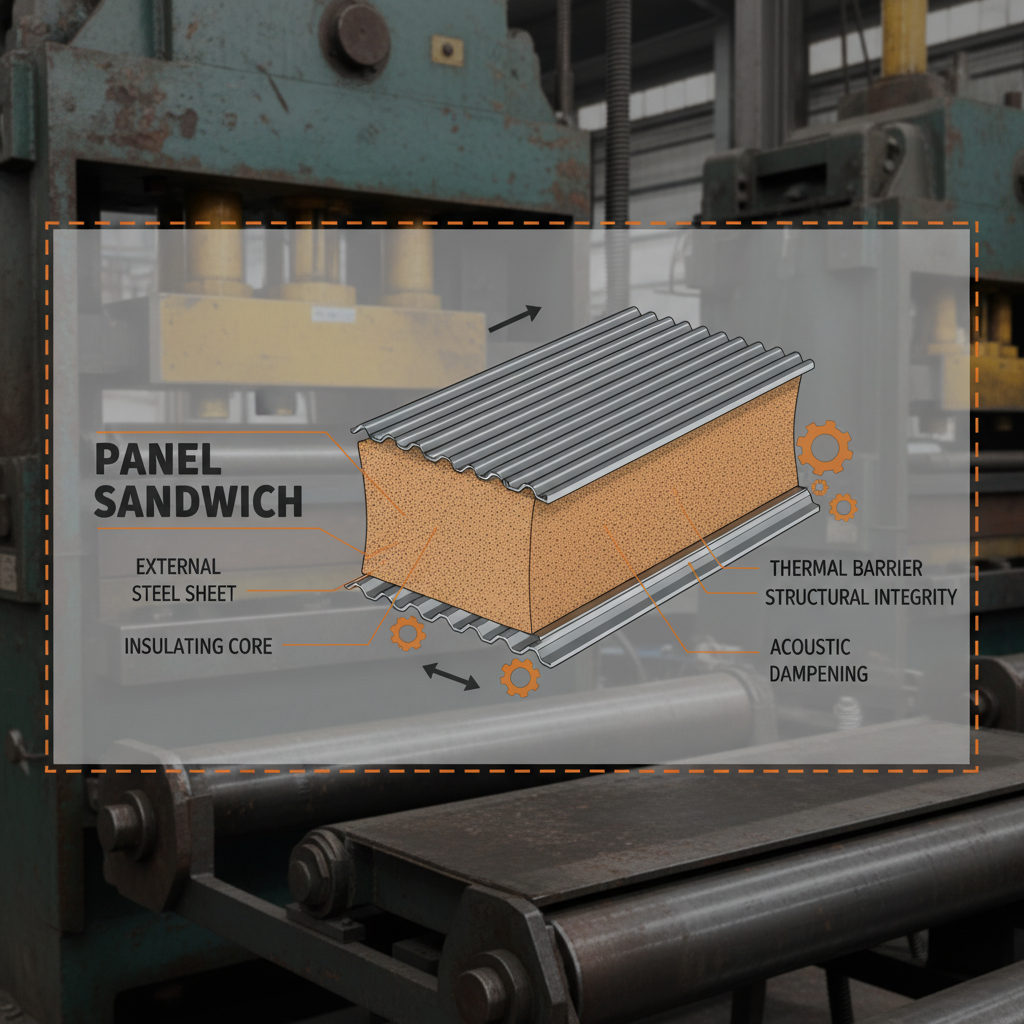
alu sheets, also known as Aluminum Composite Material (ACM), are panels consisting of two thin aluminum sheets bonded to a non-aluminum core. This core is typically made of polyethylene (PE), but fire-retardant (FR) cores are also available for enhanced safety. The result is a material that offers the strength of aluminum with the lightweight and cost-effectiveness of the core material.
The creation of alu sheets represents a significant advancement in material science, bridging the gap between traditional building materials and modern design requirements. This innovative composite structure allows for a wide range of applications, from exterior cladding to interior finishes and even transportation solutions.
The connection to modern industry and humanitarian needs lies in the speed and ease of installation, design flexibility, and cost-effectiveness that alu sheets provide. In disaster relief scenarios, for example, alu sheets can be quickly deployed as temporary shelters, providing safe and sanitary living conditions.
Key Characteristics of alu sheets
alu sheets boast a number of key characteristics that contribute to their widespread adoption. Firstly, their Durability is exceptional, resisting corrosion, weathering, and UV radiation, ensuring a long service life. This durability translates to reduced maintenance costs and increased building longevity.
Secondly, their Lightweight Nature simplifies handling and installation, reducing labor costs and construction time. This is particularly advantageous in retrofit projects where minimizing structural load is crucial. Thirdly, Design Flexibility is a major benefit. alu sheets can be easily cut, bent, and formed, allowing for intricate architectural designs.
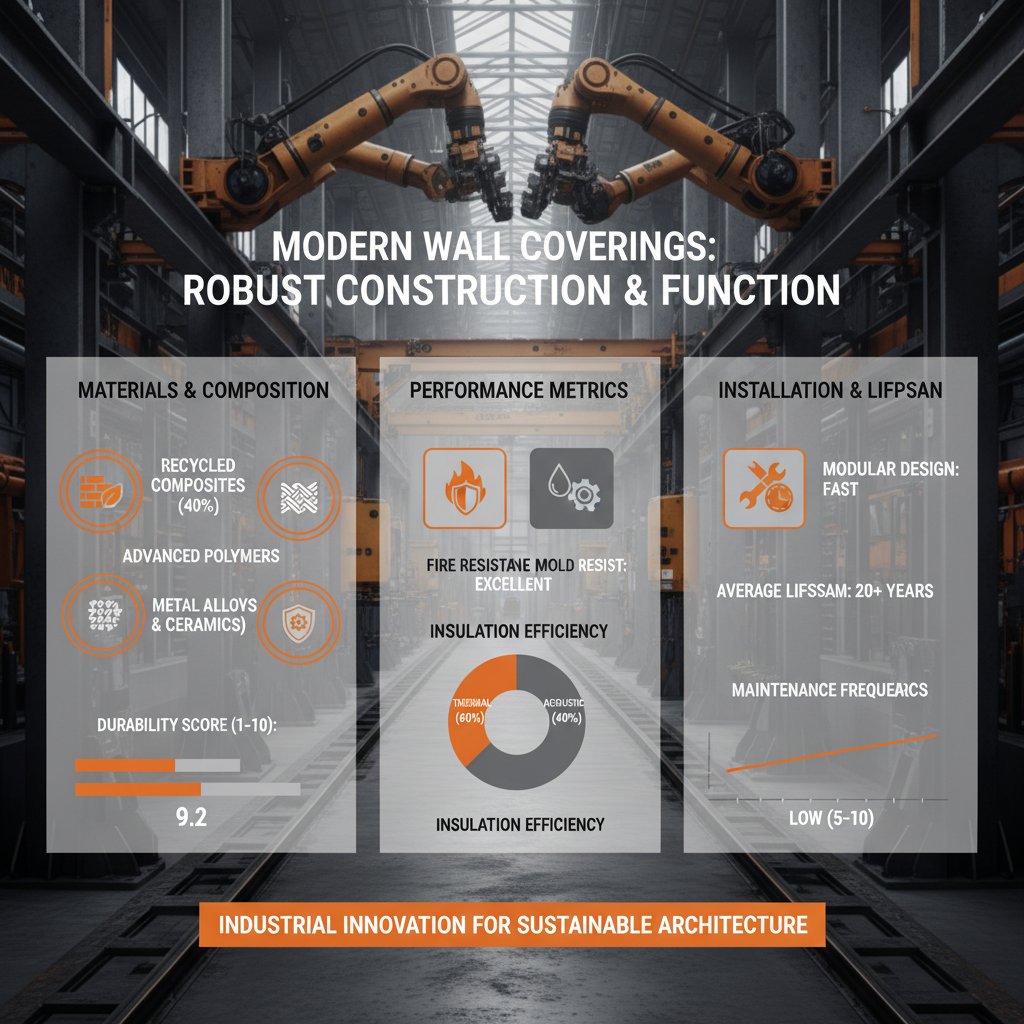
alu sheets Performance Metrics
Global Applications and Use Cases
alu sheets find widespread application in the construction industry as exterior cladding, facades, and roofing materials. High-rise buildings, commercial complexes, and residential projects frequently utilize alu sheets for their aesthetic appeal and weather resistance. In post-disaster relief operations, alu sheets are employed in the construction of temporary shelters and medical facilities, providing rapid and reliable solutions.
Beyond construction, the automotive industry utilizes alu sheets for body panels and interior components due to their lightweight properties and strength. The signage and advertising industry relies on alu sheets for creating durable and eye-catching displays. In remote industrial zones, alu sheets are used for constructing prefabricated buildings and storage facilities.
Advantages and Long-Term Value
The tangible benefits of using alu sheets are significant. The cost-effectiveness of alu sheets, compared to traditional materials, reduces overall project expenses. Their sustainability stems from their recyclability and long service life, minimizing environmental impact. Reliability is assured through stringent quality control measures and adherence to international standards.
However, the value of alu sheets extends beyond the purely practical. The material contributes to building safety through its fire resistance and structural integrity. It enhances aesthetics with its wide range of colors and finishes, allowing for creative architectural expression. alu sheets foster innovation in building design and construction techniques, building trust with clients and end-users.
Future Trends and Innovations in alu sheets
The future of alu sheets is marked by several exciting trends. Developments in green energy are driving the demand for alu sheets with improved thermal performance and energy efficiency. Digital transformation is leading to the integration of smart technologies, such as sensors and monitoring systems, into alu sheet panels.
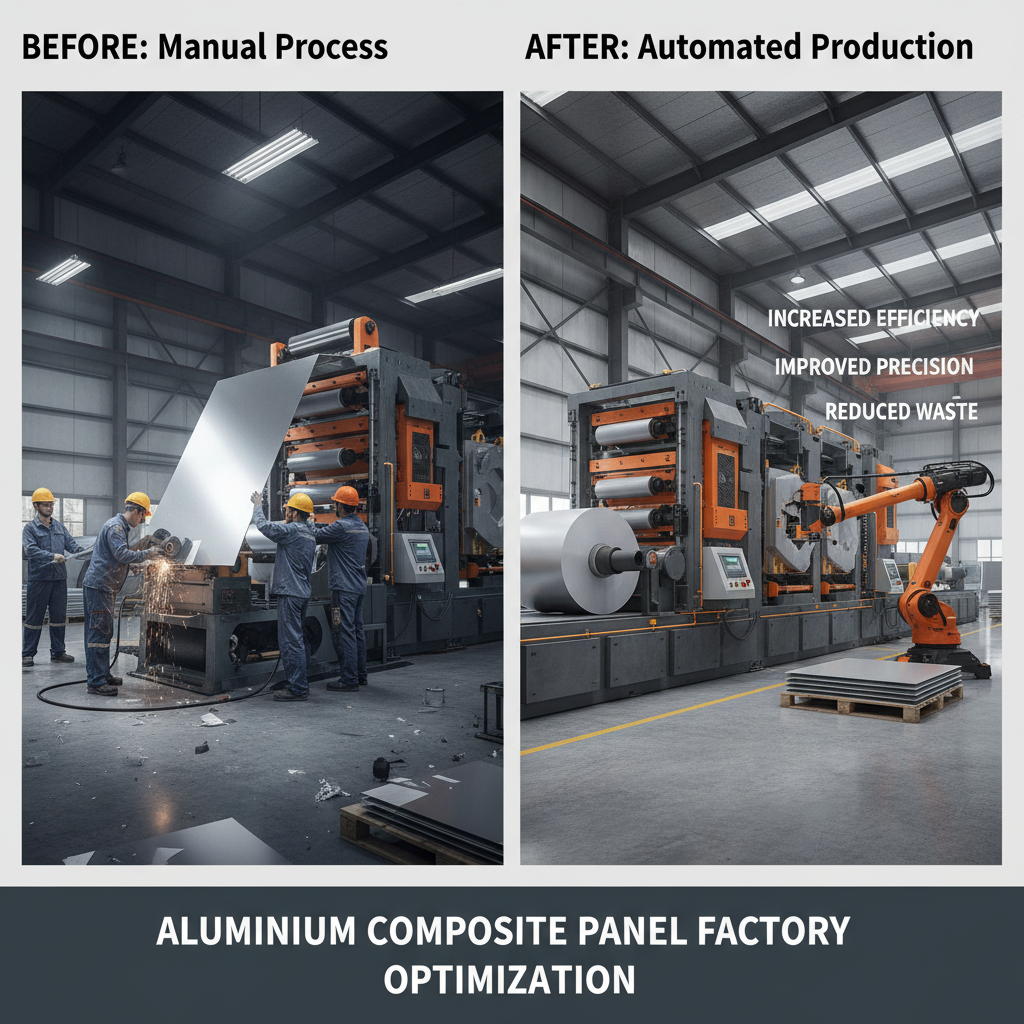
Automation in manufacturing processes is enhancing production efficiency and reducing costs. The use of new core materials, like magnesium or graphene, is being explored to further enhance the properties of alu sheets. A growing emphasis on sustainability is fostering the development of fully recyclable and bio-based alu sheet alternatives.
These innovations promise to elevate the performance and versatility of alu sheets, solidifying their position as a leading building material in the years to come.
Table Summarizing the Challenges and Solutions in Alu Sheet Applications
| Challenge |
Impact on alu sheets Performance |
Potential Solution |
Implementation Cost (1-10) |
| Fire Safety Concerns |
Limited use in high-risk buildings |
Utilizing FR Core Materials |
7 |
| UV Degradation |
Color fading and material weakening |
Applying UV-resistant coatings |
6 |
| Installation Challenges |
Improper installation leads to water ingress |
Providing comprehensive installation training |
5 |
| Recycling Complexity |
Difficulty in separating aluminum from core material |
Developing advanced recycling technologies |
8 |
| Cost Fluctuations (Aluminum) |
Impacts overall project budget |
Exploring alternative core materials |
4 |
| Surface Delamination |
Weak bonding between layers reduces durability |
Improving bonding agents and manufacturing processes |
7 |
FAQS
alu sheets offer a compelling array of benefits compared to traditional cladding like concrete or brick. These include significantly reduced weight, leading to lower structural support requirements and faster installation. alu sheets are also far more versatile in terms of design, offering a wider range of colors, finishes, and shapes. Furthermore, their durability and corrosion resistance contribute to lower long-term maintenance costs. The composite construction provides excellent thermal insulation as well.
The core material plays a vital role in determining the overall performance of alu sheets. Polyethylene (PE) cores are cost-effective and offer good insulation, but have limitations in fire resistance. Fire-retardant (FR) cores, made from mineral-filled compounds, provide enhanced fire safety, making them suitable for applications where building codes require increased fire protection. The choice of core material should align with the specific project requirements and safety regulations.
With proper installation and routine maintenance, alu sheets can have a lifespan of 30 years or more. Their resistance to corrosion, weathering, and UV radiation contributes to their longevity. Regular cleaning to remove dirt and pollutants, along with periodic inspections for any signs of damage, will help maximize their service life. The quality of the coating and the core material also influence the lifespan.
alu sheets offer several environmental benefits. Aluminum is a highly recyclable material, and alu sheets can be recycled at the end of their lifespan, reducing waste. Their lightweight nature reduces transportation costs and associated carbon emissions. Choosing alu sheets with FR cores that don’t contain harmful halogenated compounds further enhances their environmental profile. However, the manufacturing process does consume energy, so responsible sourcing and manufacturing practices are crucial.
The appropriate thickness of alu sheets depends on factors such as the intended application, wind loads, and local building codes. Generally, thicker panels provide greater strength and rigidity. For interior applications, thinner panels may suffice, while exterior cladding typically requires thicker panels to withstand weather conditions. Consulting with a structural engineer and reviewing relevant building regulations is highly recommended.
Regular cleaning is essential for maintaining the appearance and extending the lifespan of alu sheets. A mild detergent and water solution is typically sufficient for removing dirt and pollutants. Avoid using abrasive cleaners or harsh chemicals, as they can damage the coating. Inspect the panels periodically for any signs of damage, such as scratches or corrosion, and address them promptly. For stubborn stains, consult with a professional cleaning service.
Conclusion
alu sheets represent a significant advancement in building materials, offering a compelling combination of durability, versatility, and cost-effectiveness. From their wide-ranging applications in construction and industry to their sustainable properties and innovative potential, alu sheets are poised to play an increasingly important role in shaping the future of design and engineering. Their lightweight nature, coupled with superior performance characteristics, makes them a standout choice for projects seeking both aesthetic appeal and long-term value.
As technology continues to evolve, we can expect further innovations in alu sheets, including the development of more sustainable materials, enhanced fire resistance, and integrated smart features. Embracing these advancements will unlock even greater possibilities for architects, engineers, and manufacturers, leading to more efficient, resilient, and aesthetically pleasing structures. To learn more about the possibilities of alu sheets for your next project, visit our website: www.acmfactory.com.