Decorative panels are increasingly vital in modern construction and interior design, offering versatile solutions for aesthetic enhancement and functional improvements across a wide range of applications. Globally, the demand for these panels is driven by urbanization, infrastructure development, and a growing preference for customizable and sustainable building materials. Understanding their properties, applications, and future trends is crucial for architects, designers, builders, and anyone involved in the built environment.
The significance of decorative panels extends beyond mere aesthetics. They play a key role in improving building performance, offering benefits like acoustic insulation, fire resistance, and impact protection. Furthermore, the availability of diverse materials – from wood and metal to composites and plastics – allows for tailored solutions to meet specific project requirements and budgets. This versatility makes them a cornerstone of both residential and commercial projects worldwide.
Investing in knowledge surrounding decorative panels translates to more informed design choices, efficient project execution, and ultimately, higher-quality and more sustainable built spaces. This article will delve into the definition, key factors, applications, advantages, and future trends of decorative panels, providing a comprehensive overview for professionals and enthusiasts alike.
Introduction: Global or Industry Context
The global market for decorative panels is experiencing substantial growth, estimated at over $60 billion in 2023, with projections exceeding $85 billion by 2030 (Source: Grand View Research). This expansion is fueled by increased construction activity in emerging economies, particularly in the Asia-Pacific region, and a rising demand for aesthetically pleasing and functional interior finishes. The UN's Sustainable Development Goal 11, focusing on sustainable cities and communities, further emphasizes the importance of durable and resource-efficient building materials like high-quality decorative panels.
However, this growth isn’t without its challenges. The industry faces issues related to material sourcing, environmental impact, and the need for innovative, sustainable alternatives. Traditional panel materials often rely on unsustainable forestry practices or contribute to volatile organic compound (VOC) emissions. The ISO 14001 standard, focusing on environmental management systems, is becoming increasingly relevant as manufacturers strive to minimize their ecological footprint.
Ultimately, understanding the intricacies of the decorative panels market – from material science to supply chain dynamics – is essential for navigating these challenges and capitalizing on the opportunities presented by this dynamic sector. decorative panels offer a compelling solution to enhance both the aesthetic and practical aspects of building design, but responsible production and consumption are critical for long-term sustainability.
Definition & Meaning
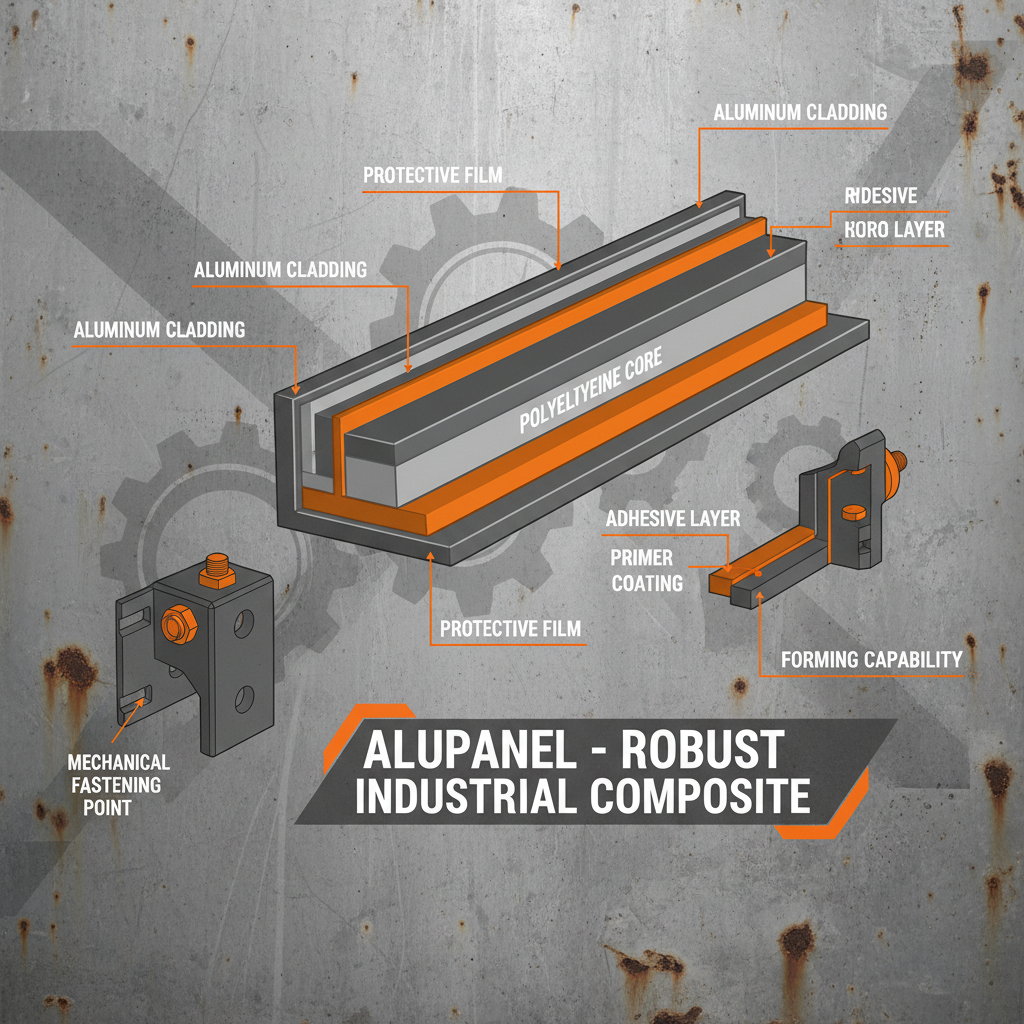
Decorative panels are prefabricated building materials designed primarily for aesthetic enhancement but often providing functional benefits such as sound absorption, fire resistance, and impact protection. They come in a diverse range of materials – including wood, metal, plastic, composites, and even glass – and can be applied to walls, ceilings, and other architectural surfaces. Their versatility allows for a wide spectrum of design possibilities, from classic to contemporary.
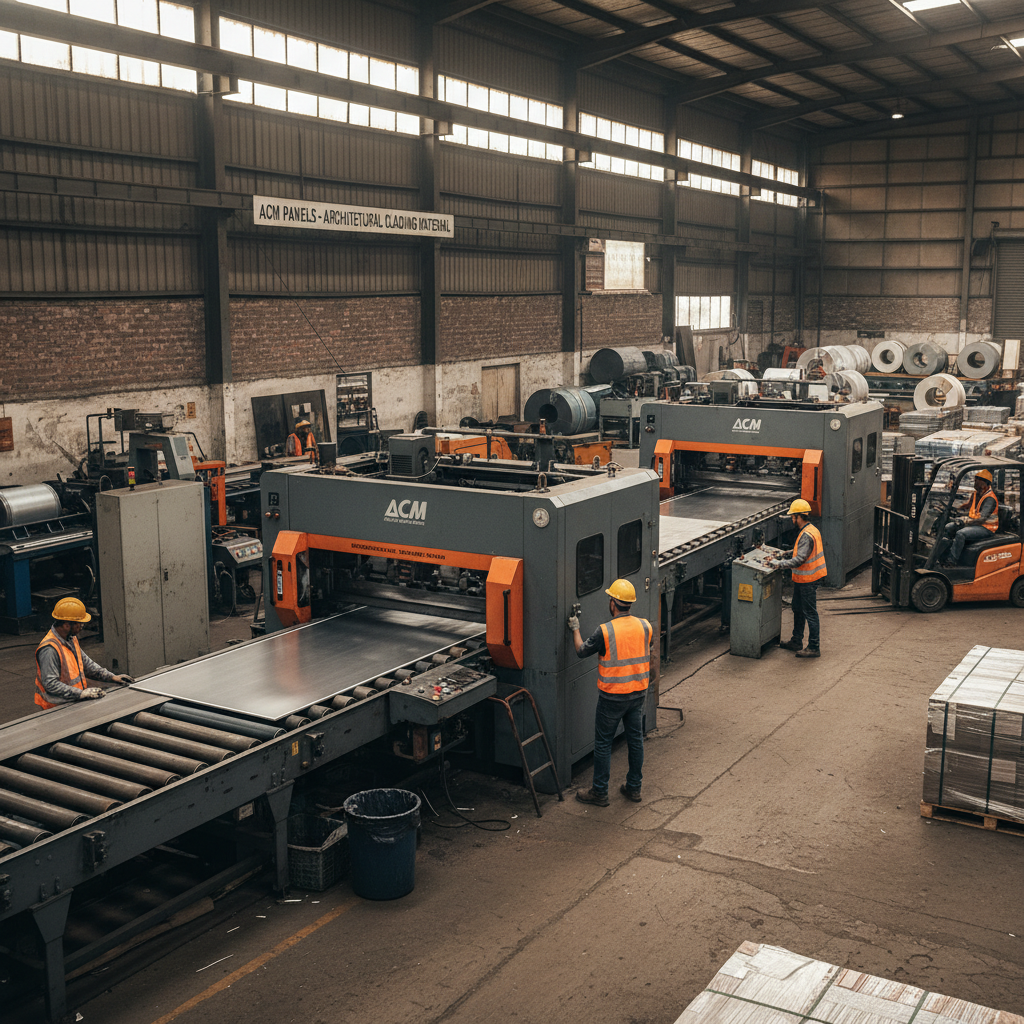
The connection to modern industry lies in the increasing demand for customizable and efficient building solutions. Traditional building methods often require significant on-site labor and generate substantial waste. Decorative panels, being pre-fabricated, streamline the construction process, reduce waste, and allow for precise design execution. This aligns with the principles of lean construction and industrialized building techniques.
Furthermore, in the context of humanitarian needs – such as disaster relief or rapid housing solutions – lightweight and easily installable decorative panels can play a vital role in providing safe, comfortable, and aesthetically pleasing shelter. Their ability to be quickly deployed and adapted to diverse environments makes them invaluable in emergency situations and for creating sustainable communities.
Key Factors or Core Components
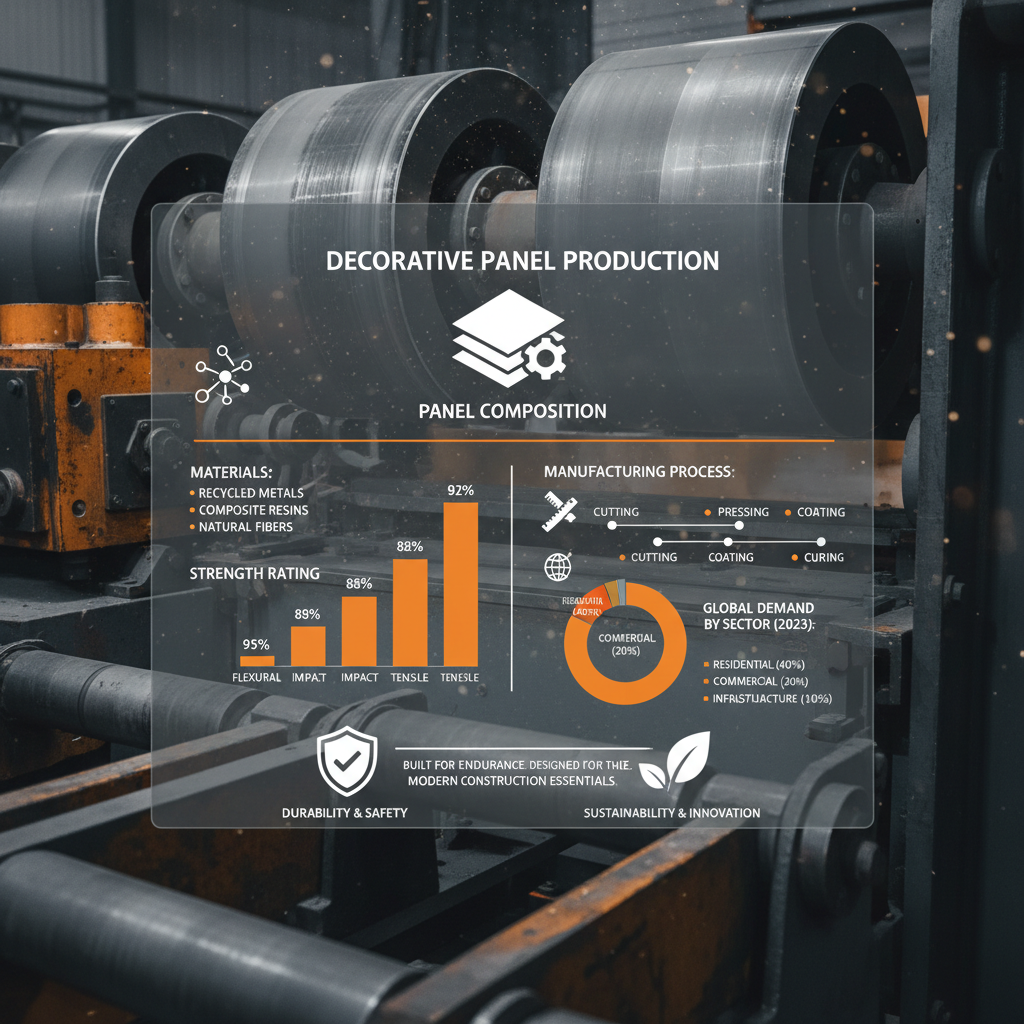
Durability: The lifespan and resistance to wear and tear are critical. Materials like high-density fiberboard (HDF) and aluminum offer excellent durability, while less robust materials may require more frequent replacement. Proper finishing and installation techniques also significantly impact longevity.
Aesthetic Versatility: The ability to mimic different materials (wood grain, stone, metal) and accommodate various design styles is a key advantage. Digital printing technology has expanded the possibilities exponentially, allowing for custom designs and intricate patterns. decorative panels can transform a space's look and feel.
Fire Resistance: Building codes often mandate specific fire resistance ratings for interior finishes. Panels made from fire-retardant materials or treated with fire-resistant coatings are essential for ensuring safety and compliance.
Cost-Effectiveness: The overall cost – including material, fabrication, installation, and maintenance – must be considered. While some materials are more expensive upfront, their durability and low maintenance requirements can result in long-term savings.
Sustainability: The environmental impact of the materials used, including sourcing, manufacturing, and disposal, is increasingly important. Choosing panels made from recycled materials, sustainably sourced wood, or low-VOC finishes can minimize environmental harm.
Acoustic Performance: For certain applications, such as offices or recording studios, the ability of panels to absorb sound and reduce noise levels is crucial. Panels with specialized acoustic cores can significantly improve the sound quality of a space.
Global Applications & Use Cases
Decorative panels are ubiquitous in residential construction, used for wall cladding, ceiling finishes, and furniture components. In commercial spaces, they’re commonly found in offices, retail stores, hotels, and restaurants, adding aesthetic appeal and enhancing the overall ambiance. They are also widely employed in healthcare facilities, where hygiene and durability are paramount.
In post-disaster relief operations, prefabricated decorative panels can be rapidly deployed to construct temporary shelters and community facilities. Their lightweight nature and ease of installation make them ideal for challenging environments. For example, following the 2010 Haiti earthquake, organizations utilized prefabricated panels to build emergency housing units, providing immediate shelter for displaced populations.
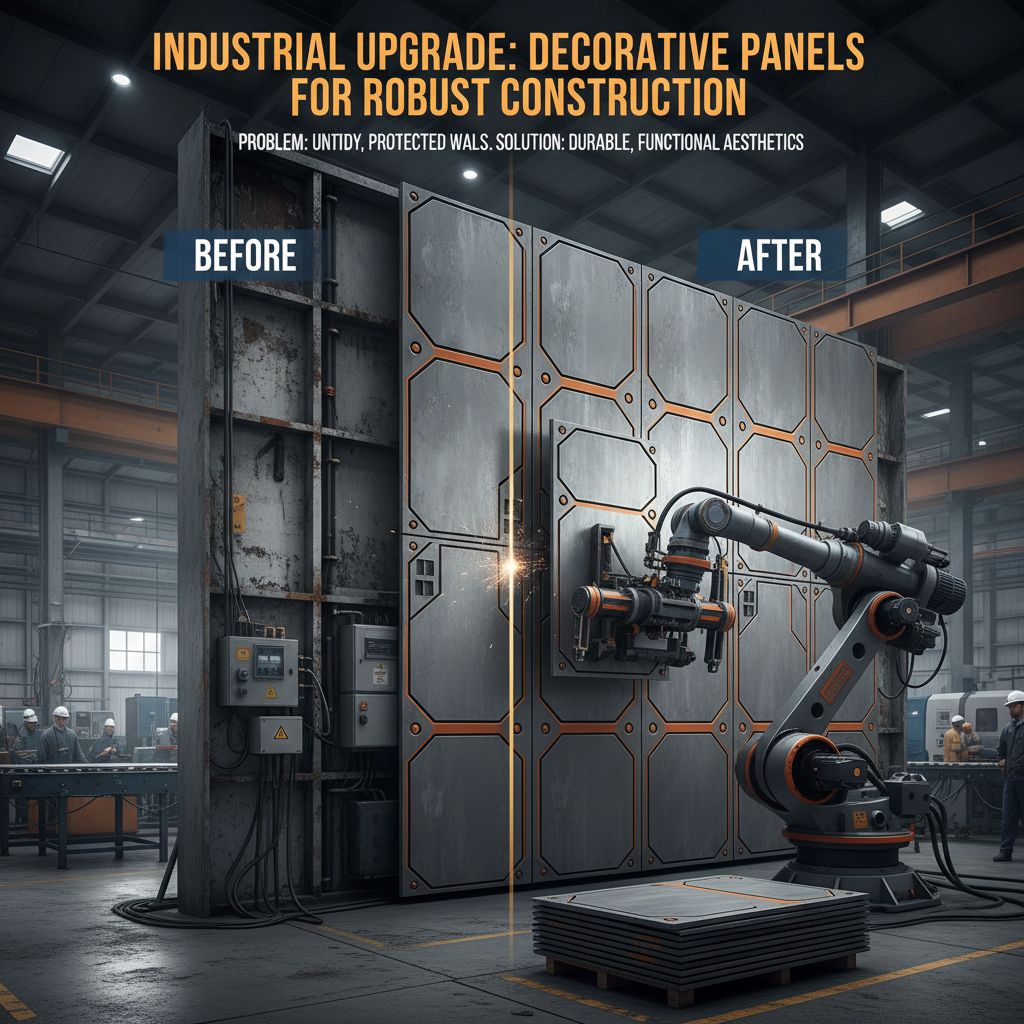
Furthermore, in remote industrial zones, decorative panels provide a cost-effective and efficient solution for constructing durable and aesthetically pleasing workspaces. The mining industry, for example, often uses these panels to create modular offices and accommodation units that can be easily disassembled and relocated as needed. The increasing demand for prefabricated and modular construction underscores the growing versatility of decorative panels across diverse industries and geographical locations.
Decorative Panels Application Rating by Industry
Advantages & Long-Term Value
The most tangible benefit of utilizing decorative panels is cost efficiency. Reduced labor costs due to faster installation, minimized material waste, and lower maintenance requirements contribute to significant long-term savings. Furthermore, the durability of many decorative panel materials ensures a longer lifespan, reducing the need for frequent replacements.
From a sustainability perspective, the increasing availability of recycled and renewable materials used in decorative panel manufacturing offers a compelling ecological advantage. Choosing panels made from sustainably sourced wood or recycled plastics reduces the carbon footprint of construction projects and aligns with green building practices. The use of low-VOC finishes also improves indoor air quality, contributing to healthier living and working environments.
Future Trends & Innovations
The future of decorative panels is heavily intertwined with advancements in materials science and digital fabrication. We're seeing a rise in the use of bio-based materials, such as mycelium composites and bamboo, offering sustainable alternatives to traditional wood and plastic. These materials not only reduce environmental impact but also possess unique aesthetic qualities.
Digital printing technologies are also evolving rapidly, enabling customized designs with unparalleled detail and precision. 3D-printed decorative panels are gaining traction, allowing for complex geometries and bespoke architectural features. The integration of smart technologies, such as embedded sensors and interactive surfaces, is also on the horizon, promising a new era of dynamic and responsive interior spaces.
Challenges & Solutions
A common challenge in the decorative panels industry is ensuring consistent quality and performance across different manufacturers and materials. Variations in material composition and manufacturing processes can lead to inconsistencies in durability, fire resistance, and aesthetic appearance. Independent certification programs, such as those offered by ASTM International, can help address this issue by setting clear standards and ensuring compliance.
Another challenge is the potential for VOC emissions from certain panel materials and finishes. Manufacturers are increasingly adopting low-VOC formulations and employing advanced coating technologies to minimize these emissions and improve indoor air quality.
Finally, the proper installation of decorative panels is critical for ensuring long-term performance and aesthetic appeal. Training programs for installers and clear installation guidelines are essential for minimizing errors and maximizing the lifespan of the panels.
Key Analysis of Decorative Panel Challenges and Solutions
| Challenge |
Impact Area |
Severity (1-10) |
Potential Solution |
| Inconsistent Material Quality |
Durability & Performance |
7 |
Independent Certification (ASTM) |
| High VOC Emissions |
Indoor Air Quality & Health |
8 |
Low-VOC Formulations & Coatings |
| Improper Installation |
Lifespan & Aesthetic Appeal |
6 |
Installer Training & Clear Guidelines |
| Limited Design Flexibility |
Architectural Creativity |
5 |
Advanced Digital Printing Technologies |
| Sustainability Concerns |
Environmental Impact |
7 |
Bio-Based & Recycled Materials |
| Supply Chain Disruptions |
Project Timelines & Costs |
6 |
Diversified Sourcing & Regional Production |
FAQS
Decorative panels offer several benefits over traditional finishes like paint or wallpaper. They are generally more durable, easier to clean, and provide better insulation properties. They also offer a wider range of design options, including the ability to mimic different materials and create custom patterns. Furthermore, the prefabricated nature of panels often leads to faster installation times and reduced labor costs, making them a cost-effective long-term solution.
The best material depends on your project’s specific needs. Consider factors like budget, aesthetic preferences, durability requirements, and environmental concerns. Wood panels offer a classic look but may require more maintenance. Metal panels are highly durable and fire-resistant. Plastic panels are lightweight and cost-effective. Composite panels offer a balance of properties and can be customized to meet specific requirements. Ensure the material meets relevant building codes and performance standards.
Certain decorative panel materials are well-suited for high-humidity environments. PVC panels are naturally water-resistant and are a popular choice for bathrooms and kitchens. Aluminum panels are also a good option, as they won't rust or corrode. Wood panels can be used, but they require a waterproof coating or sealant to prevent moisture damage. Proper ventilation is also crucial for preventing mold and mildew growth.
The lifespan of decorative panels varies depending on the material and installation quality. High-quality metal panels can last for decades with minimal maintenance. Wood panels, with proper care, can last for 20-30 years. Plastic and composite panels typically have a lifespan of 10-20 years. Regular cleaning and maintenance, such as applying protective coatings, can help extend the lifespan of any decorative panel material.
Professional installation is highly recommended, especially for complex designs or materials. Incorrect installation can lead to structural issues, aesthetic flaws, and reduced lifespan. Experienced installers have the knowledge and tools to ensure that the panels are properly aligned, secured, and sealed, maximizing their performance and appearance. Always verify the installer’s qualifications and experience.
Decorative panels can contribute significantly to sustainability through several avenues. Utilizing panels made from recycled materials reduces waste and conserves resources. Choosing panels from sustainably managed forests ensures responsible forestry practices. Low-VOC finishes improve indoor air quality. Furthermore, the durability and longevity of panels reduce the need for frequent replacements, minimizing waste over the building's lifecycle.
Conclusion
In conclusion, decorative panels represent a versatile and increasingly vital component of modern construction and design. From their aesthetic flexibility and functional benefits to their potential for sustainable sourcing and application, these materials offer a compelling solution for a wide range of projects. Understanding the key factors – durability, cost-effectiveness, fire resistance, and environmental impact – is crucial for making informed decisions and maximizing the long-term value of these investments.
Looking ahead, continued innovation in materials science and digital fabrication promises to unlock even greater possibilities for decorative panels. Embracing sustainable practices, prioritizing quality and performance, and investing in skilled installation are essential for realizing the full potential of this dynamic sector. To explore a diverse range of high-quality decorative panels and discuss your project needs, visit our website today.