Look, I've been on more construction sites than I've had hot dinners. When you're knee-deep in dust, wrestling with materials, and trying to keep a schedule on track, you quickly learn what really matters. And lately, what's been mattering more and more is efficient, reliable, and quickly deployable infrastructure – that’s where chapa acm comes in. It’s not some fancy tech buzzword, it's a practical solution to real-world problems, from disaster relief to rapid industrial expansion. We’re talking about building better, faster, and smarter.
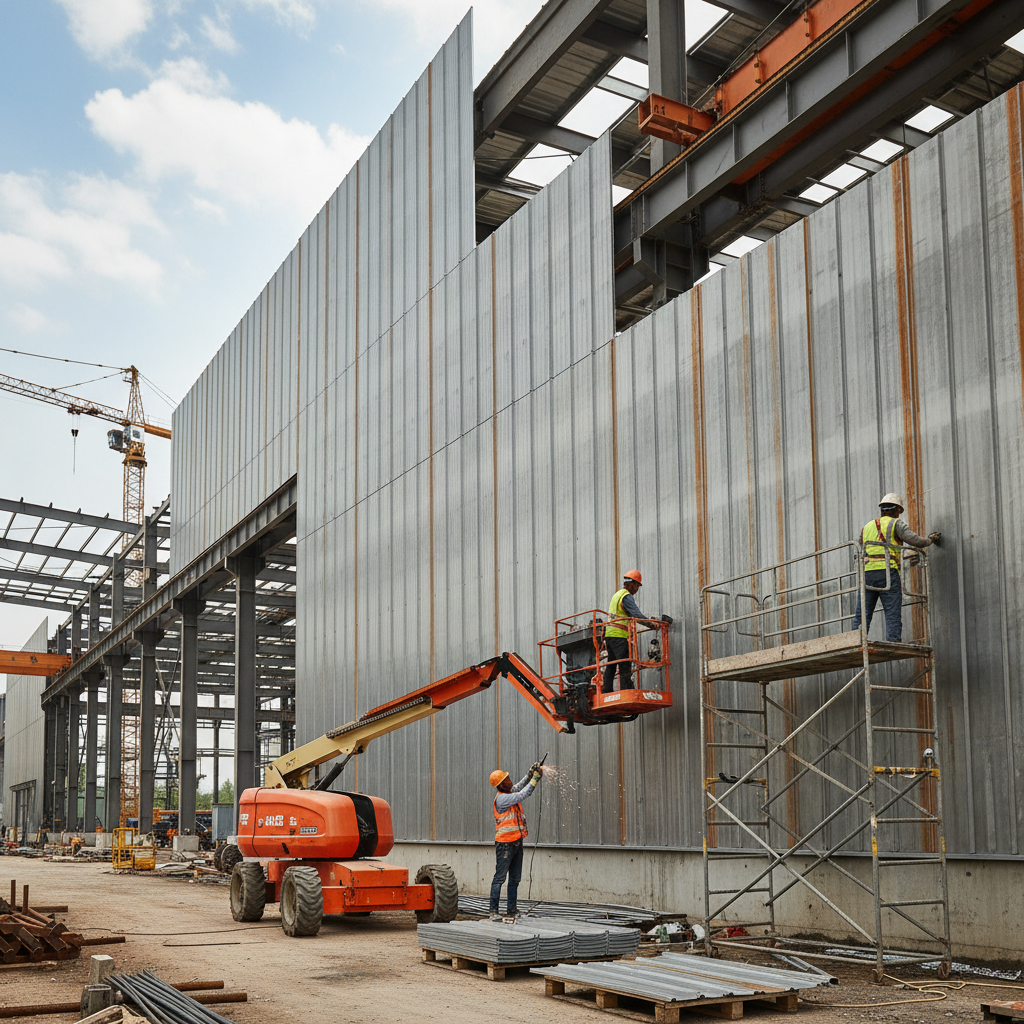
For years, we've relied on traditional construction methods – brick, mortar, concrete. They have their place, sure, but they’re slow, labor-intensive, and frankly, not always adaptable enough for today's needs. chapa acm offers a different path. It’s about prefabrication, modularity, and streamlining the entire build process. It allows us to react to changing demands quicker and deliver critical infrastructure where and when it’s needed most.
I've seen first-hand how transformative this approach can be. It’s not just about cost savings, though those are significant. It’s about reducing disruption, improving safety, and getting people back on their feet after a crisis. It's about providing shelter, schools, and essential services in a fraction of the time it used to take. It’s a game-changer, plain and simple.
The Global Significance of chapa acm
The world is changing fast. We're seeing increased urbanization, more frequent natural disasters, and a growing demand for affordable housing and essential infrastructure. According to the UN, over half the world's population lives in urban areas, a number projected to reach 68% by 2050. This puts immense pressure on existing infrastructure. chapa acm isn't just a construction method; it's a response to these global challenges. It allows us to build faster, more efficiently, and with less environmental impact.
It addresses a critical need for rapid deployment in emergency situations. When a disaster strikes, every minute counts. Traditional construction simply can't keep pace. chapa acm, with its prefabrication and modularity, provides a lifeline, offering immediate shelter, medical facilities, and essential services to those in need. It’s a practical answer to a heartbreaking reality.
Defining chapa acm: A Modern Solution
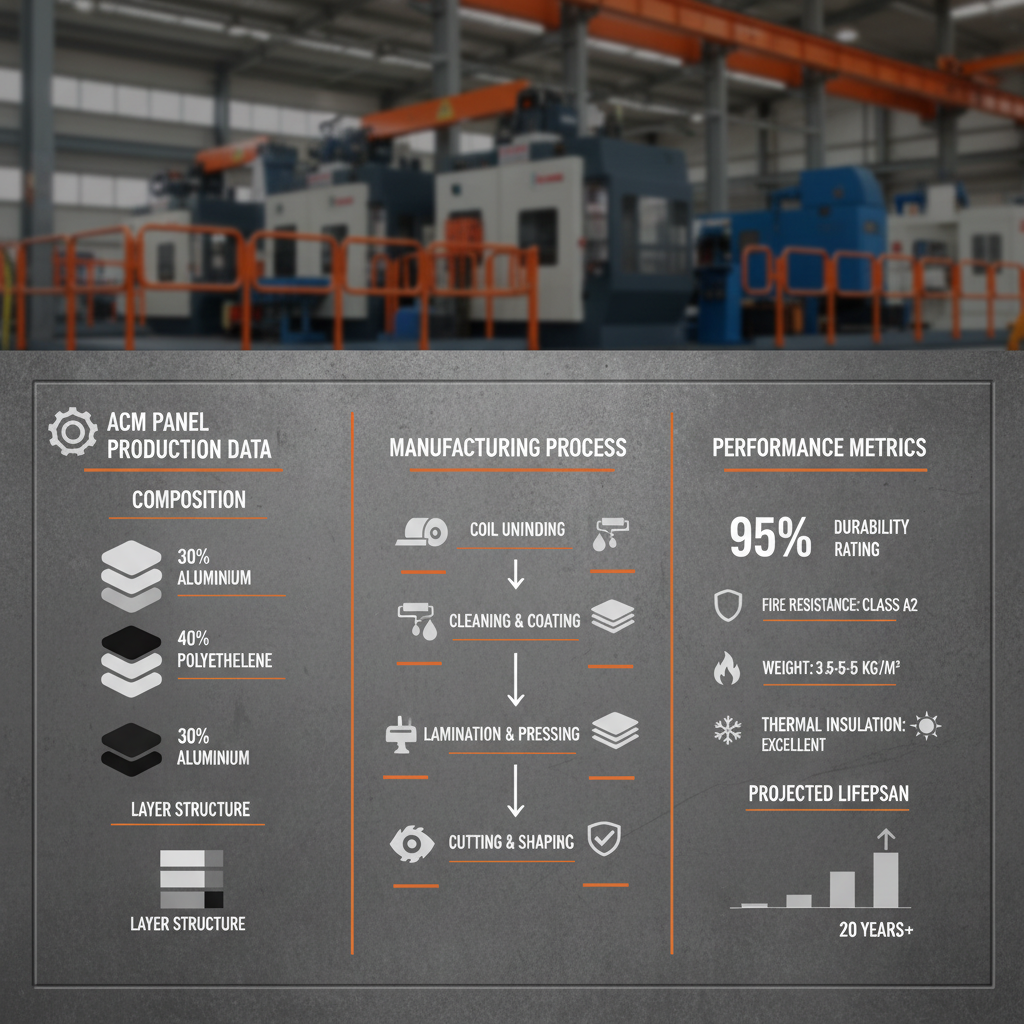
Simply put, chapa acm, in its most basic form, leverages pre-engineered, prefabricated modules that can be rapidly assembled on-site. Think of it like building with giant LEGO bricks. These modules are typically constructed from durable materials like steel and composite panels, designed for strength, longevity, and ease of transport. It’s a departure from the traditional ‘stick-built’ method where everything is constructed piece by piece at the build site.
It’s directly connected to the modern need for adaptable, scalable infrastructure. Whether it's a temporary field hospital, a school in a remote location, or an expansion of an existing industrial facility, chapa acm provides a solution that can be tailored to specific needs and easily modified as those needs evolve. It’s about building for the future, not just for today.
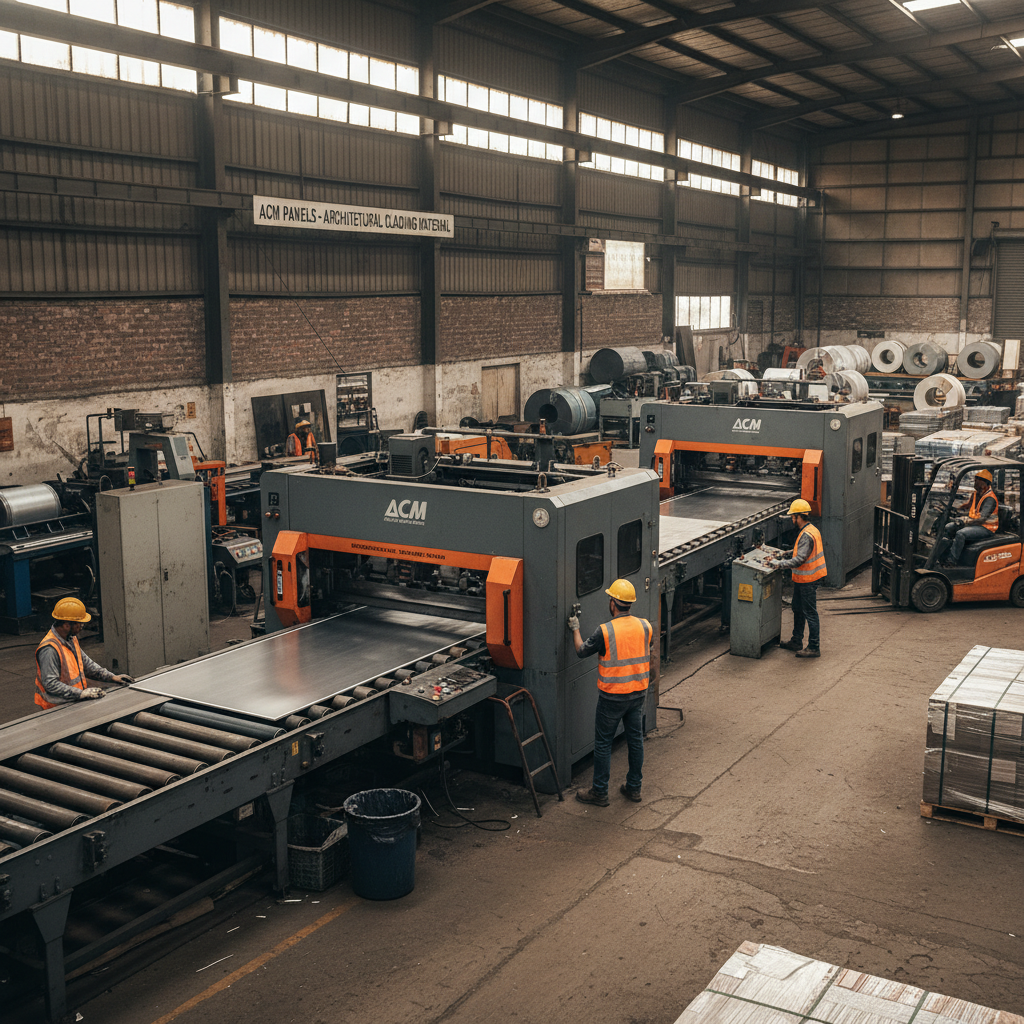
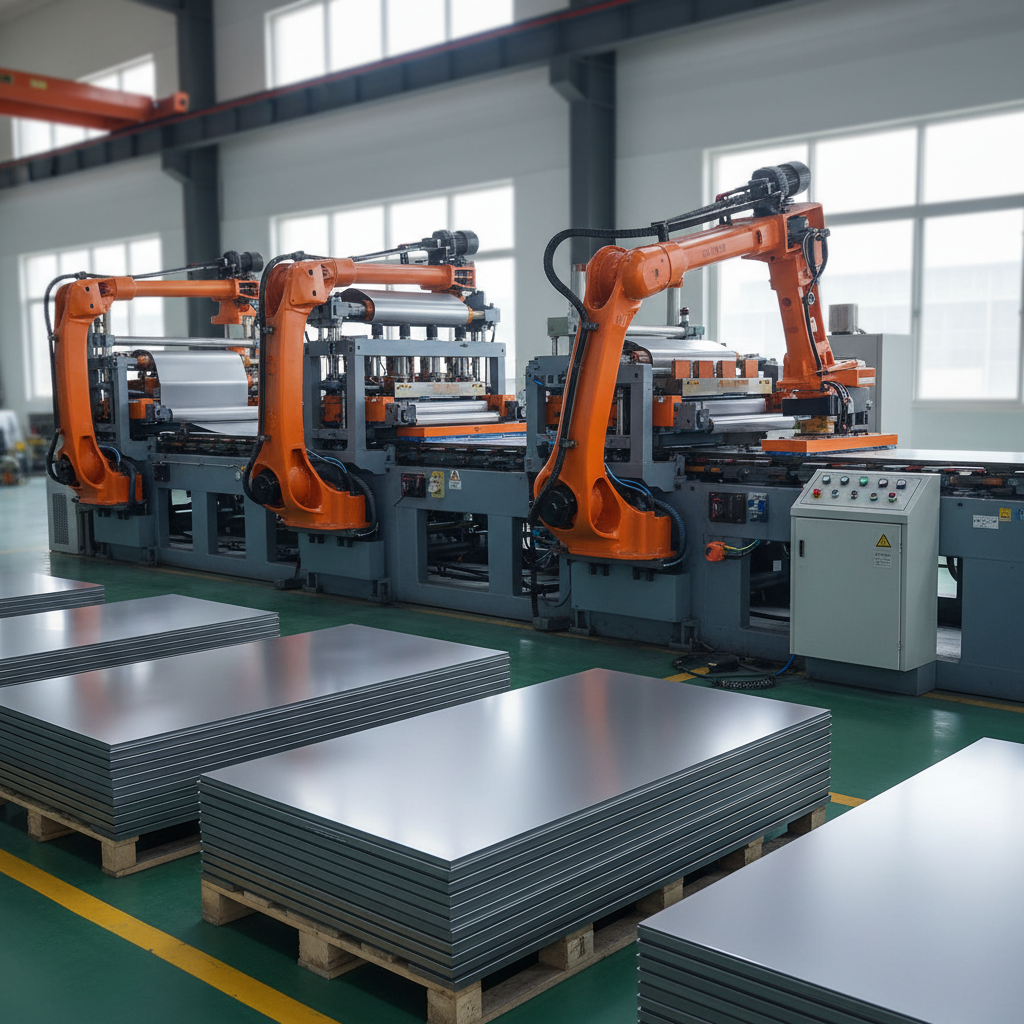
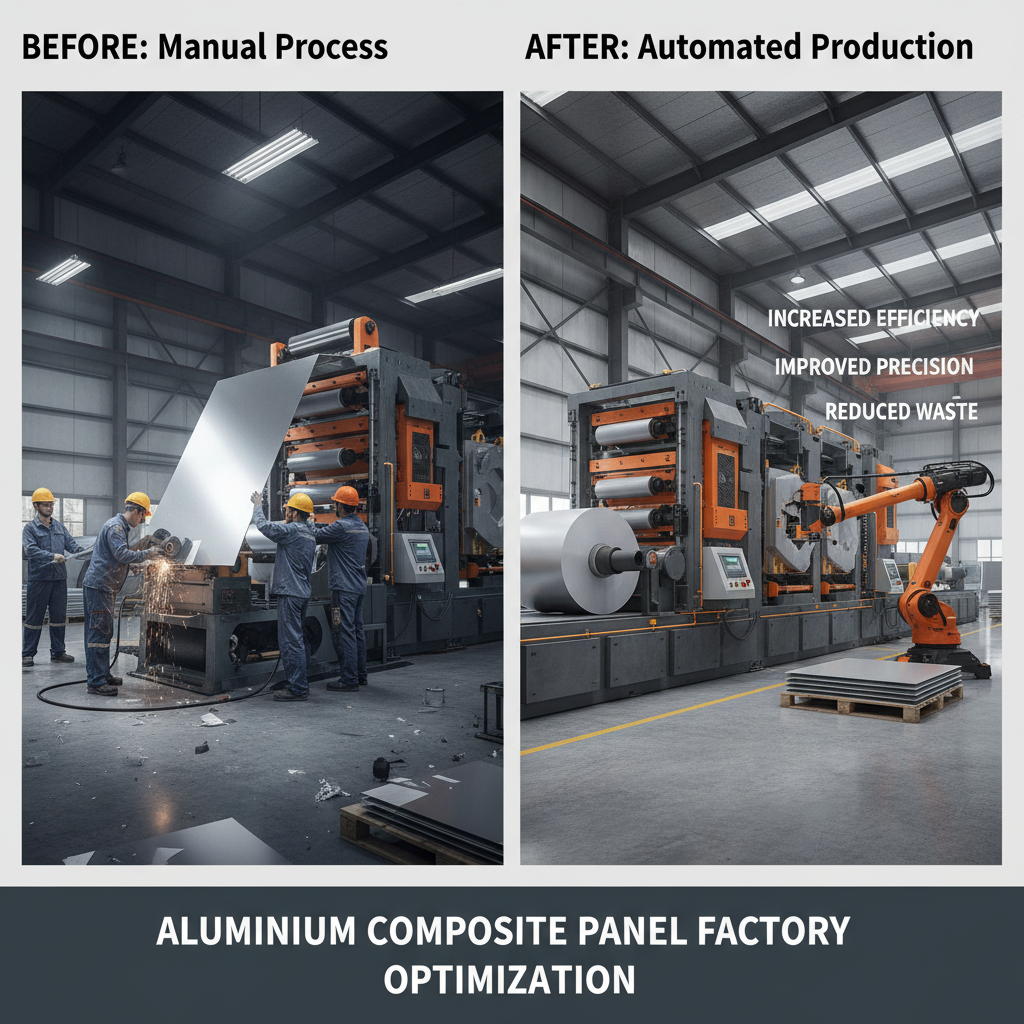
The beauty lies in the control it offers. Manufacturing happens in a controlled factory environment, meaning higher quality, reduced waste, and better adherence to safety standards. That translates to lower costs, faster completion times, and a more reliable end product, something you can really count on when lives or businesses are on the line.
Core Components of Effective chapa acm
Durability: These structures aren't flimsy. They’re engineered to withstand harsh weather conditions, seismic activity, and heavy use. The materials used – often high-grade steel and composite panels – are chosen for their strength and resistance to corrosion and wear. I've seen these units stand up to some seriously rough environments.
Scalability: Need more space? chapa acm allows you to easily add or remove modules as your needs change. It’s not like traditional construction where an addition is a major undertaking. With modular construction, you’re essentially snapping on another piece. It’s a huge advantage for businesses that are growing or adapting to fluctuating demands.
Cost Efficiency: While the upfront cost can sometimes be similar to traditional construction, the long-term savings are significant. Reduced labor costs, faster completion times, and minimal site disruption all contribute to a lower overall cost of ownership. Plus, less waste means less material expense.
Practical Applications Across Industries
We’re seeing chapa acm pop up everywhere. In post-disaster relief operations, it's providing immediate shelter and medical facilities. In remote industrial zones, it’s creating comfortable and functional accommodation for workers. I’ve even seen it used for constructing temporary schools in underserved communities. The possibilities are really quite broad.
The oil and gas industry, for example, frequently utilizes chapa acm for remote site accommodations and control rooms. The speed of deployment is critical in these environments. Similarly, the healthcare sector is adopting it for building temporary hospitals and expanding existing facilities quickly and efficiently. It’s a lifeline during peak demand.
chapa acm Application Rates by Sector
Advantages and Long-Term Value Proposition
The benefits go way beyond just speed and cost. chapa acm structures are inherently more sustainable than traditional builds. Less waste generated during manufacturing, reduced transportation costs, and the potential for repurposing or relocating modules all contribute to a smaller environmental footprint. It's a responsible choice.
From a purely practical standpoint, the quality control is phenomenal. Because construction happens in a factory setting, you eliminate a lot of the variables that can lead to errors on a traditional job site. This results in a more reliable, durable structure that requires less maintenance over the long term. That peace of mind is worth a lot.
Emerging Trends and Innovations in chapa acm
We're starting to see some really exciting innovations in materials science related to chapa acm. Things like self-healing concrete, advanced composite panels, and smart building technologies are being integrated into modular designs. These advancements are pushing the boundaries of what’s possible.
The integration of digital twins and Building Information Modeling (BIM) is also revolutionizing the process. These technologies allow us to create virtual models of structures, simulate performance, and optimize designs before a single module is even built. It’s all about precision and efficiency.
Challenges and Solutions in chapa acm Implementation
It's not all sunshine and roses. One of the biggest challenges is transportation. Getting those large modules to remote locations can be tricky and expensive. But we're seeing advancements in logistics and specialized transportation equipment that are mitigating those challenges.
Another hurdle is regulatory approval. Building codes are often geared towards traditional construction methods, so getting approval for modular structures can sometimes be a slow process. Collaboration between industry professionals and regulatory bodies is essential to streamline the approval process and ensure that chapa acm is embraced as a viable and safe building solution.
Finally, upfront planning is crucial. Because you’re dealing with prefabrication, you need to have a clear understanding of your needs and specifications from the outset. Change orders can be costly and time-consuming.
Table Summarizing Key Challenges and Solutions in chapa acm Implementation
| Challenge Area |
Severity Level (1-10) |
Potential Solutions |
Implementation Cost (Estimate) |
| Transportation Logistics |
7 |
Optimized Routing, Specialized Trailers |
$50,000 - $200,000 |
| Regulatory Compliance |
8 |
Industry Advocacy, Standardized Guidelines |
$20,000 - $50,000 |
| Initial Design Planning |
6 |
Detailed BIM Modeling, Expert Consultation |
$10,000 - $30,000 |
| Module Connection & Integration |
5 |
Precision Manufacturing, Experienced Installers |
$15,000 - $40,000 |
| Material Supply Chain Disruption |
4 |
Diversified Sourcing, Strategic Inventory Management |
$5,000 - $15,000 |
| Skilled Labor Availability |
6 |
Training Programs, Apprenticeships |
$10,000 - $25,000 |
FAQS
Generally, chapa acm projects boast significantly shorter lead times – often 30-50% faster than traditional builds. This is due to the parallel manufacturing process; while site preparation occurs, the modules are being constructed in a factory. This minimizes delays caused by weather, material shortages, or labor issues. Precise lead times depend on project complexity, module size, and transportation distances, but the speed advantage is consistently substantial.
Absolutely, with the right engineering and material selection. chapa acm structures can be adapted to withstand extreme temperatures, high winds, seismic activity, and even corrosive environments. We use specialized coatings, insulation, and foundation systems to ensure durability in challenging conditions. The modular design allows for easier reinforcement and adaptation to specific regional needs.
While the initial per-square-foot cost can be comparable, the overall lifecycle cost of chapa acm often proves to be lower. Faster construction times translate to reduced labor costs. Less waste and improved quality control minimize long-term maintenance expenses. Plus, the potential for future modifications or relocation adds to the cost-effectiveness.
A surprising amount! While there are inherent limitations due to the modular nature, chapa acm allows for considerable customization in terms of interior finishes, exterior cladding, window placement, and overall layout. We work closely with clients to tailor designs to their specific requirements and aesthetic preferences, within the constraints of the modular framework.
Permitting can sometimes be more complex, as building codes are often geared toward traditional construction. It requires close collaboration with local authorities and a thorough understanding of modular building regulations. We assist our clients through this process, providing the necessary documentation and engineering certifications to ensure compliance. Increasingly, jurisdictions are recognizing the benefits of chapa acm and streamlining the approval process.
That’s a key advantage! chapa acm modules are designed to be demountable and relocatable, making them ideal for projects with uncertain long-term needs. Expansion is equally straightforward – simply add more modules as required. This flexibility provides a significant advantage over traditional construction, which is far less adaptable.
Conclusion
chapa acm isn't just about building faster or cheaper; it's about building smarter, more sustainably, and with a greater degree of adaptability. From addressing the global housing crisis to responding to natural disasters, its potential is vast. It's a practical solution to real-world problems, offering a compelling alternative to traditional construction methods. It allows flexibility and control, and can provide a safe and reliable building solution.
Looking ahead, the continued innovation in materials science, digital technologies, and manufacturing processes will only amplify the benefits of chapa acm. I encourage anyone facing building challenges – whether it's a quick-turnaround project, a remote location, or a need for flexible infrastructure – to explore the possibilities. Visit our website at www.acmfactory.com to learn more and discover how we can help you build the future, today.