alupanels represent a significant advancement in modular construction, offering versatile solutions for diverse needs ranging from rapid disaster relief to affordable housing and industrial spaces. Their inherent flexibility and ease of assembly are transforming how we approach building, particularly in challenging environments where traditional construction methods are inefficient or impractical. This technology is evolving quickly, driven by demands for sustainable and cost-effective infrastructure.
Globally, the need for accessible and rapidly deployable infrastructure is escalating, fueled by increasing urbanization, climate change-induced disasters, and humanitarian crises. alupanels are uniquely positioned to address these challenges, providing a scalable and adaptable building solution. The United Nations estimates over 160 million people globally require adequate housing, and alupanels can contribute significantly to meeting this demand.
The growing demand for sustainable building practices further propels the adoption of alupanels. By offering reduced material waste and faster construction times, they align with global efforts to minimize environmental impact and promote resource efficiency. The ability to customize designs and integrate renewable energy systems enhances their appeal for environmentally conscious projects.
Introduction to alupanels
alupanels are pre-engineered, modular building components designed for rapid assembly and adaptability. These systems often utilize lightweight materials and interlocking mechanisms, allowing for efficient construction with minimal specialized labor. This makes them ideal for applications where speed and cost-effectiveness are critical. alupanels offer a compelling alternative to conventional building methods.
The core benefit lies in the ability to create durable, weather-resistant structures with significantly reduced on-site construction time. This translates into lower labor costs, faster project completion, and minimized disruption to surrounding areas. Further enhancing their appeal is the potential for easy disassembly and relocation, adding to their lifecycle value and sustainability.
Defining alupanels
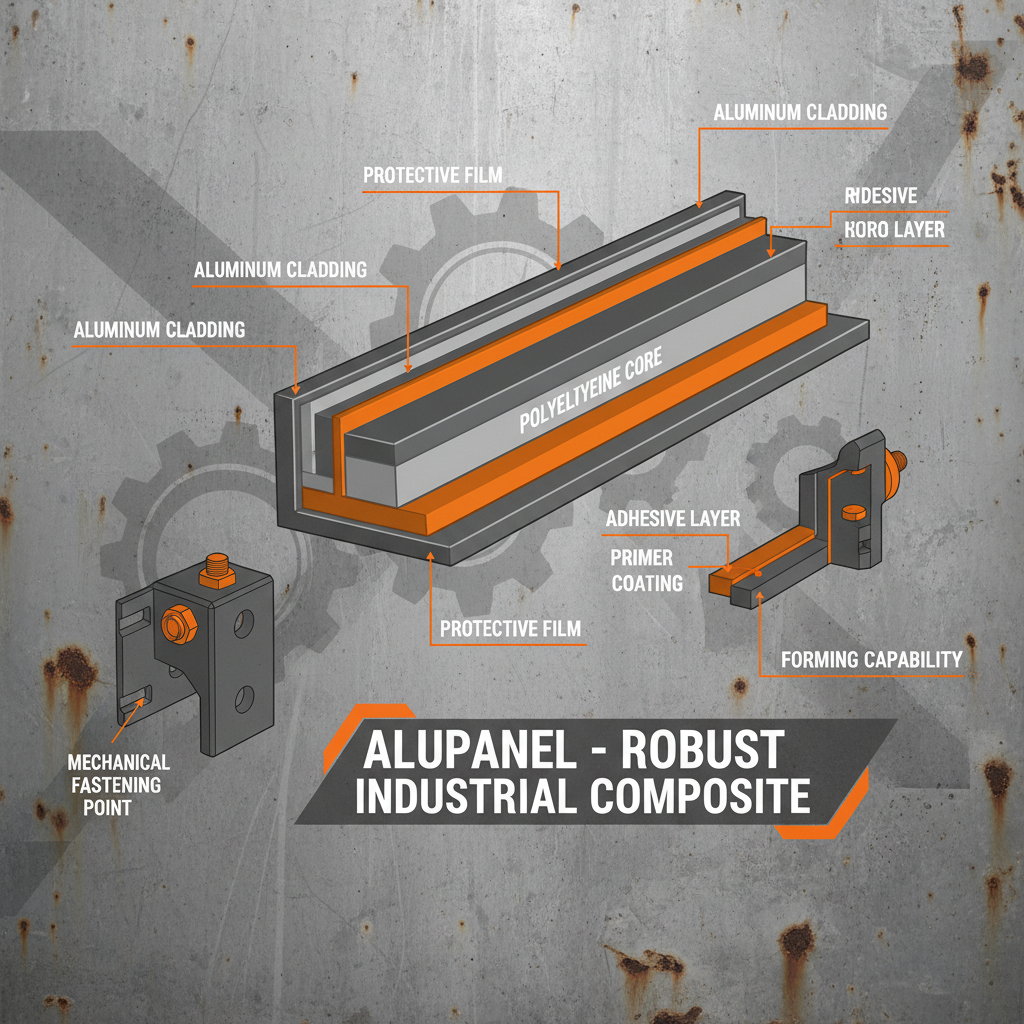
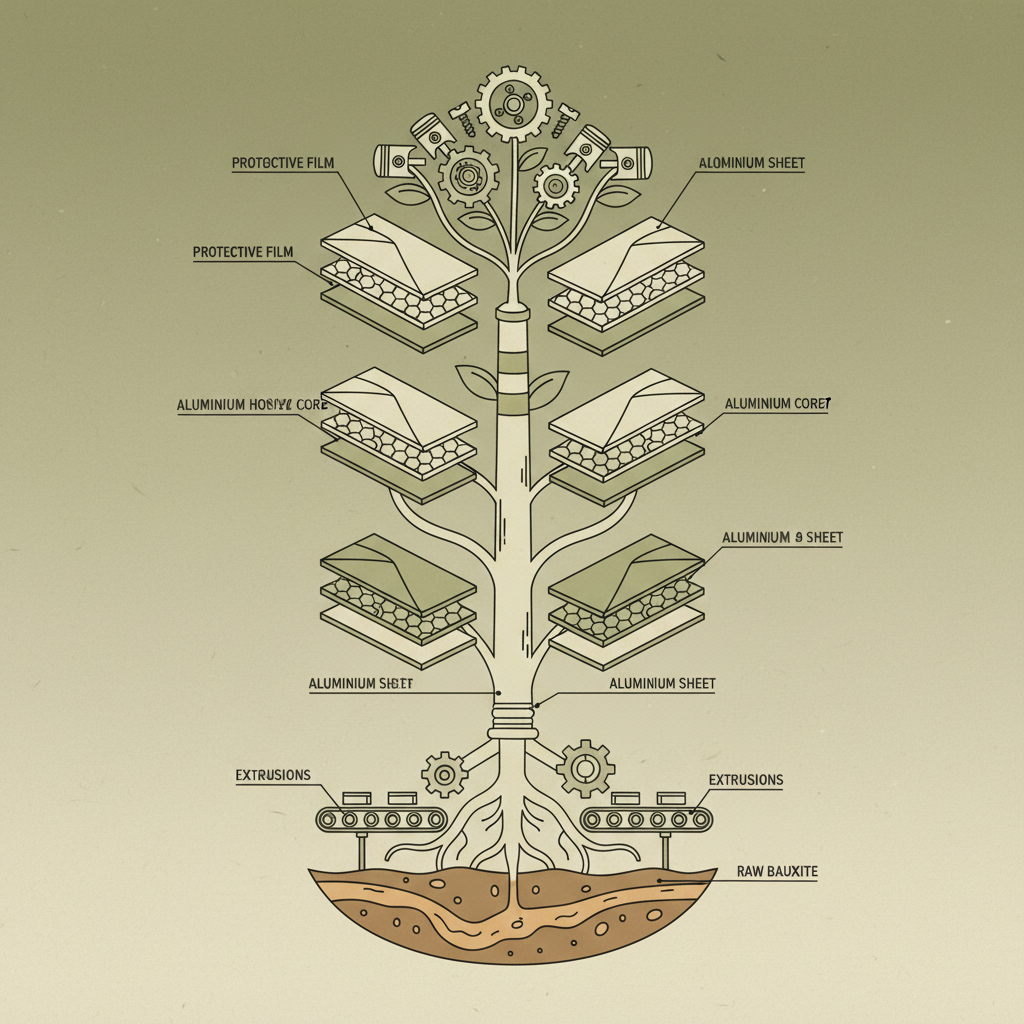
At their most basic, alupanels are prefabricated structural panels, often constructed from materials like composite aluminum, steel framing, or engineered polymers. They are designed to interlock seamlessly, creating a structurally sound and weather-tight building envelope. These panels often integrate insulation, wiring conduits, and even plumbing elements, streamlining the construction process.
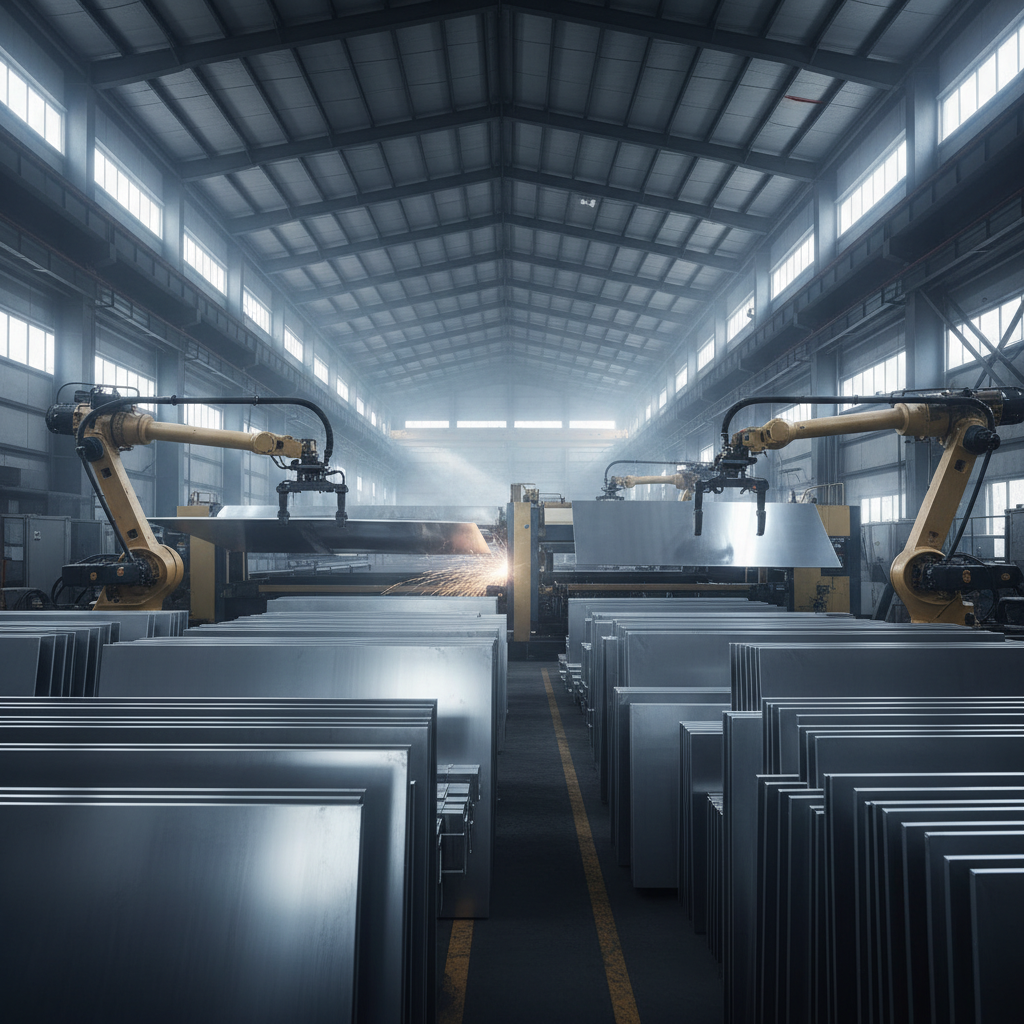
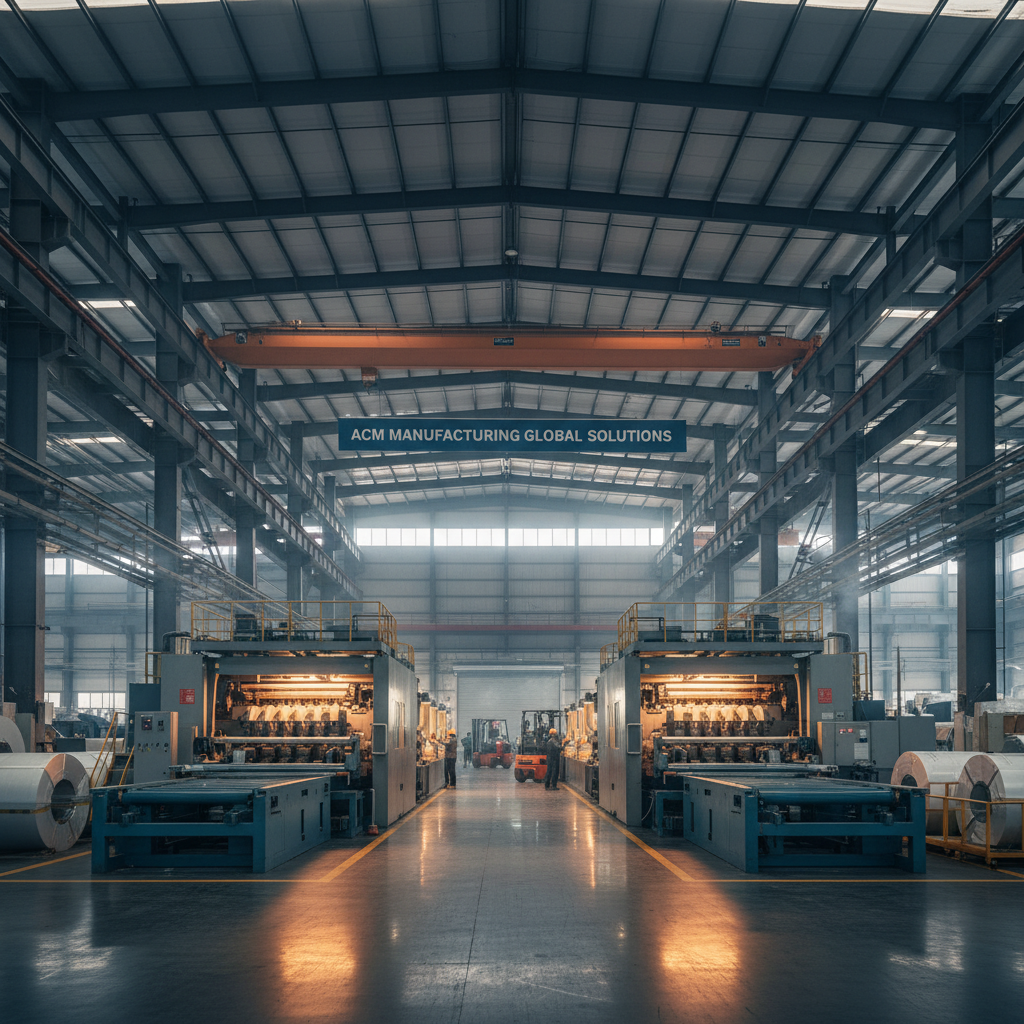
The connection to modern industry lies in the principles of mass production and modular design, mirroring advancements in manufacturing and assembly line techniques. This approach allows for consistent quality control and scalability, meeting the demands of both small-scale and large-scale construction projects. Their adaptability positions them as a solution to diverse challenges.
Crucially, alupanels bridge a gap between the need for rapid deployment and the desire for permanent, durable structures. They are not simply temporary shelters; they can form the foundation of long-lasting buildings, providing a stable and safe environment for communities and industries alike.
Core Characteristics of alupanels
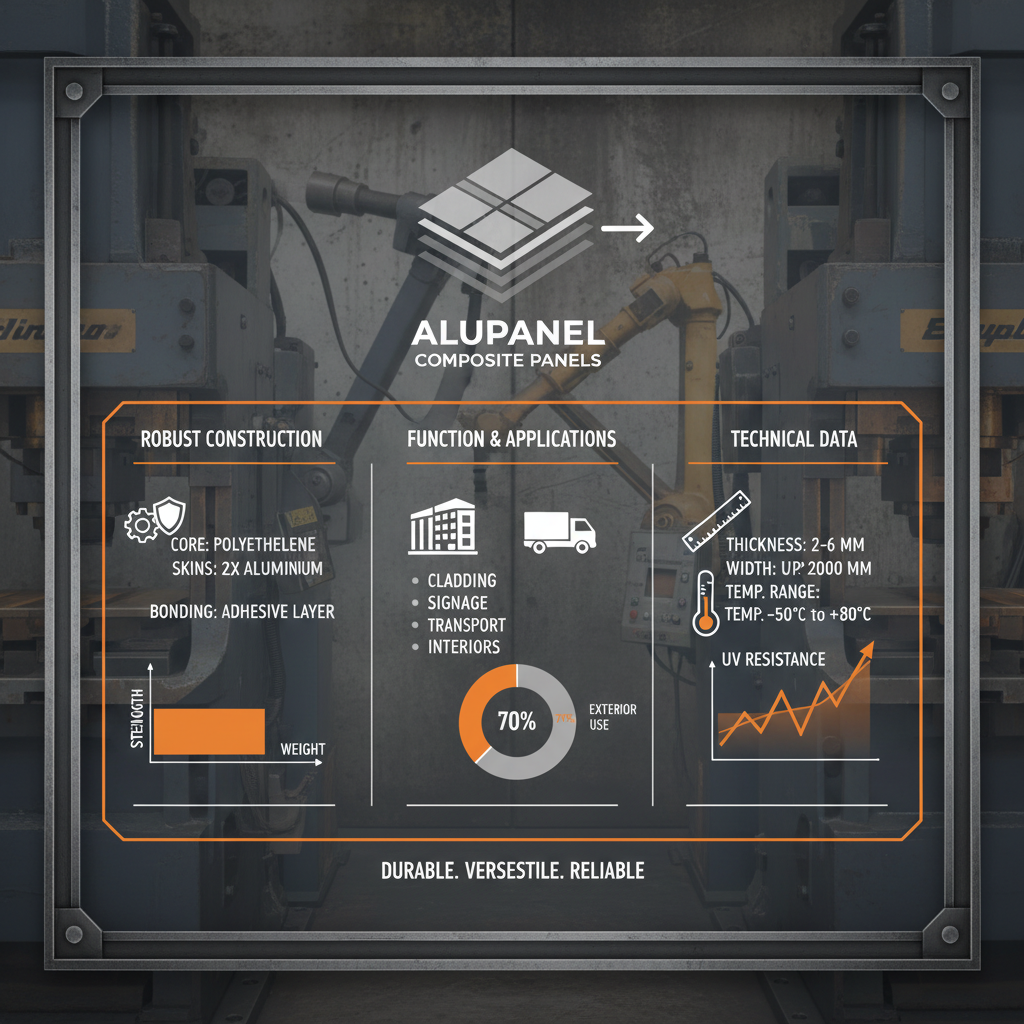
One of the most defining characteristics of alupanels is their Durability. High-quality materials and robust construction techniques ensure resistance to harsh weather conditions, corrosion, and physical damage, leading to a longer lifespan and reduced maintenance costs. The structural integrity of alupanels is a key feature attracting a wider range of applications.
Scalability is another critical advantage. alupanels can be easily combined and reconfigured to create structures of varying sizes and complexities, adapting to changing needs and site constraints. This flexibility is particularly valuable in situations where precise dimensions are unknown or may need to be adjusted during the building process.
Cost Efficiency is a significant driver of alupanels’ growing popularity. Reduced labor costs, faster construction times, and minimized material waste all contribute to lower overall project expenses. Furthermore, the potential for relocation and reuse adds to their long-term economic value.
alupanels: Performance and Metrics
Evaluating the performance of alupanels requires considering several key metrics. Structural Strength, often measured in PSI (pounds per square inch), determines the load-bearing capacity of the panels. Thermal Resistance, quantified by R-value, indicates their ability to insulate against heat transfer. alupanels typically demonstrate excellent performance in both areas.
Furthermore, assessing Fire Resistance, using ratings like ASTM E84, is crucial for safety compliance. Acoustic Performance, measured in STC (Sound Transmission Class), determines the level of sound isolation provided by the panels. These quantifiable metrics provide a clear understanding of the capabilities and limitations of different alupanels systems.
Performance Comparison of alupanels Methods
Global Applications of alupanels
alupanels are finding application in a wide range of sectors globally. In post-disaster relief operations, they provide rapid shelter solutions for displaced populations. Organizations like the Red Cross and UNHCR are increasingly utilizing modular structures based on alupanels for emergency housing. Their quick deployment capability is invaluable in crisis situations.
In remote industrial zones, such as mining camps or construction sites, alupanels offer cost-effective and comfortable accommodation for workers. The ability to quickly erect and dismantle these structures minimizes logistical challenges and reduces overall project costs. They’re also finding traction in the development of affordable housing projects in urban areas.
The Long-Term Value of alupanels
Beyond immediate cost savings, alupanels offer significant long-term value. Their durability reduces maintenance requirements and extends the lifespan of the structure, resulting in lower lifecycle costs. The inherent flexibility of these systems allows for easy adaptation to changing needs, preventing obsolescence.
Furthermore, the sustainable nature of alupanels, with reduced material waste and potential for recyclability, enhances their appeal to environmentally conscious consumers and organizations. This commitment to sustainability builds trust and strengthens brand reputation. Their inherent safety and resilience contribute to peace of mind for occupants.
Future Trends in alupanels Technology
The future of alupanels is closely tied to advancements in materials science and digital fabrication. The development of even lighter and stronger composite materials will further enhance their performance and reduce transportation costs. Integration of smart technologies, such as sensors and automated control systems, will create intelligent buildings that optimize energy efficiency and occupant comfort.
The increasing adoption of Building Information Modeling (BIM) and 3D printing will streamline the design and manufacturing process, enabling greater customization and faster turnaround times. Focus on sustainable and circular economy principles will drive the development of recyclable alupanels and closed-loop material systems.
The rise of prefabricated, modular construction and its integration with green energy technologies will position alupanels as a cornerstone of sustainable and resilient infrastructure development worldwide. alupanels will be a driving force for innovation in the construction industry.
Summary of Key Challenges and Potential Solutions for alupanels
| Challenge |
Impact on alupanels Adoption |
Potential Solution |
Implementation Difficulty (1-10) |
| High Initial Investment Costs |
Can deter smaller projects or cost-sensitive clients. |
Government incentives and financing options. |
6 |
| Lack of Standardized Regulations |
Creates uncertainty and delays in permitting processes. |
Development of clear building codes and standards for modular construction. |
7 |
| Supply Chain Disruptions |
Can lead to delays in material delivery and increased costs. |
Diversifying suppliers and establishing local manufacturing hubs. |
5 |
| Skilled Labor Shortages |
Limits the ability to efficiently assemble and install alupanels. |
Investing in training programs and apprenticeships. |
8 |
| Public Perception and Acceptance |
Some resistance to modular construction due to preconceived notions about quality. |
Demonstration projects and educational campaigns. |
4 |
| Transportation Logistics |
Moving large panels can be complex and expensive. |
Optimized panel sizes and efficient transportation routes. |
6 |
FAQS
alupanels offer several key advantages, including significantly faster construction times, reduced labor costs, and minimized material waste. They are also highly adaptable, allowing for easy customization and relocation. Unlike traditional construction, which can be heavily weather-dependent, alupanels assembly can continue largely unaffected by inclement conditions. This leads to substantial time and cost savings.
Well-engineered alupanels are designed to withstand a wide range of extreme weather conditions. Their structural integrity, coupled with robust connections, provides resistance to high winds and seismic activity. Many alupanels systems are independently tested and certified to meet or exceed relevant building codes and safety standards. However, the specific performance will depend on the design and materials used.
Yes, alupanels are increasingly recognized as a sustainable building solution. Their manufacturing process generates less waste compared to traditional construction, and the use of lightweight materials reduces transportation emissions. Furthermore, the potential for disassembly and reuse minimizes landfill waste. The integration of energy-efficient insulation and renewable energy systems further enhances their sustainability.
The lifespan of an alupanels building is comparable to that of traditionally constructed buildings, typically ranging from 50 to 100 years or more, depending on the quality of materials, design, and maintenance. The inherent durability of alupanels and their resistance to corrosion contribute to their longevity. Regular inspections and maintenance are crucial for maximizing their lifespan.
While alupanels are designed for relatively easy assembly, some level of skilled labor is required. The process typically involves trained technicians or construction workers with experience in modular construction. However, the assembly process is generally faster and requires less specialized expertise compared to traditional building methods.
One common challenge is the lack of standardized building codes specifically addressing modular construction. This can lead to delays in the permitting process, as local authorities may require additional documentation or inspections. However, as modular construction becomes more prevalent, building codes are being updated to address these structures. Working with experienced architects and engineers familiar with alupanels can help streamline the permitting process.
Conclusion
alupanels represent a paradigm shift in the construction industry, offering a compelling combination of speed, cost-effectiveness, durability, and sustainability. Their adaptability makes them suitable for a wide range of applications, from disaster relief and affordable housing to industrial facilities and remote infrastructure projects. By embracing modular design and advanced materials, alupanels are helping to address critical global challenges.
Looking ahead, continued innovation in materials science, digital fabrication, and building codes will further unlock the potential of alupanels. Investing in research and development, promoting standardization, and fostering collaboration between industry stakeholders will be essential for accelerating the adoption of this transformative technology. To learn more about how alupanels can revolutionize your next project, visit our website: www.acmfactory.com.