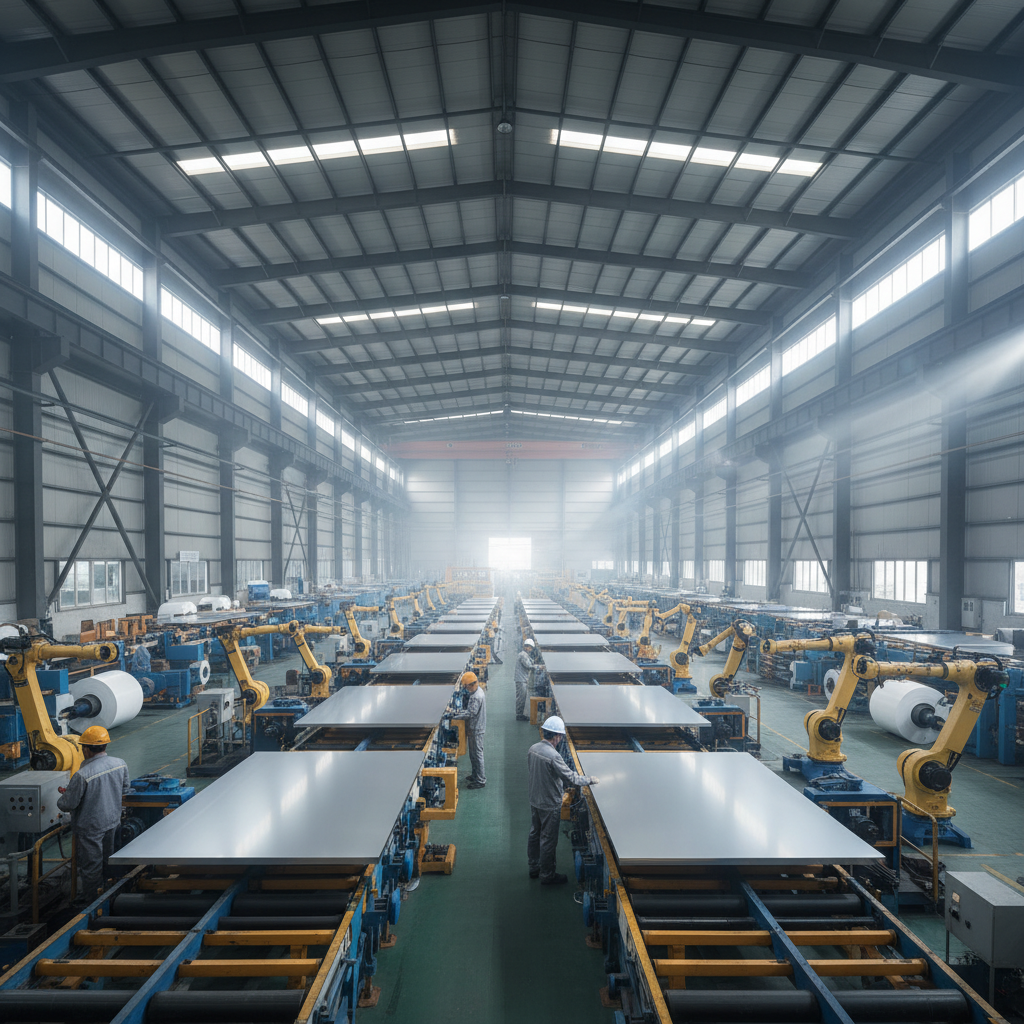
Look, been running around construction sites all year, seen a lot. Lately, everyone's obsessed with prefabrication, modular builds, right? aluminium panel manufacturers are everywhere now. Used to be just cladding, now it’s entire building facades. To be honest, it's a good thing, speeds things up, less waste, but…it also means everyone’s cutting corners. I’ve seen some truly horrifying aluminum panels. Honestly.
Have you noticed how everyone's chasing the “premium” look? Thin gauge aluminum, fancy coatings…Looks great in the brochures, but try bending it on site. It buckles like paper. Seriously. And those "eco-friendly" coatings? Half the time they scratch off just looking at them. It’s a constant battle between aesthetics and actually being durable enough to withstand a real construction site.
And the panel sizes! People are going for these massive panels, thinking they'll save on installation time. But then they’re impossible to maneuver without a crane, and even then… Forget it, I won’t mention the logistics nightmare.
The Rising Tide of Aluminium Panel Manufacturers
Seriously, the number of aluminium panel manufacturers popping up is insane. Five years ago, you had your main players, maybe five or six. Now? It feels like a new one every week. Some are good, some... not so much. It's a global market now, driven by construction booms in Asia and the Middle East. ISO certifications are everywhere, but that doesn't always translate to quality. I encountered a shipment from a supposed "ISO 9001" factory last time, and the panels were warped beyond belief.
It’s all about cost, right? Everyone’s looking for the cheapest option. But with aluminium panel manufacturers, you get what you pay for. That thin, shiny stuff might look good initially, but it won’t last.
Design Traps and Material Realities
One thing I've noticed is architects designing these panels without understanding how they’re actually made. They'll specify a complex curve or a really tight radius, and then the fabricator is left scratching their head. Aluminium doesn’t just bend like that! It requires proper tooling, experience, and a healthy dose of realism. Strangely, some designers seem to think it’s as easy as folding paper.
Then there’s the issue of thermal expansion. Aluminium expands and contracts with temperature changes. If you don’t account for that in the design, you’re going to end up with buckled panels and leaking joints. It's basic physics, but you'd be surprised how many people forget.
And don't even get me started on the different alloys. 3003, 5052, 6061… each has its own properties and limitations. You need to choose the right alloy for the application, or you’re asking for trouble.
On-Site Handling: A Tactile Perspective
The feel of the aluminum is telling. A good panel, even a thinner gauge one, will feel solid and consistent. A cheap one? It'll feel…flimsy. Almost papery. You can tell just by running your hand over it. And the smell. A properly treated panel will have a slight metallic odor, almost clean. A poorly treated one? It might smell like chemicals, or worse, nothing at all – meaning the coating is already failing.
Handling them on site is another story. You gotta be careful. Those edges can be sharp as razors. And they dent easily, especially the softer alloys. I always tell the crew to wear gloves and handle them like they're made of glass. Sounds dramatic, but it’s better to be safe than sorry. I've seen guys slice their hands open on aluminum flashing.
Honestly, the weight is deceptive. They look light, but a large panel can still throw your back out if you’re not careful.
Real-World Testing and Usage Patterns
Forget the lab tests. The real test is how it holds up to a hailstorm, a vandal with a rock, or a construction worker leaning on it. I’ve seen panels dented just from guys walking on scaffolding nearby. We do our own testing, basically beat the crap out of them with whatever’s lying around. Seems crude, but it's effective.
And how people actually use them is different than what the designers think. People stick things to them – signs, lights, banners – without thinking about the load capacity or the effect on the coating. They also tend to ignore the maintenance instructions. Power washing, regular cleaning… it's all too much hassle for most people.
Aluminium Panel Manufacturers Performance Metrics
The Upsides and Downsides of Modern Panels
Look, aluminium panel manufacturers are great for speed. Seriously, you can clad a building in a fraction of the time compared to traditional methods. And the weight savings are significant. Less structural support needed, lower transportation costs… it all adds up. Plus, the design possibilities are almost endless. You can get any color, any finish, any shape…
But the downsides? Cost is a big one, especially if you’re going for high-quality panels. And the fire risk is always a concern. You need to make sure the panels are properly fire-rated and installed with the correct fire stops. I’ve seen some near misses, let me tell you.
Customization: Beyond the Brochure
You want something different? Sure, you can get it. But it’s going to cost you. I had a client last year who wanted a custom perforation pattern on the panels. They wanted a specific logo, intricately designed. It was a nightmare. Required custom tooling, a ton of engineering, and a whole lot of patience. But we got it done.
Anyway, I think the biggest customization trend is integrated lighting. People are embedding LED strips directly into the panels, creating these amazing visual effects. It's cool, but it also adds complexity to the installation and maintenance.
A Customer Story and Practical Considerations
Last month, that small boss in Shenzhen who makes smart home devices insisted on changing the interface to . The original design used a standard bolt pattern, perfectly fine. He wanted the panels to look “sleek” and “modern” so he demanded a flush-mounted port instead. The result? We spent a week trying to reinforce the panel around the port, and it still felt flimsy. Cost him a fortune in rework, and honestly, it didn’t even look that much better.
It’s stuff like that, the little details, that make or break a project. You need to understand the limitations of the material, and you need to be realistic about what you’re trying to achieve.
These things aren’t just pretty faces. They need to withstand the elements, resist damage, and last for years.
Core Considerations for Aluminium Panel Manufacturers
| Alloy Type |
Coating Performance |
Installation Complexity |
Long-Term Maintenance |
| 3003 (Good Formability) |
PVDF (Excellent UV Resistance) |
Moderate (Clip Systems) |
Low (Simple Cleaning) |
| 5052 (High Corrosion Resistance) |
Polyester (Cost-Effective) |
Easy (Screw Fixings) |
Moderate (Periodic Re-coating) |
| 6061 (High Strength) |
Anodizing (Durable, Limited Colors) |
High (Complex Substructures) |
Moderate (Inspection for Corrosion) |
| A2 Grade (Fire Resistant) |
Fluoropolymer (Premium Protection) |
Moderate (Specialist Fixings) |
Low (Self-Cleaning Properties) |
| Recycled Aluminium |
Acrylic (Cost-Effective, Limited Life) |
Easy (Simple Installation) |
High (Frequent Replacement) |
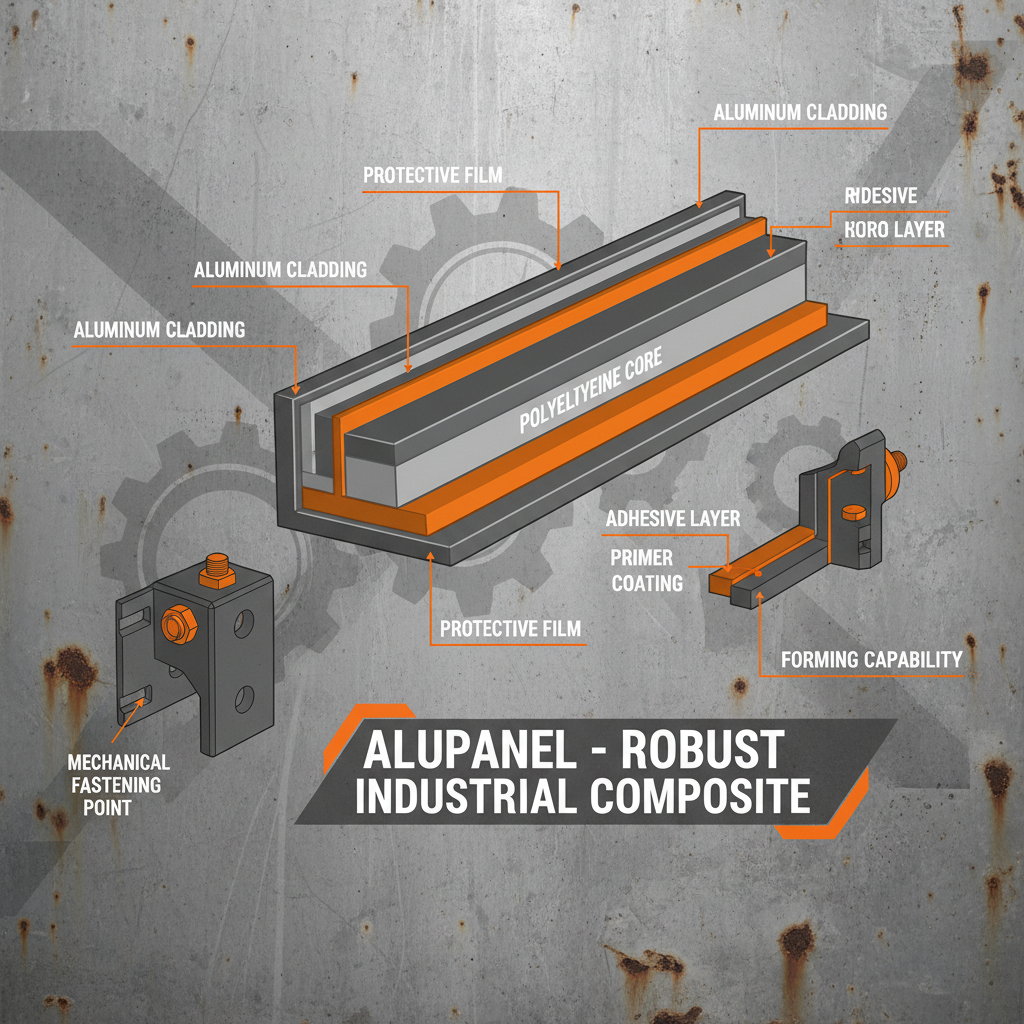
| Composite Panels (Aluminium Core) |
PE (Budget-Friendly) |
Easy (Lightweight) |
Moderate (Susceptible to Damage) |
FAQS
Finding manufacturers with consistent quality control is tough. Many claim certifications, but verifying them is crucial. I recommend site visits whenever possible, or at least thorough sample testing. You really need to know what you're getting before you commit to a large order. And be wary of unbelievably low prices – they usually mean corners are being cut somewhere.
The coating is everything. PVDF coatings are the gold standard – excellent UV resistance, long-lasting color retention. Polyester is cheaper but fades faster. Anodizing is durable but limited in color options. And don’t even get me started on cheap acrylic coatings that peel off after a year. Proper surface preparation before coating is also critical – a bad prep job will ruin even the best coating.
Fire rating is huge. You need to know the panel’s fire performance characteristics – flame spread, smoke development, etc. A2 grade panels are the safest, but also the most expensive. Proper installation with fire stops and cavity barriers is equally important. Don't skimp on these safety features – it’s not worth the risk. Always check local building codes.
The gauge makes a massive difference. Thinner gauges are cheaper, but they’re also more prone to denting and buckling. For exterior applications, I generally recommend at least 0.080 inches (2mm). Anything thinner than that is just asking for trouble. Also, consider the panel size – larger panels require a thicker gauge to maintain rigidity.
Absolutely, but it adds cost. You can get embossed textures, wood-grain finishes, even custom colors. However, these customizations often require special tooling and longer lead times. The more complex the design, the higher the price. It's also important to verify that the customization doesn’t compromise the panel’s performance or durability.
Over-tightening fasteners is a big one – it can crush the panel and cause distortion. Incorrect spacing of clips can also lead to problems. And failing to properly seal the joints can allow water infiltration. Always follow the manufacturer’s installation instructions to the letter, and use qualified installers.
Conclusion
Ultimately, aluminium panel manufacturers offer a lot – speed, flexibility, aesthetics. But it’s not a magic bullet. It requires careful planning, diligent sourcing, and a realistic understanding of the material’s limitations. It’s about balancing cost, performance, and safety.
And, honestly, whether this thing works or not, the worker will know the moment he tightens the screw. If it feels right, looks right, and goes up smoothly… you’re probably in good shape. If not? Well, you’re in for a headache. Visit our website to explore our quality aluminium panel solutions: aluminium panel manufacturers