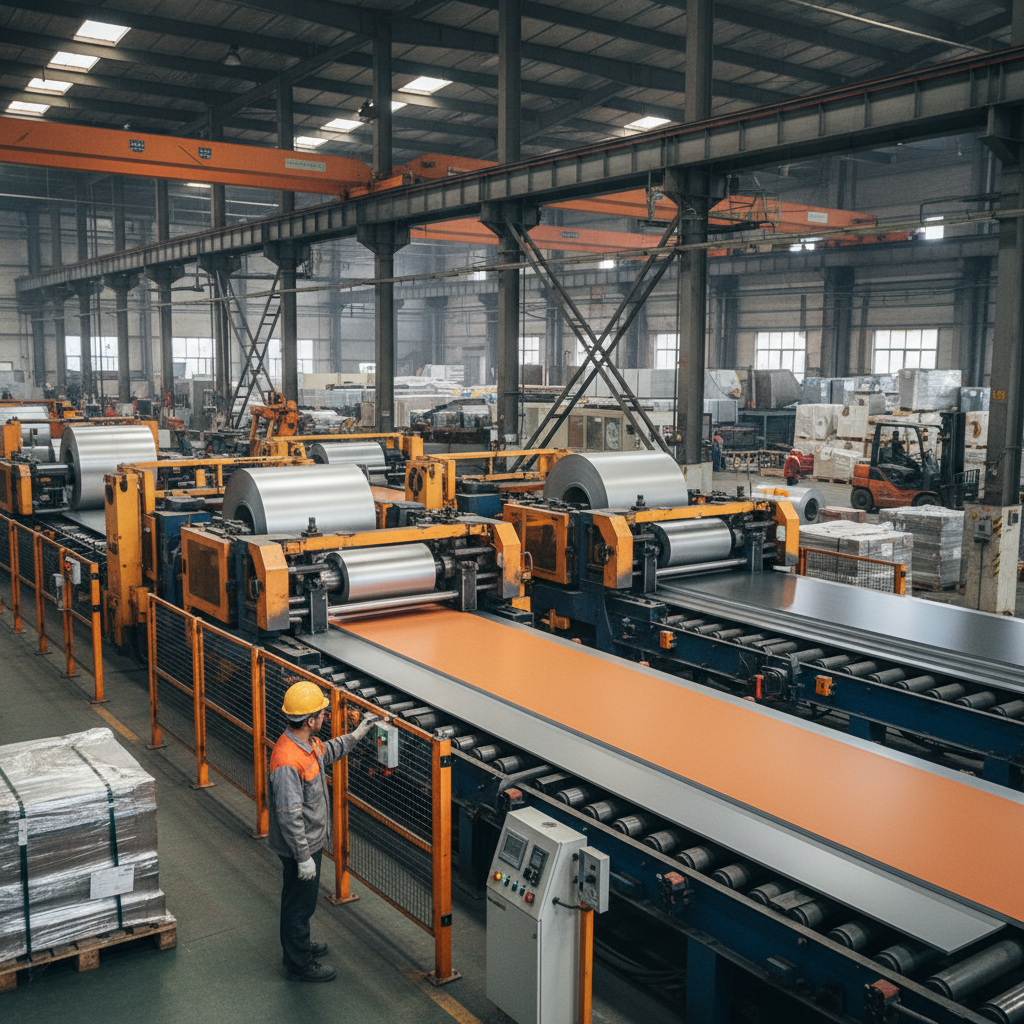
aluminium composite panel manufacturers in china have become a cornerstone of modern construction and design, experiencing significant growth globally due to their versatility, cost-effectiveness, and aesthetic appeal. Driven by innovation in materials science and manufacturing processes, Chinese manufacturers have emerged as key players in the international market, supplying a wide range of industries from architectural cladding to signage and transportation. Understanding the capabilities and offerings of these manufacturers is crucial for businesses and projects seeking high-quality composite panel solutions.
The increasing demand for aluminium composite panel manufacturers in china is fueled by urbanization, infrastructure development, and a growing preference for lightweight, durable, and energy-efficient building materials. Global supply chains are increasingly reliant on these manufacturers, making it vital to understand their production capacity, quality control standards, and logistical capabilities. This knowledge allows for informed decision-making, minimizing risks and maximizing project success.
Navigating the landscape of aluminium composite panel manufacturers in china requires careful consideration of factors like certifications, customization options, and lead times. The ability to source reliable and competitively priced panels directly from China offers a substantial advantage in today’s competitive market, but it also necessitates a thorough understanding of the industry dynamics and best practices for international procurement.
The Global Rise of aluminium composite panel manufacturers in china
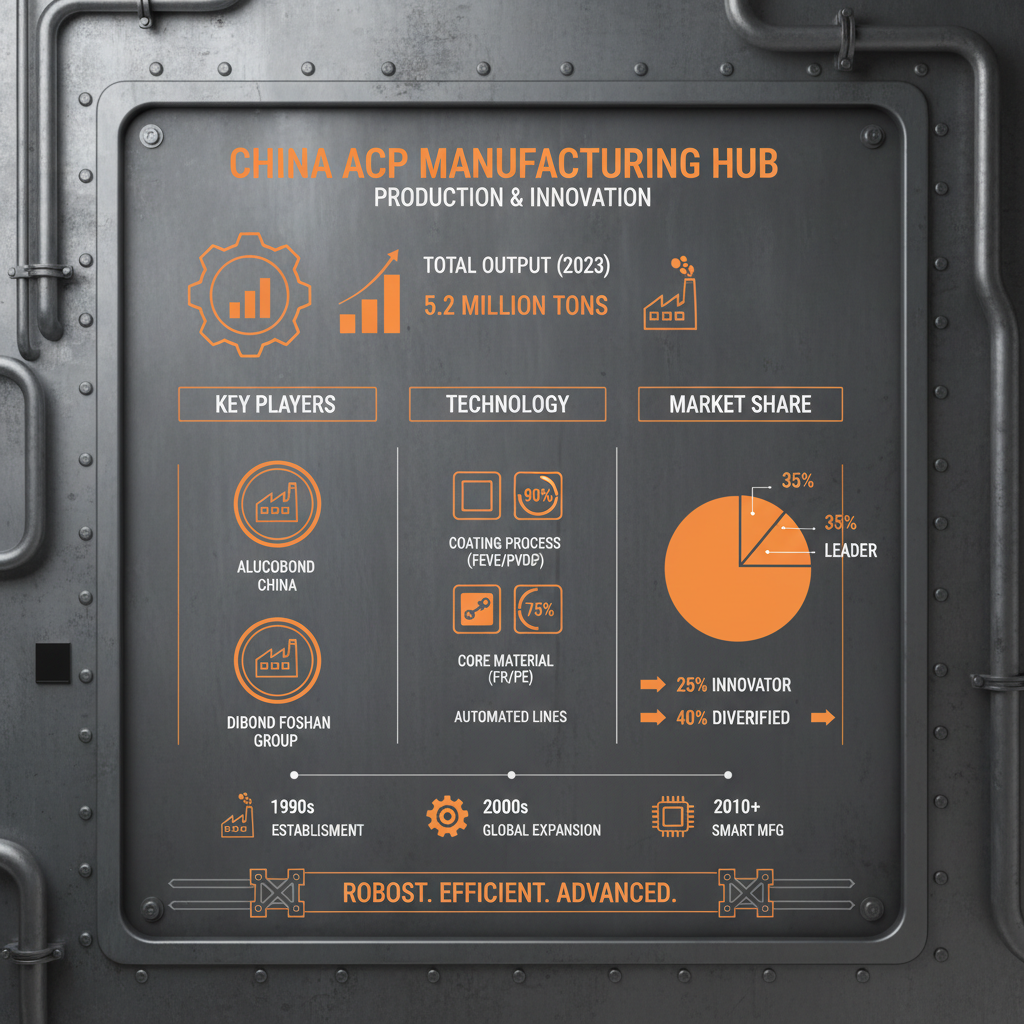
The ascent of aluminium composite panel manufacturers in china on the global stage is a remarkable story of industrial growth and innovation. Driven by a combination of factors, including competitive labor costs, advanced manufacturing infrastructure, and government support, China has rapidly become the world’s leading producer and exporter of these panels. According to recent data from the UN Comtrade database, China accounts for over 70% of global aluminium composite panel exports.
This dominance isn't simply about quantity; it's also about increasing quality and diversification. Chinese manufacturers are continually investing in research and development to produce panels with enhanced fire resistance, improved weatherability, and a wider range of aesthetic finishes. This evolution allows them to compete effectively with established manufacturers in Europe and North America, offering compelling alternatives for projects worldwide.
Defining aluminium composite panel manufacturers in china
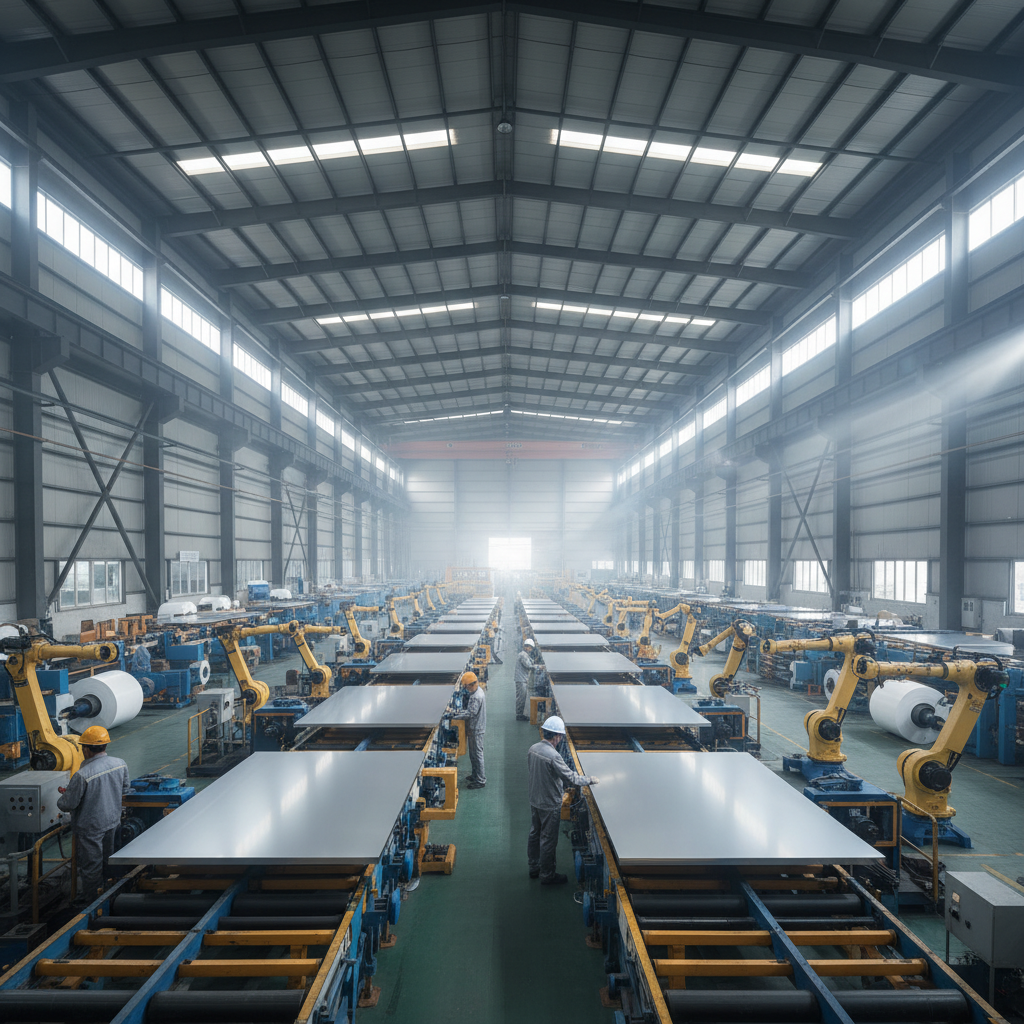
aluminium composite panel manufacturers in china are companies specializing in the production of panels consisting of two thin aluminium sheets bonded to a non-aluminium core. The core material is typically polyethylene (PE), fire-retardant (FR) polyethylene, or a mineral-filled core. These manufacturers encompass a broad spectrum, ranging from large-scale, vertically integrated operations to smaller, specialized facilities focusing on niche applications.
The core competency of these manufacturers lies in their ability to efficiently produce high-volume, customized panels with precise dimensions, finishes, and coatings. They often cater to both domestic and international markets, offering a wide range of colors, textures, and thicknesses to meet diverse project requirements. Their ability to offer competitive pricing, coupled with increasingly stringent quality control measures, has solidified their position as leading suppliers.
The relevance of these manufacturers extends beyond simple construction; they are integral to modern architectural design, providing solutions for building facades, interior cladding, signage, and even transportation applications. Their adaptability and capacity to innovate are key to addressing the evolving demands of a globalized construction industry.
Key Characteristics of Leading Manufacturers
Leading aluminium composite panel manufacturers in china distinguish themselves through several key characteristics. Firstly, they prioritize rigorous quality control throughout the entire production process, often adhering to international standards like ISO 9001. This includes meticulous testing of raw materials, in-process inspections, and final product assessments to ensure consistent performance and durability.
Secondly, they invest heavily in advanced manufacturing technology, utilizing automated production lines, CNC cutting machines, and sophisticated coating systems. This automation not only increases efficiency and reduces costs but also ensures precision and consistency in panel dimensions and finishes. Thirdly, a commitment to research and development allows them to continually innovate, offering new panel types with improved fire resistance, UV protection, and aesthetic properties.
Finally, leading manufacturers demonstrate a strong understanding of international regulations and compliance requirements, ensuring their products meet the necessary safety and environmental standards for export markets. They often possess certifications like CE marking, ASTM standards, and fire-resistance ratings from reputable testing organizations.
Performance Metrics and Quality Standards
Evaluating the performance of aluminium composite panel manufacturers in china requires considering several key metrics. Fire resistance, measured by standards like EN 13501-1 and ASTM E84, is paramount, particularly for building facade applications. Weather resistance, assessed through accelerated aging tests, determines the panel’s ability to withstand UV radiation, temperature fluctuations, and humidity.
Mechanical properties, including tensile strength, flexural strength, and impact resistance, are crucial for ensuring the panel’s structural integrity and durability. Colour fastness, evaluated according to ISO standards, determines the panel’s ability to retain its original colour over time, even under exposure to harsh weather conditions. Quality control systems implemented by manufacturers should cover all these aspects, including raw material sourcing, production processes, and final product inspection.
aluminium composite panel manufacturers in china Quality Control Metrics
Applications Across Diverse Industries
aluminium composite panel manufacturers in china cater to a remarkably diverse range of industries. The architectural sector is the primary consumer, utilizing panels for building facades, curtain walls, roofing, and interior cladding. The advertising industry relies on ACPs for billboards, signage, and point-of-sale displays, benefiting from their lightweight and printable surfaces.
Transportation applications include interior paneling for trains, buses, and aircraft, leveraging the panels’ fire-retardant properties and aesthetic versatility. Industrial applications encompass machine guards, cleanroom walls, and protective enclosures, capitalizing on the panels’ durability and resistance to corrosion. Even the marine industry utilizes ACPs for interior fittings and exterior features on vessels.
Benefits and Long-Term Value Proposition
The advantages of sourcing from aluminium composite panel manufacturers in china are multifaceted. Cost-effectiveness is a significant driver, with competitive pricing enabling substantial savings on project budgets. Lightweight properties reduce structural load and installation costs, while the panels’ durability minimizes maintenance requirements and extends service life.
Moreover, the versatility of ACPs allows for creative design flexibility, enabling architects and designers to achieve unique aesthetic effects. The panels’ inherent fire resistance enhances building safety, and their energy-efficient properties contribute to reduced heating and cooling costs. The long-term value proposition is further strengthened by the increasing emphasis on sustainable building practices, as many manufacturers now offer eco-friendly core materials and recycled content options.
Future Trends and Emerging Technologies
The future of aluminium composite panel manufacturers in china is poised for further innovation. A growing trend is the development of panels with enhanced fire-retardant cores, utilizing non-combustible mineral-filled materials. The integration of nanotechnology to improve UV resistance, self-cleaning properties, and anti-bacterial performance is also gaining momentum.
Digitalization and automation are transforming manufacturing processes, enabling greater precision, efficiency, and customization. Sustainability is becoming increasingly paramount, with a focus on using recycled aluminium, bio-based core materials, and reducing carbon emissions. Furthermore, the development of smart panels with integrated sensors and monitoring capabilities promises to revolutionize building management and energy efficiency.
The industry is also responding to demand for panels that meet increasingly stringent environmental regulations globally, demonstrating a commitment to responsible manufacturing and sustainable product development.
Summary of Key Challenges and Potential Solutions for aluminium composite panel manufacturers in china
| Challenge |
Impact on Manufacturers |
Potential Solution |
Implementation Difficulty (1-10) |
| Fluctuating Raw Material Costs |
Reduced Profit Margins |
Long-Term Supply Contracts & Material Diversification |
6 |
| Stringent Fire Safety Regulations |
Market Access Restrictions |
Investment in FR Core Technologies & Certification |
8 |
| Intense Price Competition |
Erosion of Market Share |
Differentiation through Customization & Value-Added Services |
5 |
| Logistical Challenges (Shipping & Delivery) |
Increased Lead Times & Costs |
Strategic Partnerships with Logistics Providers |
7 |
| Maintaining Consistent Quality Control |
Reputational Damage & Product Recalls |
Implementation of Robust Quality Management Systems (ISO 9001) |
4 |
| Environmental Sustainability Concerns |
Negative Brand Perception & Regulatory Pressure |
Adoption of Recycled Materials & Eco-Friendly Manufacturing Processes |
6 |
FAQS
When sourcing from aluminium composite panel manufacturers in china, prioritize certifications demonstrating quality and safety. Look for ISO 9001 (Quality Management System), CE marking (European conformity), ASTM standards (American Society for Testing and Materials), and fire-resistance ratings like EN 13501-1. These certifications indicate adherence to internationally recognized standards and demonstrate a commitment to product performance and safety. Verify the validity of these certifications with the issuing bodies to ensure authenticity and compliance.
Typical lead times for aluminium composite panels from China can vary significantly based on order volume, customization requirements, and current production capacity. Generally, standard colors and thicknesses have a lead time of 2-4 weeks. Customized colors, finishes, or special orders may require 4-8 weeks or longer. It’s crucial to communicate your project timeline clearly with the manufacturer during the initial inquiry and confirm delivery schedules in writing before placing an order to avoid potential delays.
Fire safety is a critical consideration. Historically, some aluminium composite panels (particularly those with PE cores) faced scrutiny regarding fire performance. However, leading aluminium composite panel manufacturers in china have invested heavily in developing fire-retardant (FR) core materials and achieving stringent fire-resistance ratings. When evaluating panels, always request fire test reports (e.g., EN 13501-1) and compare them to local building codes and safety regulations.
Common payment terms offered by aluminium composite panel manufacturers in china typically involve a 30% deposit upon order confirmation, with the remaining 70% paid before shipment. Letter of Credit (L/C) is also frequently used for larger orders, providing added security for both parties. Negotiating payment terms is often possible, particularly for long-term partnerships or substantial orders. Always clarify the payment terms in a written contract to avoid misunderstandings.
Shipping aluminium composite panels from China requires careful planning. Consider factors like Incoterms (shipping terms), freight costs (sea, air, or land), insurance coverage, and customs duties. Proper packaging is essential to prevent damage during transit. Work with a reputable freight forwarder experienced in handling large-volume shipments and international customs procedures. Obtain all necessary import permits and documentation before shipment to ensure smooth clearance at your destination.
Before committing to a large order, request samples from several aluminium composite panel manufacturers in china to assess their quality firsthand. Conduct your own testing, focusing on factors like colour consistency, surface finish, panel flatness, and fire resistance. Consider a factory audit to verify the manufacturer’s quality control systems and production capabilities. Establishing a clear quality control agreement in your contract is crucial for protecting your interests.
Conclusion
In conclusion, aluminium composite panel manufacturers in china represent a critical component of the global construction and design landscape. Their ability to deliver high-quality, cost-effective, and versatile panels has transformed industries worldwide. By understanding the key characteristics, performance metrics, and emerging trends associated with these manufacturers, businesses can make informed decisions and optimize their procurement strategies.
Looking ahead, continued innovation in materials science, manufacturing technology, and sustainable practices will further enhance the value proposition of aluminium composite panels. Prioritizing quality control, fire safety, and environmental responsibility will be essential for long-term success. Visit our website at www.acmfactory.com to explore our range of products and discuss your specific requirements.