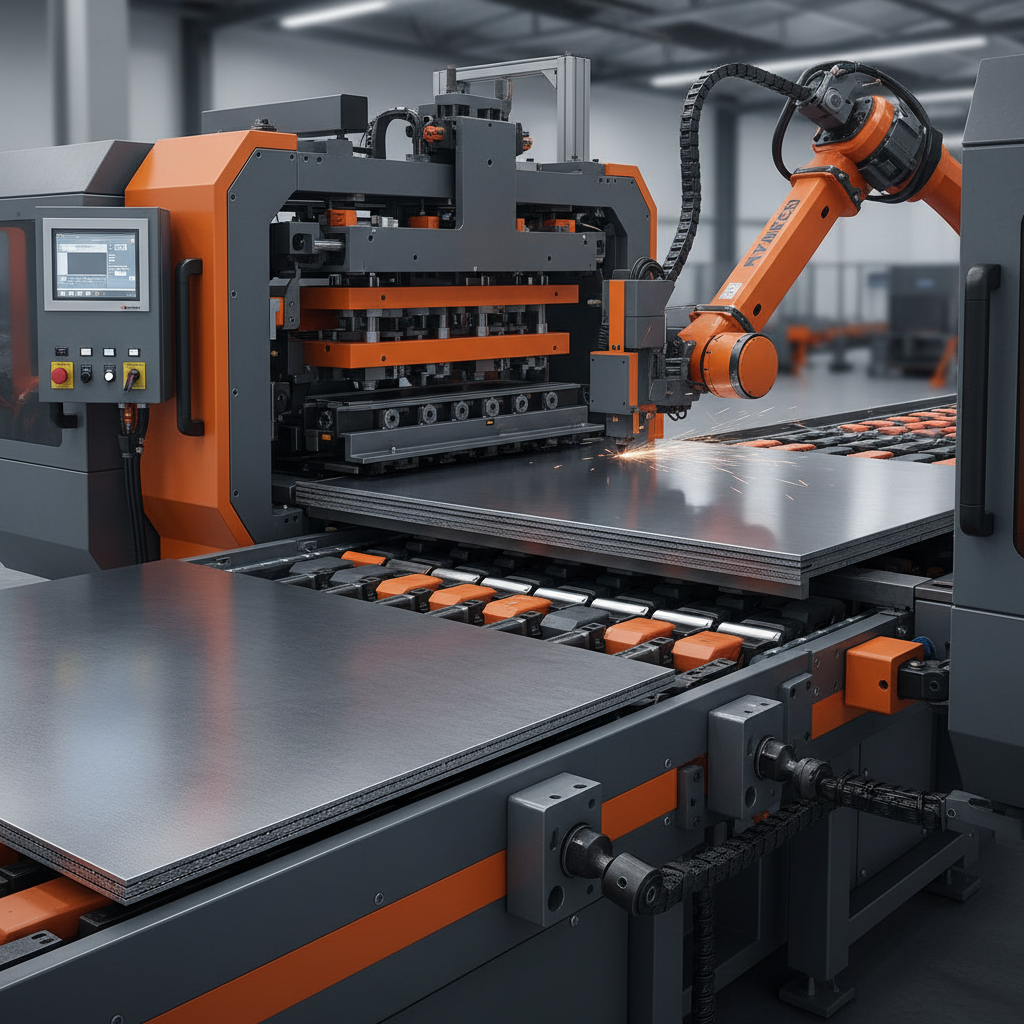
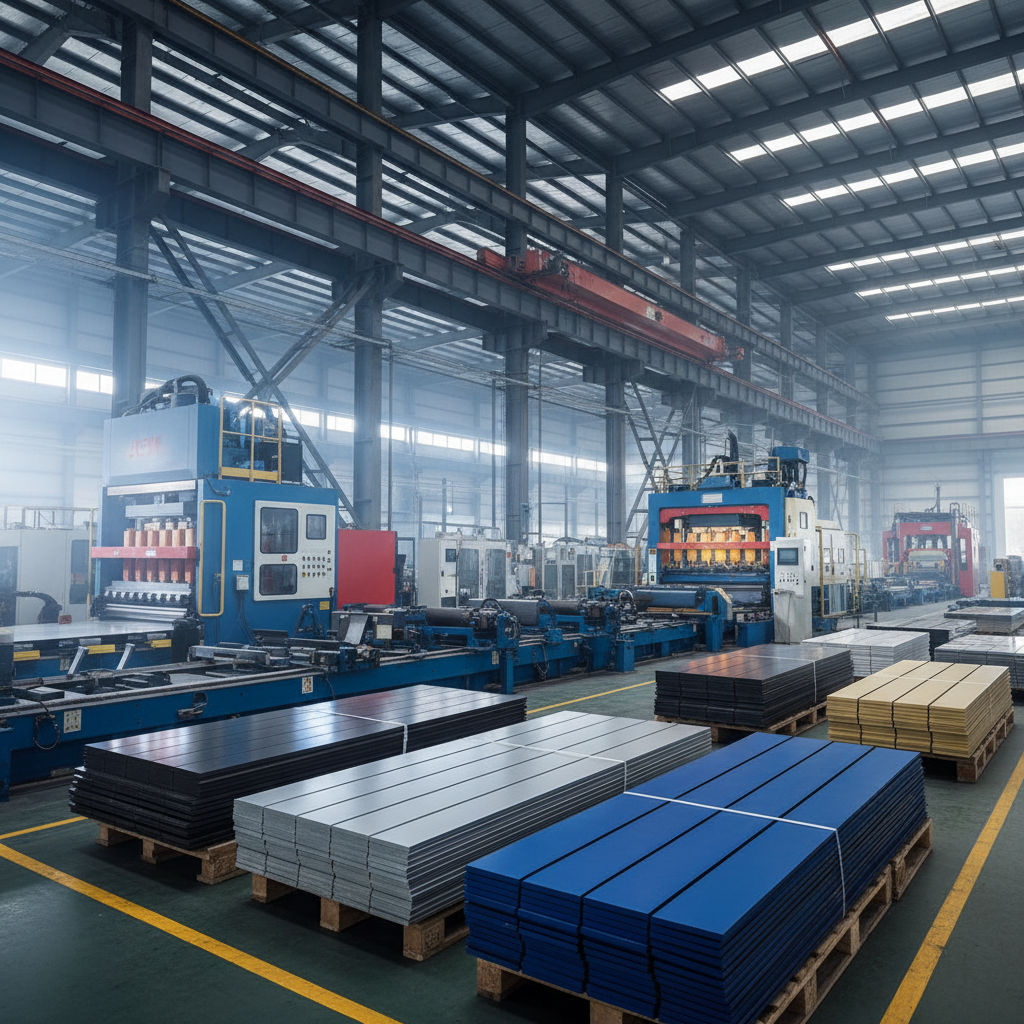
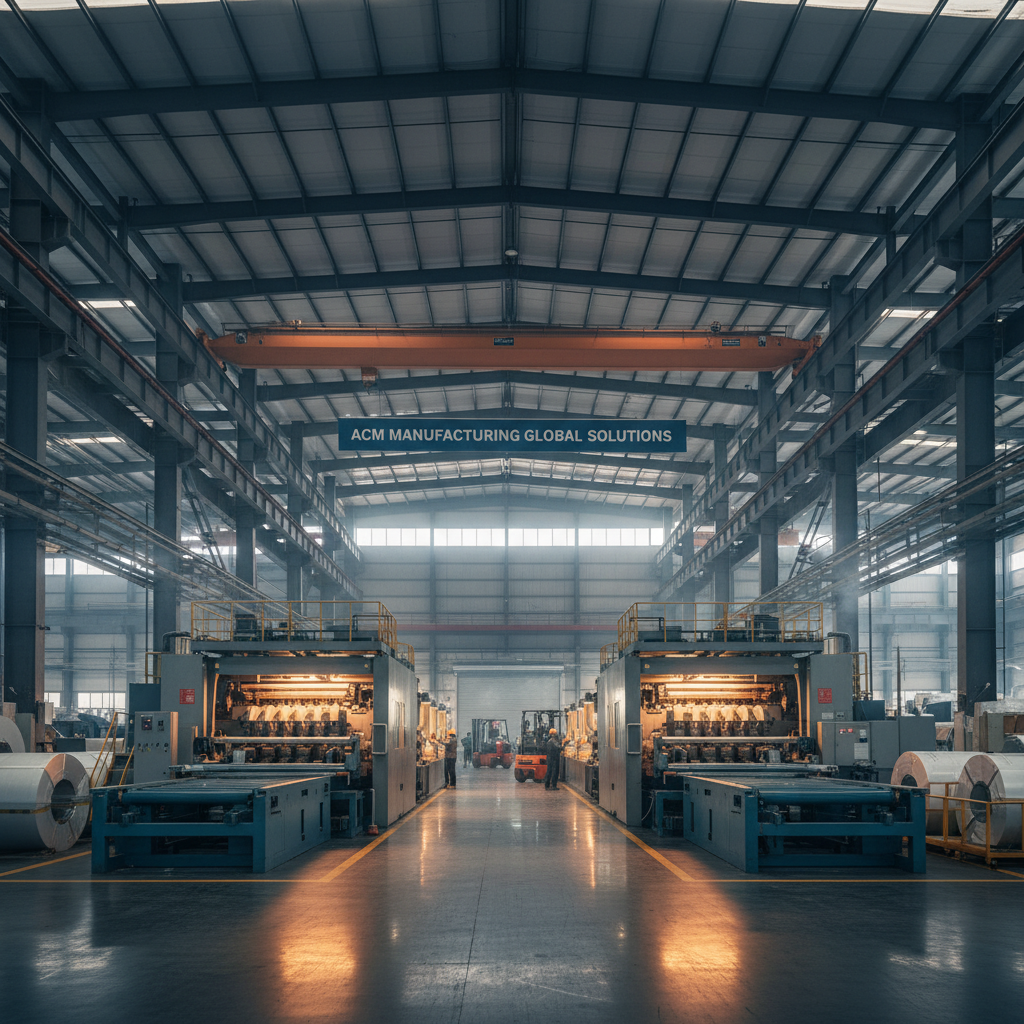
Composite panels are revolutionizing industries worldwide, offering a compelling blend of strength, lightweight properties, and design flexibility. From construction and transportation to aerospace and renewable energy, their versatility is driving innovation and sustainability. Understanding the nuances of composite panels is crucial for architects, engineers, manufacturers, and anyone seeking advanced material solutions in today's rapidly evolving world.
The global demand for high-performance materials is soaring, fueled by increasing infrastructure development, a growing emphasis on energy efficiency, and the need for durable, cost-effective solutions. Composite panels address these challenges head-on, providing a compelling alternative to traditional materials like concrete, steel, and wood. They are becoming increasingly integral to modern building practices and are integral to disaster relief and temporary shelter solutions.
Furthermore, advancements in composite materials and manufacturing processes are constantly expanding their application possibilities. As industries continue to prioritize sustainability and seek innovative ways to reduce their environmental footprint, the role of composite panels will only become more significant, offering a pathway to a more efficient and resilient future.
Introduction to Composite Panels
Composite panels are engineered materials created by combining two or more distinct materials – often a reinforcing fiber embedded in a matrix. This combination results in a material with superior characteristics compared to its individual components. They’ve moved beyond niche applications and are now core to sustainable construction and advanced manufacturing.
The increasing adoption of composite panels stems from their ability to offer tailored solutions for specific engineering challenges. Designers can precisely control properties like strength, weight, corrosion resistance, and thermal insulation, making them ideal for applications where performance is paramount.
Global Relevance and Challenges
The construction industry, a major contributor to global carbon emissions, is actively seeking more sustainable materials. Composite panels present a viable solution, often requiring less energy to produce than traditional materials and offering improved insulation properties, reducing long-term energy consumption. This aligns with UN Sustainable Development Goals focused on sustainable cities and climate action.
However, the widespread adoption of composite panels isn't without challenges. Concerns around recycling and end-of-life management remain. While advancements are being made in developing recyclable composite materials, infrastructure for processing these materials is still limited in many regions. The initial cost can also be a barrier, particularly in developing economies.
The World Bank highlights the need for resilient infrastructure, particularly in regions prone to natural disasters. Composite panels are proving invaluable in rapid deployment housing and temporary shelters, offering a quicker and more durable alternative to conventional construction methods. These materials can be manufactured off-site and quickly assembled, providing immediate relief to affected communities.
Defining Composite Panels
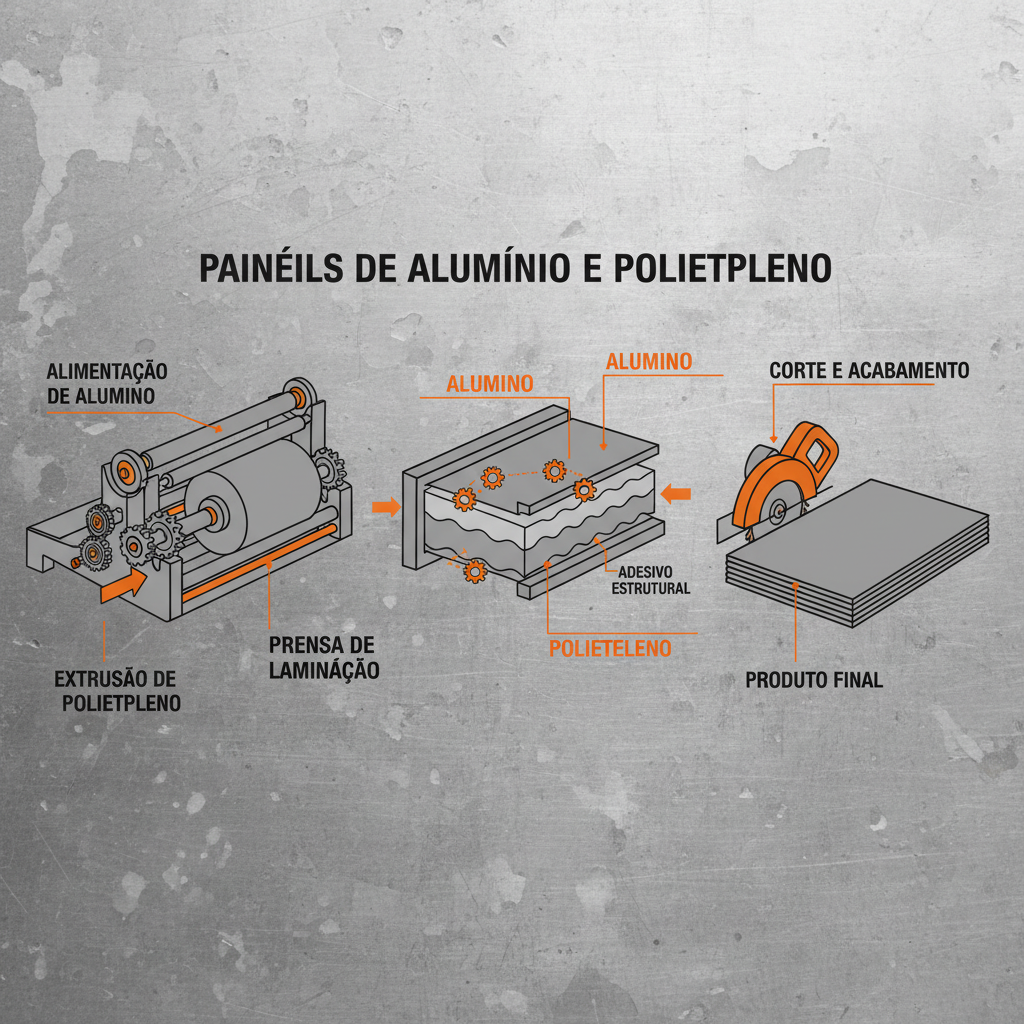
Simply put, composite panels are assemblies of different materials working synergistically. They typically consist of a core material sandwiched between two or more outer layers, known as skins. The core provides insulation and support, while the skins provide strength and rigidity. The composition varies widely depending on the desired properties and application.
Their connection to modern industry and humanitarian needs is profound. In aerospace, they reduce aircraft weight, improving fuel efficiency. In construction, they offer faster build times and improved thermal performance. In disaster relief, they provide rapid shelter solutions. This versatility makes them a cornerstone of innovation across multiple sectors.
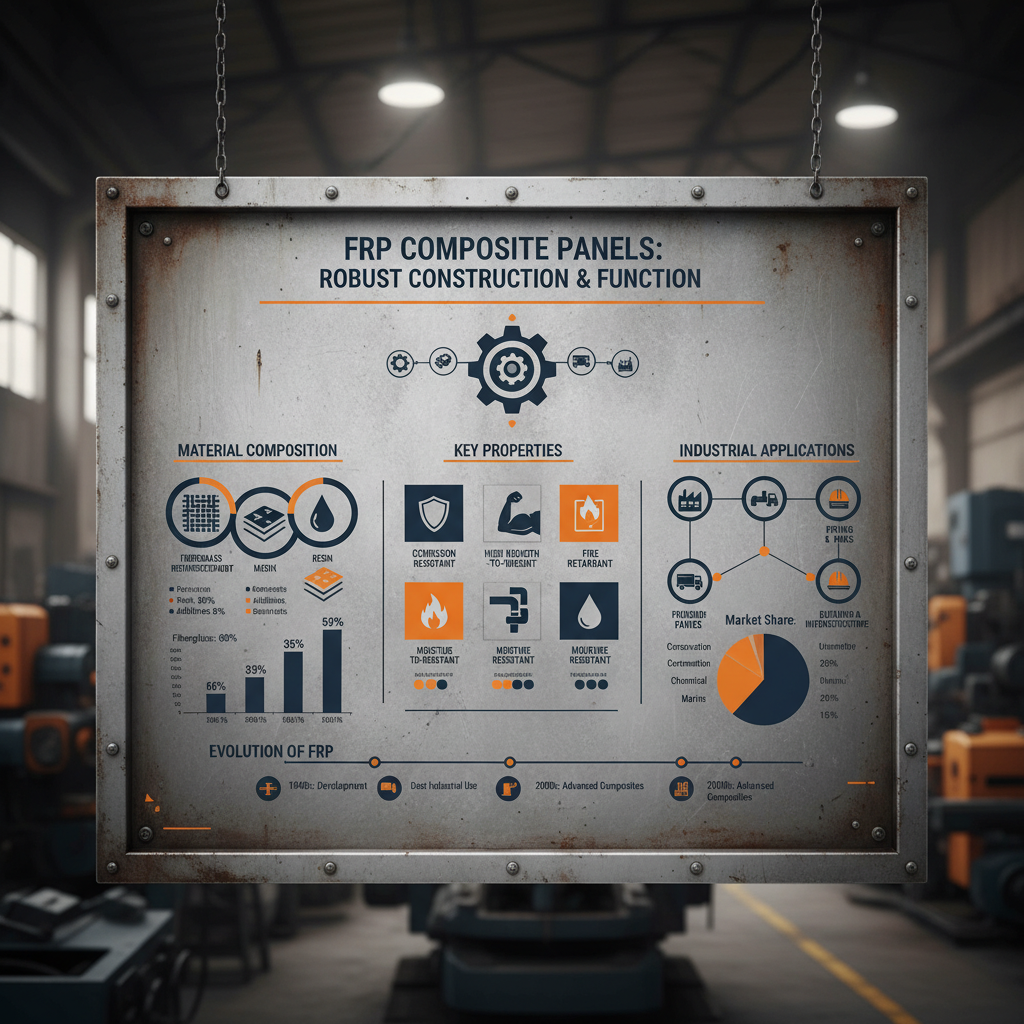
The materials used in composite panels can range from natural fibers like hemp and flax to synthetic materials like fiberglass, carbon fiber, and polymers. Understanding the properties of each component is crucial for selecting the right composite panel for a specific application. composite panels provide tailored performance.
Key Characteristics of Composite Panels
Several key characteristics define the value proposition of composite panels. One of the most significant is their high strength-to-weight ratio. This makes them ideal for applications where minimizing weight is critical, such as in aerospace and automotive industries.
Another crucial aspect is corrosion resistance. Unlike steel or aluminum, composite panels are inherently resistant to corrosion, making them suitable for harsh environments like marine applications and chemical processing plants. They excel in challenging environments.
Comparative Performance of Composite Panel Methods
Diverse Applications Worldwide
In the construction sector, composite panels are used for exterior cladding, roofing, and interior walls, offering improved insulation, faster installation, and aesthetic versatility. Their application in prefabricated buildings and modular construction is gaining traction globally.
The automotive industry leverages composite panels to reduce vehicle weight, leading to improved fuel efficiency and performance. From body panels to interior components, their use is becoming increasingly prevalent. In post-disaster relief operations, rapid deployment shelters built with composite panels provide safe and durable housing for displaced populations.
Advantages and Long-Term Value
The advantages of using composite panels extend beyond performance. They offer significant cost savings over the lifecycle of a project, due to reduced maintenance requirements and increased durability. This translates to lower total cost of ownership for building owners and operators.
From a sustainability standpoint, composite panels can contribute to a reduced carbon footprint. The use of recycled materials and the potential for recyclability further enhance their environmental credentials. The increased safety and durability of structures built with these panels also provide long-term social value.
Future Trends and Innovations
The future of composite panels is bright, with ongoing research and development focused on creating even more sustainable and high-performance materials. The integration of nanotechnology and bio-based resins promises to enhance their properties and reduce their environmental impact.
Digital transformation is also playing a role, with advancements in automated manufacturing processes enabling faster production times and greater precision. The increasing adoption of Building Information Modeling (BIM) is facilitating the seamless integration of composite panels into complex construction projects.
Furthermore, the development of self-healing composites – materials that can automatically repair minor damage – holds immense potential for extending the lifespan of structures and reducing maintenance costs. These innovations will solidify composite panels position as a key material for a sustainable future.
FAQS
Composite panels offer several key benefits including lighter weight, higher strength-to-weight ratio, superior corrosion resistance, and faster installation times. They also provide excellent thermal insulation, reducing energy consumption and lowering long-term operating costs. This makes them a more sustainable and cost-effective choice in many applications compared to conventional materials like concrete or steel.
While traditional composite materials have raised environmental concerns, significant progress is being made in developing more sustainable options. Many manufacturers now utilize recycled materials in their panels, and research into bio-based resins is yielding promising results. Properly managing end-of-life disposal is also critical, and recycling infrastructure is steadily improving.
Composite panels exhibit excellent durability in harsh weather conditions. They are resistant to water damage, UV radiation, and temperature fluctuations. Their corrosion resistance makes them ideal for coastal environments. However, the specific durability will vary depending on the type of composite material used and the quality of the manufacturing process.
The lifespan of a structure built with composite panels can be comparable to, and in some cases exceed, that of structures built with traditional materials. With proper maintenance, composite panel structures can last for 50 years or more. The exact lifespan depends on the environment, the quality of the materials, and the design of the structure.
Yes, composite panels can be an excellent choice for construction in seismic zones. Their lightweight nature reduces the overall mass of the structure, lessening the forces exerted during an earthquake. Furthermore, their flexibility and energy absorption capabilities can help to mitigate damage. Careful engineering design is crucial to ensure optimal performance in these applications.
Fire safety is a critical consideration. While some composite materials are combustible, many are engineered with fire-retardant additives to improve their resistance to flames and smoke. Fire ratings for composite panels vary, and it's essential to select materials that meet local building codes and safety standards.
Conclusion
In conclusion, composite panels represent a significant advancement in material science, offering a compelling combination of performance, sustainability, and cost-effectiveness. From revolutionizing construction practices to providing critical solutions in disaster relief, their versatility and adaptability are reshaping industries globally. Understanding their properties and applications is essential for professionals seeking innovative and resilient building solutions.
Looking ahead, continued research and development in areas like recyclable materials and automated manufacturing will further enhance the value proposition of composite panels. By embracing these advancements, we can unlock their full potential and pave the way for a more sustainable and efficient future. Visit our website at www.acmfactory.com to learn more about our comprehensive range of composite panel solutions.