Clad panels are increasingly recognized as a versatile and efficient solution across numerous sectors globally. From rapidly deployable housing in disaster relief to durable and sustainable building materials in construction, their adaptability is driving innovation. The demand for quick, cost-effective, and resilient infrastructure is growing, spurred by factors like population displacement, climate change, and the need for sustainable development. Understanding the nuances of clad panels – their materials, applications, and future potential – is paramount for professionals and stakeholders alike.
The global market for prefabricated building systems, of which clad panels are a key component, is experiencing substantial growth. According to recent reports, the modular construction market is projected to reach \$175.5 billion by 2027, driven by advantages like reduced construction time and waste. This surge is particularly significant in developing nations facing housing shortages and infrastructure deficits. Clad panels offer a viable solution to these challenges, providing a pathway to rapidly deploy comfortable and safe living spaces.
Furthermore, the increasing focus on sustainability and reducing the carbon footprint of the construction industry is propelling the adoption of clad panels. Traditional construction methods are notoriously resource-intensive and generate significant waste. Clad panels, with their off-site fabrication and efficient material usage, offer a greener alternative, aligning with global efforts towards a more sustainable future.
Introduction to Clad Panels
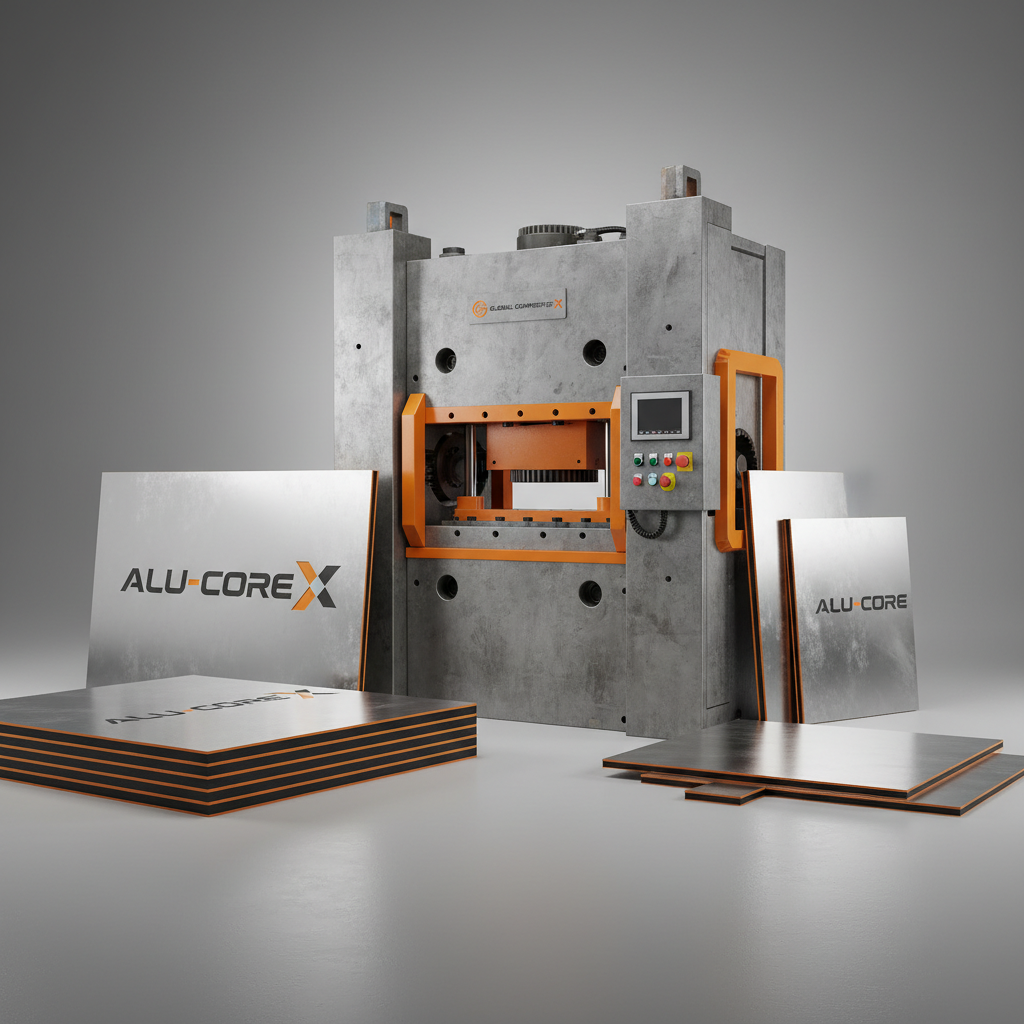
Clad panels represent a significant advancement in construction and deployment of modular structures. They’re engineered building components used to create walls, roofs, and floors quickly and efficiently. These panels offer a compelling alternative to traditional building methods, boasting a number of advantages like speed of assembly, cost-effectiveness, and structural integrity.
The increasing popularity of clad panels stems from their versatility. They can be fabricated from a wide range of materials – including steel, aluminum, composites, and even sustainable resources – allowing for customization to meet diverse architectural and functional requirements. This adaptability makes them ideal for a variety of projects, from residential buildings to commercial complexes and emergency shelters.
Defining Clad Panels
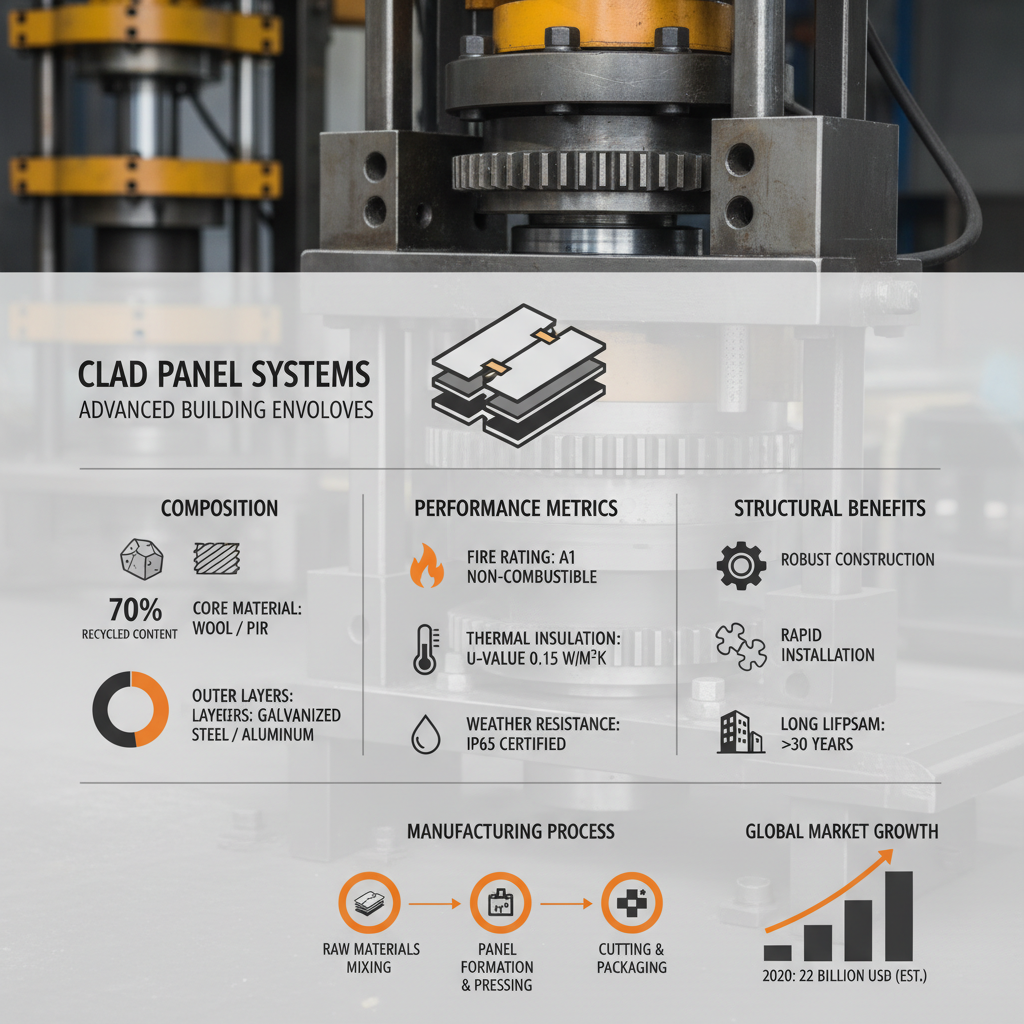
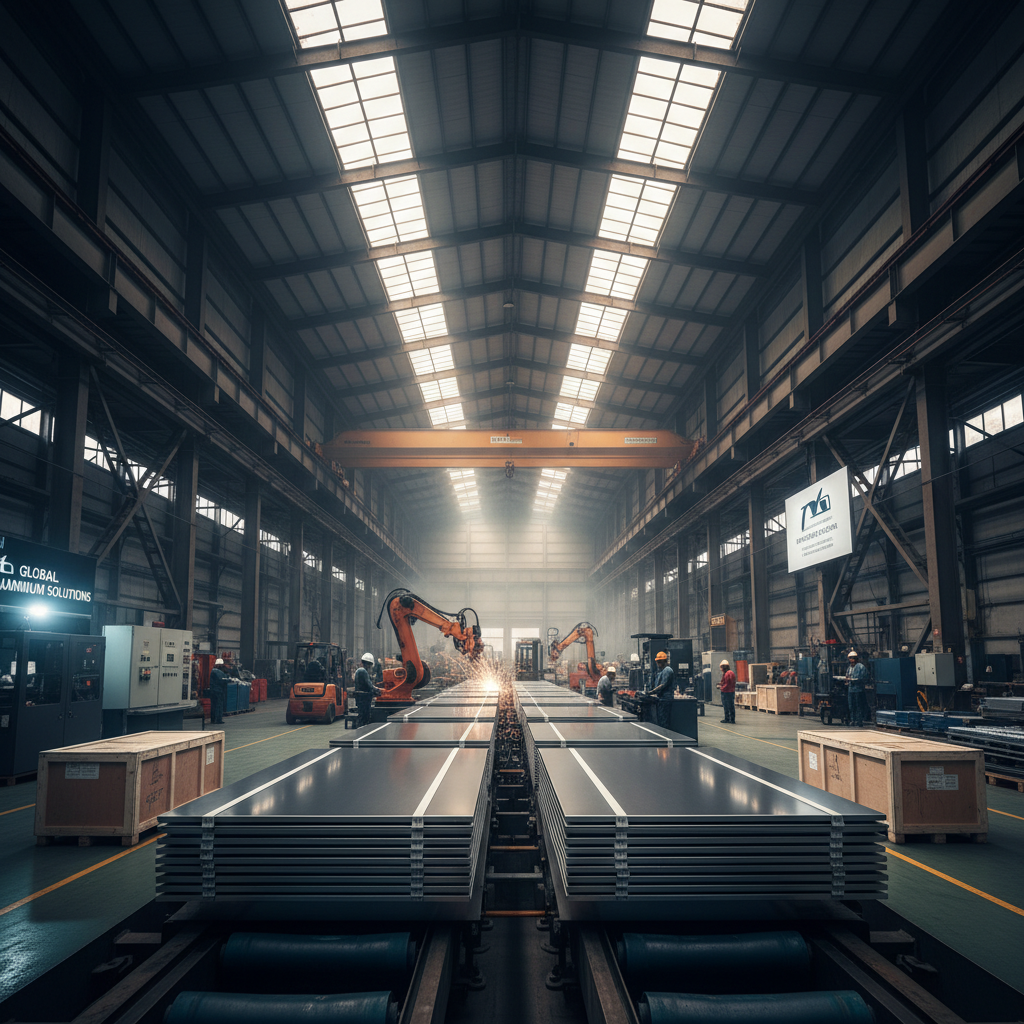
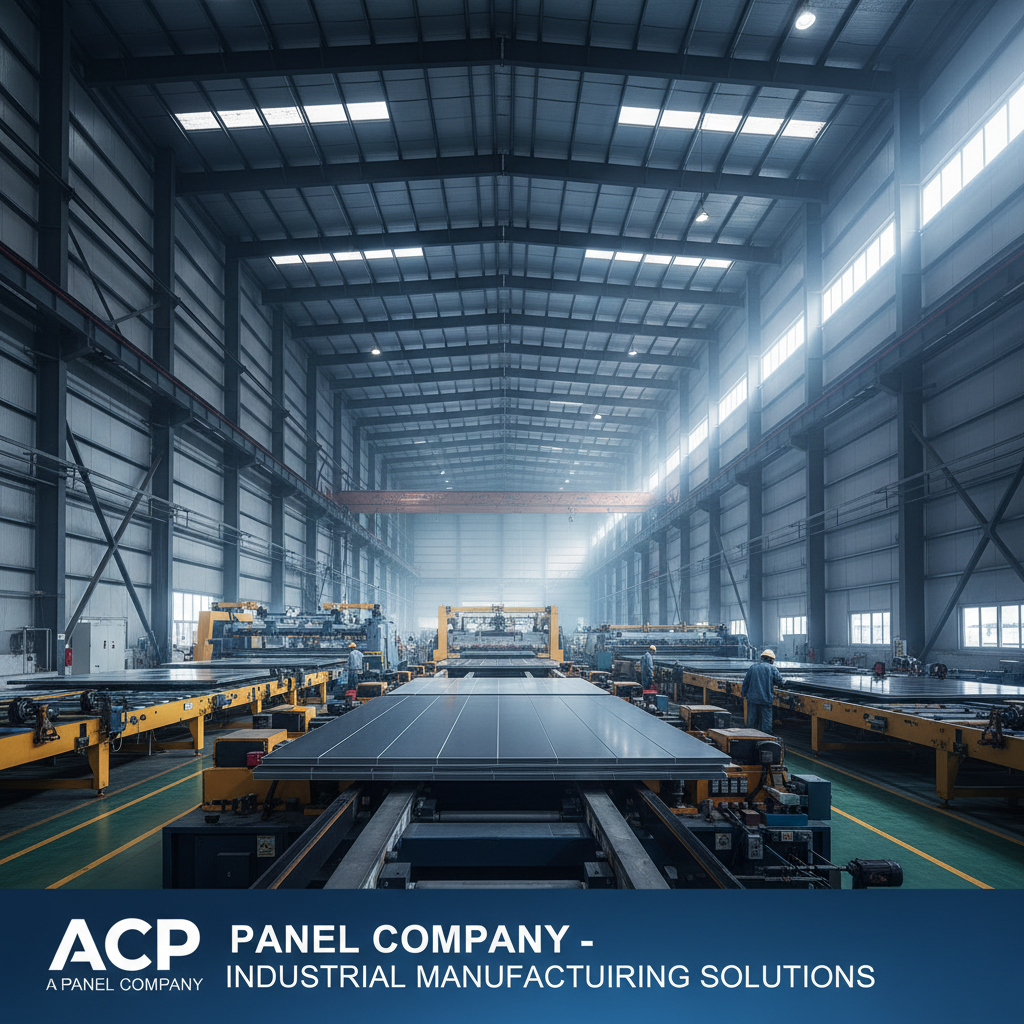
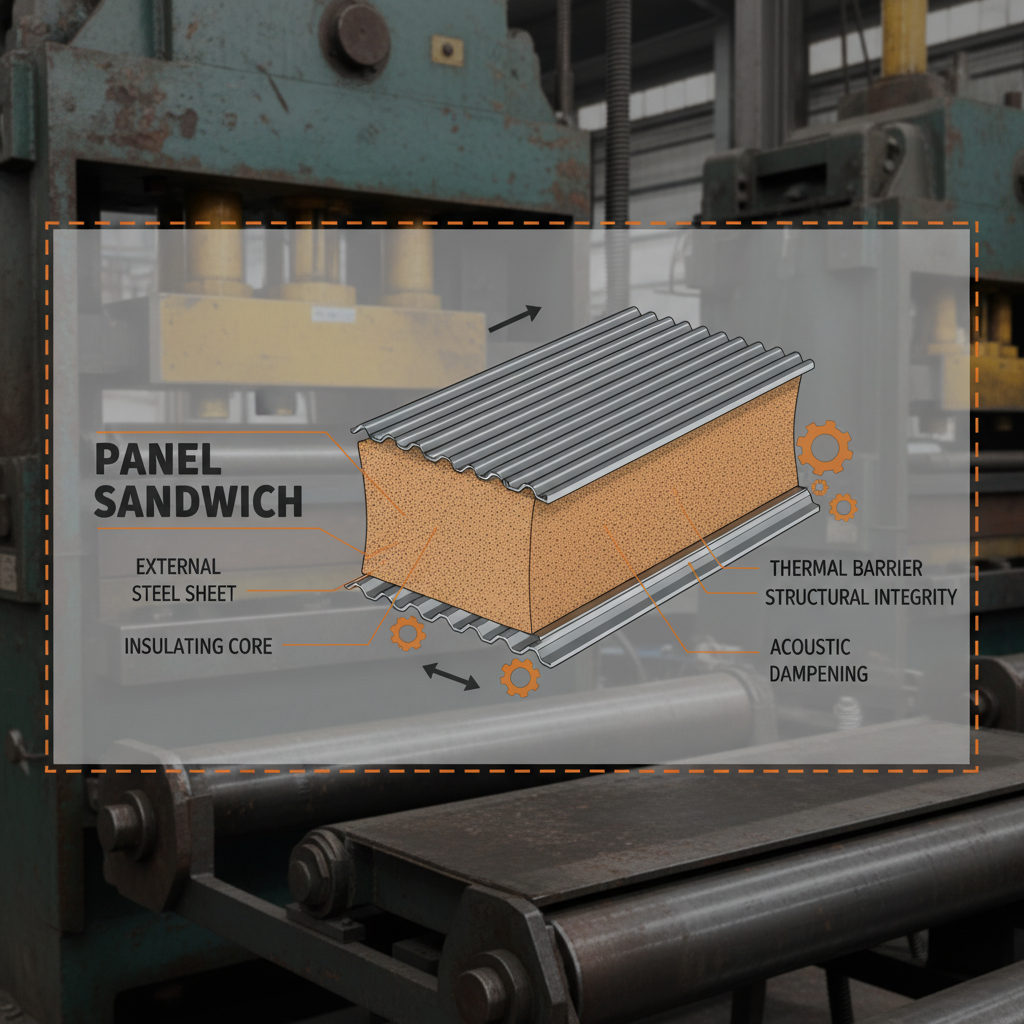
At their core, clad panels are pre-fabricated exterior and interior building skins that are attached to a structural frame. They are designed to provide a weather-tight enclosure, insulation, and aesthetic appeal. Unlike traditional on-site construction where each element is built piece-by-piece, clad panels are manufactured in a controlled factory environment, ensuring higher quality control and reduced waste.
The connection to modern industry lies in the principles of prefabrication and modular construction, both increasingly favored for their efficiency and scalability. In terms of humanitarian needs, clad panels are crucial for rapid deployment housing following natural disasters or in refugee camps, providing safe and dignified shelter where it’s needed most. They address the urgent need for immediate and sustainable housing solutions.
Effectively, clad panels bridge the gap between industrial manufacturing processes and the demand for rapid, sustainable, and affordable construction, making them essential for addressing both global development challenges and the evolving needs of the building industry.
Core Characteristics of Clad Panels
One of the most significant characteristics of clad panels is their Durability. High-quality materials and precise manufacturing processes result in panels that are resistant to weather, corrosion, and impact, ensuring a long service life. This translates to reduced maintenance costs and increased building longevity.
Scalability is another key factor. Clad panel systems are designed for easy expansion or modification, allowing buildings to adapt to changing needs. This modularity makes them suitable for both small-scale projects and large-scale developments, offering flexibility for a wide range of applications.
Cost Efficiency is a major draw. While the initial investment may be comparable to traditional methods, the reduced construction time, lower labor costs, and minimized material waste often result in significant overall savings. This makes clad panels an attractive option for projects with tight budgets. Furthermore, Thermal Performance is crucial, with panels often incorporating insulation layers that enhance energy efficiency and reduce heating/cooling costs. Finally, Design Flexibility allows architects to create a variety of aesthetic styles with a wide range of colors, textures, and finishes.
Applications of Clad Panels Globally
Clad panels are utilized extensively in the construction of commercial buildings, offering speed and aesthetic versatility. They are seen in office towers, retail spaces, and industrial facilities around the world. In Europe, clad panels are becoming increasingly common in residential construction, particularly in urban areas where space is limited and rapid building is required.
In post-disaster relief operations, organizations are turning to clad panels for the rapid construction of emergency shelters. Their quick assembly and portability make them ideal for providing immediate housing to displaced populations. For example, after the 2010 Haiti earthquake, clad panels were utilized in the construction of temporary housing solutions.
In remote industrial zones, like mining camps in Australia or oil and gas facilities in Canada, clad panels provide robust and comfortable accommodations for workers. The ability to transport and assemble these structures quickly and efficiently in challenging environments is a significant advantage.
Clad Panel Market Share by Material Type
The Advantages of Utilizing Clad Panels
The tangible benefits of clad panels are numerous. Reduced construction timelines, often by 30-50% compared to traditional methods, translate to significant cost savings and faster project completion. This is critical in industries where time is of the essence, such as healthcare and hospitality. Furthermore, the precision of off-site fabrication minimizes material waste, contributing to a more sustainable construction process.
Beyond the economic advantages, clad panels offer a significant boost to project sustainability. The reduced waste generation, coupled with the potential for using recycled materials in panel construction, lowers the environmental impact. They often incorporate energy-efficient insulation, reducing long-term operating costs and carbon emissions. From a social impact perspective, clad panels provide quicker access to safe and dignified housing for vulnerable populations.
Future Innovations in Clad Panel Technology
The future of clad panel technology is exciting, with ongoing research and development focused on enhancing performance and sustainability. One promising area is the integration of smart materials, such as self-healing polymers and dynamic insulation, to further improve durability and energy efficiency. Nanotechnology is also playing a role, with coatings that offer enhanced resistance to fire, corrosion, and UV radiation.
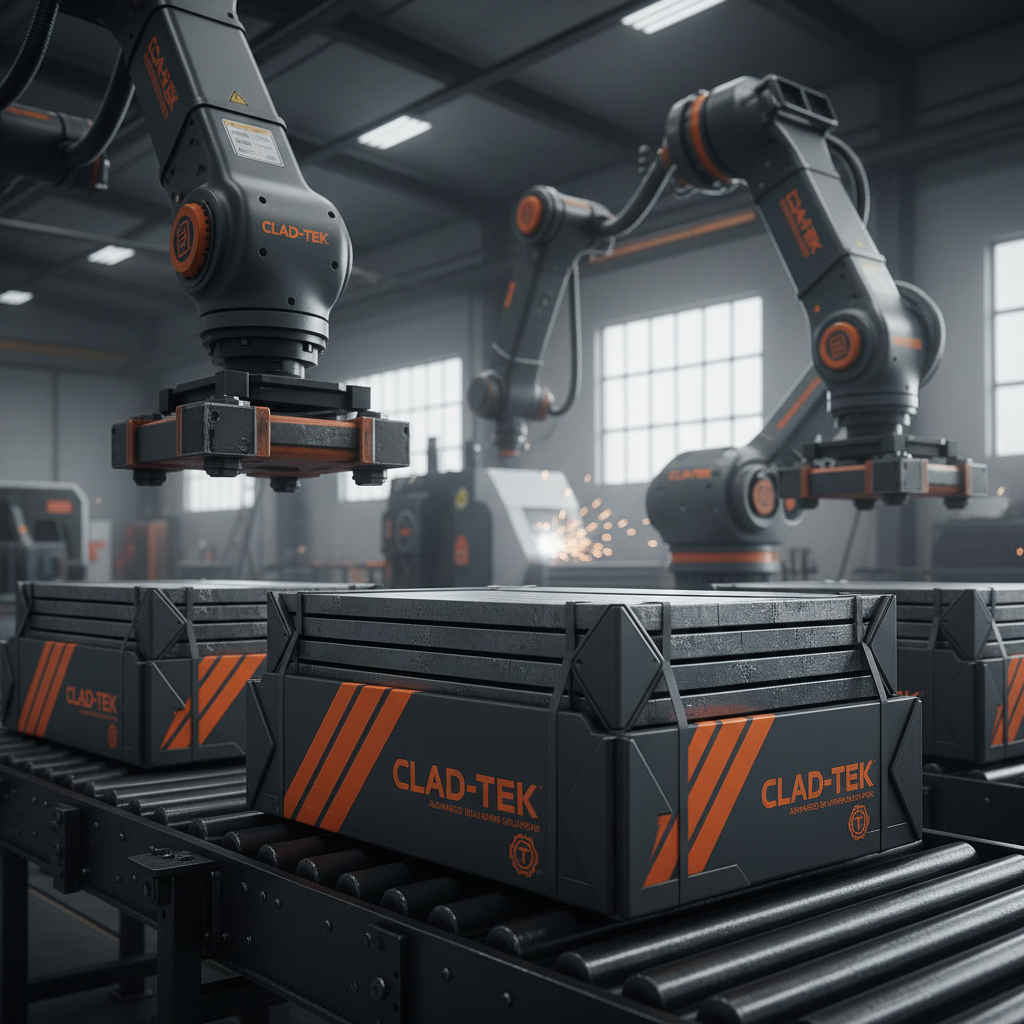
Digital transformation is streamlining the design and manufacturing processes, with Building Information Modeling (BIM) and digital twins enabling greater precision and collaboration. Automated manufacturing processes, including robotic assembly, are increasing production efficiency and reducing labor costs. The industry is also exploring the use of bio-based materials, like hempcrete and mycelium, to create more sustainable and environmentally friendly clad panels.
Addressing Challenges in Clad Panel Implementation
Despite their many advantages, clad panels face certain challenges. Initial setup costs for manufacturing facilities can be substantial, potentially hindering entry for smaller companies. Transportation logistics can also be complex, particularly for large-scale projects in remote locations. Ensuring proper installation and detailing is crucial to prevent moisture intrusion and maintain structural integrity.
To overcome these hurdles, innovative financing models and government incentives can help lower the barriers to entry for manufacturers. Streamlined transportation solutions, including modular designs that optimize shipping efficiency, can address logistical challenges. Investing in training programs for installers and developing standardized detailing guidelines will ensure high-quality installations. Collaborative partnerships between manufacturers, architects, and contractors are essential for successful implementation.
Furthermore, increased regulatory oversight and standardization of performance testing will build trust and confidence in clad panel systems, driving wider adoption. Addressing these challenges will unlock the full potential of clad panels to revolutionize the construction industry.
Summary of Clad Panel Challenges and Solutions
| Challenge |
Impact Level (1-10) |
Proposed Solution |
Implementation Cost (USD) |
| High Initial Manufacturing Costs |
8 |
Government Incentives & Financing Programs |
50,000 - 200,000 |
| Complex Transportation Logistics |
7 |
Optimized Modular Design & Supply Chain Management |
20,000 - 100,000 |
| Installation Skill Gap |
9 |
Certified Installer Training Programs |
10,000 - 50,000 |
| Moisture Intrusion Risk |
6 |
Standardized Detailing Guidelines & Quality Control |
5,000 - 25,000 |
| Lack of Regulatory Standards |
7 |
Industry-Wide Performance Testing & Certification |
30,000 - 150,000 |
| Limited Material Options |
5 |
Research & Development of Sustainable Materials |
40,000 - 120,000 |
FAQS
Clad panels offer a range of benefits, including significantly faster construction times – often reducing project schedules by 30-50%. They also minimize on-site waste, lowering environmental impact and reducing disposal costs. Furthermore, off-site fabrication leads to better quality control and reduced labor costs, resulting in overall project savings. The modular nature allows for greater design flexibility and future adaptability.
The durability of clad panels depends on the materials used and the specific application. However, high-quality clad panels, especially those made from steel, aluminum, or composite materials, are designed to withstand harsh weather conditions, corrosion, and impact. Properly installed and maintained, they can have a lifespan of 50 years or more, comparable to, and often exceeding, traditionally built structures.
Yes, clad panels are considered a sustainable building solution due to several factors. Their off-site fabrication minimizes material waste and reduces the environmental impact of construction. The use of recycled materials in panel production is becoming increasingly common. Furthermore, their energy efficiency, achieved through integrated insulation, lowers long-term operating costs and reduces carbon emissions.
While the initial material costs can be comparable, clad panel construction often proves more cost-effective overall. The reduced construction time, lower labor costs, and minimized material waste lead to significant savings. Although the initial investment for setting up a clad panel production facility is substantial, the long-term efficiencies can result in lower project costs.
Clad panels are suitable for a wide range of projects, including residential buildings, commercial structures, educational facilities, healthcare facilities, and emergency shelters. They are particularly well-suited for projects that require speed of construction, cost-effectiveness, and design flexibility, as well as projects in remote or challenging locations.
During the design phase, careful consideration should be given to the structural connections between the panels and the building frame, ensuring airtightness and weather resistance. It’s also crucial to coordinate the design with the manufacturing process to optimize efficiency and minimize waste. Choosing appropriate materials for the climate and application, and adhering to building codes and regulations are also essential steps.
Conclusion
Clad panels represent a transformative force in the construction industry, offering a compelling combination of speed, cost-effectiveness, sustainability, and design flexibility. Their ability to address pressing global challenges – from housing shortages to disaster relief – makes them an increasingly important solution for the 21st century. By embracing innovation and addressing the existing challenges through collaborative efforts, we can unlock the full potential of clad panels.
Looking ahead, continued research and development into new materials, manufacturing processes, and digital technologies will further enhance the performance and sustainability of clad panels. Investing in training programs for installers, establishing clear regulatory standards, and promoting industry-wide collaboration will be crucial for driving wider adoption. Visit our website at clad panels to learn more about how we can help you realize your building projects with innovative clad panel solutions.