In the rapidly evolving landscape of modern architecture, paneles de aluminio have emerged as a cornerstone for both aesthetic versatility and structural efficiency. These advanced cladding solutions allow architects to push the boundaries of design while ensuring that buildings remain resilient against the elements, bridging the gap between creative vision and engineering reality.
The global shift toward sustainable urban development has placed a spotlight on materials that offer a high strength-to-weight ratio and full recyclability. By integrating paneles de aluminio into facade systems, developers can significantly reduce the dead load on building structures, thereby lowering foundation costs and accelerating the installation process without compromising on quality.
Understanding the technical nuances of these panels—from fire safety ratings (FR B1 A2) to PVDF coating durability—is essential for any project manager aiming for long-term asset value. This guide explores the comprehensive utility of paneles de aluminio, providing a deep dive into their composition, global applications, and the innovative trends shaping the future of the construction industry.
The Technical Composition of paneles de aluminio
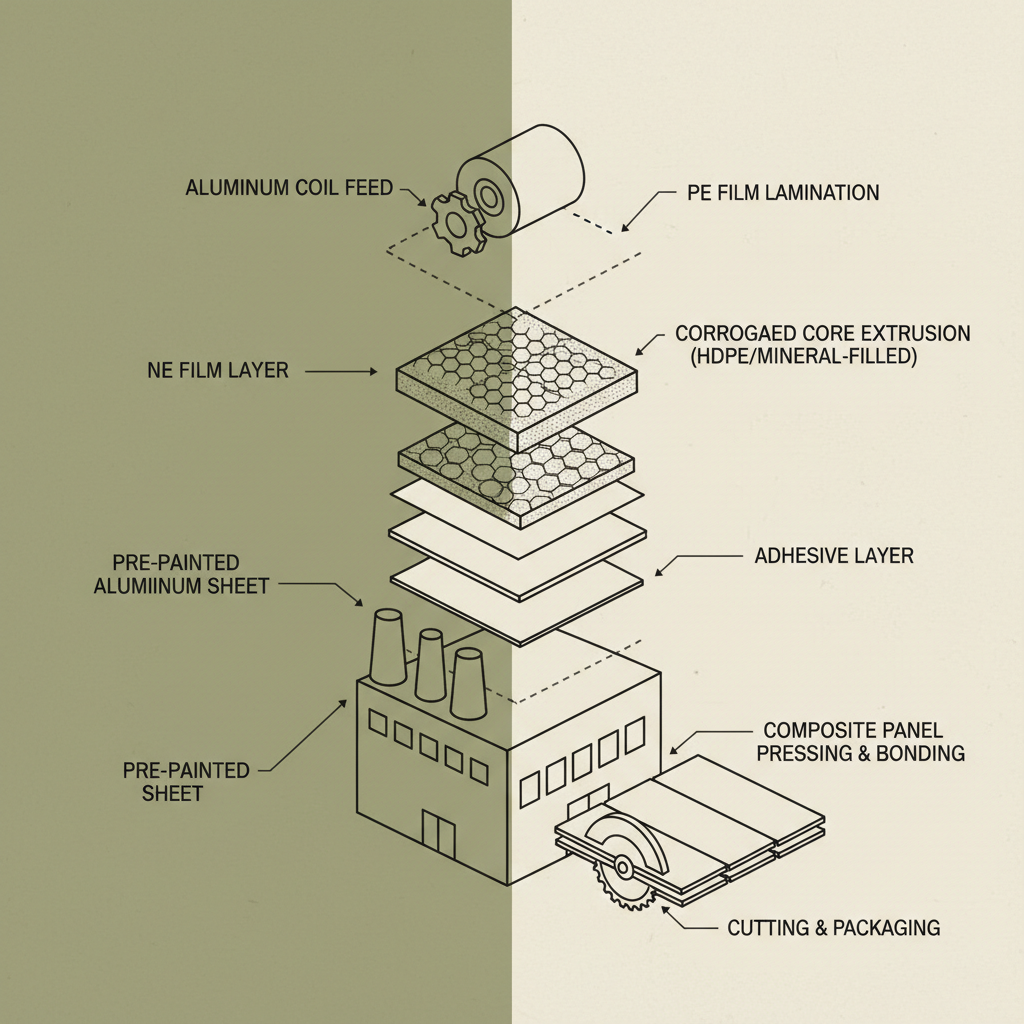
At its core, paneles de aluminio, specifically Aluminum Composite Panels (ACP), consist of two thin coils of aluminium bonded to a non-aluminium core. This "sandwich" structure is what gives the material its exceptional rigidity and flatness, allowing for large-scale installations that remain perfectly smooth over time, unlike traditional solid sheets that may ripple.
The versatility of these panels is further enhanced by the coating applied to the exterior aluminium skin. High-performance PVDF (Polyvinylidene Fluoride) coatings are typically used for exterior applications to ensure resistance against UV radiation, pollution, and extreme weather, making paneles de aluminio an ideal choice for skyscrapers and industrial complexes.
Global Market Relevance and Industry Standards
The adoption of paneles de aluminio has seen an exponential rise globally, driven by the demand for rapid urbanisation in Asia and the renovation of aging infrastructure in Europe and North America. According to international construction trends, the preference for prefabricated cladding has increased as the industry seeks to reduce on-site labor costs and construction timelines.
However, this growth has come with a heightened focus on safety and compliance. Standards such as ISO and local fire safety regulations (e.g., EN 13501-1 in Europe) now mandate strict core compositions. The shift from standard PE (Polyethylene) cores to Fire-Retardant (FR) and Non-combustible (A2) cores ensures that paneles de aluminio meet the most stringent safety codes for high-rise occupancy.
Furthermore, the integration of these panels into the "Green Building" movement is evident. As the World Bank and other global entities push for carbon neutrality, the high recyclability of aluminium makes it a superior choice over composite plastics or heavy concrete facades, providing a sustainable lifecycle from production to demolition.
Core Performance Factors for Architectural Success
One of the most critical factors when specifying paneles de aluminio is structural durability. The inherent corrosion resistance of aluminium, naturally enhanced by an oxide layer, ensures that facades remain pristine even in coastal environments where salt spray would typically degrade steel structures.
Scalability and ease of processing are where paneles de aluminio truly outshine traditional materials. Because they can be routed, folded, and curved with precision, architects can create complex geometric forms and seamless transitions that would be prohibitively expensive or technically impossible with stone or glass.
Cost efficiency is not just about the initial purchase price but the total cost of ownership. The lightweight nature of paneles de aluminio reduces the need for heavy-duty supporting frameworks, while their low-maintenance requirements—often requiring only a simple wash with water—ensure that long-term operational costs remain minimal.
Comparative Analysis of Material Efficiencies
When evaluating the performance of different cladding systems, it becomes clear that paneles de aluminio offer a balanced equilibrium between weight, strength, and aesthetic flexibility. Unlike solid aluminium, the composite core provides the necessary stiffness to prevent buckling over large spans.
To better illustrate the efficiency of various paneles de aluminio configurations, we look at ratings across key industry metrics, including installation speed and thermal stability.
Performance Metrics of Various Paneles de Aluminio Types
Versatile Global Applications and Use Cases
In real-world contexts, paneles de aluminio are deployed across a vast spectrum of industries. In the commercial sector, they are the gold standard for corporate headquarters and airport terminals, where a sleek, professional, and futuristic appearance is required. Their ability to be fabricated into large, seamless panels allows for an expansive architectural language.
Beyond luxury architecture, these panels play a critical role in industrial zones and infrastructure projects. For instance, in remote oil and gas facilities or chemical plants, non-combustible paneles de aluminio are used for interior walling and ceiling systems to provide fire protection and easy decontamination, proving that the material's value extends far beyond mere aesthetics.
Long-Term Value and Sustainability Impact
The investment in paneles de aluminio pays dividends through longevity and environmental stewardship. Unlike wood or certain plastics that degrade and require frequent replacement, high-grade aluminium panels can last for decades with minimal fading, ensuring that the building's visual identity remains intact throughout its lifecycle.
From an emotional and logical perspective, the use of these materials signals a commitment to innovation and safety. For occupants, the knowledge that a building is wrapped in fire-rated paneles de aluminio provides peace of mind, while for investors, the increased property value associated with modern, well-maintained facades offers a tangible financial return.
Sustainability is perhaps the most compelling long-term value. Aluminium is infinitely recyclable without losing its properties. By choosing paneles de aluminio, project owners contribute to a circular economy, reducing the need for primary ore extraction and lowering the overall carbon footprint of the construction process.
Future Innovations in Aluminium Cladding
The next frontier for paneles de aluminio lies in the integration of "smart" technologies. We are seeing the development of photo-catalytic coatings that can actually break down smog and pollutants when exposed to sunlight, turning the building skin into an active air purification system.
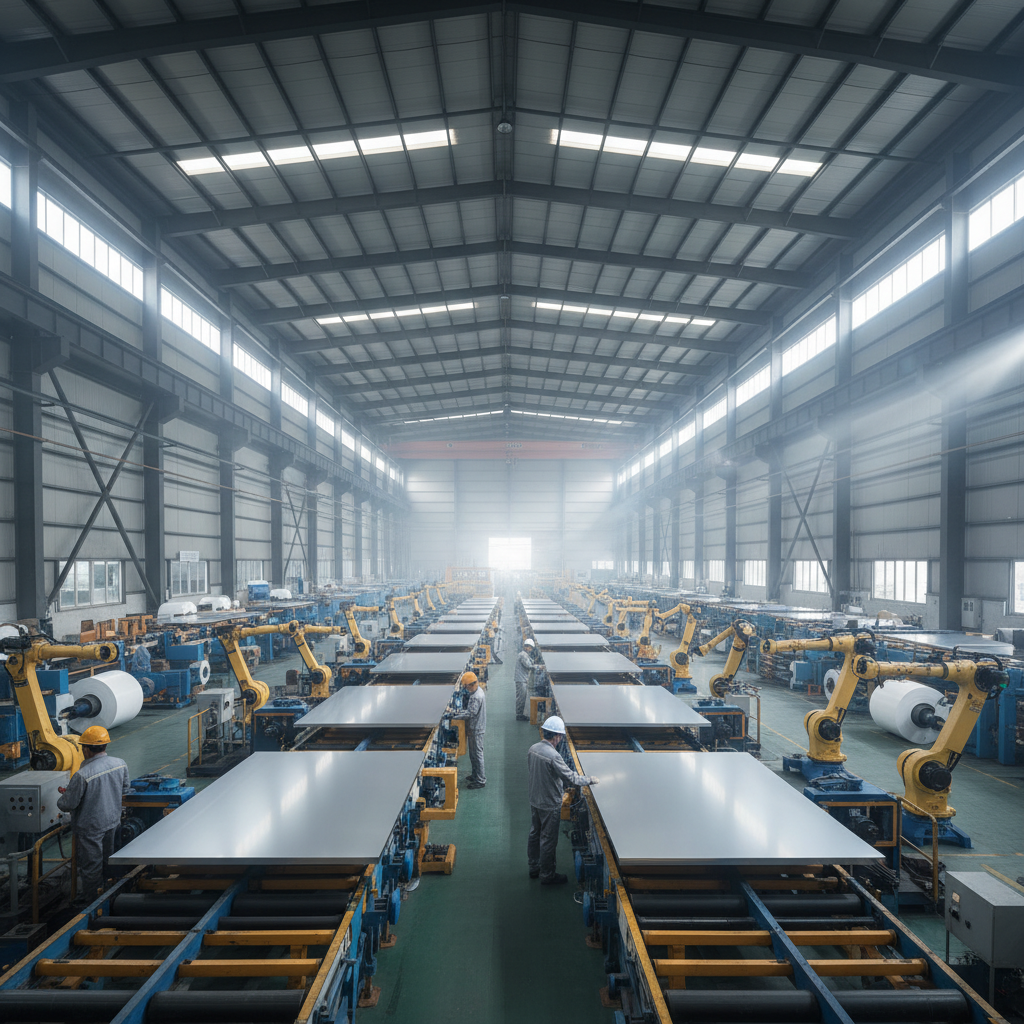
Digital transformation is also reshaping how these panels are produced. Automation and BIM (Building Information Modeling) now allow for "exact-fit" fabrication, where paneles de aluminio are precision-cut by CNC machines based on 3D digital twins, virtually eliminating material waste during installation.
As we move toward a net-zero future, the focus is shifting toward "Green Aluminium," produced using renewable energy sources like hydropower. This evolution ensures that the entire value chain of paneles de aluminio aligns with the highest global environmental standards.
Technical Comparison of Future-Ready Aluminium Panel Specifications
|
Panel Series
|
Fire Safety Rating
|
Environmental Impact
|
Installation Speed
|
| Standard PE Series |
B3 (Combustible) |
Medium |
Very Fast |
| FR-Core Series |
B1 (Fire Retardant) |
Low |
Fast |
| A2 Non-Combustible |
A2 (Non-combustible) |
Very Low |
Moderate |
| Smart-Coat Series |
B1/A2 Optional |
Negative (Purifies Air) |
Fast |
| Green-Alu Series |
A2 Grade |
Zero-Carbon Focus |
Moderate |
| Ultra-Thin Series |
B1 Grade |
Low (Less Material) |
Very Fast |
FAQS
PE (Polyethylene) cores are standard for interior use or low-risk areas; they are cost-effective but combustible. FR (Fire Retardant) cores contain mineral fillers that slow down the spread of fire and prevent dripping, making them suitable for exterior facades and public buildings where safety regulations are strict.
High-quality PVDF coatings are designed to last between 15 to 25 years depending on the environmental exposure. They provide exceptional resistance to UV rays and chemical pollutants, ensuring that the color of the paneles de aluminio does not fade or chalk over time, even in harsh climates.
Yes, they are highly recyclable. The aluminium skins can be melted down and reused indefinitely without loss of quality. While the core material varies, most modern manufacturers are moving toward recyclable mineral cores to ensure the entire panel can be processed at the end of the building's life.
Absolutely. One of the primary advantages of paneles de aluminio is their flexibility. Through a process of routing and folding, they can be bent into radii to create cylinders, waves, or complex organic shapes, providing a seamless aesthetic that is difficult to achieve with other cladding materials.
Thickness depends on the span and wind load of the building. Typically, total thicknesses range from 3mm to 6mm, with aluminium skin thicknesses varying between 0.21mm and 0.5mm. A technical consultancy usually recommends thicker skins for high-wind areas to prevent "oil canning" or surface rippling.
Yes, significantly. Because panels de aluminio are lightweight and often come pre-fabricated or are easy to cut on-site, the installation time is reduced by 30-50%. They require less heavy machinery for lifting and can be mounted on simpler aluminum or steel sub-frames.
Conclusion
In summary, paneles de aluminio represent a perfect synergy of form and function, providing the modern construction industry with a tool that is durable, aesthetically flexible, and environmentally responsible. From the rigorous safety of A2 non-combustible cores to the effortless beauty of PVDF finishes, these materials solve the critical challenge of balancing architectural ambition with long-term structural reliability.
As we look toward the future of urban design, the continued evolution of aluminium cladding—through smart coatings and zero-carbon production—will be pivotal in creating cities that are not only visually stunning but also ecologically regenerative. For developers and architects seeking a solution that guarantees safety, sustainability, and a premium finish, investing in high-quality aluminium systems is the most strategic path forward. Visit our website: www.acmfactory.com