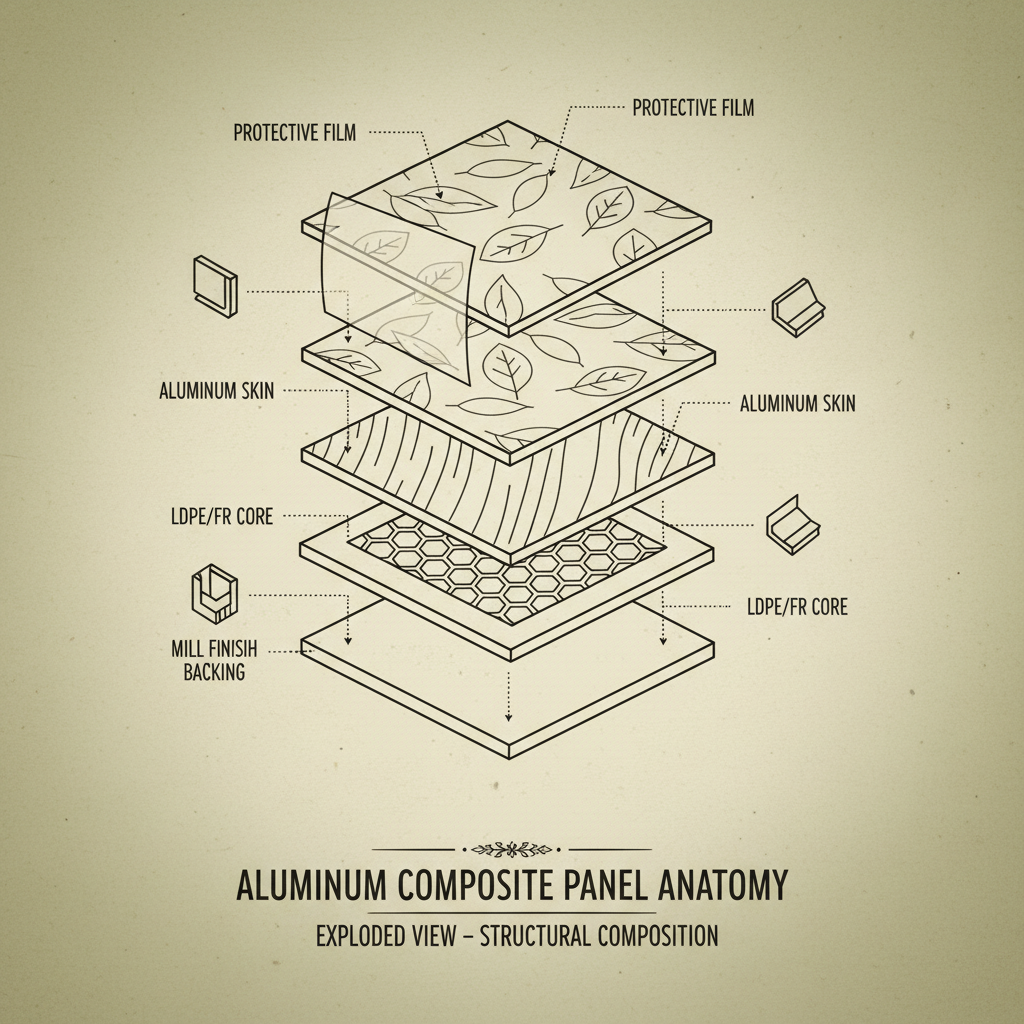
Cladding panels have become an integral element in modern architectural design, offering a versatile and durable solution for building facades. Globally, their demand is driven by urbanization, infrastructure development, and a growing need for energy-efficient buildings. From towering skyscrapers to low-rise commercial spaces, cladding panels provide both aesthetic appeal and functional benefits, safeguarding structures against environmental elements and enhancing their longevity. Understanding the nuances of these materials is crucial for architects, contractors, and developers seeking to create sustainable and visually striking buildings.
The construction industry is increasingly focused on materials that offer performance, cost-effectiveness, and ease of installation. Cladding panels address these challenges directly, offering a lightweight alternative to traditional building materials like brick and concrete. Their use has seen a substantial rise, particularly in regions undergoing rapid development, where speed of construction and efficient resource utilization are paramount. This trend highlights the growing importance of innovative building solutions in meeting global demands.
Furthermore, advancements in materials science have led to the development of increasingly sophisticated cladding panels, including fire-resistant and energy-efficient options, aligning with stricter building codes and environmental regulations worldwide. This adaptability and responsiveness to evolving industry needs solidify their position as a key component in the future of building construction.
The Global Significance of Cladding Panels
The demand for cladding panels is a direct reflection of global construction trends and the push for sustainable building practices. According to data from the United Nations, the world population is increasingly concentrated in urban areas, demanding more efficient and innovative building solutions. This surge in urbanization necessitates materials that can be installed quickly, reduce construction time, and minimize environmental impact.
The challenges faced by the construction industry, such as material costs, labor shortages, and stringent building codes, are driving the adoption of cladding panels. They offer a cost-effective alternative to traditional materials, reducing both upfront investment and long-term maintenance expenses. Their lightweight nature also eases installation and reduces labor requirements, further contributing to project efficiency.
Defining Cladding Panels
Simply put, cladding panels are non-structural exterior or interior coverings applied to the building envelope. These panels serve as a protective skin, shielding the structure from the elements while simultaneously enhancing its aesthetic appeal. They're typically manufactured from materials like aluminum, composite materials (ACP), steel, or terracotta, each offering distinct properties and benefits.
The connection to modern industry lies in their adaptability and scalability. Cladding panels aren't limited to new construction; they're extensively used in renovation projects to upgrade the appearance and performance of existing buildings. This versatility makes them a crucial component in urban renewal and sustainable building retrofits.
Furthermore, cladding isn't simply about aesthetics. It significantly contributes to a building’s thermal performance, insulation, and weather resistance, playing a vital role in energy conservation and occupant comfort. This addresses a critical humanitarian need for creating sustainable and livable spaces.
Core Characteristics of Modern Cladding Panels
Modern cladding panels are characterized by several key properties, including durability, lightweight construction, and design flexibility. Their ability to withstand harsh weather conditions, including extreme temperatures, UV radiation, and precipitation, is paramount. The lightweight nature of many panels reduces the structural load on the building, potentially lowering foundation costs.
Perhaps the most significant characteristic is the design versatility they offer. Cladding panels can be manufactured in a wide range of colors, textures, and finishes, allowing architects to create visually stunning facades. They can be customized to mimic other materials, such as wood or stone, while offering superior performance characteristics. This flexibility is crucial for achieving unique architectural visions.
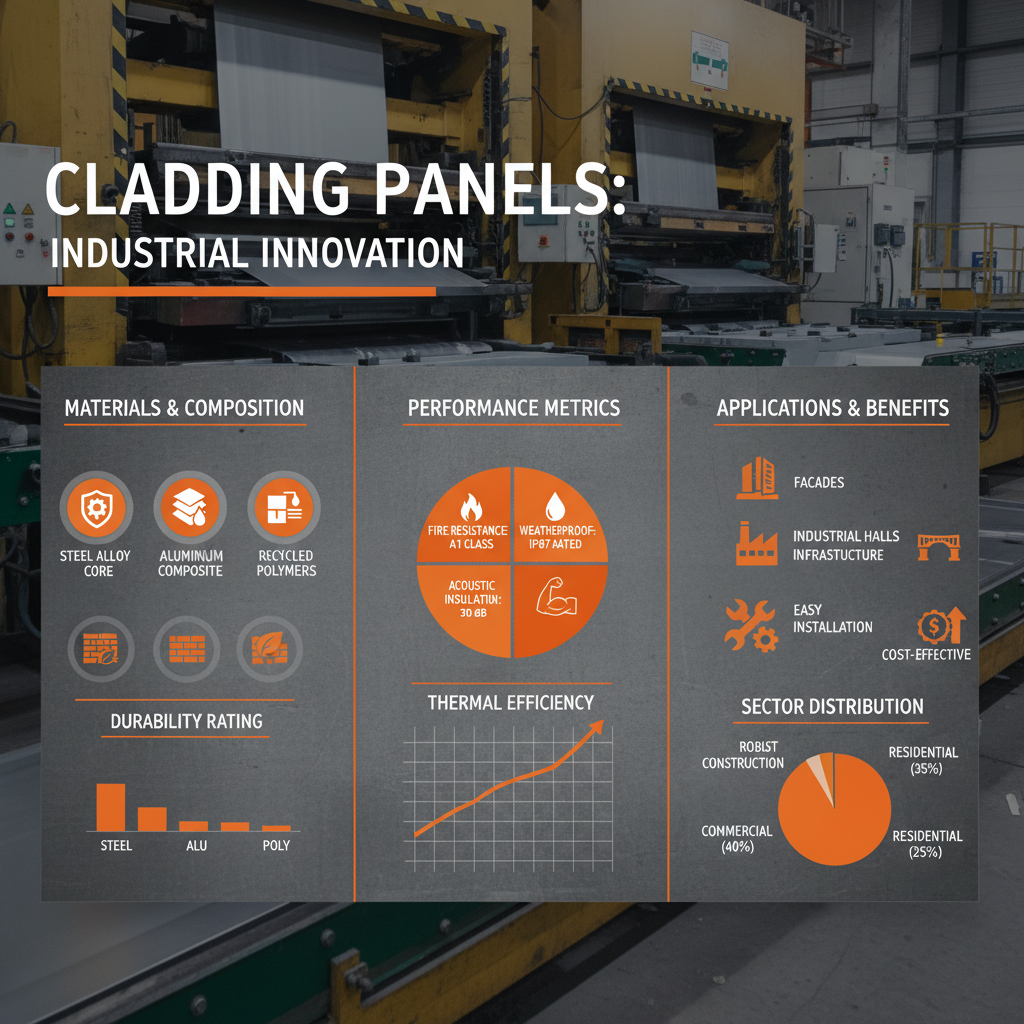
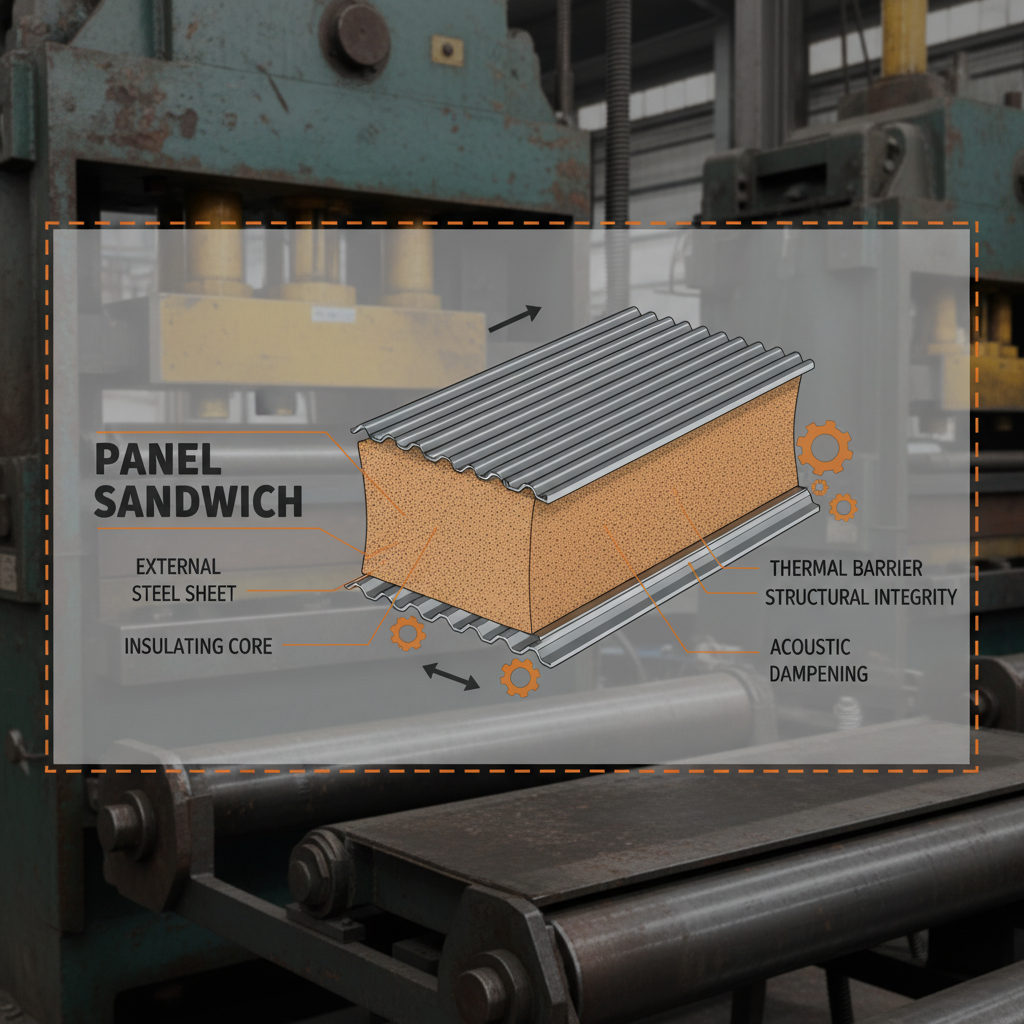
Beyond aesthetics and durability, increasingly important characteristics include fire resistance, thermal insulation, and sustainability. Modern panels often incorporate fire-retardant materials and offer excellent thermal performance, reducing energy consumption and contributing to greener building practices. The choice of material significantly impacts these factors.
Key Performance Indicators for Cladding Panels
Evaluating cladding panels requires considering several key performance indicators (KPIs) to ensure optimal functionality and longevity. These KPIs range from physical properties to environmental considerations.
These indicators are vital for making informed decisions when selecting cladding materials for specific projects, ensuring that the chosen panels meet the required standards for safety, performance, and sustainability.
Cladding Panel Performance Ratings
Global Applications and Industry Impact
Cladding panels are utilized across a vast spectrum of industries and applications globally. From iconic skyscrapers in bustling metropolises like New York and Dubai to commercial buildings, residential complexes, and industrial facilities, their versatility is undeniable. They are integral to the architectural landscape of modern cities.
In post-disaster relief operations, cladding panels can provide rapid and effective shelter solutions, offering protection from the elements and contributing to the recovery process. Their lightweight nature simplifies transportation and installation in challenging environments.
The automotive and aerospace industries also leverage the properties of cladding materials for lightweight components and aerodynamic surfaces. This demonstrates the adaptability of cladding technology beyond the traditional construction sector, influencing innovation in diverse fields.
The Long-Term Value Proposition of Cladding Panels
The advantages of using cladding panels extend beyond initial cost savings. Their long-term durability reduces maintenance requirements, minimizing lifecycle costs. A well-maintained cladding system can significantly extend the lifespan of a building, protecting the underlying structure from degradation.
From a sustainability perspective, many cladding materials are recyclable, reducing their environmental footprint. Furthermore, the energy-efficient properties of certain panels contribute to lower heating and cooling costs, reducing a building’s carbon emissions. This aligns with the growing global emphasis on green building practices.
Investing in quality cladding panels builds trust and establishes a reputation for quality and innovation, enhancing property value and attracting tenants or buyers. The aesthetic appeal and improved building performance contribute to a positive user experience, reinforcing the long-term value proposition.
Future Trends and Innovations in Cladding Panels
The future of cladding panels is poised for significant advancements driven by technological innovation and sustainability concerns. Research is focusing on the development of self-cleaning coatings, dynamic facades that respond to environmental conditions, and bio-based cladding materials derived from renewable resources.
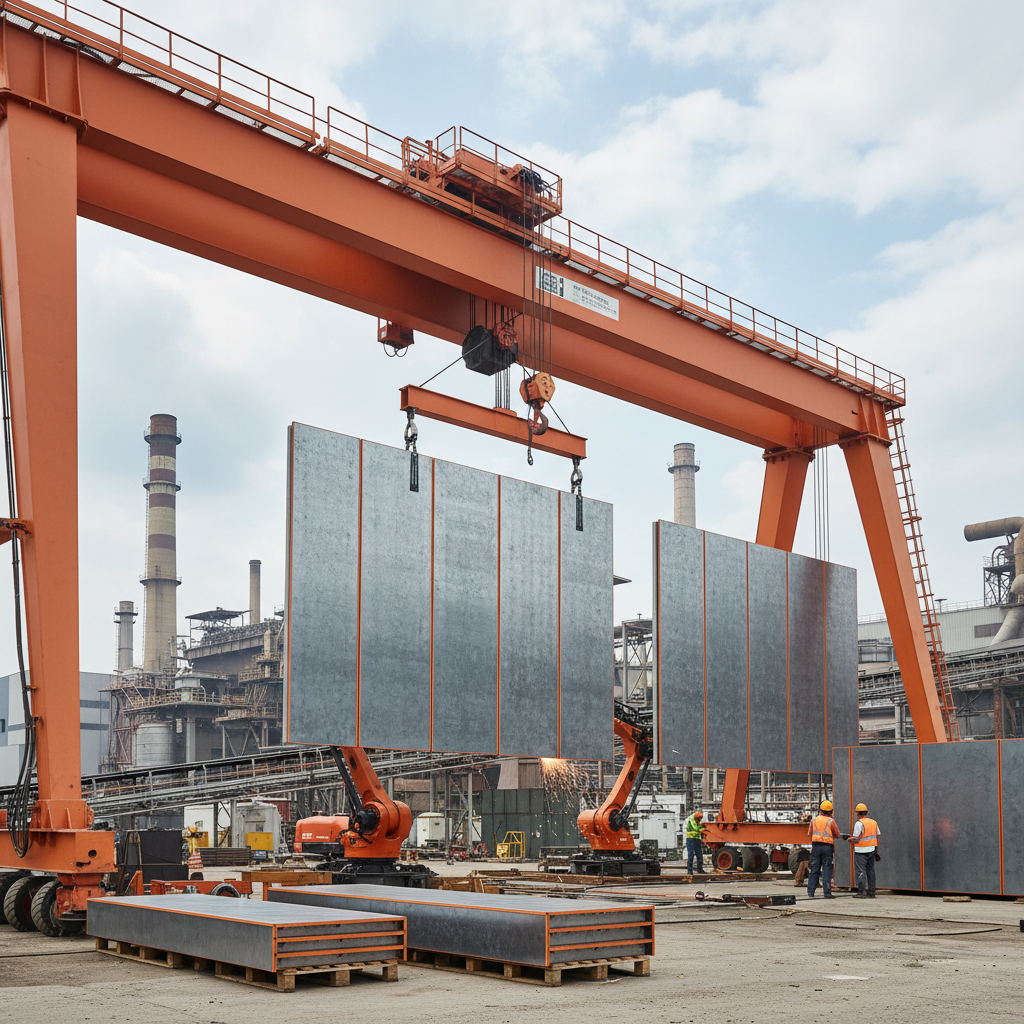
Digital transformation is playing a key role, with Building Information Modeling (BIM) streamlining the design and installation process. Automation in manufacturing is increasing efficiency and reducing production costs. These technologies are enabling the creation of customized cladding solutions tailored to specific project requirements.
The integration of smart technologies, such as sensors and IoT devices, is opening up possibilities for real-time monitoring of cladding performance, predicting maintenance needs, and optimizing energy efficiency. These innovations are shaping the future of building facades and enhancing their functionality.
| Material Type |
Sustainability Score (1-10) |
Cost-Effectiveness (1-10) |
Durability Rating (1-10) |
| Aluminum Composite Panels |
7 |
8 |
9 |
| Steel Cladding |
6 |
7 |
10 |
| Terracotta Panels |
9 |
5 |
8 |
| Fiber Cement Cladding |
8 |
6 |
7 |
| Wood Cladding |
5 |
4 |
6 |
| PVDF Cladding |
7 |
7 |
9 |
FAQS
Aluminum composite panels (ACPs) offer a compelling combination of benefits, including lightweight construction, excellent rigidity, superior weather resistance, and a wide range of color and finish options. They’re cost-effective, easy to install, and can significantly reduce building weight, leading to lower foundation costs. ACPs also provide excellent thermal and acoustic insulation, enhancing building comfort and energy efficiency.
Fire safety is a paramount concern when selecting cladding panels. Building codes increasingly require the use of fire-resistant materials. Panels classified as FR, A2, or B1 offer varying degrees of fire protection, with A2 being the most fire-resistant. It’s crucial to consult local building regulations and choose panels that meet or exceed these requirements to ensure occupant safety and minimize fire risk.
The lifespan of cladding panels varies depending on the material type, environmental conditions, and maintenance practices. Generally, aluminum and steel cladding can last 50 years or more with proper maintenance. Composite panels typically have a lifespan of 30-40 years. Regular cleaning and inspections are essential to identify and address potential issues before they escalate, extending the lifespan of the cladding system.
The environmental impact of cladding panels depends on the material used and its lifecycle. Aluminum is recyclable, reducing its environmental footprint. Manufacturers are also increasingly utilizing recycled materials in their production processes. Choosing panels with low VOC emissions and sustainable manufacturing practices further minimizes environmental impact. Proper disposal and recycling at the end of their lifecycle are crucial.
Several factors influence the cost of cladding panels, including the material type, panel thickness, finish, and installation complexity. Aluminum panels generally cost more than steel or composite panels. Custom finishes and complex designs also add to the overall cost. Labor costs for installation can vary significantly depending on the location and complexity of the project. It's essential to obtain detailed quotes from multiple suppliers and installers to compare pricing.
Regular maintenance is essential to prolong the lifespan of cladding panels. This includes periodic cleaning to remove dirt, grime, and pollutants. Inspecting the panels for damage, such as dents, scratches, or corrosion, is crucial. Promptly repairing any damage prevents it from escalating and compromising the cladding system's integrity. Avoid using harsh chemicals or abrasive cleaners that can damage the panel surface.
Conclusion
In conclusion, cladding panels represent a pivotal advancement in modern construction, offering a versatile and efficient solution for building facades. Their combination of durability, aesthetic appeal, and cost-effectiveness makes them an indispensable component in both new construction and renovation projects worldwide. Understanding the nuances of different panel types, their performance characteristics, and future trends is crucial for architects, developers, and contractors alike.
As building codes become stricter and sustainability concerns grow, the demand for innovative and high-performance cladding solutions will only increase. Exploring emerging technologies, such as self-cleaning coatings and smart cladding systems, will further enhance the value proposition of these materials. To learn more about our comprehensive range of cladding panels and how we can help you with your next project, visit our website at www.acmfactory.com.