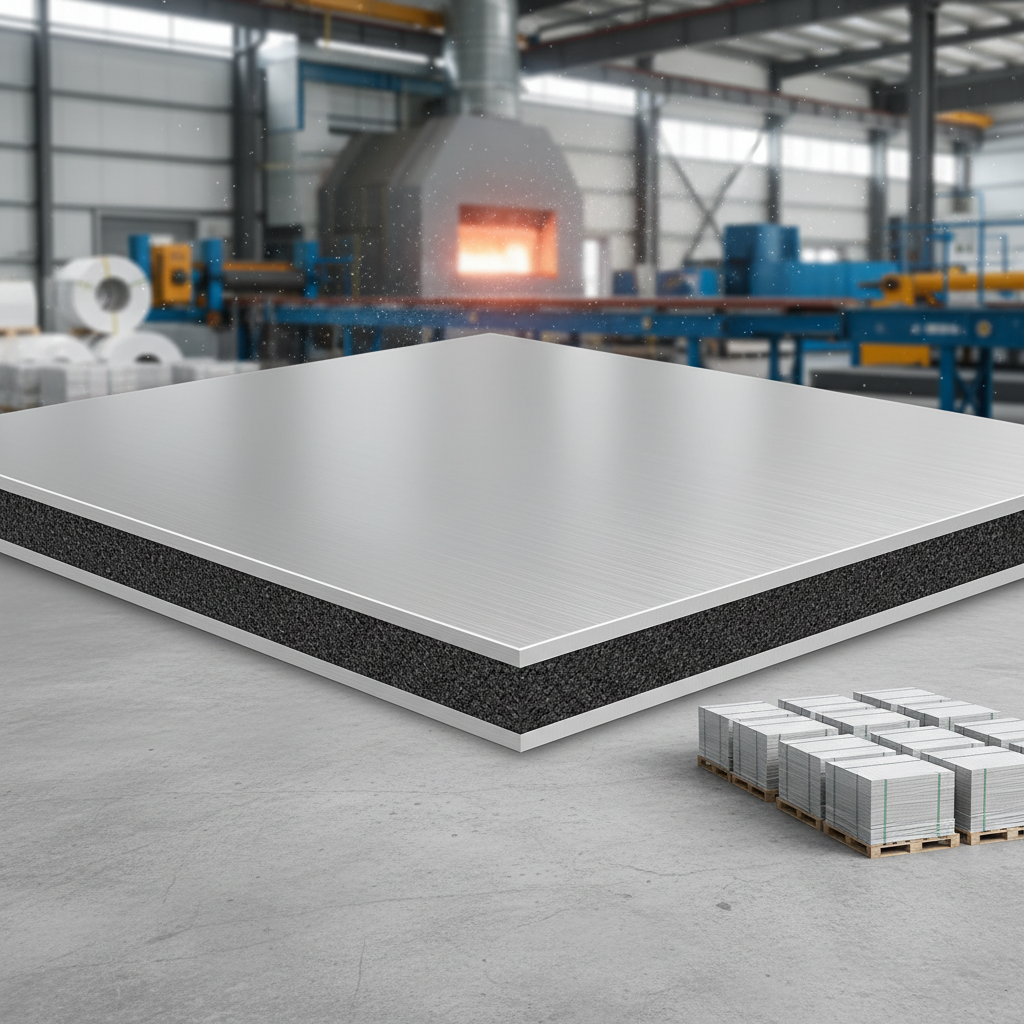
Integrating a high-performance alumunium ceiling into modern architectural design is no longer just about aesthetics; it is a strategic decision focused on durability, hygiene, and acoustic management. As urban infrastructure evolves, the demand for materials that combine lightweight properties with extreme longevity has pushed aluminum to the forefront of the construction industry, offering a versatile alternative to traditional plaster or mineral fiber tiles.
Across the globe, the shift toward sustainable building practices has highlighted the importance of recyclable materials. An alumunium ceiling provides a circular economy advantage, as aluminum can be recycled infinitely without losing its structural integrity, thereby reducing the carbon footprint of large-scale commercial projects and industrial facilities.
Understanding the technical nuances of these systems—from baffle designs to composite panels—allows architects and developers to solve complex environmental challenges. Whether it is managing moisture in a humid airport terminal or ensuring fire safety in a high-rise office, the right ceiling solution ensures a safe, breathable, and visually striking interior environment.
Global Relevance of Alumunium Ceiling Systems
In the current global construction landscape, the adoption of alumunium ceiling solutions has seen an unprecedented rise, particularly in Asia and Europe. According to international building standards and ISO certifications for material safety, aluminum's non-combustible nature makes it the gold standard for high-traffic public spaces. As cities densify, the need for fire-rated, low-maintenance overhead systems has become a critical safety requirement rather than a luxury.
The challenge facing many modern architects is the conflict between aesthetic desire and regulatory rigor. Traditional materials often fail to meet stringent fire safety codes (such as FR B1 or A2 ratings) without compromising the visual openness of a space. Aluminum solves this dilemma by providing a sleek, metallic finish that inherently resists corrosion and fire, ensuring that massive transit hubs and corporate headquarters remain safe and visually cohesive for decades.
Defining the Modern Alumunium Ceiling
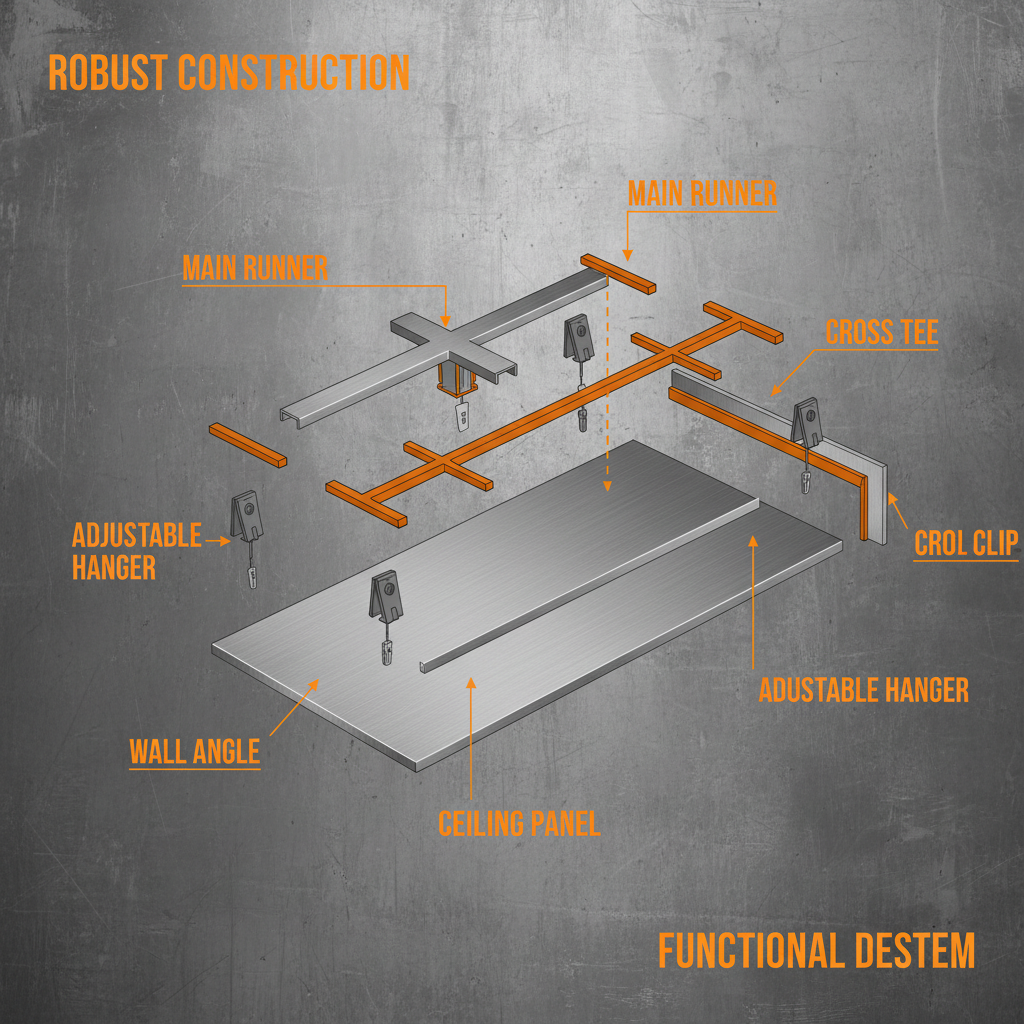
At its core, an alumunium ceiling is a prefabricated architectural system consisting of aluminum panels or baffles suspended from a structural slab via a specialized grid or carrier system. Unlike monolithic ceilings, these modular systems allow for easy access to MEP (Mechanical, Electrical, and Plumbing) services, making them indispensable for smart buildings where cabling and ventilation are frequently updated.
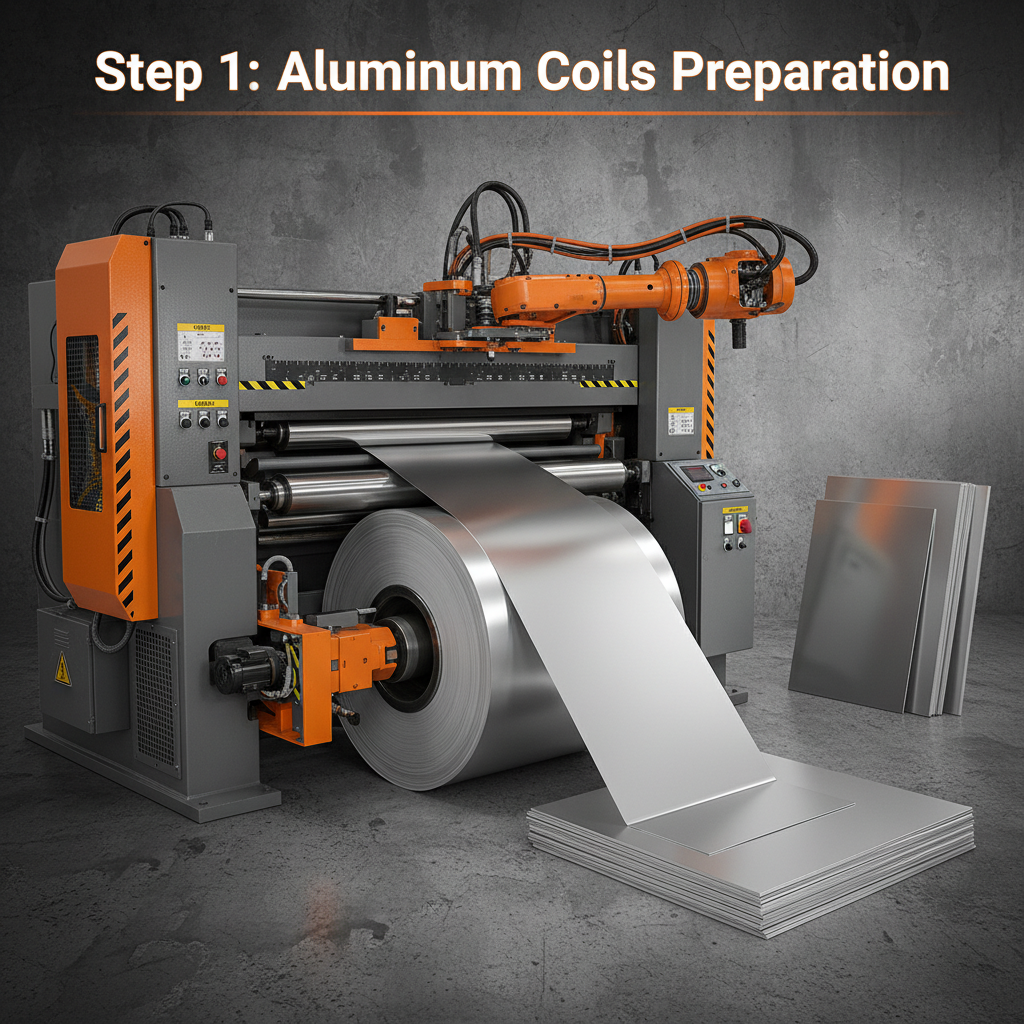
Beyond the simple definition, these systems represent a convergence of metallurgy and industrial design. By utilizing various finishes—such as PVDF coating or anodization—manufacturers can create surfaces that are not only waterproof and antibacterial but also tailored to the specific lighting requirements of a room. This makes the aluminum ceiling a tool for environmental control, influencing how sound bounces and how light is distributed across a floor plan.
From a humanitarian and industrial perspective, the lightweight nature of aluminum reduces the dead load on a building's structure. This is particularly vital in seismic-prone regions or when retrofitting older buildings where the original supports cannot handle the weight of heavy stone or thick plaster. By reducing structural stress, aluminum ceilings contribute to the overall longevity and resilience of the built environment.
Core Components of Performance
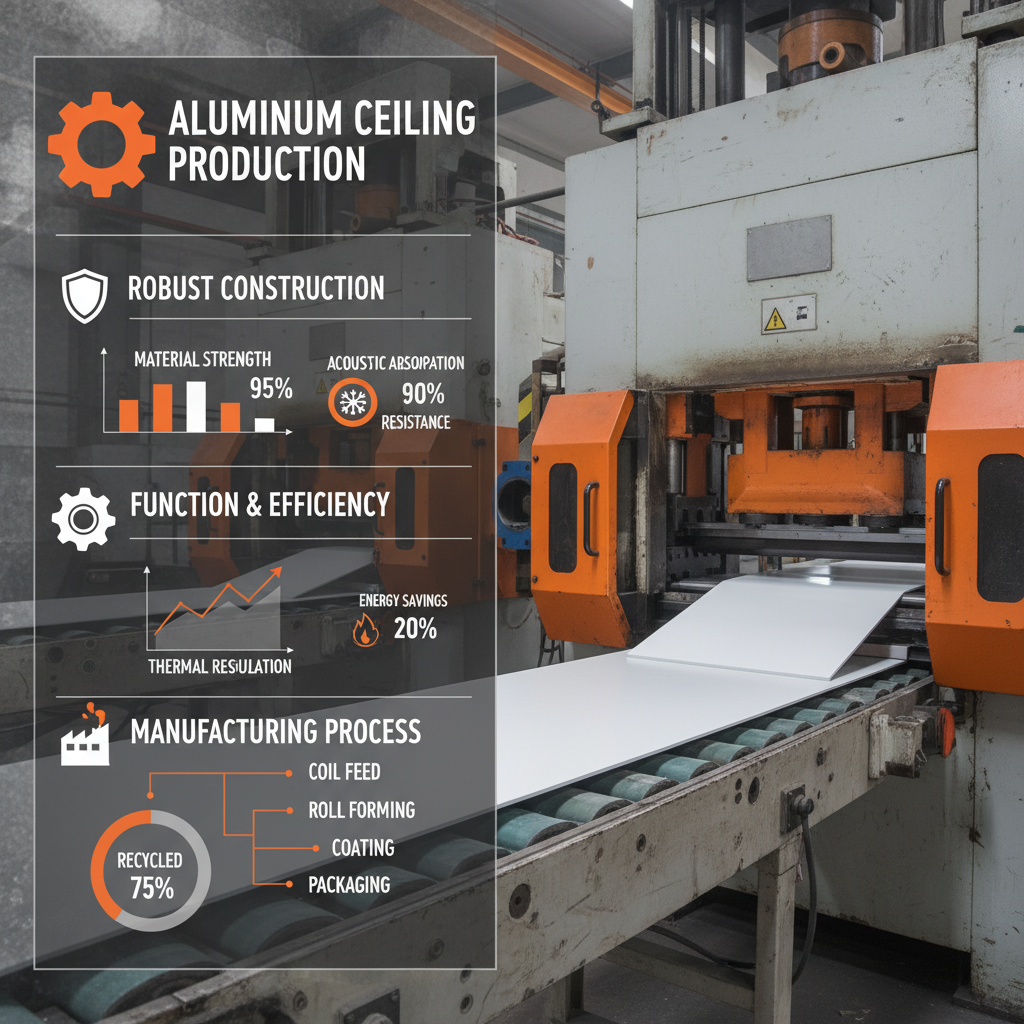
The durability of an alumunium ceiling is primarily derived from its chemical composition and surface treatment. High-grade alloys ensure that the panels do not sag over time, even in wide-span installations, while advanced coatings prevent oxidation in high-humidity environments like swimming pools or industrial kitchens.
Scalability is another critical factor, as the modular nature of the alumunium ceiling allows it to be deployed across vast areas with consistent precision. Whether installing a few square meters in a boutique office or thousands in an international airport, the interlocking mechanisms ensure a seamless finish and rapid installation time.
Cost-efficiency is realized through the lifecycle of the product. While the initial investment may be higher than gypsum, the lack of need for repainting, the resistance to mold, and the ease of replacing single panels mean that the total cost of ownership for an alumunium ceiling is significantly lower over a 20-year period.
Global Applications and Use Cases
The versatility of alumunium ceiling systems allows them to be adapted to almost any environment. In healthcare facilities, the non-porous surface of aluminum prevents the growth of bacteria and fungi, making it a hygienic necessity for operating theaters and laboratories. In these sterile environments, the ability to wipe down surfaces with harsh disinfectants without degrading the finish is a paramount advantage.
In the commercial sector, particularly in luxury retail and corporate lobbies, aluminum baffle ceilings are used to create a sense of height and linearity. By varying the spacing and depth of the baffles, designers can manipulate acoustic reflections, reducing noise pollution in open-plan offices. In remote industrial zones or post-disaster reconstruction projects, the ease of transporting lightweight aluminum components makes it a preferred choice for rapid deployment of permanent infrastructure.
Comparative Performance of Alumunium Ceiling Variants
Long-Term Value and Sustainability
The long-term value of an alumunium ceiling extends far beyond its immediate visual appeal. By investing in a material that does not warp, crack, or succumb to termite infestation, building owners secure their asset against the degradation typical of organic materials. This reliability fosters a sense of trust and safety for the occupants, knowing that the overhead structures meet the highest engineering standards.
From a sustainability perspective, aluminum is a champion of the green building movement. Because it is infinitely recyclable, a demolished alumunium ceiling does not end up in a landfill; instead, it is melted down and repurposed, requiring only a fraction of the energy needed for primary production. This aligns perfectly with LEED and BREEAM certifications, helping projects achieve higher environmental ratings.
Future Trends in Ceiling Innovation
The future of alumunium ceiling technology is increasingly intertwined with digital transformation. We are seeing the rise of "smart ceilings" where aluminum panels are integrated with embedded sensors for climate control, occupancy tracking, and automated lighting. These systems allow buildings to breathe and adapt in real-time, optimizing energy consumption based on the number of people in a room.
Material science is also evolving, with the introduction of nano-coatings that provide self-cleaning properties. These advanced surfaces use photocatalytic reactions to break down organic pollutants when exposed to light, meaning the alumunium ceiling effectively cleans the air while remaining spotless. This innovation is particularly promising for hospitals and clean-room environments.
Furthermore, the shift toward additive manufacturing (3D printing) is allowing for the creation of complex, organic aluminum geometries that were previously impossible. This enables architects to move away from rigid grids toward fluid, sculptural ceilings that maintain the technical benefits of aluminum while pushing the boundaries of artistic expression.
Overcoming Implementation Challenges
Despite the advantages, implementing an alumunium ceiling can present challenges, most notably the potential for "oil canning" or slight waviness in very large flat panels. Expert installers overcome this by utilizing reinforced backing or by opting for segmented panel designs that allow for natural thermal expansion and contraction.
Another common concern is the acoustic reflectivity of metal. To solve this, engineers integrate acoustic fleece or perforated patterns into the alumunium ceiling. These perforations allow sound waves to pass through the metal and be absorbed by a mineral wool backing, effectively combining the durability of aluminum with the sound-dampening properties of a soft ceiling.
Finally, the precision required for the initial grid installation can be daunting. However, the adoption of BIM (Building Information Modeling) has streamlined this process. By creating a digital twin of the ceiling layout, manufacturers can pre-cut and pre-drill components to millimetric precision, ensuring that the final assembly is fast, error-free, and perfectly aligned.
Technical Analysis of Alumunium Ceiling Implementation Options
| System Type |
Durability Score |
Installation Speed |
Acoustic Control |
| Baffle System |
9/10 |
Medium |
High (Diffusive) |
| Clip-in Panel |
8/10 |
Fast |
Medium |
| Lay-in Grid |
7/10 |
Very Fast |
High (with fleece) |
| Linear Plank |
9/10 |
Medium |
Medium |
| Perforated Tile |
8/10 |
Fast |
Excellent |
| Custom Facade |
10/10 |
Slow |
Variable |
FAQS
Unlike gypsum, an alumunium ceiling is moisture-resistant, fire-proof, and significantly more durable. While gypsum can crack or mold in humid conditions, aluminum remains structurally sound and easy to clean, making it ideal for commercial use and wet areas.
With proper installation and high-quality PVDF or anodized finishes, an alumunium ceiling can easily last 20 to 50 years. Because it doesn't rust or degrade, the primary maintenance is simply occasional dusting or cleaning.
Yes, this is a common practice. By using perforated alumunium ceiling panels paired with an acoustic non-woven fabric or mineral wool backing, you can achieve high NRC (Noise Reduction Coefficient) ratings while keeping the metal look.
Absolutely. Aluminum is a non-combustible material. Most professional alumunium ceiling systems are rated A2 or FR B1, meaning they do not contribute to the spread of fire and produce minimal smoke, ensuring safer evacuation times.
While you can paint over some panels, it is not recommended as it may void the warranty and ruin the factory finish. The beauty of a modular alumunium ceiling is that you can simply replace specific panels with a new color or finish without tearing down the entire system.
Aluminum is exceptionally lightweight compared to steel or concrete. Installing an alumunium ceiling reduces the overall dead load on the ceiling joists, which is a major advantage during renovations of older buildings or in seismic zones.
Conclusion
In summary, the alumunium ceiling stands as a pinnacle of modern architectural engineering, blending the rigorous requirements of fire safety and hygiene with the flexible demands of contemporary design. By addressing the core issues of durability, acoustic management, and environmental sustainability, these systems provide a long-term value proposition that far outweighs the initial cost of installation.
As we look toward a future of smart cities and green building, the role of aluminum will only grow. We encourage architects and developers to move beyond traditional materials and embrace the adaptability of aluminum to create spaces that are not only visually stunning but are fundamentally safe and sustainable for generations to come. For premium solutions, visit our website: www.acmfactory.com.