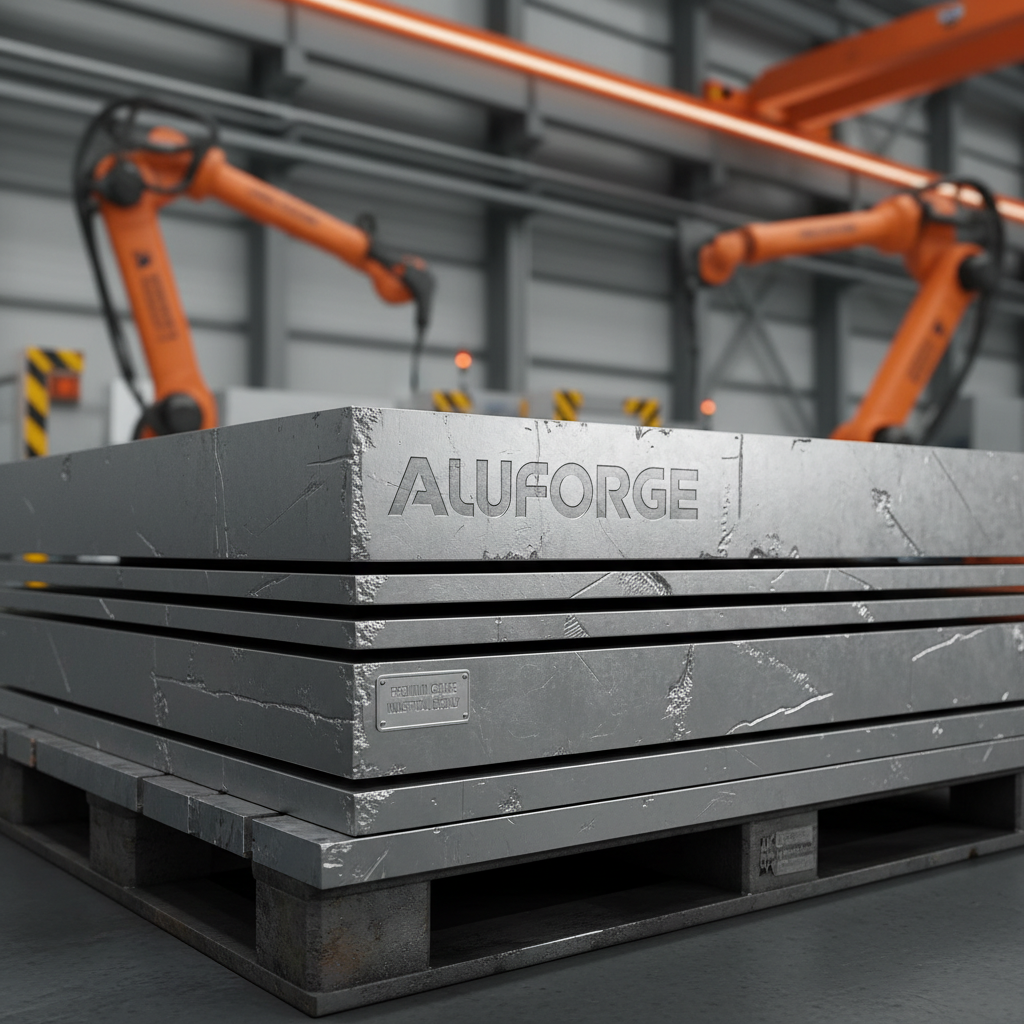
In the evolving landscape of modern architecture and industrial design, aluminum honeycomb panels have emerged as a pivotal material, bridging the gap between lightweight efficiency and structural rigidity. These engineered panels are not merely building components but are sophisticated solutions designed to meet the rigorous demands of high-rise facades, aerospace interiors, and high-end transportation. By leveraging the geometric strength of the hexagonal cell, they provide an unparalleled strength-to-weight ratio that traditional solid sheets cannot match.
The global shift toward sustainable construction and energy-efficient building envelopes has placed a spotlight on the versatility of these composite systems. From reducing the dead load on steel structures to providing superior thermal insulation and flatness over large spans, the adoption of honeycomb core technology is accelerating. As urban centers grow and the demand for "fast-build" yet durable infrastructure increases, understanding the technical nuances of these panels becomes essential for architects and developers alike.
Beyond the immediate structural advantages, aluminum honeycomb panels offer a sustainable lifecycle through high recyclability and long-term durability. By integrating advanced coatings like PVDF or anodized finishes, these panels resist the harshest environmental stressors, ensuring that the aesthetic integrity of a building remains intact for decades. This comprehensive guide explores the global context, technical specifications, and innovative applications that make this material a cornerstone of 21st-century engineering.
Global Industry Context of Aluminum Honeycomb Panels
The global market for advanced architectural materials has seen a significant pivot toward lightweighting, a trend largely driven by the need to reduce carbon footprints in construction. According to ISO standards for building materials, the reduction of material mass without compromising structural integrity is a primary goal for modern engineering. aluminum honeycomb panels address this challenge by providing a rigid yet lightweight alternative to solid aluminum or steel plates, which often prove too heavy for expansive curtain wall systems.
In high-growth urban markets across Asia and the Middle East, the push for iconic, geometrically complex skyscrapers has necessitated materials that can maintain perfect flatness over large surface areas. Traditional cladding often suffers from "oil-canning" or waving; however, the honeycomb core acts as a stabilizing force, ensuring a precision-engineered finish. This has made the material indispensable for LEED-certified projects where efficiency and longevity are non-negotiable.
Defining the Structure of Aluminum Honeycomb Panels
At its most basic level, aluminum honeycomb panels are sandwich structures consisting of two thin, high-strength aluminum skins bonded to a central hexagonal honeycomb core. This geometry is borrowed from nature, where the hexagon provides the most efficient use of space and material to support a maximum load. The resulting composite is a material that possesses high stiffness in the cell-wall direction and exceptional shear strength.
From a technical perspective, the "honeycomb" refers to the expanded aluminum foil that is glued and then stretched to create the open-cell structure. This design allows for air circulation within the core, which contributes to the panel's thermal properties and prevents moisture accumulation if properly sealed. The bond between the skin and the core is typically achieved through high-performance structural adhesives, ensuring that the panel acts as a single monolithic unit.
In the context of modern industry, these panels solve a critical humanitarian and economic need: the desire for rapidly deployable, durable, and safe infrastructure. Whether used in the construction of modular hospitals or high-speed rail cars, the ability of aluminum honeycomb panels to provide fire-resistant, non-toxic, and lightweight shielding is a direct response to the need for safer and more efficient public spaces.
Core Components Driving Performance
The performance of aluminum honeycomb panels is governed by three primary factors: skin thickness, core cell size, and adhesive quality. The outer skins, often treated with PVDF or anodized finishes, provide the first line of defense against corrosion and UV radiation. The thickness of these skins is carefully calibrated to balance weight with the required impact resistance and surface flatness.
The honeycomb core itself is the engine of the panel's strength. By varying the cell size (the diameter of the hexagon) and the foil thickness, manufacturers can customize the stiffness for specific project needs. A smaller cell size generally results in higher compressive strength, making it ideal for heavy-duty industrial flooring or structural partitions, while larger cells are optimized for lightweight facade cladding.
Finally, the structural adhesive is the unsung hero of the assembly. Without a perfect bond between the aluminum skin and the core, the panel would suffer from delamination, leading to structural failure. Advanced epoxy-based adhesives ensure that the load is distributed evenly across the entire surface, allowing the panels to withstand high wind loads and thermal expansion cycles without warping.
Global Applications and Use Cases
The application of aluminum honeycomb panels spans a vast array of sectors, from high-tech aerospace to luxury retail architecture. In the aerospace industry, they are used for flooring and interior bulkheads where every gram of weight saved translates directly into fuel efficiency. Similarly, in the rail industry, these panels are utilized for carriage walls and ceilings to enhance passenger safety and reduce the overall energy consumption of the train.
In the realm of architecture, these panels are the gold standard for large-scale facade systems in metropolitan hubs like Dubai, Singapore, and New York. For instance, in the construction of airport terminals, the panels provide a sleek, futuristic aesthetic while remaining easy to install over massive spans. In more specialized contexts, such as clean-room environments for pharmaceutical labs, the non-outgassing and easy-to-clean surfaces of aluminum honeycomb ensure a sterile atmosphere.
Performance Comparison of Aluminum Honeycomb Panel Variations
Advantages and Long-Term Value
The primary advantage of aluminum honeycomb panels lies in their exceptional dimensional stability. Unlike solid materials that may warp under thermal stress, the honeycomb structure absorbs expansion and contraction internally, maintaining a perfectly flat surface. This logical benefit translates into a lower long-term maintenance cost, as there is less need for realignment or replacement of warped panels over the building's lifespan.
From an emotional and social perspective, the use of these materials fosters a sense of innovation and trust. In public infrastructure, the clean lines and precision of honeycomb panels signify modernity and safety. Furthermore, because aluminum is infinitely recyclable, the long-term ecological value is immense. Choosing honeycomb panels over plastic-core composites is a commitment to sustainability, reducing landfill waste and promoting a circular economy in the construction industry.
Future Trends and Innovations
The future of aluminum honeycomb panels is being shaped by the integration of "smart" materials. We are seeing the emergence of panels with embedded sensors that can monitor structural health, temperature, and humidity in real-time. This digital transformation allows building managers to detect potential failures before they occur, transitioning from reactive to predictive maintenance.
Another significant trend is the development of bio-based adhesives and recycled aluminum skins. As the industry pushes toward "Net Zero," the focus is shifting toward reducing the embodied carbon of the manufacturing process. New automated production lines are utilizing AI to optimize the foil expansion process, minimizing waste and ensuring that each cell is perfectly uniform, which further enhances the panel's strength.
Additionally, the convergence of additive manufacturing (3D printing) and composite technology is allowing for "gradient honeycomb" structures. These are panels where the cell density varies across the surface to match the specific load requirements of different areas of a building. This extreme optimization ensures that material is only placed where it is needed, pushing the boundaries of lightweight engineering.
Challenges and Professional Solutions
Despite their benefits, aluminum honeycomb panels face challenges regarding edge sealing and moisture ingress. If the edges are not properly sealed, water can enter the honeycomb core through capillary action, leading to internal corrosion or "blooming" in humid environments. To solve this, professional installers now employ advanced polymer edge-banding and vacuum-sealing techniques to ensure the core remains hermetically closed.
Another common limitation is the higher initial cost compared to basic aluminum composite panels (ACP). While the long-term value is higher, the upfront investment can be a barrier. The solution lies in "Value Engineering," where architects use honeycomb panels specifically for high-stress or high-visibility areas and simpler materials for secondary zones, optimizing the budget without sacrificing the building's overall integrity.
Finally, the complexity of processing—such as CNC routing and folding—requires specialized equipment and skilled labor. Many manufacturers are now offering pre-fabricated, project-specific kits that include precise cuts and pre-drilled holes. This shift toward off-site fabrication reduces on-site errors and significantly accelerates the assembly process, turning a technical challenge into a logistical advantage.
Technical Analysis of Aluminum Honeycomb Panel Performance Metrics
| Panel Variant |
Flatness Rating (1-10) |
Weight Reduction % |
Standard Facade Honeycomb
|
9 |
60% |
A2 Non-combustible |
| Ultra-Light Aerospace |
10 |
85% |
High FR Grade |
| Heavy-Duty Industrial |
8 |
40% |
B1 Flame Retardant |
| Decorative Interior |
7 |
50% |
Standard FR |
| Anodized Architectural |
9 |
55% |
A2 Non-combustible |
| PVDF Coated Exterior |
9 |
60% |
A2 Non-combustible |
FAQS
The primary difference lies in the core structure. While standard Aluminum Composite Panels (ACP) use a polyethylene or mineral-filled core, honeycomb panels utilize a hexagonal aluminum cell structure. This provides significantly higher rigidity and flatness over large spans, making them ideal for high-rise facades where "oil-canning" (surface waving) must be avoided. Additionally, they offer a superior strength-to-weight ratio and often better fire performance (A2 non-combustible) compared to PE-core panels.
When treated with high-performance coatings like PVDF or through a rigorous anodization process, aluminum honeycomb panels can last 20-30 years with minimal maintenance. The key is the integrity of the edge sealing; as long as the core is protected from saltwater ingress, the aluminum's natural oxide layer and the exterior coating provide exceptional resistance to corrosion and UV degradation, maintaining both structural and aesthetic integrity.
They require more precision than standard cladding but are overall efficient due to their lightweight nature. Installation typically involves a specialized sub-frame system. To simplify the process, most professional suppliers provide pre-fabricated panels that are CNC-cut to exact project specifications. This reduces on-site labor and ensures that the panels fit perfectly into the framing, significantly speeding up the construction timeline.
Yes, they are widely used for both. For flooring, a higher-density core and thicker skins are used to increase compressive strength and impact resistance. For ceilings, the lightweight property is the main advantage, reducing the load on the ceiling suspension system. They are especially popular in airports and luxury hotels due to their seamless appearance and acoustic dampening properties.
Yes, aluminum honeycomb panels are among the safest options available. Because the core is made of aluminum rather than combustible plastics, they naturally have a much higher melting point and do not contribute to the spread of fire. Many are certified as A2-grade (non-combustible), meeting the strictest global fire safety codes for high-rise construction, which is critical for protecting lives and assets.
Core size selection depends on your priority: stiffness or weight. Smaller cell sizes generally provide higher compressive strength and better support for the skins, reducing the risk of denting. Larger cells are more lightweight and are typically sufficient for purely decorative facade work. We recommend consulting with a technical engineer to perform a load calculation based on your specific wind loads and panel dimensions.
Conclusion
In summary, aluminum honeycomb panels represent the pinnacle of composite engineering, offering a rare combination of extreme lightweighting, structural rigidity, and aesthetic versatility. By analyzing their global context—from aerospace applications to urban skyscrapers—it is evident that the hexagonal core design solves critical problems regarding material mass and surface flatness. From the precision of the skins to the reliability of the structural adhesives, every component is engineered to provide long-term value and safety.
Looking forward, the integration of smart technologies and sustainable manufacturing will further solidify the role of honeycomb panels in the green building movement. For architects and developers, the transition to these advanced materials is not just a technical upgrade but a strategic investment in sustainability and resilience. We encourage you to explore how these solutions can elevate your next project. Visit our website: www.acmfactory.com