The modern architectural landscape is undergoing a profound transformation, driven by the pursuit of sustainability and structural efficiency. Among the most pivotal advancements in this shift is the integration of aluminum building materials, which have evolved from simple decorative accents to core structural components. Their unique combination of lightweight properties and immense strength makes them indispensable for contemporary urban development.
Globally, the demand for high-performance cladding and roofing systems has surged as cities strive for "green" certifications and energy-efficient building envelopes. The versatility of aluminum—ranging from anodized finishes to advanced composite panels—allows architects to push the boundaries of geometric design without compromising the integrity of the building. This adaptability is crucial in an era where rapid urbanization requires fast, reliable, and durable construction solutions.
Understanding the technical nuances of these materials is not merely a matter of aesthetics; it is a critical requirement for safety and longevity. From fire-rated cores in composite panels to the corrosion resistance of PVDF coatings, the science behind these materials ensures that modern landmarks can withstand extreme weather and environmental stressors. By prioritizing these innovations, the industry is moving toward a circular economy where durability and recyclability coexist.
Global Relevance of Aluminum Building Materials
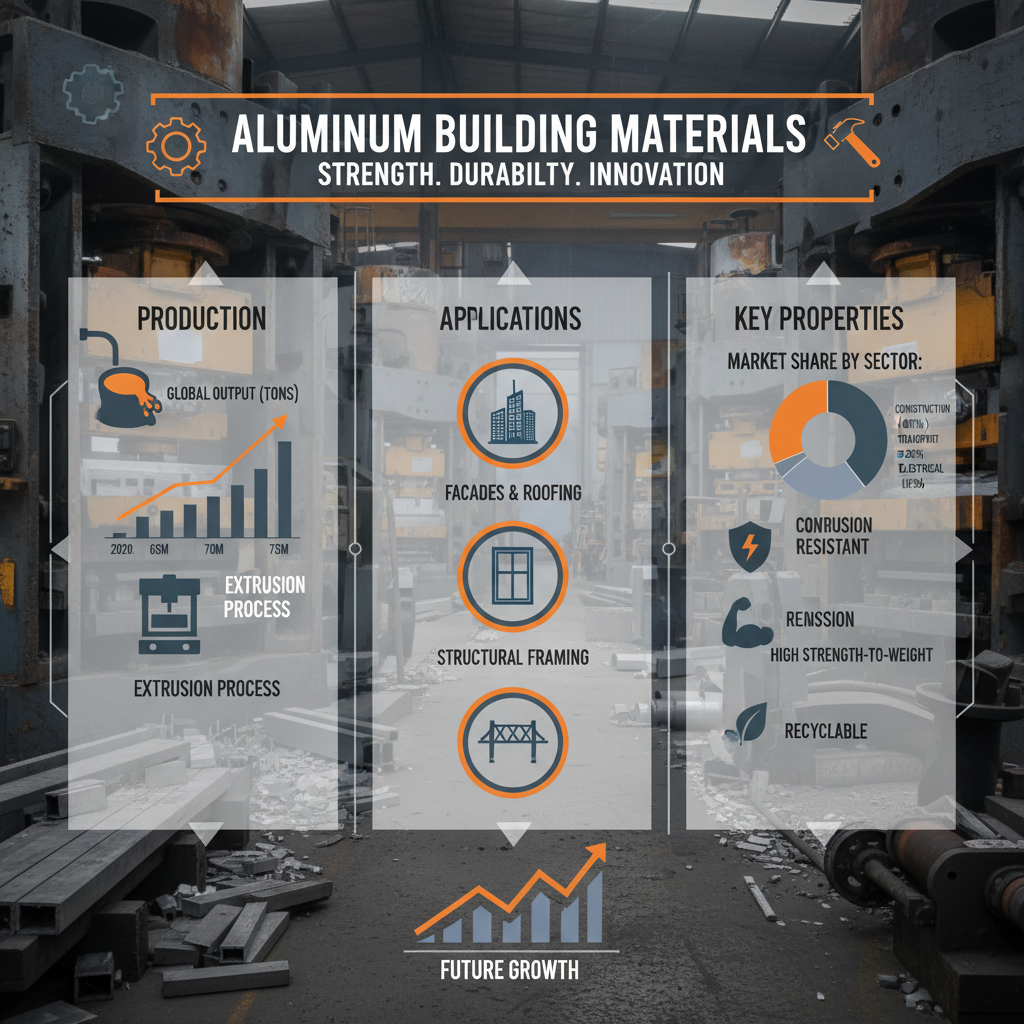
The global construction industry is currently facing a dual challenge: the need for rapid infrastructure expansion and the urgent requirement to reduce the carbon footprint of building projects. aluminum building materials have emerged as a primary solution due to their exceptional strength-to-weight ratio. According to international building standards and ISO certifications, the use of aluminum reduces the dead load on building foundations, which in turn lowers the total amount of concrete and steel required for structural support.
Furthermore, the rise of "Smart Cities" in Asia and Europe has accelerated the adoption of prefabricated aluminum systems. These materials allow for precise off-site manufacturing, which significantly reduces on-site waste and construction timelines. By integrating these advanced materials, developers can meet strict energy-efficiency targets while ensuring that the exterior facade remains resilient against the increasingly volatile global climate.
Defining Modern Aluminum Building Materials
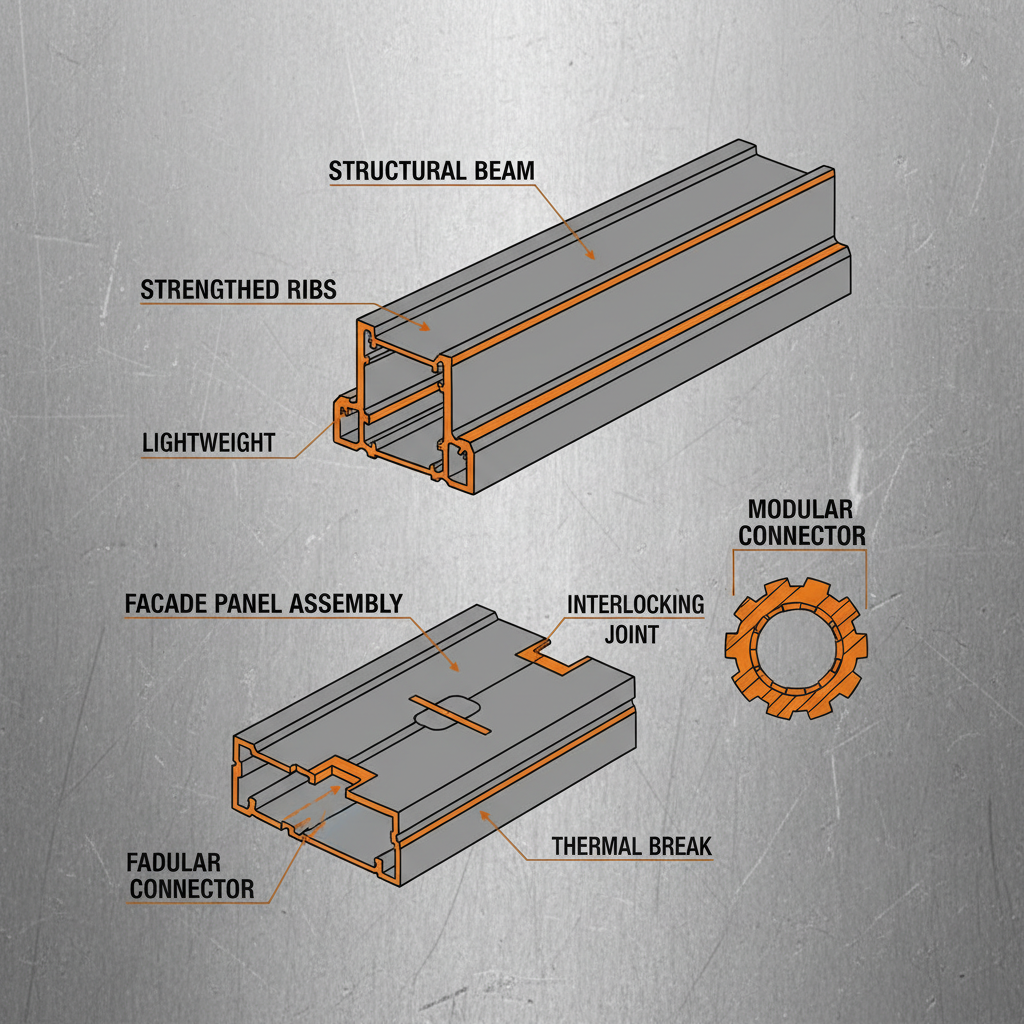
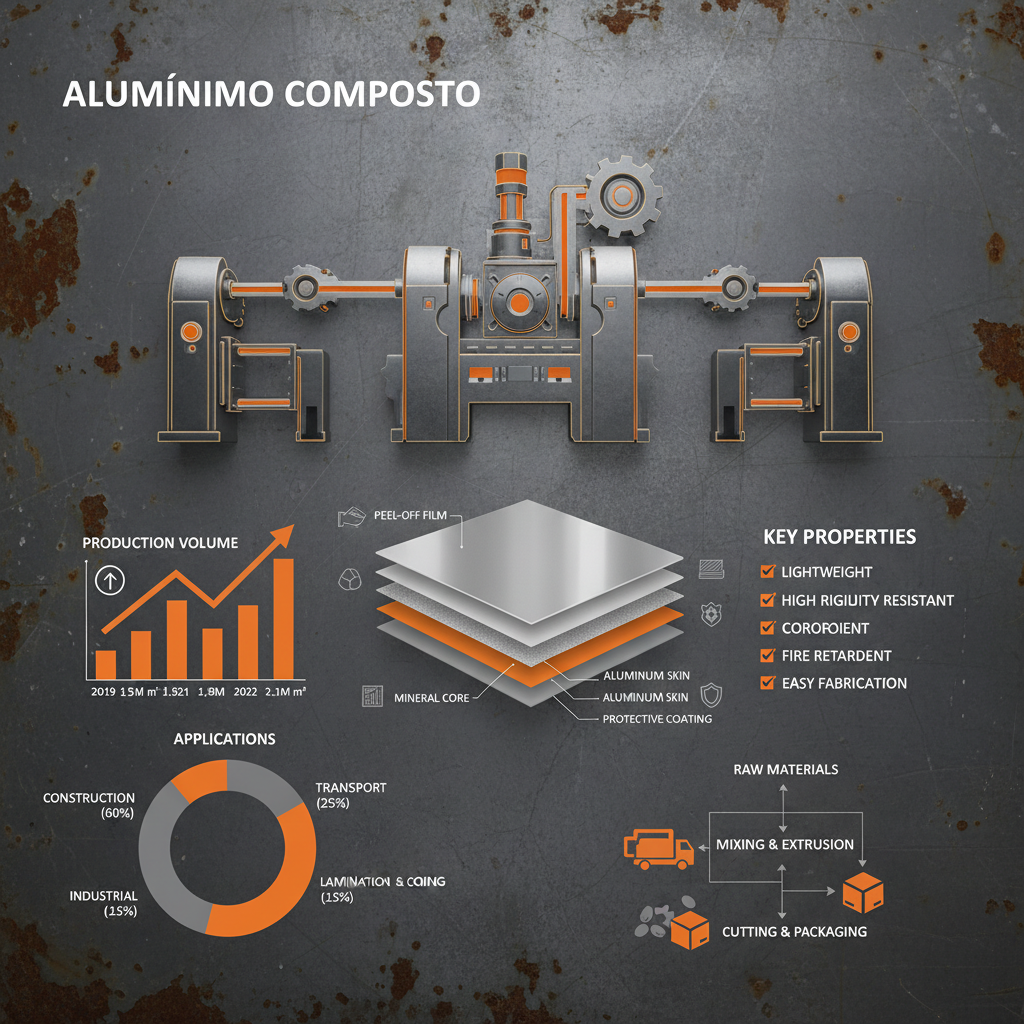
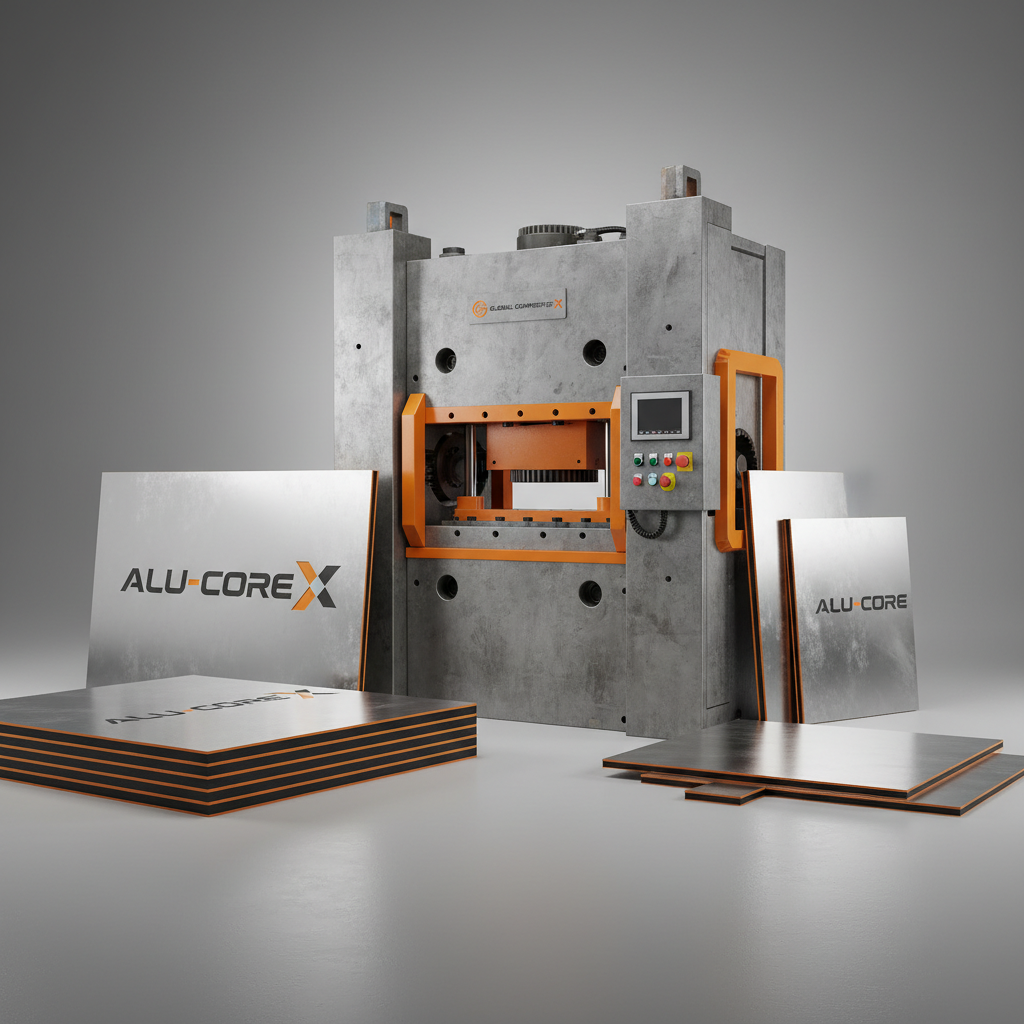
At its core, the term aluminum building materials refers to a wide array of products engineered from aluminum alloys, designed specifically for architectural and structural use. This includes everything from simple extruded profiles used in window frames to complex Aluminum Composite Panels (ACP) consisting of two thin aluminum sheets bonded to a non-aluminum core. These materials are engineered not just for support, but for protective layering and aesthetic finishing.
The connection between these materials and modern industrial needs is rooted in the concept of "performance envelopes." A building's skin must act as a barrier against thermal transfer, moisture, and wind pressure. Modern aluminum solutions, such as fire-safety (FR B1 A2) ACP, address the critical humanitarian need for safety in high-rise living, ensuring that facade materials do not contribute to the rapid spread of fire during emergencies.
Beyond safety, these materials represent a shift toward "intelligent design." Because aluminum can be anodized or coated with PVDF (Polyvinylidene Fluoride), it offers a level of customization that traditional stone or concrete cannot match. This allows for the creation of breathable facades and solar-reflective surfaces that naturally cool buildings, reducing the reliance on HVAC systems and lowering overall operational costs.
Core Components and Performance Factors
Durability is the cornerstone of aluminum building materials. Unlike steel, which requires constant painting or galvanization to prevent rust, aluminum naturally forms a protective oxide layer. This intrinsic property makes it the ideal choice for coastal regions where salt-spray corrosion typically destroys other metallic components within a few years.
Another critical factor is the scalability of the processing. From the 15-step engineering order process to custom panel processing, aluminum can be fabricated into virtually any shape. This flexibility allows for the seamless integration of Baffle Ceilings and Facade Panels across varying scales of architecture, from small retail kiosks to massive international airports.
Finally, cost-efficiency must be viewed through the lens of the entire building lifecycle. While the initial material cost of high-end aluminum building materials may be higher than traditional alternatives, the reduction in maintenance costs and the increase in energy efficiency provide a significant return on investment over a 20-to-30-year period.
Industrial Applications and Global Use Cases
The application of aluminum building materials spans across diverse global environments. In the Middle East, where extreme heat and UV radiation are constant, PVDF-coated aluminum panels are used to reflect sunlight and maintain interior temperatures. Similarly, in the rainy climates of Southeast Asia, anodized ACP is preferred for its water-repellent properties and resistance to fungal growth.
Beyond commercial skyscrapers, these materials are vital in specialized industrial zones. For instance, in pharmaceutical cleanrooms or food processing plants, aluminum baffle ceilings and wall panels are utilized because they are non-porous and easy to sterilize, meeting strict hygiene standards. In post-disaster relief operations, modular aluminum framing is often deployed to create rapid-assembly shelters that are far more durable and weather-resistant than fabric tents.
Comparative Performance of Aluminum Building Materials Types
Long-Term Value and Sustainability Benefits
The long-term value of aluminum building materials is intrinsically linked to the concept of sustainability. Aluminum is one of the few materials that can be recycled infinitely without losing its physical properties. This means that at the end of a building's lifecycle, the facade panels and frames can be melted down and repurposed, drastically reducing the need for bauxite mining and lowering the overall environmental impact.
From a psychological and social perspective, the use of high-quality aluminum enhances the dignity of urban spaces. The sleek, modern appearance associated with aluminum facades conveys a sense of innovation and stability. Furthermore, the safety provided by non-combustible cores in aluminum panels gives occupants peace of mind, transforming a technical specification into a tangible feeling of security and trust in the built environment.
Future Trends in Aluminum Architecture
Looking forward, the integration of "smart" technology into aluminum building materials is the next frontier. We are seeing the development of kinetic facades—aluminum panels that move in response to the sun's position to optimize natural light and thermal gain. This marriage of mechanical engineering and material science is turning static buildings into living organisms that adapt to their environment.
Digital transformation is also reshaping how these materials are deployed. Through BIM (Building Information Modeling) and AI-driven design, architects can now simulate the exact wind load and thermal performance of an aluminum facade before a single panel is produced. This reduces errors in the 15-step engineering order process and ensures that the final product is perfectly optimized for its specific geographic location.
Moreover, there is a growing trend toward "Green Aluminum," produced using renewable energy sources like hydropower. As the industry moves away from carbon-intensive smelting, aluminum building materials will not only be sustainable in their use and disposal but also in their very creation, aligning perfectly with global Net Zero emissions goals.
Overcoming Technical Challenges in Implementation
Despite their advantages, the implementation of aluminum building materials comes with specific challenges, most notably thermal bridging. Because aluminum is an excellent conductor of heat, it can act as a thermal bridge, allowing heat to escape in winter and enter in summer. To solve this, the industry has introduced "thermal breaks"—non-conductive materials inserted between aluminum profiles to stop the flow of heat.
Another common limitation is the risk of "oil canning," where thin aluminum panels exhibit a wavy appearance due to internal stresses. Expert solutions now include the use of reinforced cores (such as Unbreakable Core ACP) and precision-engineered mounting systems that allow for natural thermal expansion and contraction without distorting the surface.
Finally, the complexity of installation often requires specialized technical consultancy. By shifting from traditional on-site cutting to a system of supplying pre-processed assembly kits, companies can eliminate human error. This systemic approach ensures that the theoretical performance of the material is actually realized in the physical structure.
Technical Comparison of Aluminum Building Material Specifications
| Material Type |
Fire Rating |
Corrosion Resistance |
Installation Speed |
| PVDF ACP |
B1 / A2 Grade |
Excellent (10/10) |
High |
| Anodised ACP |
Standard |
Very High (9/10) |
Medium |
| PE Core ACP |
Combustible |
High (8/10) |
Very High |
| Aluminum Baffle |
A2 Grade |
High (8/10) |
Medium |
| Unbreakable Core |
B1 Grade |
Excellent (9/10) |
High |
| Custom Facade Panel |
Project Specific |
Excellent (10/10) |
Low (Complex) |
FAQS
Yes, aluminum is one of the most sustainable choices for modern construction. It is 100% recyclable without any loss of quality, meaning panels can be repurposed indefinitely. Furthermore, its ability to reflect heat reduces a building's energy consumption, and the shift toward "Green Aluminum" produced with renewable energy continues to lower the embodied carbon of these materials.
PE (Polyethylene) panels use a standard plastic core and are generally used for interior signage or low-risk areas. FR (Fire-Retardant) panels, such as B1 or A2 grade, use a mineral-filled core that inhibits the spread of flames. For any exterior high-rise application, FR panels are mandatory to ensure safety and compliance with international fire codes.
The "wavy" effect, known as oil canning, is usually caused by thermal expansion or thin material gauges. To prevent this, it is recommended to use high-quality Aluminum Composite Panels with a stable core and a professional mounting system that allows the panels to expand and contract slightly without buckling.
For coastal areas with high salinity, Anodised ACP or high-grade PVDF coatings are the best options. Anodizing creates a hard, integrated oxide layer that is impervious to salt corrosion, while PVDF provides a chemically stable barrier that protects the aluminum from the harsh maritime atmosphere.
Absolutely. Aluminum Baffle Ceilings are widely used in airports, malls, and offices. They provide a modern, linear aesthetic while offering easy access to overhead utilities (HVAC, electrical) and ensuring a moisture-resistant environment that doesn't sag like traditional gypsum ceilings.
Depending on the coating and maintenance, a professional aluminum facade can last between 20 to 50 years. PVDF coatings are specifically designed to resist fading and chalking for over two decades, making them a low-maintenance, long-term investment for building owners.
Conclusion
In summary, aluminum building materials represent the ideal intersection of architectural freedom, structural safety, and environmental responsibility. By leveraging properties such as corrosion resistance, recyclability, and lightweight strength, these materials allow the construction industry to build higher and faster while reducing the overall ecological footprint. From the critical safety of fire-rated cores to the aesthetic precision of PVDF coatings, the value of aluminum lies in its ability to evolve alongside the needs of the modern city.
As we move toward a future defined by smart infrastructure and carbon neutrality, the role of aluminum will only grow. Developers and architects are encouraged to move beyond traditional materials and embrace the technical superiority of composite and extruded aluminum systems. Investing in these high-performance solutions today ensures a safer, more efficient, and visually stunning built environment for tomorrow. For more information on professional aluminum solutions, visit our website: www.acmfactory.com