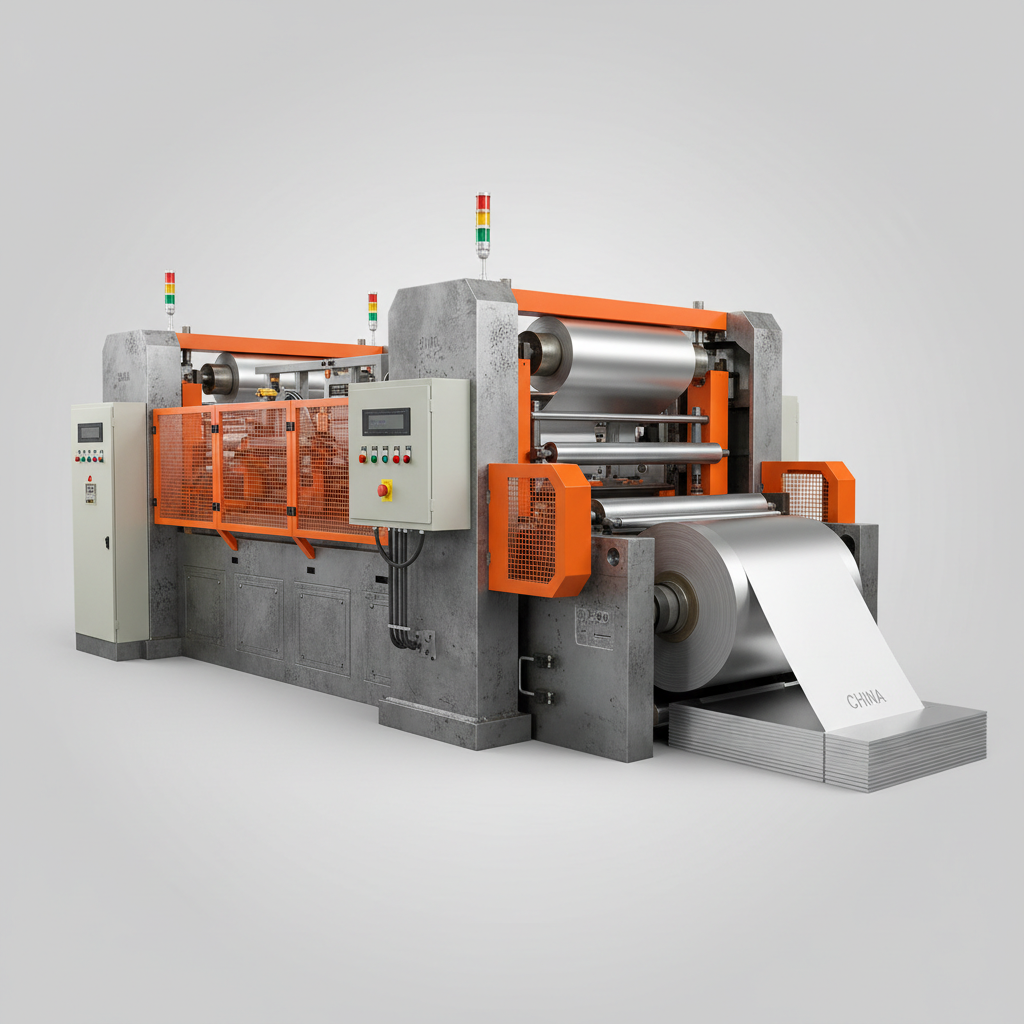
Aluminium cladding sheet suppliers play a crucial role in modern construction, providing materials that offer a compelling blend of aesthetics, durability, and cost-effectiveness. Globally, the demand for aluminium cladding is steadily increasing, driven by factors like rapid urbanization, the need for energy-efficient buildings, and evolving architectural trends. Understanding the landscape of aluminium cladding sheet suppliers, their capabilities, and the quality of their products is vital for architects, contractors, and developers seeking to create sustainable and visually appealing structures. The performance of these materials directly influences the longevity and overall value of building projects.
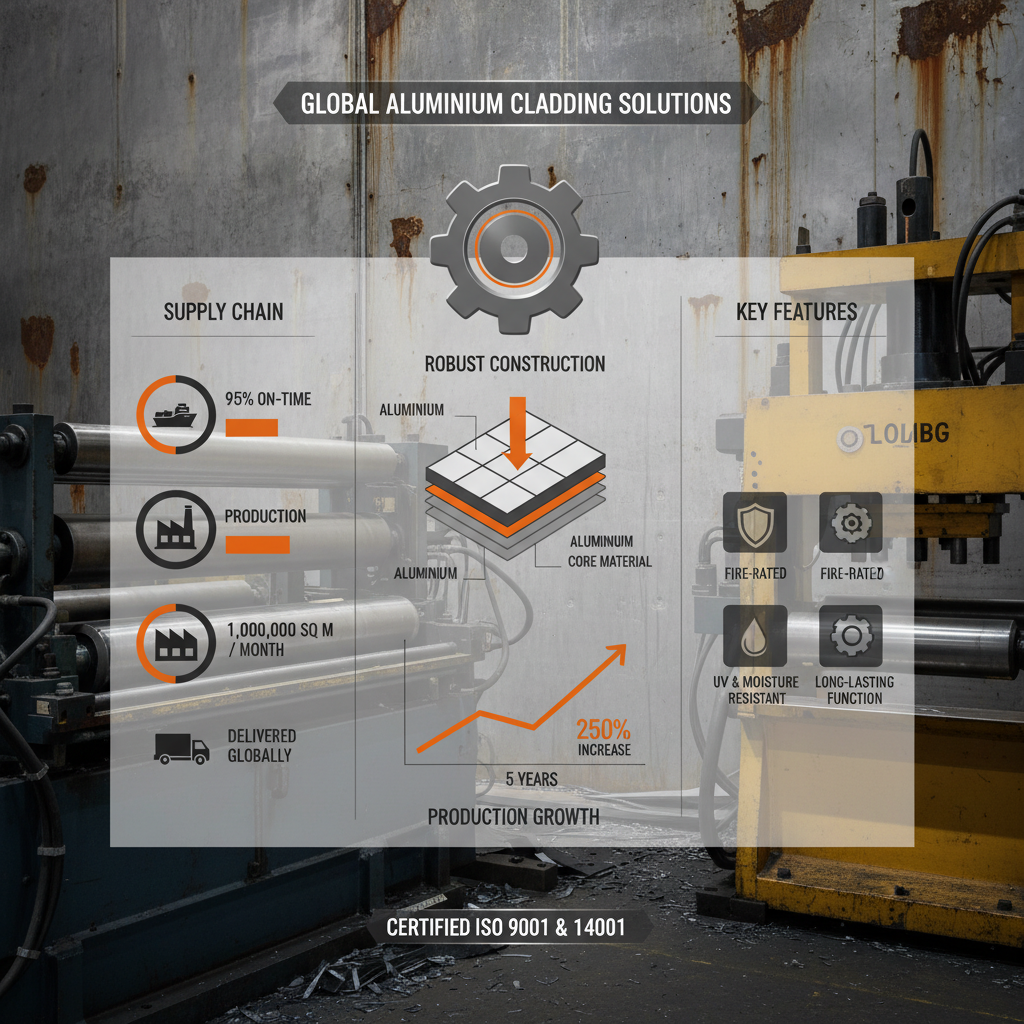
The market for aluminium cladding is a dynamic one, influenced by fluctuating aluminium prices, technological advancements in manufacturing processes, and increasingly stringent building regulations. Reliable aluminium cladding sheet suppliers must demonstrate consistent quality control, adherence to industry standards (like ISO certifications), and a commitment to sustainable practices. Competition amongst suppliers is fierce, with many companies differentiating themselves through specialized finishes, custom fabrication services, and efficient logistics.
Choosing the right aluminium cladding sheet supplier is a strategic decision with long-term implications. Beyond simply sourcing the material, it involves establishing a partnership that ensures timely delivery, technical support, and consistent product quality. This ultimately contributes to the success of any construction project, from residential buildings to large-scale commercial developments. Finding a reputable aluminium cladding sheet supplier is paramount.
The Importance of Aluminium Cladding Sheet Suppliers
The availability of reliable aluminium cladding sheet suppliers is foundational to the success of countless construction projects worldwide. These suppliers don’t just provide a material; they offer a comprehensive solution encompassing product quality, technical expertise, and logistical support. Their role extends beyond simply fulfilling orders; they contribute to the aesthetic appeal, structural integrity, and long-term performance of buildings.
A proficient aluminium cladding sheet supplier understands the nuances of different architectural styles, building codes, and environmental considerations. They can advise clients on the most suitable aluminium alloys, finishes, and installation methods for specific project requirements. This collaborative approach ensures optimal results and minimizes potential issues down the line.
Global Context and Industry Trends
The global aluminium cladding market is experiencing sustained growth, fueled by the increasing adoption of sustainable building practices and a demand for modern, energy-efficient structures. According to recent reports from the World Bank, construction activity in developing nations is driving much of this demand. Asia-Pacific represents the largest regional market, with significant growth anticipated in India and Southeast Asia.
Industry trends point towards a greater emphasis on prefabricated cladding systems, which reduce on-site installation time and labor costs. There’s also a growing preference for eco-friendly cladding options, such as those made from recycled aluminium or coated with low-VOC (volatile organic compound) finishes. These trends highlight the need for aluminium cladding sheet suppliers to invest in innovation and sustainable manufacturing processes.
Furthermore, supply chain disruptions and fluctuating raw material prices continue to pose challenges for the industry. Suppliers who can effectively manage these risks and maintain consistent product availability are gaining a competitive advantage. The ability to offer competitive pricing without compromising quality is also a key differentiator in the current market.
Defining Aluminium Cladding Sheet Suppliers
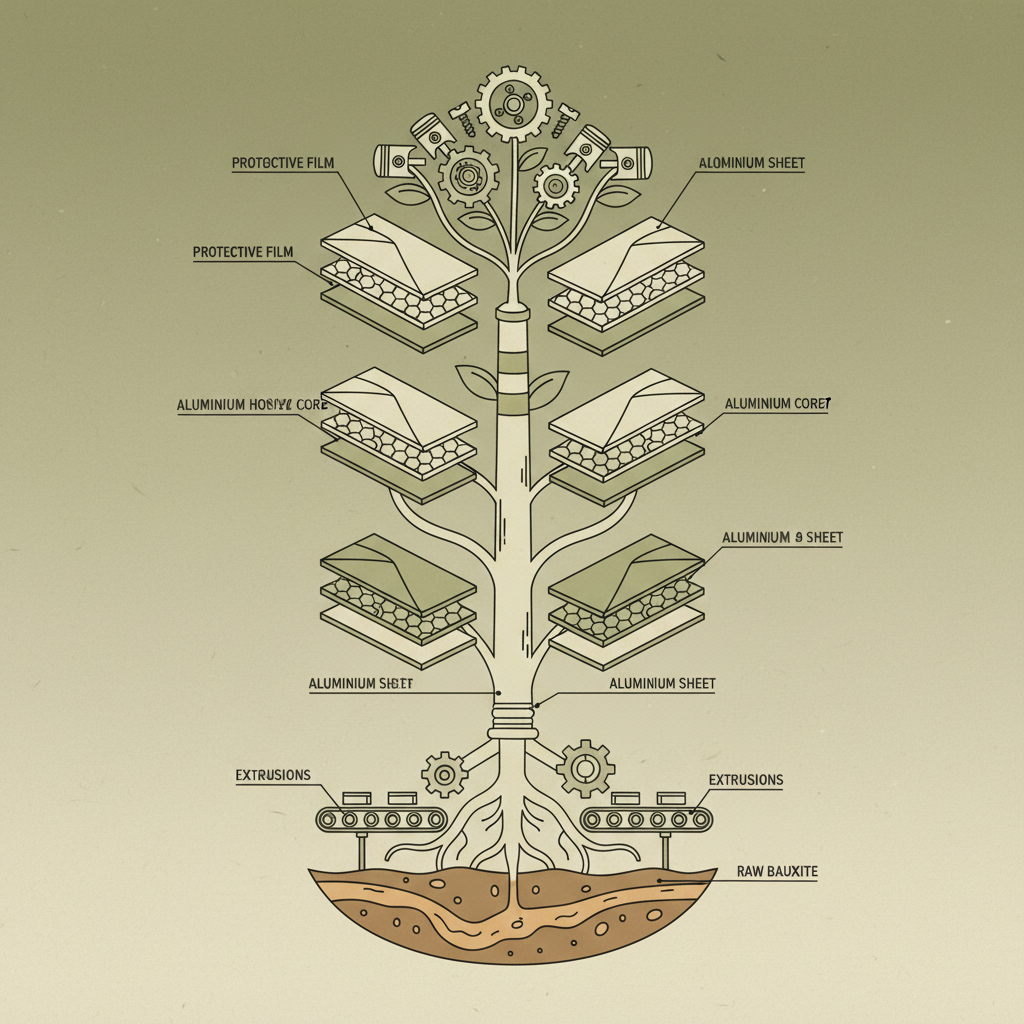
An aluminium cladding sheet supplier is a company specializing in the manufacturing, distribution, and sometimes fabrication of aluminium sheets used for external building facades. These sheets are typically made from various aluminium alloys, each possessing unique properties like strength, corrosion resistance, and formability. Suppliers offer a range of finishes, including powder coating, anodizing, and PVDF coating, to provide aesthetic appeal and weather protection.
Beyond simply providing the material, many suppliers offer value-added services such as custom cutting, bending, and profiling to meet specific project requirements. They often collaborate with architects and engineers to ensure compatibility with building designs and adherence to local building codes. A full-service aluminium cladding sheet supplier can significantly streamline the construction process.
These companies serve a diverse clientele, including architects, contractors, building owners, and developers. The size and scope of suppliers vary, ranging from small, regional fabricators to large, multinational manufacturers. Choosing a supplier based on their capabilities, reputation, and ability to meet project-specific needs is crucial.
Key Factors in Selecting a Supplier
Selecting the right aluminium cladding sheet supplier requires careful consideration of several key factors. Durability is paramount; the supplier should offer materials that can withstand harsh weather conditions, UV exposure, and potential impacts. Scalability is also crucial, particularly for large-scale projects, ensuring the supplier can consistently meet demanding delivery schedules.
Cost efficiency is, of course, a significant consideration, but it shouldn’t be the sole determining factor. Focusing on overall value – considering quality, service, and long-term performance – is more important than simply seeking the lowest price. Technical support and expertise are also vital, ensuring access to guidance on material selection, installation techniques, and problem-solving.
Aluminium Cladding Sheet Supplier Evaluation Metrics
Applications Across Industries
Aluminium cladding finds application across a diverse range of industries, including commercial construction, residential building, healthcare facilities, educational institutions, and transportation hubs. Its versatility allows it to be used for both new construction and renovation projects. The modern aesthetic and weather-resistant properties make it particularly well-suited for high-profile buildings and projects in coastal environments.
In the retail sector, aluminium cladding is used to create eye-catching facades that enhance brand image and attract customers. The healthcare industry benefits from its hygienic and easy-to-clean surface, crucial for maintaining a sterile environment. Increasingly, it is seen as a key component of sustainable building designs, contributing to energy efficiency and reduced environmental impact.
Benefits and Long-Term Value
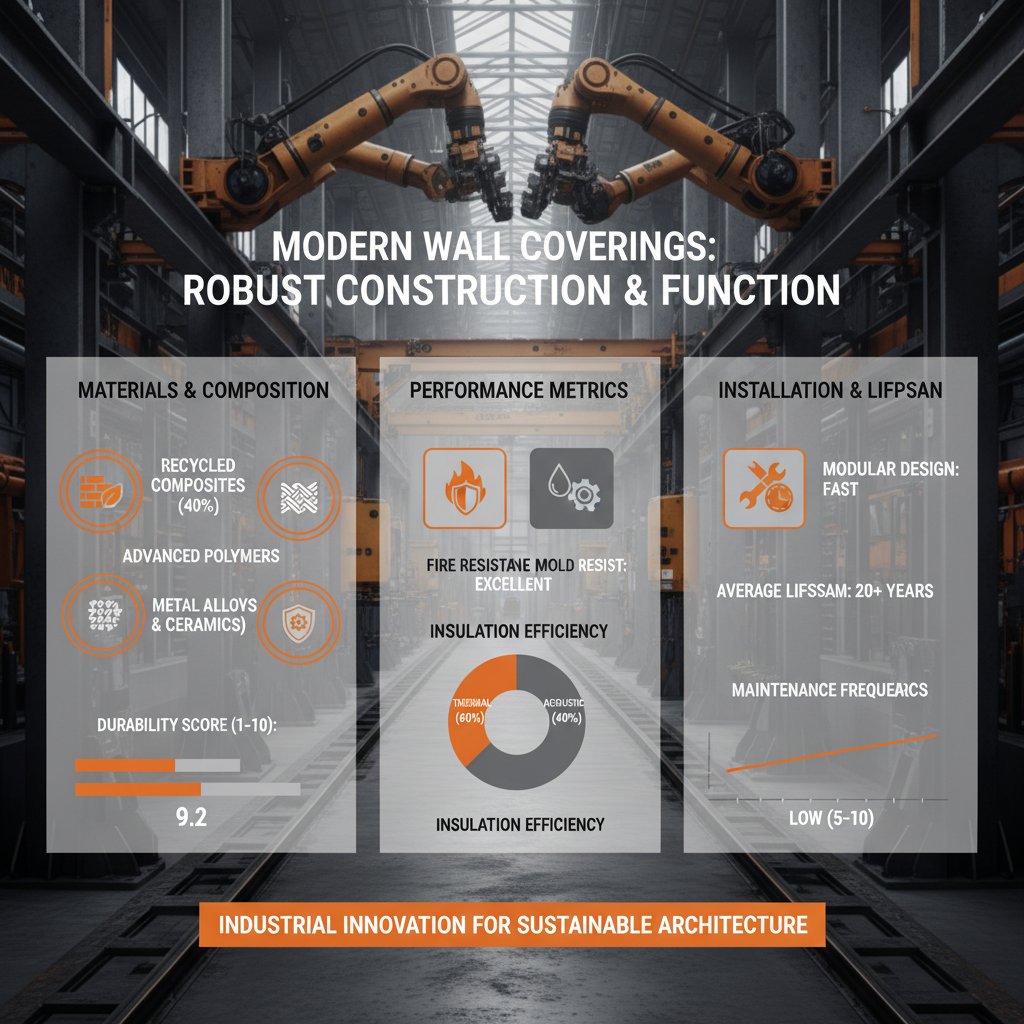
The benefits of utilizing aluminium cladding extend beyond aesthetics and durability. Aluminium is a lightweight material, reducing structural load and simplifying installation. Its excellent thermal properties contribute to energy efficiency, lowering heating and cooling costs. Furthermore, aluminium is 100% recyclable, making it a sustainable choice for environmentally conscious projects.
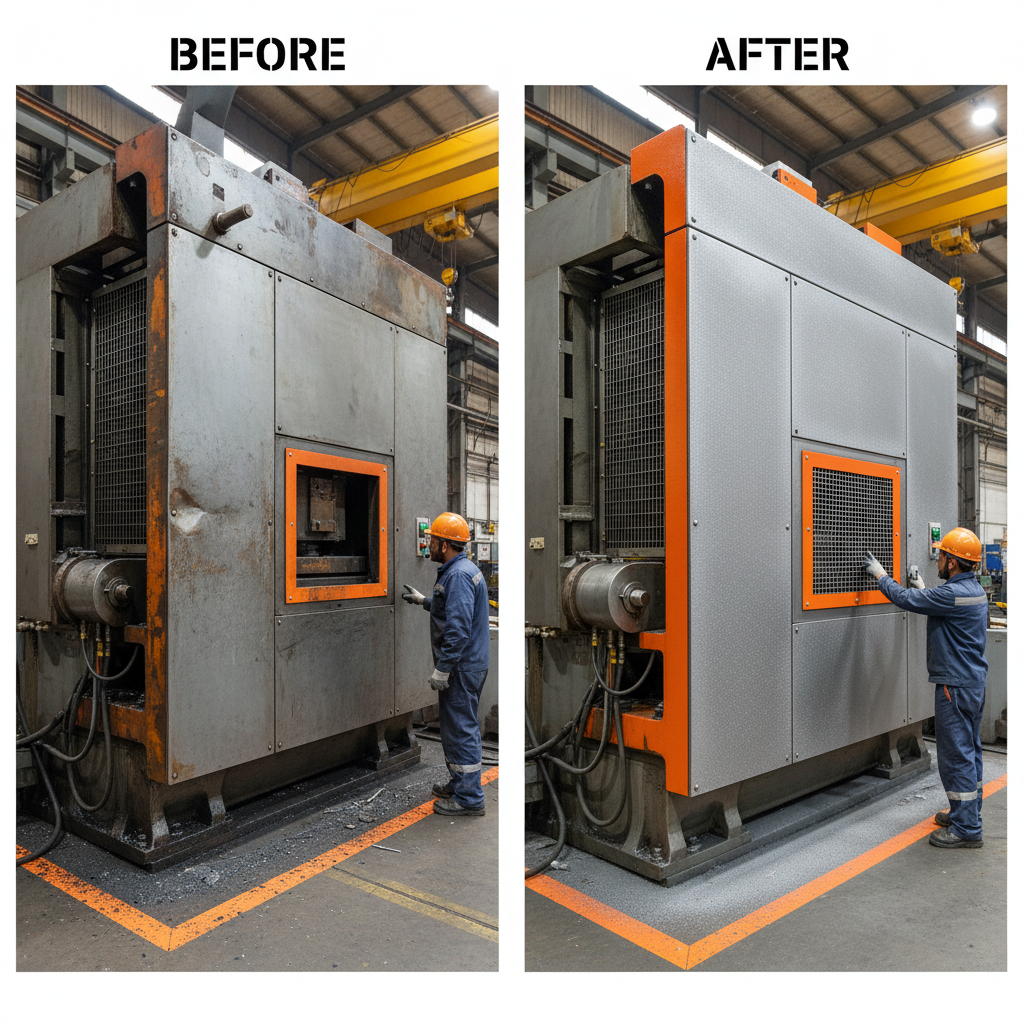
The long-term value lies in reduced maintenance requirements, minimal repair costs, and increased building lifespan. A well-maintained aluminium cladding facade can retain its appearance and performance for decades, enhancing the overall value of the property. Choosing a reliable aluminium cladding sheet supplier ensures these benefits are realized.
Beyond the tangible benefits, aluminium cladding can also enhance the safety and security of buildings, providing a robust and weather-tight exterior. It offers a sense of innovation and modernity, fostering a positive image for the building and its occupants.
Future Innovations and Challenges
The future of aluminium cladding is poised for innovation, with ongoing research and development focused on new alloys, coatings, and fabrication techniques. Self-cleaning coatings, smart cladding systems with integrated sensors, and digitally fabricated components are all emerging trends. The integration of Building Information Modeling (BIM) is also streamlining the design and construction process.
However, challenges remain. Maintaining cost competitiveness amidst fluctuating aluminium prices is a constant concern. Addressing environmental concerns related to the aluminium production process, such as energy consumption and greenhouse gas emissions, is crucial. Furthermore, ensuring the quality and consistency of imported materials is paramount.
The development of more sustainable and efficient manufacturing processes will be key to overcoming these challenges. Collaboration between suppliers, architects, and researchers will be essential to drive innovation and ensure the continued growth of the aluminium cladding industry.
Summary of Key Challenges and Mitigation Strategies for Aluminium Cladding Sheet Suppliers
| Challenge |
Impact on Supplier |
Mitigation Strategy |
Long-Term Benefit |
| Fluctuating Aluminium Prices |
Reduced Profit Margins, Pricing Instability |
Long-Term Contracts, Hedging Strategies, Supplier Diversification |
Price Stability, Increased Predictability |
| Supply Chain Disruptions |
Delivery Delays, Production Stoppages |
Multiple Sourcing, Inventory Management, Strong Supplier Relationships |
Reliable Supply, Reduced Risk |
| Environmental Concerns |
Increased Regulatory Pressure, Negative Public Perception |
Recycled Aluminium Usage, Sustainable Manufacturing Processes, Low-VOC Coatings |
Improved Brand Image, Compliance with Regulations |
| Quality Control Issues |
Product Defects, Project Delays, Reputational Damage |
Rigorous Testing, Certified Materials, Traceability Systems |
Enhanced Product Reliability, Customer Satisfaction |
| Skilled Labor Shortage |
Reduced Production Capacity, Increased Labor Costs |
Employee Training Programs, Automation Implementation, Competitive Wages |
Increased Productivity, Improved Workforce Quality |
| Evolving Building Codes |
Product Non-Compliance, Project Approval Delays |
Continuous Code Monitoring, Product Certification, Technical Expertise |
Regulatory Compliance, Project Timeliness |
FAQS
Aluminium cladding offers a multitude of benefits including lightweight construction, exceptional durability, corrosion resistance, and a wide range of aesthetic options. It’s also highly recyclable, contributing to sustainable building practices. Compared to materials like brick or stone, aluminium reduces structural load, simplifying installation and potentially lowering costs. It consistently outperforms in terms of long-term maintenance and longevity.
The type of aluminium alloy used significantly influences the cladding’s strength, corrosion resistance, and formability. Alloys with higher magnesium and silicon content generally offer superior strength, while those with higher manganese content enhance corrosion resistance. A reputable aluminium cladding sheet supplier will offer alloys specifically suited to the project’s environmental conditions and performance requirements, ensuring long-term durability and structural integrity.
Common finishes include powder coating, anodizing, and PVDF coating. Powder coating provides a durable, cost-effective finish with a wide range of colors. Anodizing creates a protective oxide layer, enhancing corrosion resistance. PVDF coating offers exceptional UV resistance and color retention. Generally, powder-coated and PVDF-coated cladding require minimal maintenance, simply needing periodic cleaning with mild detergent and water. Anodized finishes may require occasional polishing.
Lead times vary depending on the complexity of the order, the availability of materials, and the supplier’s production capacity. Standard orders typically have a lead time of 2-4 weeks, while custom fabrication or large-scale projects may require 6-8 weeks or longer. It’s crucial to discuss lead times with your aluminium cladding sheet supplier during the initial project planning phase to ensure timely delivery.
Verifying a supplier’s certifications (such as ISO 9001) and quality control processes is paramount. These certifications demonstrate a commitment to maintaining high standards of manufacturing and product quality. Ask about their testing procedures, material traceability systems, and quality assurance protocols. A reliable supplier will be transparent about their processes and readily provide documentation.
Don't solely focus on price. Consider the alloy type, finish quality, lead time, shipping costs, and value-added services offered. Evaluate the supplier’s reputation, experience, and customer references. Also, inquire about their warranty policies and after-sales support. A slightly higher price from a reputable supplier offering superior quality and service can often prove more cost-effective in the long run.
Conclusion
In conclusion, selecting the right aluminium cladding sheet supplier is a critical decision impacting the longevity, aesthetics, and overall success of any building project. The benefits are substantial - from durability and cost-efficiency to sustainability and design versatility. Understanding the nuances of different alloys, finishes, and supplier capabilities is essential for making informed choices that align with project needs and long-term objectives.
Looking ahead, innovation in materials and fabrication techniques will continue to drive the evolution of aluminium cladding. By partnering with a reliable and forward-thinking aluminium cladding sheet supplier, architects, contractors, and developers can leverage these advancements to create visually stunning, energy-efficient, and sustainable buildings that stand the test of time. Visit our website: www.acmfactory.com